
In the intricate landscape of personal finance, your bank account number is a foundational piece of information, akin to your financial DNA. While often less frequently accessed than your debit card number or online banking login, it plays a critical role in numerous essential transactions, from setting up direct deposit for your paycheck to facilitating wire transfers or linking accounts with external financial tools. For Chase customers, knowing how to quickly and securely locate this number is not just a matter of convenience; it’s a vital aspect of effective financial management and security.
This guide delves into the various methods available to find your Chase account number, offering clear, actionable steps while also emphasizing the broader financial implications and security considerations. Understanding where to find this number and how to protect it empowers you to navigate your financial life with greater confidence and control, making it an indispensable part of your financial literacy toolkit.
Why Your Chase Account Number is a Key Piece of Your Financial Puzzle
Beyond simply being a string of digits, your Chase account number serves as a unique identifier for your specific bank account within the vast Chase system. It’s what differentiates your checking or savings account from the millions of others, enabling precise and secure financial movements. Understanding its distinct purpose and importance is the first step toward effective financial navigation.
Understanding Its Role in Critical Transactions
Your account number is the cornerstone for several fundamental financial operations. When you need your paycheck or government benefits deposited directly into your account, this number, along with Chase’s routing number, directs the funds accurately. Similarly, setting up automatic bill payments, particularly for larger recurring expenses like mortgages or utilities, often requires your account number to ensure seamless and timely transactions. For more significant transfers, such as sending or receiving a wire transfer, the account number is paramount for identifying the exact recipient account, preventing misdirection of substantial funds. It also enables you to securely link your Chase account to third-party financial apps, budgeting tools, or investment platforms, creating a more integrated view of your financial health.
Distinguishing from Debit Card Numbers and Routing Numbers
It’s common for individuals to confuse their account number with other digits found on their banking instruments. Your debit card number, typically 16 digits long, is primarily used for point-of-sale purchases, online transactions, and ATM withdrawals. While linked to your account, it’s not your account number itself. Similarly, Chase’s routing number (a nine-digit number) identifies the specific bank or financial institution involved in a transaction, acting as the bank’s address, rather than your individual account’s address within the bank. For most transactions requiring your bank details, both your account number and the routing number will be needed to ensure funds reach the correct bank and then the correct account within that bank.
Security Implications of Knowing (and Protecting) It
While knowing your account number is crucial, protecting it is equally, if not more, important. In the wrong hands, coupled with other personal information, your account number could potentially be used for fraudulent activities, such as unauthorized withdrawals or setting up false direct debits. Therefore, always exercise caution when sharing this information. Only provide it to trusted entities for legitimate purposes, such as your employer for direct deposit, a reputable biller, or a verified financial institution. Be wary of unsolicited requests for your account number via email, text, or phone calls, as these are common tactics used in phishing and scam attempts. Treating your account number with the same level of confidentiality as your Social Security number or PIN is a fundamental aspect of digital and financial security.
Practical Methods to Locate Your Chase Account Number
Fortunately, Chase provides several convenient and secure avenues for customers to find their account numbers. Whether you prefer digital access or traditional documentation, there’s a method tailored to your comfort and situation.
Checking Your Chase Bank Statements
Your monthly bank statement is one of the most reliable places to find your account number.
- Digital Statements: If you’ve opted for paperless statements, log into your Chase Online Banking account, navigate to the “Statements & Documents” section, and select your most recent statement. Your full account number is typically displayed prominently near the top of the statement, often alongside your name and address.
- Paper Statements: For those who receive physical statements via mail, the account number will be printed in a similar location. Always store physical statements in a secure place to prevent unauthorized access to this sensitive information.
Utilizing Chase Online Banking and Mobile App
For tech-savvy users, Chase’s online banking platform and mobile app offer immediate access to your account details.
- Chase Online Banking: Log in to your account at Chase.com. Once logged in, select the specific account (e.g., checking or savings) for which you need the number. Look for a “Show Details,” “Account Details,” or similar link. Your account number, often masked with asterisks for security, will be fully revealed upon clicking or confirming your identity (e.g., by entering your password again). You’ll also find the routing number here.
- Chase Mobile App: Open the Chase Mobile app on your smartphone or tablet and log in. Tap on the desired account. Similar to the online platform, there’s usually an “Account Details” or “Show Account Number” option that will display your full account number after a security verification (e.g., Touch ID, Face ID, or PIN).
Contacting Chase Customer Service Directly
If digital methods aren’t feasible or you require additional assistance, Chase’s customer service channels are readily available.
- Phone: You can call Chase customer service using the number provided on the back of your debit card or found on the official Chase website. Be prepared to verify your identity through a series of security questions before they can provide your account number.
- In-Branch Visit: For face-to-face assistance, visit your nearest Chase branch. A banker will be able to help you locate your account number after verifying your identity with a valid form of ID (e.g., driver’s license, passport). This is often the best option if you’re unable to access your digital accounts or find past statements.
- Secure Message/Chat: Within your Chase online banking portal or mobile app, you may find options for secure messaging or live chat. While these methods can be convenient for general inquiries, some banks may prefer you to use phone or in-person verification for sensitive information like a full account number.
Reviewing Your Checkbook
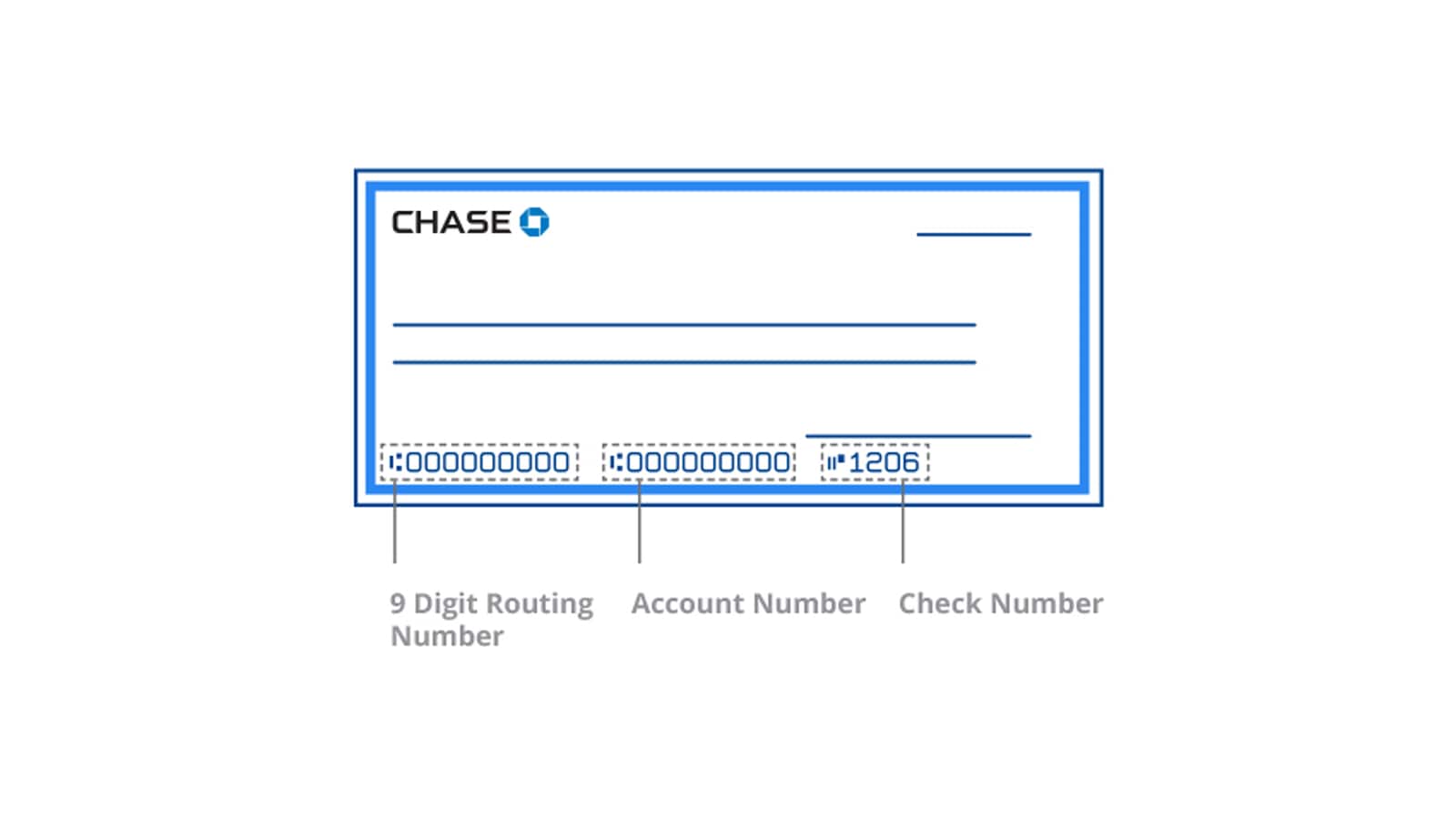
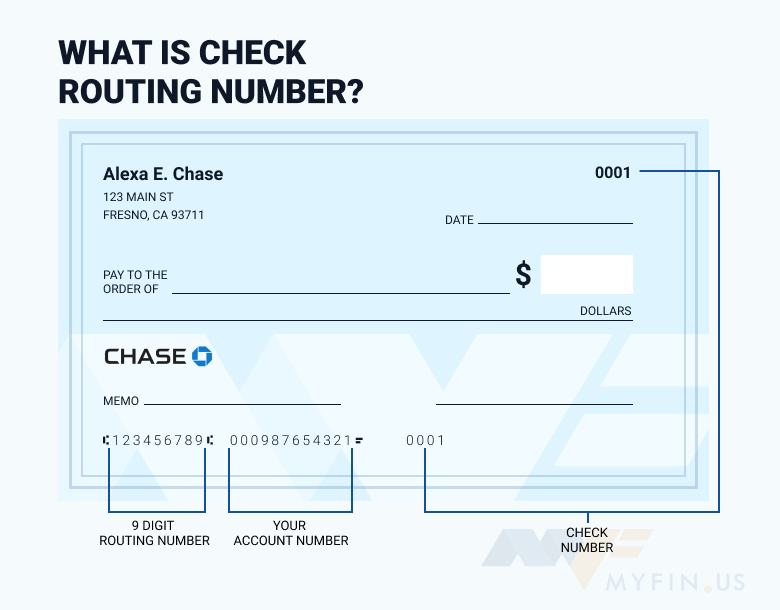
If you have a Chase checking account and use paper checks, your account number is printed at the bottom of each check. It’s the middle set of numbers, located between the routing number (first set of nine digits) and the check number (last set of numbers). This is a quick reference, but remember that anyone with access to your physical checks could potentially see this information, reinforcing the need to keep your checkbook secure.
Safeguarding Your Financial Information: Beyond Just Knowing Your Number
Knowing how to find your account number is one thing; ensuring its safety and the overall security of your financial life is another. In an increasingly digital world, vigilance and proactive measures are paramount to protecting your assets.
Best Practices for Digital Security

The digital realm presents both convenience and potential vulnerabilities. To safeguard your Chase account number and other sensitive data:
- Strong, Unique Passwords: Use complex passwords for your Chase online banking account, combining uppercase and lowercase letters, numbers, and symbols. Never reuse passwords across different platforms.
- Two-Factor Authentication (2FA): Always enable 2FA if offered by Chase. This adds an extra layer of security, requiring a code sent to your phone or email in addition to your password when logging in from an unrecognized device.
- Secure Internet Connections: Avoid accessing your banking information over public Wi-Fi networks, which are often unsecured and susceptible to eavesdropping. Use a trusted, private network or a Virtual Private Network (VPN) for sensitive transactions.
- Device Security: Keep your operating system, web browser, and antivirus software up to date on all devices used for banking. Use device passwords or biometrics (fingerprint, face ID) to prevent unauthorized access if your device is lost or stolen.
Protecting Physical Documents
While digital security is crucial, physical documents still hold sensitive information.
- Secure Storage: Store bank statements, checkbooks, and any other documents containing your account number in a locked drawer or safe place at home.
- Shredding: When you no longer need physical documents with sensitive information, use a cross-cut shredder to destroy them completely. Tossing them intact into the trash is a security risk.
Recognizing and Avoiding Phishing Scams
Scammers constantly evolve their tactics to trick individuals into revealing sensitive financial information.
- Phishing Emails/Texts: Be suspicious of unsolicited emails or text messages claiming to be from Chase, especially if they request your account number, password, or other personal details. Banks will rarely ask for this information via email or text.
- Fake Websites: Always verify the URL before entering your login credentials. Phishing sites often mimic legitimate bank websites but have subtle misspellings or different domain names. Bookmark Chase’s official website for direct access.
- Vishing (Voice Phishing): Be cautious of unexpected phone calls from individuals claiming to be from your bank. If in doubt, hang up and call the official customer service number listed on Chase’s website or the back of your card. Never give out personal or account information to an unsolicited caller.
- Monitor Accounts Regularly: Regularly review your Chase account activity for any suspicious or unauthorized transactions. Set up transaction alerts to be notified of activity in real-time.
When and Where You’ll Need Your Chase Account Number
Understanding how to find your account number is best coupled with knowing when and where you’ll typically need it. This preparation can save you time and prevent delays in crucial financial processes.
Setting Up Direct Deposit for Paychecks or Government Benefits
This is perhaps the most common reason individuals need their account number. When starting a new job, updating your payroll information, or setting up direct deposit for Social Security or other government benefits, your employer or the relevant agency will require both your Chase account number and the appropriate Chase routing number. Accuracy here is critical to ensure your funds are deposited correctly and on time. Any error could delay payments.
Facilitating Electronic Bill Payments
While many billers allow you to pay using a debit card, some, especially for larger, recurring bills like rent, mortgages, or utilities, may offer or even require you to set up direct payments from your bank account using your account and routing numbers. This often streamlines the payment process, sometimes avoiding convenience fees associated with card payments.
Initiating or Receiving Wire Transfers
For both domestic and international wire transfers, your Chase account number is an absolute necessity. If you are sending a wire, you’ll need the recipient’s account number, routing number (for domestic), or SWIFT/BIC code (for international), and their bank’s name. If you are receiving a wire, you’ll need to provide your sender with your Chase account number, the correct Chase routing number, and potentially Chase’s SWIFT/BIC code for international transfers. Wire transfers are often irrevocable, so double-checking all numbers is paramount.
Linking Accounts with Other Financial Institutions
In today’s integrated financial ecosystem, it’s common to link your primary checking account to other financial platforms. This could include investment accounts (brokerage, robo-advisors), peer-to-peer payment apps, budgeting software, or even accounts at another bank for easy transfers. These platforms typically use your account and routing numbers to verify ownership and facilitate secure fund transfers, enhancing your ability to manage your money holistically.
Proactive Financial Management: Beyond Just Account Access
Knowing your Chase account number is a foundational element, but true financial empowerment stems from a broader understanding and proactive engagement with your banking relationship and overall financial health.
Regular Account Monitoring for Fraud Prevention
Make it a habit to regularly review your Chase bank statements and online transaction history. Set up alerts within the Chase app to notify you of purchases, withdrawals, or transfers. Catching unauthorized transactions early is crucial for limiting potential damage and allowing Chase to investigate and resolve issues quickly. This vigilance is your first line of defense against financial fraud and identity theft.
Automating Savings and Investments
Leverage your account number not just for payments but for growth. Use Chase’s online banking features to set up automatic transfers from your checking account to a savings account, investment account, or even to pay down debt. Automating these financial actions removes the temptation to spend and ensures consistent progress towards your financial goals, whether it’s building an emergency fund, saving for a down payment, or investing for retirement. This proactive approach turns your account from a mere repository of funds into a powerful tool for wealth accumulation.
Understanding Your Bank’s Services and Fees
Take the time to understand the full suite of services Chase offers and any associated fees with your specific account type. This includes understanding overdraft policies, ATM fees (especially out-of-network), monthly service fees, and any waivers available (e.g., minimum balance requirements or direct deposit thresholds). Being knowledgeable about your account’s features and potential costs allows you to optimize your banking habits, avoid unnecessary fees, and make the most of your relationship with Chase.
Knowing your Chase account number is a small but significant step towards greater financial literacy and security. By understanding its importance, knowing where and how to find it, and diligently protecting it, you empower yourself to manage your finances more effectively. This knowledge, coupled with proactive security measures and a comprehensive approach to financial management, transforms a simple bank detail into a cornerstone of your overall financial well-being.
aViewFromTheCave is a participant in the Amazon Services LLC Associates Program, an affiliate advertising program designed to provide a means for sites to earn advertising fees by advertising and linking to Amazon.com. Amazon, the Amazon logo, AmazonSupply, and the AmazonSupply logo are trademarks of Amazon.com, Inc. or its affiliates. As an Amazon Associate we earn affiliate commissions from qualifying purchases.