
Discovering you owe the Internal Revenue Service (IRS) can be a daunting prospect, often accompanied by anxiety and uncertainty. However, proactive financial management and understanding the proper channels to verify your tax status are crucial steps in maintaining good standing with the nation’s tax collector. Ignoring potential tax liabilities can lead to accumulating penalties and interest, making the eventual resolution far more complex and costly. This comprehensive guide will walk you through the official methods to ascertain your IRS tax obligations, interpret communications, and take appropriate action, empowering you to navigate your financial responsibilities with confidence and clarity.
Understanding Your IRS Tax Obligations
Before delving into how to check your status, it’s essential to grasp why an individual might find themselves owing the IRS in the first place. This foundational understanding can help demystify the situation and equip you to prevent future surprises.
Why You Might Owe Taxes
Several common scenarios can lead to an unexpected tax bill. For many employees, insufficient withholding from paychecks is a primary culprit. If the amount of tax withheld through your Form W-4 is less than your actual tax liability, you’ll owe the difference at tax time. This often happens if you have multiple jobs, significant investment income, or fail to update your W-4 after life events like marriage, divorce, or having children.
Self-employed individuals, freelancers, and small business owners typically pay estimated taxes throughout the year. Failure to accurately estimate income or make timely payments can result in a balance due, along with potential underpayment penalties. Additionally, unreported income from side hustles, investment gains, or other sources can lead to a tax shortfall. Errors on your tax return, such as incorrect deductions or credits, can also result in an IRS assessment indicating you owe money.
The Importance of Proactive Checking
Being proactive about your tax status is not just about avoiding unpleasant surprises; it’s about financial prudence. The IRS levies penalties for late payment and interest on underpayments, which can significantly inflate your original tax debt over time. By regularly checking your IRS account, you can identify discrepancies early, correct errors, and fulfill your obligations promptly. This approach minimizes financial penalties, protects your credit, and preserves your peace of mind, allowing you to manage your personal finances more effectively.
Official Methods to Check Your IRS Account
The IRS provides several secure and reliable avenues for taxpayers to check their account status, view balances, and access their tax records. Relying solely on informal channels or unverified information can be risky; always prioritize official IRS resources.
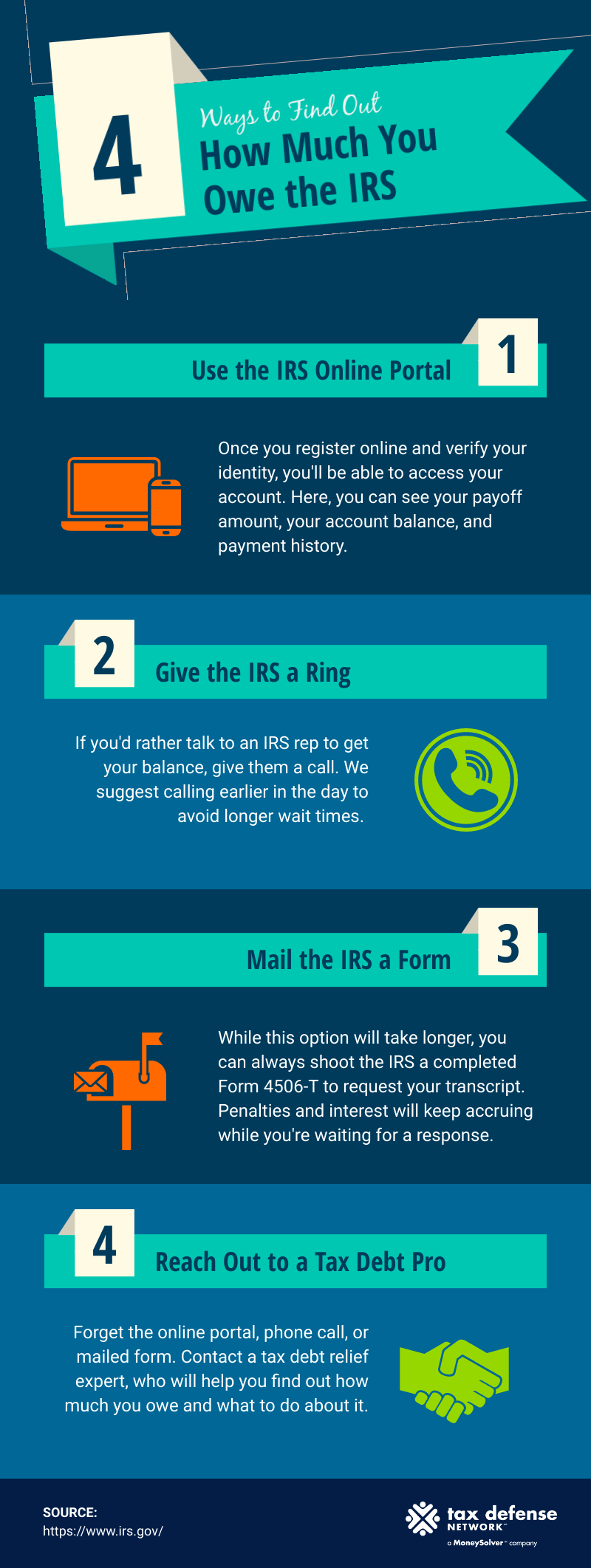
Using the IRS Online Account
One of the most efficient and recommended methods is to use the IRS’s secure online account service. This digital portal offers taxpayers a personalized view of their federal tax information, making it an invaluable tool for financial management.
To access your IRS online account, you’ll need to create an account through ID.me, a third-party identity verification service. This process ensures the security of your sensitive financial information. Once verified, your online account allows you to:
- View your balance, including any amounts you owe, for the current tax year and up to 10 previous tax years.
- See your payment history, including payments you’ve made and scheduled payments.
- Access key tax records, such as your Adjusted Gross Income (AGI) and tax transcripts.
- Make payments directly from your bank account or schedule future payments.
- Set up or modify payment plans, such as an installment agreement.
Regularly logging into your IRS online account provides a clear and up-to-date picture of your tax standing, serving as the first line of defense against unexpected tax liabilities.
Reviewing Your Tax Transcripts
Tax transcripts are summaries of your tax returns and account information that the IRS holds. They are particularly useful for detailed financial planning, loan applications, and, crucially, for understanding your tax history and any outstanding balances. There are several types of transcripts, but the most relevant for determining if you owe are:
- Account Transcript: This transcript provides summary information for a single tax year, including adjusted gross income (AGI), tax liability, payments made, and any penalties or interest assessed. It’s an excellent tool for seeing a snapshot of your tax account for a specific year and any balance due.
- Record of Account Transcript: This combines the information from a tax return transcript and an account transcript. It shows most of the line items from your filed return, as well as subsequent changes or adjustments made by you or the IRS, making it comprehensive for understanding your tax situation.
You can obtain tax transcripts in several ways:
- Online: Through the “Get Transcript Online” tool on the IRS website. You’ll need to verify your identity again, often through ID.me.
- By Mail: Using the “Get Transcript by Mail” tool, transcripts are mailed to the address on file with the IRS within 5 to 10 calendar days.
- By Phone: You can call the IRS at 800-908-9946 to request a transcript be sent to you.
- Form 4506-T or 4506T-EZ: These forms allow you to request a transcript for current and prior years, typically used by tax professionals or for specific financial applications.
Reviewing these transcripts can help you cross-reference information with your own records and identify any discrepancies that might indicate a balance due.
Contacting the IRS Directly
While online tools offer convenience, there are situations where direct communication with an IRS representative is necessary, especially if your situation is complex or you prefer speaking to someone.
- IRS Phone Numbers: The primary number for individual tax inquiries is 800-829-1040. Be prepared for potentially long wait times, especially during peak tax season. It’s often advisable to call early in the morning, late in the afternoon, or during the middle of the week.
- Taxpayer Assistance Centers (TACs): For in-person help, you can visit a local Taxpayer Assistance Center. These centers provide face-to-face assistance with tax issues, including account inquiries. It’s important to note that most TACs require an appointment, so check the IRS website for locations and scheduling instructions before visiting.
When contacting the IRS, always have your Social Security Number, date of birth, current address, and a copy of your most recently filed tax return readily available. This information helps the representative quickly access your account and verify your identity.
Interpreting IRS Communications
The IRS communicates with taxpayers primarily through official mail. Understanding the nature of these communications is vital for accurately assessing your tax situation and distinguishing legitimate notices from potential scams.

Understanding IRS Notices and Letters
If you owe money to the IRS, or if there’s a discrepancy with your tax return, the IRS will send you a notice or letter by postal mail. These letters are formal and will always provide specific details about the issue, the amount owed, and instructions on how to respond. Common notices indicating a balance due include:
- CP14 Notice: This is one of the most common notices, informing you that you owe a balance for a specific tax year. It will state the amount due, the original tax due date, and any penalties or interest.
- CP2000 Notice: This notice is sent when income or payment information on your tax return doesn’t match information the IRS received from third parties (like employers or financial institutions). It proposes changes to your tax and typically asks you to agree or explain discrepancies.
- Other Notices: Various other notices (e.g., CP2057, CP501, CP504) inform you about changes to your account, intent to levy, or final notices before collection actions.
It’s crucial to read these notices carefully, understand the problem identified, and respond by the specified deadline. Ignoring IRS correspondence will only escalate the issue and potentially lead to more severe collection actions.
Distinguishing Legitimate IRS Correspondence from Scams
In an age of prevalent scams, recognizing authentic IRS communications is paramount for protecting your financial well-being. The IRS has strict protocols for contacting taxpayers, and understanding these can help you avoid fraudulent attempts to trick you into revealing personal information or making payments to scammers.
Key distinctions:
- Communication Method: The IRS always initiates contact by mail for tax issues, especially those concerning an outstanding debt. They generally do not initiate contact by phone, email, text message, or social media to request personal or financial information, or to demand immediate payment.
- Payment Demands: The IRS will not demand immediate payment over the phone, threaten to send local police or immigration officers, or revoke your driver’s license. They will also not request payment via gift cards, wire transfers, or cryptocurrency.
- Information Requested: Legitimate IRS letters will never ask for your credit card, debit card, or prepaid card numbers over the phone or email.
If you receive a suspicious communication claiming to be from the IRS, do not respond. You can report phishing and online scams to the IRS at phishing@irs.gov and report phone scams to the Treasury Inspector General for Tax Administration (TIGTA). When in doubt, verify the communication by logging into your IRS online account or calling the official IRS phone number directly.
What to Do If You Find You Owe the IRS
Discovering you owe the IRS is the first step; the next is to understand your options and take decisive action. Procrastination can lead to increased penalties and interest, making the situation more difficult to resolve.
Confirming the Amount Owed
Once you’ve determined you owe the IRS, the immediate next step is to confirm the exact amount. Cross-reference the IRS’s stated balance with your own records, including your filed tax return, W-2s, 1099s, and any previous payments made. Your IRS online account and tax transcripts are excellent resources for this verification. Ensure you understand what constitutes the total amount: the original tax liability, any penalties (e.g., failure to file, failure to pay, accuracy-related), and accrued interest. If you believe there’s an error, you should gather evidence and dispute the claim with the IRS.
Exploring Payment Options
The IRS offers several payment options to help taxpayers resolve their liabilities, especially if they cannot pay in full immediately.
- Full Payment: If you can afford it, paying your balance in full by the due date (or as soon as possible after discovering the debt) is the best option. This minimizes penalties and interest. Payments can be made online, by phone, or by mail.
- Short-Term Payment Plan: If you need a little more time, you might qualify for a short-term payment plan, which allows up to 180 additional days to pay your tax liability in full. Interest and penalties still apply.
- Offer in Compromise (OIC): An OIC allows certain taxpayers to resolve their tax liability with the IRS for a lower amount than what they originally owe. This option is generally available if you are experiencing significant financial difficulty and cannot pay your full tax liability. The IRS considers your ability to pay, income, expenses, and asset equity when evaluating an OIC.
- Installment Agreement: If you can’t pay your full balance immediately or within 180 days, you might be able to set up a monthly payment plan with the IRS, known as an installment agreement. This allows you to make manageable payments over an extended period (typically up to 72 months). While on an installment agreement, penalties and interest continue to accrue, but they might be reduced.
- Penalty Abatement: In certain circumstances, the IRS may waive penalties if you can demonstrate a reasonable cause for failing to file or pay on time. Common reasonable causes include natural disasters, serious illness, or other unavoidable events. Interest cannot typically be abated.
Seeking Professional Assistance
For complex tax situations, large debts, or if you feel overwhelmed by the process, seeking assistance from a qualified tax professional is highly advisable. Enrolled Agents (EAs), Certified Public Accountants (CPAs), and tax attorneys specialize in tax law and can:
- Help you understand your tax liability and options.
- Represent you before the IRS, including during audits or collections.
- Negotiate payment plans or an Offer in Compromise on your behalf.
- Advise on penalty abatement requests.
- Prepare and file necessary documentation.
A knowledgeable professional can save you time, stress, and potentially a significant amount of money by navigating the intricacies of tax law and IRS procedures.
Proactive Steps to Prevent Future Tax Surprises
Preventing future tax liabilities is as important as resolving current ones. Implementing sound financial practices throughout the year can help ensure your tax situation remains manageable and predictable.
Adjusting Withholding (Form W-4)
For employees, regularly reviewing and adjusting your Form W-4 with your employer is one of the most effective ways to manage your tax liability. Life changes such as marriage, divorce, having a child, purchasing a home, or taking on a second job can significantly impact your tax situation. Using the IRS Tax Withholding Estimator tool on the IRS website can help you determine the correct amount of tax to have withheld from your paychecks, minimizing the chance of owing a large sum or receiving an unnecessarily large refund.
Making Estimated Tax Payments
If you are self-employed, have substantial investment income, or receive income not subject to withholding, you are likely required to pay estimated taxes quarterly. The IRS provides Form 1040-ES, Estimated Tax for Individuals, along with instructions and worksheets, to help you calculate and make these payments. Failing to pay enough estimated tax throughout the year can result in penalties, even if you ultimately pay all your taxes by the filing deadline.
Keeping Meticulous Records
Good record-keeping is the cornerstone of effective tax management. Maintain organized records of all income, expenses, deductions, and credits throughout the year. This includes W-2s, 1099s, bank statements, receipts for business expenses, medical bills, and charitable contributions. Having these documents readily accessible makes tax preparation smoother, helps you claim all eligible deductions and credits, and provides essential support if the IRS has questions about your return.

Staying Informed on Tax Law Changes
Tax laws are complex and can change frequently. Staying informed about new legislation or modifications to existing laws can help you plan proactively. Subscribe to IRS news releases, follow reputable financial news sources, or consult with a tax professional who keeps up-to-date with the latest tax developments. Understanding how changes might affect your income or deductions can prevent future tax discrepancies.
In conclusion, understanding whether you owe the IRS is a critical aspect of personal finance that demands attention and proactive engagement. By utilizing official IRS online tools, reviewing your tax transcripts, understanding IRS communications, and knowing your options for payment and professional assistance, you can confidently manage your tax obligations. Moreover, adopting proactive strategies like adjusting withholding, making estimated payments, and maintaining meticulous records will help you avoid unwelcome tax surprises, fostering greater financial stability and peace of mind in the long run.
aViewFromTheCave is a participant in the Amazon Services LLC Associates Program, an affiliate advertising program designed to provide a means for sites to earn advertising fees by advertising and linking to Amazon.com. Amazon, the Amazon logo, AmazonSupply, and the AmazonSupply logo are trademarks of Amazon.com, Inc. or its affiliates. As an Amazon Associate we earn affiliate commissions from qualifying purchases.