
In the modern financial landscape, the ability to quickly and accurately locate your bank routing and account numbers is a fundamental skill. Whether you are setting up direct deposit for a new job, authorizing an automated bill payment, or initiating a wire transfer for a significant investment, these two strings of digits serve as the primary coordinates for your capital. Understanding how to navigate your financial accounts to find this information—and understanding what these numbers represent—is essential for effective personal finance management and digital security.

As we move further away from a cash-based society and deeper into a world of Electronic Funds Transfers (EFT) and Automated Clearing House (ACH) transactions, the precision of this data becomes even more critical. A single misplaced digit can lead to delayed payments, returned check fees, or, in some cases, the transfer of funds to an unintended recipient. This guide provides a detailed roadmap for locating these numbers across various platforms and explains their significance within the broader banking ecosystem.
The Anatomy of Your Banking Information
Before diving into where to find these numbers, it is vital to understand the distinct roles they play in the financial system. Although they are often requested together, they serve very different purposes.
What is a Routing Number?
A routing number, also known as an ABA routing transit number (RTN), is a nine-digit sequence used to identify a specific financial institution within the United States. Established by the American Bankers Association in 1910, this system was originally designed to facilitate the physical sorting of paper checks. Today, it acts as an address for your bank within the national clearinghouse network.
The nine digits are not random. The first two digits indicate the Federal Reserve bank district where the institution is located. The third digit identifies the Federal Reserve check processing center assigned to the bank, and the fourth digit denotes the state in which the bank is headquartered. The remaining digits are unique to the institution itself, with the final digit acting as a “checksum” to verify the validity of the entire number during automated processing. It is important to note that large national banks may have multiple routing numbers based on the state where the account was opened or the type of transaction (e.g., one for paper checks and another for wire transfers).
What is an Account Number?
While the routing number identifies the bank, the account number identifies you. This unique identifier is assigned to your specific checking, savings, or money market account. Unlike routing numbers, which are shared by every customer at a specific branch or region, your account number is private and unique to your relationship with the institution.
Account numbers vary in length depending on the bank’s internal systems, typically ranging from 8 to 12 digits, though some institutions use longer sequences. Together, the routing and account numbers function much like a physical mailing address: the routing number is the city and zip code, while the account number is the specific street address and apartment number.
Practical Methods to Retrieve Your Information
There are several reliable ways to find your routing and account numbers, ranging from traditional paper methods to modern digital interfaces. Depending on your current access, one of the following methods will likely be the most efficient.
Utilizing Physical Checks
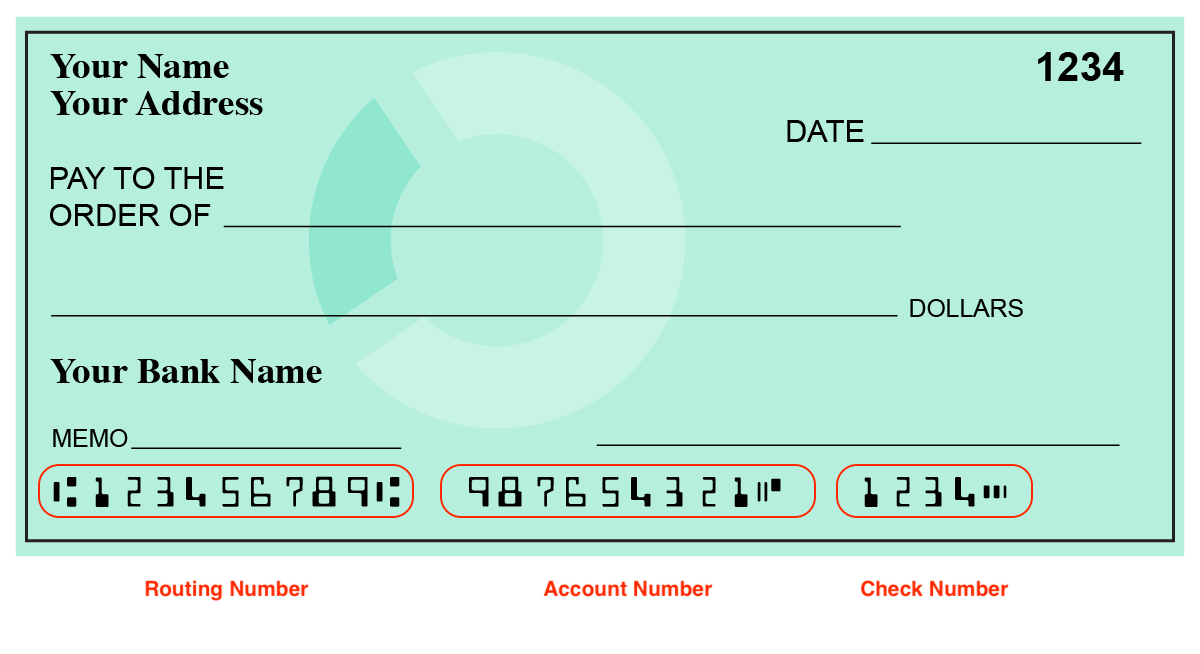
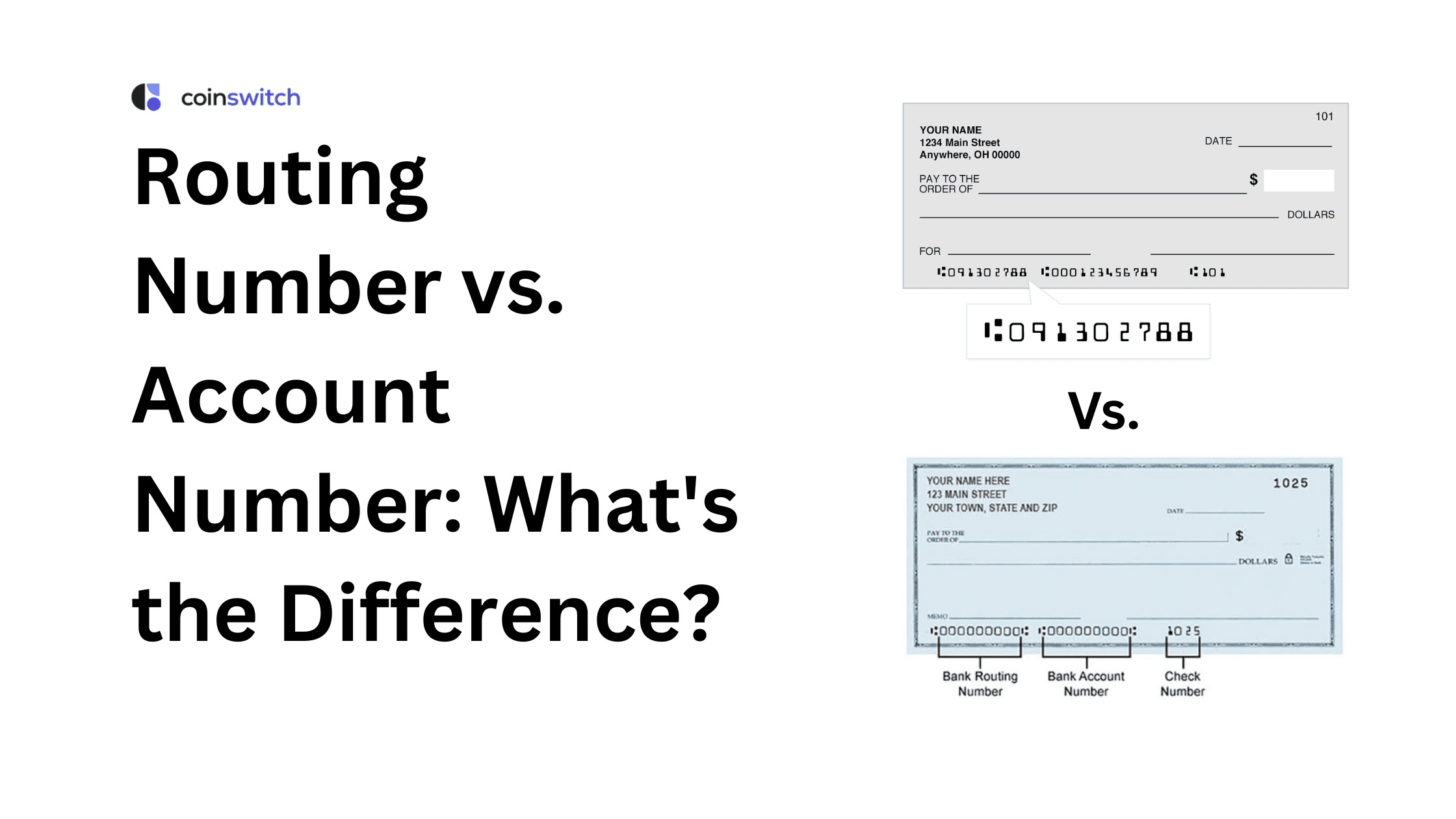
The most traditional and often the easiest way to find your banking information is by looking at a physical check associated with your account. At the bottom of every personal check is a line of numbers printed in a specialized font known as MICR (Magnetic Ink Character Recognition). This line typically contains three distinct sets of numbers:
-
The Routing Number: This is almost always the first set of nine digits on the far left. It is flanked by a specific symbol that looks like a vertical bar with a small square.
-
The Account Number: This is generally the middle set of numbers. It is followed by another unique symbol. Note that on some checks, the check number may appear between the routing and account numbers, but the account number is usually the longer string of digits.
-
The Check Number: This is the shortest set of digits, usually located on the far right, matching the number printed in the top-right corner of the check.
If you have a deposit slip, the layout is usually similar, though some banks may arrange these numbers differently on internal documents.
Online Banking Portals and Mobile Apps
For those who have transitioned to paperless banking, digital platforms are the primary source for account data. Most modern financial institutions have streamlined their interfaces to make this information accessible but secure.
When logged into an online banking portal on a desktop, you can typically find your numbers by clicking on a specific account (e.g., “Primary Checking”). Look for a link or tab labeled “Account Details,” “Account Features,” or “Direct Deposit Information.” For security reasons, many banks “mask” the account number, showing only the last four digits. You may need to click a “show” icon (often represented by an eye) or undergo a secondary authentication step, such as a text-message code, to view the full number.
On mobile apps, the process is similar. The information is usually found within the “Manage Account” or “Info” section. Mobile apps are particularly useful because they often provide a pre-filled PDF form for direct deposit that you can download or email directly to an employer’s payroll department.
Monthly Statements
Your monthly bank statement—whether received via physical mail or as an e-statement PDF—is a legal record of your account activity and contains your account number. Usually, the account number is located at the top of the first page, near your name and address.
However, it is important to check if the routing number is also listed. Some banks include the routing number in the “Contact Us” section or the “General Information” footer of the statement. If it is not there, you can almost always find the bank’s general routing number on their public website, as routing numbers are not considered confidential information in the same way account numbers are.
Specialized Transactions: Wires and International Transfers
As your financial life becomes more complex, you may find that the standard routing number used for a paycheck is not the one required for other types of movements of capital.
ACH vs. Wire Transfer Routing Numbers
It is a common misconception that a bank has only one routing number. Many larger institutions utilize one number for ACH transactions (automated payments and direct deposits) and a different number for domestic wire transfers. Using an ACH routing number for a wire transfer can result in the transaction being rejected or delayed significantly. Before initiating a high-value wire transfer for a real estate closing or a large investment, always verify with your bank which specific routing number should be used for incoming “Wire” versus “ACH” transfers.
International Context: SWIFT and IBAN
If you are receiving money from abroad or sending funds to an international account, the domestic routing number system will not suffice. Instead, you will need a SWIFT code (also known as a BIC). A SWIFT code is an 8 to 11-character alphanumeric code that identifies banks globally.
Furthermore, many countries outside the United States use the IBAN (International Bank Account Number) system. An IBAN integrates the country code, bank code, and account number into one long string. While the U.S. does not currently use the IBAN format, you will need the IBAN of your recipient if you are sending money to Europe, the Middle East, or parts of the Caribbean.
Safeguarding Your Financial Identity
Because the combination of a routing and account number is all that is required to withdraw funds via an ACH transfer, protecting this information is a cornerstone of personal financial security.
Recognizing Risks and Phishing
Fraudsters often use “phishing” emails or text messages that appear to be from your bank, asking you to “verify” your account information due to a suspicious login or a pending transfer. Legitimate banks will never ask you to provide your full account number or password via an unencrypted email or text. Always navigate directly to the bank’s official website or use their verified app rather than clicking on links provided in messages.
Secure Storage and Disposal
Physical checks are a significant security vulnerability if handled carelessly. If you have old checkbooks for closed accounts, they should be shredded rather than thrown in the trash. Similarly, when providing your routing and account numbers to a third party—such as a landlord or a utility company—ensure that you are using a secure, encrypted portal. Avoid writing these numbers down on sticky notes or storing them in unencrypted “Notes” apps on your smartphone.
The Importance of Monitoring
Even with the best security practices, leaks can occur. Regularly monitoring your bank statements and setting up real-time transaction alerts on your mobile device are the best ways to catch unauthorized use of your account and routing numbers. If you notice an ACH withdrawal that you did not authorize, you typically have a limited window (usually 60 days for consumers) to report the error to your bank and have the funds recovered under Federal Reserve Regulation E.
In summary, your routing and account numbers are the keys to your financial house. By knowing how to find them through checks, apps, and statements, and by understanding the nuances between ACH and wire transfers, you can manage your money with greater confidence and precision. Treat these numbers with the same level of care as your Social Security number, and you will maintain a secure and efficient financial life.
aViewFromTheCave is a participant in the Amazon Services LLC Associates Program, an affiliate advertising program designed to provide a means for sites to earn advertising fees by advertising and linking to Amazon.com. Amazon, the Amazon logo, AmazonSupply, and the AmazonSupply logo are trademarks of Amazon.com, Inc. or its affiliates. As an Amazon Associate we earn affiliate commissions from qualifying purchases.