
In the intricate world of personal finance, your Chase account number serves as a critical identifier, akin to a unique financial fingerprint for your specific bank account. Whether you’re setting up direct deposit, paying bills, initiating a wire transfer, or simply managing your personal finances, knowing where and how to quickly access this crucial piece of information is essential. For many, navigating the labyrinth of banking platforms and documents can be daunting. This comprehensive guide is designed to demystify the process, providing clear, step-by-step instructions on how to locate your Chase account number through various digital and traditional channels, while also emphasizing the importance of security in handling such sensitive data.
Understanding your account number isn’t just about convenience; it’s about empowerment. It’s a foundational element of financial literacy that enables you to take full control of your banking operations. From online dashboards to physical statements, Chase offers multiple avenues to retrieve this information, ensuring you’re never left in the dark. We’ll delve into the nuances of what an account number truly represents, differentiate it from other banking identifiers like routing numbers, and equip you with the knowledge to manage your financial details both securely and efficiently.
Understanding Your Chase Account Number and Its Importance
Your Chase account number is more than just a random string of digits; it’s a vital identifier for your specific banking relationship. Grasping its purpose and importance is the first step in effective financial management.
What is an Account Number?
An account number is a unique sequence of digits assigned by your bank to identify your specific checking, savings, or other financial account. Unlike a debit card number, which identifies a payment instrument linked to an account, the account number directly identifies the underlying fund source. It’s the primary identifier for transactions that directly credit or debit your account, such as electronic fund transfers (EFTs). For Chase accounts, these numbers typically range from 10 to 12 digits, though the exact length can vary. Each account you hold with Chase, whether it’s a checking, savings, or money market account, will have its own distinct account number. This distinction is crucial for ensuring that funds are deposited into or withdrawn from the correct financial vehicle.
Why You Need Your Account Number
The utility of your Chase account number extends across a wide spectrum of financial activities. Knowing where to find it empowers you to manage various aspects of your financial life seamlessly.
- Direct Deposit Setup: This is perhaps one of the most common reasons. When you start a new job or wish to change your direct deposit details, your employer will require your account number (along with your routing number) to ensure your paycheck lands directly in your designated Chase account.
- Automated Bill Payments: Setting up recurring payments for utilities, loans, or subscriptions often necessitates providing your account number to the payee, allowing them to debit your account directly.
- Wire Transfers and ACH Payments: Receiving money from another individual or institution, especially international transfers, frequently requires your account number for accurate crediting. Similarly, initiating certain types of electronic payments (ACH — Automated Clearing House) from your account may also demand this detail.
- Account-to-Account Transfers: While online banking often simplifies transfers between your own accounts, certain external transfer services or financial applications might ask for the account number to link and move funds.
- Tax Refunds: When filing taxes, providing your account number ensures that any refund you are due is directly deposited into your Chase account, accelerating the process.
- Linking Third-Party Financial Apps: Many budgeting or investment apps require linking to your bank account using your account and routing numbers to provide a holistic view of your financial standing.
Differentiating Account Numbers from Routing Numbers
It’s common for people to confuse account numbers with routing numbers, but they serve distinct purposes. Understanding this difference is fundamental to secure and accurate transactions.
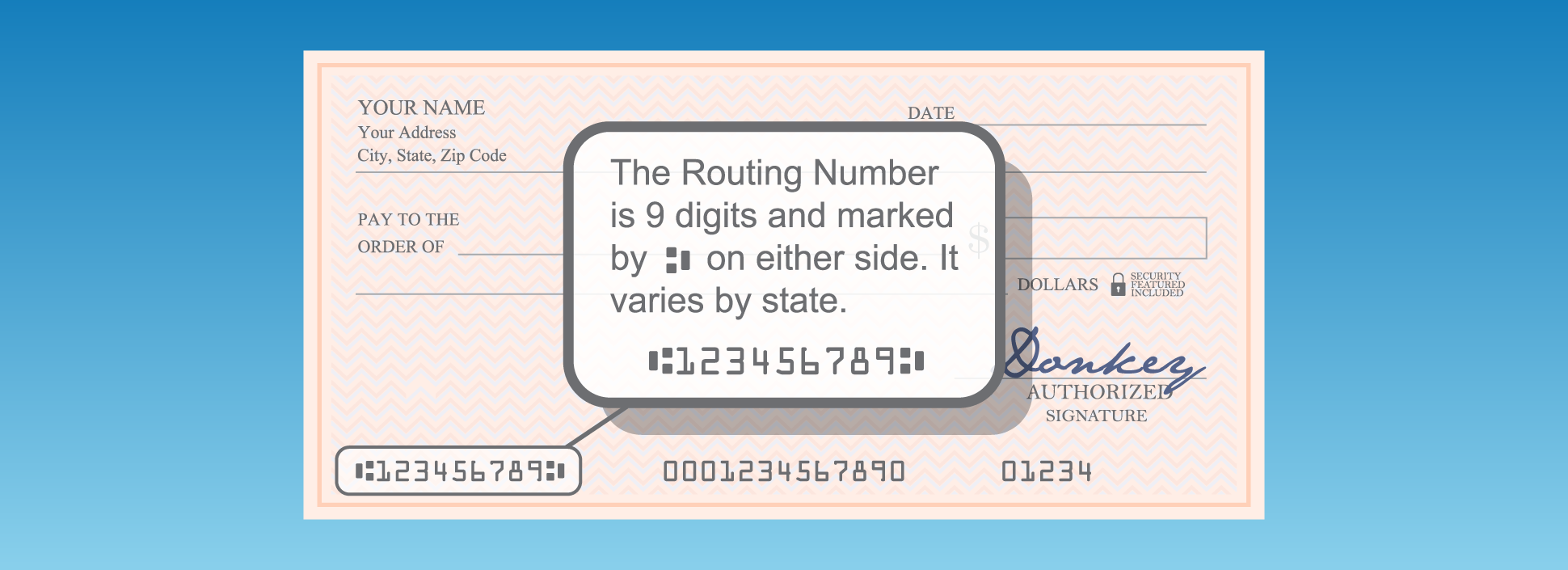
- Routing Number (ABA Routing Transit Number): This is a 9-digit code that identifies the financial institution (Chase, in this case) that holds the account. Think of it as the bank’s address. It directs where the funds should go institution-wise. A bank may have several routing numbers depending on the type of transaction (e.g., wire transfer vs. ACH) or the geographic location where the account was opened.
- Account Number: As discussed, this identifies your specific account within that financial institution. Once the routing number guides the funds to Chase, the account number ensures they reach your particular checking or savings account.
Both numbers are typically required for transactions like direct deposits and wire transfers, as they work in tandem to ensure funds reach the correct account at the correct bank. Misidentifying one for the other can lead to delays, returned funds, or, in severe cases, funds being sent to an incorrect recipient.
Digital Pathways: Finding Your Account Number Online and Via Mobile
In today’s digital age, the quickest and most convenient ways to find your Chase account number are often through their online banking portal or mobile application. These platforms offer secure and instant access to your account details.
Through Chase Online Banking (Website)
Chase’s robust online banking platform provides a secure gateway to all your account information, including your account number.
- Log In: Navigate to the official Chase website (www.chase.com) and log in to your account using your User ID and Password. If you haven’t set up online access, you’ll need to enroll first.
- Select Your Account: Once logged in, you’ll see a dashboard listing all your Chase accounts. Click on the specific checking or savings account for which you need the account number.
- Navigate to Account Details: Look for an option like “See Account Details,” “Account Services,” or a similar link, usually located within the account summary page. This might be a small link or a tab.
- Locate Account Number: In the account details section, you should find your account number clearly displayed. Chase often presents both your account number and the applicable routing number in this section for your convenience.
- Security Note: Be cautious about copying and pasting this information into unsecured documents or emails. Always verify the website’s authenticity (look for “https://” and the padlock icon) before entering your login credentials.
Using the Chase Mobile App
The Chase Mobile App offers a streamlined experience for managing your finances on the go, including quick access to your account number.
- Download and Log In: Ensure you have the latest Chase Mobile App downloaded on your smartphone or tablet. Log in using your User ID and Password, or via biometric authentication (fingerprint, face ID) if enabled.
- Select Account: From the app’s home screen, tap on the specific account (e.g., “Checking Account”) for which you need the number.
- View Account Details: Look for an icon or option that typically says “Show Details,” “Account Info,” or a small ‘i’ (information) icon. Often, this is found by tapping on the account itself, then scrolling down or looking for a settings/details gear icon.
- Retrieve Account Number: Your account number will be displayed, often masked initially for security (e.g., showing only the last few digits). You might need to tap an “unmask” or “show full number” option to reveal it entirely. The routing number for your account will usually be listed alongside it.
- Security Precaution: Only use the official Chase Mobile App. Be wary of public Wi-Fi networks when accessing sensitive financial information.
Accessing eStatements Online
Your electronic bank statements are another reliable source for finding your Chase account number.
- Access Statements: Within Chase Online Banking (website) or the mobile app, navigate to the “Statements & Documents” or “Paperless” section.
- Select a Statement: Choose any recent statement for the account in question.
- View PDF: The statement will typically open as a PDF document. Your full account number is almost always prominently displayed near the top of the statement, usually alongside your name and address.
- Download/Print Safely: If you need to download or print the statement, do so on a secure device and ensure proper disposal of physical copies.
Traditional Methods: Physical Documents and Direct Contact
While digital access is convenient, there are several traditional methods to find your Chase account number that don’t require an internet connection or a smartphone. These methods are particularly useful if you prefer physical documentation or need personalized assistance.
Checking Your Paper Bank Statements
If you still receive paper bank statements from Chase, they are a definitive source for your account number.
- Locate a Recent Statement: Find a recent paper statement for the relevant checking or savings account.
- Examine the Header: Your full account number is typically printed near the top of the statement, often close to your name, address, and the statement date. It will usually be clearly labeled as “Account Number.”
- Routing Number: The routing number for your account is also usually present on your statement, often near the account number or at the bottom.
- Retention Policy: It’s good practice to keep bank statements in a secure location for tax purposes and financial record-keeping. Shred old statements once they are no longer needed to prevent identity theft.
Locating It on Your Personal Checks
For checking accounts, your personal checks are an immediate and common source for your account number.
- Examine a Check: Take out one of your personal checks.
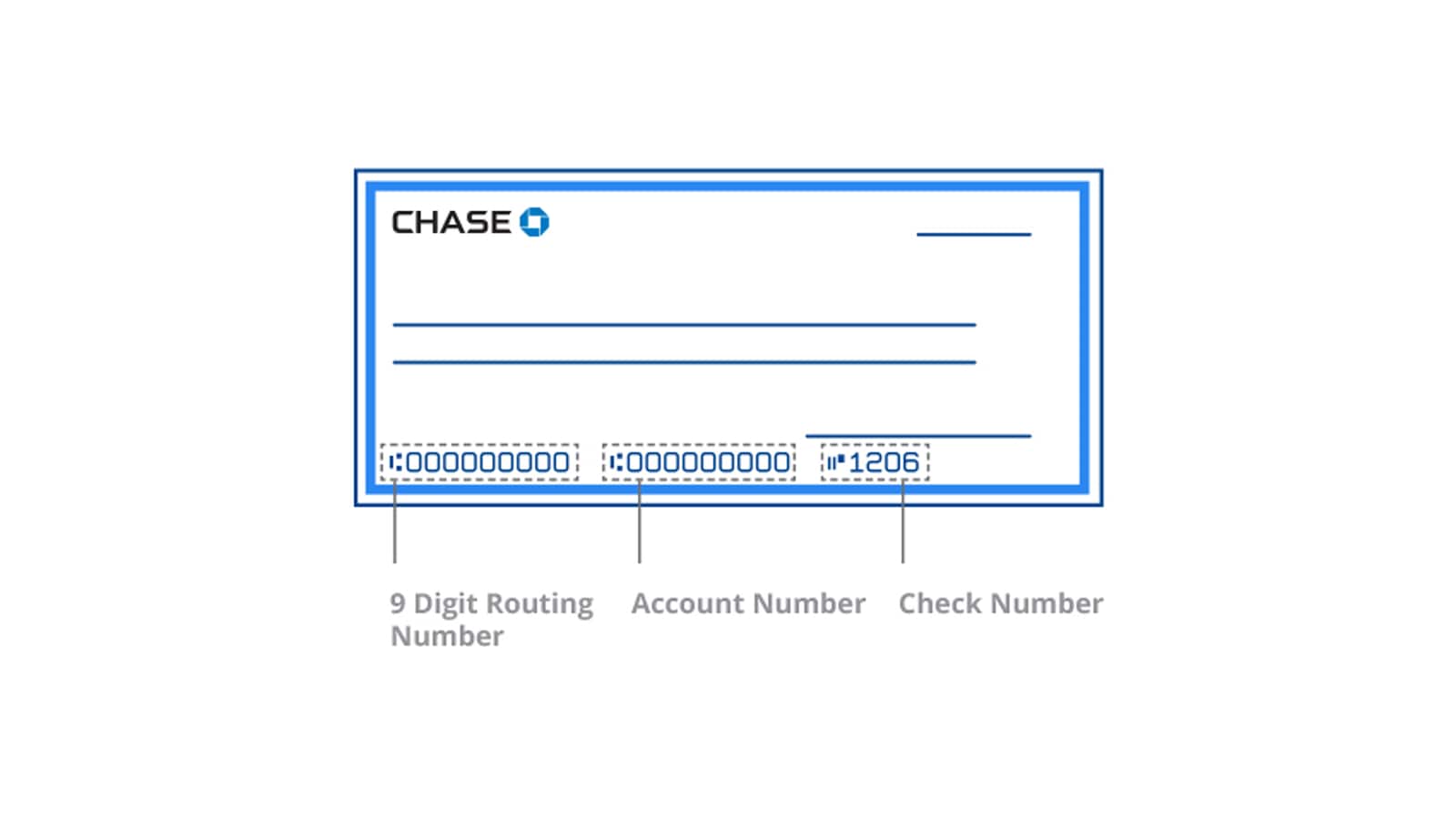
- Identify the MICR Line: Look at the bottom of the check. You’ll see a series of numbers printed in a special font (Magnetic Ink Character Recognition or MICR line).
- Interpret the Numbers:
- The first set of numbers (usually nine digits) on the left is typically your routing number.
- The second set of numbers, immediately following the routing number, is your account number.
- The third set of numbers (sometimes at the very end or interspersed) is the check number.
- Caution: This method is only for checking accounts. Savings accounts do not have associated checks. Remember that your full account number is visible to anyone you write a check to, so exercise discretion.
Contacting Chase Customer Service
If digital methods and physical documents are inaccessible or you need further assistance, Chase’s customer service team can help.
- Prepare Information: Before calling, gather some personal identification information. This will likely include your full name, address, date of birth, and potentially the last four digits of your Social Security Number to verify your identity.
- Call the Official Number: Dial Chase’s official customer service number. You can find this on the back of your debit card, on your bank statements, or on the official Chase website. Avoid using numbers from unofficial sources.
- Follow Prompts: Navigate through the automated menu to speak with a representative regarding account information.
- Speak with Agent: Once connected, explain that you need your account number. The agent will ask verification questions. Once verified, they can provide the number.
- Note Down Safely: Have a pen and paper ready to securely write down the number once provided.
Visiting a Chase Branch
For those who prefer face-to-face interaction or require in-person assistance, visiting a local Chase branch is a viable option.
- Find a Branch: Use the Chase website or mobile app’s branch locator to find the nearest Chase branch.
- Bring ID: Bring at least one form of valid, government-issued photo identification (e.g., driver’s license, passport). Some branches may require two forms of ID.
- Speak with a Banker: Approach a customer service representative or banker, explain your need, and present your identification.
- Receive Assistance: Once your identity is verified, the banker can securely retrieve and provide your account number. They can also assist with any other account-related queries you might have.
Security Best Practices and Safeguarding Your Financial Information
Your Chase account number, like your Social Security Number or credit card details, is highly sensitive financial information. Protecting it from unauthorized access is paramount to preventing fraud and identity theft.
Why Account Numbers Are Sensitive Data
An account number, especially when paired with a routing number, can be used to initiate transactions from your account. While it’s typically not enough on its own for full-blown identity theft, it can be exploited in various ways:
- Unauthorized Debits: Malicious actors could potentially set up unauthorized automated debits from your account if they possess both your account and routing numbers.
- Phishing Scams: Scammers might attempt to trick you into revealing additional personal information by pretending to be your bank and requesting your account number.
- Fraudulent Checks: If your account number falls into the wrong hands, it could be used to create fraudulent checks.
Protecting Your Online Credentials
Most incidents of unauthorized account access stem from compromised login credentials.
- Strong, Unique Passwords: Use complex passwords that combine uppercase and lowercase letters, numbers, and symbols. Never reuse passwords across different financial accounts.
- Two-Factor Authentication (2FA): Always enable 2FA on your Chase online banking account. This adds an extra layer of security, typically requiring a code sent to your phone or email in addition to your password.
- Beware of Phishing: Be extremely cautious of emails, texts, or calls claiming to be from Chase that ask for your account number, password, or other sensitive details. Chase will rarely ask for this information directly via unsolicited communication. Always verify the sender and, if in doubt, contact Chase directly using official numbers.
- Secure Devices: Only access your banking information on secure, trusted devices with up-to-date antivirus software and operating systems. Avoid public computers or Wi-Fi for sensitive transactions.
Secure Storage of Physical Documents
Physical documents containing your account number also pose a risk if not handled properly.
- Secure Location: Keep paper statements, checkbooks, and any other documents with your account number in a locked drawer, safe, or secure filing cabinet at home.
- Shred, Don’t Trash: When disposing of old bank statements, voided checks, or any document containing your account number, use a cross-cut shredder. Simply tearing or throwing them in the trash leaves you vulnerable.
- Checkbook Management: Keep your checkbook in a secure place and monitor your checks for any missing numbers.
What to Do if You Suspect Fraud
If you believe your Chase account number or any other personal financial information has been compromised:
- Contact Chase Immediately: Call Chase’s fraud department or customer service hotline as soon as possible. Explain the situation and follow their instructions.
- Monitor Your Accounts: Regularly review your account activity for any suspicious or unauthorized transactions. Set up transaction alerts with Chase.
- Change Passwords: Immediately change your online banking password and any other passwords that might be linked.
- Consider a Fraud Alert: You might consider placing a fraud alert on your credit reports with the three major credit bureaus (Equifax, Experian, TransUnion).
Streamlining Access: Tips for Future Reference
Once you’ve successfully located your Chase account number, you can take steps to make it more accessible for future needs while maintaining robust security.
Setting Up Quick Access in Digital Banking
Leverage Chase’s digital tools to make account information easily viewable when needed.
- Favorite Accounts: In online banking or the mobile app, you might be able to mark certain accounts as “favorites” for quicker access to their details.
- Nickname Accounts: Give your accounts distinct nicknames (e.g., “Main Checking,” “Savings for Vacation”) to quickly identify which account number you need when you have multiple Chase accounts.
- Understanding Display Masking: Remember that for security, your full account number is often masked (e.g., ****1234) in the app or website. You’ll typically need to click or tap an option to reveal the full number, ensuring you’re intentionally viewing sensitive data.
Creating a Secure Personal Reference
While not recommended for everyone, some individuals choose to create a secure personal reference for their account number.
- Encrypted Document: If you must keep a digital copy, store it in a highly encrypted document or password manager that uses strong encryption protocols.
- Physical Note: A small, securely stored physical note (e.g., in a locked safe or strongbox) can be an option, but ensure it’s not readily identifiable as an account number and is only known to you. Never write it on something that could be easily lost or stolen, like a wallet card.
- Memorization: For those with excellent memory, memorizing the number can be the most secure “storage” method, but this is often impractical.

When to Avoid Sharing Your Account Number
Knowing when not to share your account number is as important as knowing how to find it.
- Unsolicited Requests: Never provide your account number in response to unsolicited emails, texts, or phone calls, even if they claim to be from Chase or a government agency.
- Public Forums/Social Media: Never, under any circumstances, post or share your account number on social media, public forums, or unencrypted messaging apps.
- Untrusted Websites: Be extremely cautious when entering your account number on third-party websites. Only use trusted, reputable sites that clearly indicate a secure connection (HTTPS).
- Informal Requests: While an employer or legitimate biller will need your account number, be wary of informal requests from individuals, especially if you don’t fully trust them or understand their purpose. Always verify the legitimacy of the request and the requesting entity.
By understanding the various methods to locate your Chase account number and adopting a proactive approach to security, you can confidently manage your financial affairs and protect yourself against potential threats. Your account number is a powerful tool; treat it with the respect and security it deserves.
aViewFromTheCave is a participant in the Amazon Services LLC Associates Program, an affiliate advertising program designed to provide a means for sites to earn advertising fees by advertising and linking to Amazon.com. Amazon, the Amazon logo, AmazonSupply, and the AmazonSupply logo are trademarks of Amazon.com, Inc. or its affiliates. As an Amazon Associate we earn affiliate commissions from qualifying purchases.