
Understanding the true worth of your vehicle is a cornerstone of responsible personal finance. Whether you’re contemplating selling, trading it in for a new model, seeking an insurance policy, or simply evaluating your overall net worth, an accurate car valuation provides critical insight. Your car isn’t just a mode of transport; for many, it’s one of their most significant depreciating assets, and knowing its value empowers you to make smarter financial decisions. This guide will walk you through the multifaceted process of determining your car’s value, delving into the factors that influence it, the most reliable tools available, and strategies to approach real-world scenarios.

Understanding the Factors That Drive Car Value
Before diving into specific tools, it’s essential to grasp the core elements that dictate a vehicle’s market value. This isn’t just about age and mileage; a complex interplay of various characteristics shapes what someone is willing to pay.
Make, Model, and Year
These are the foundational identifiers. Certain makes and models inherently hold their value better due to brand reputation for reliability, fuel efficiency, safety, or luxury. A newer vehicle, naturally, will command a higher price than an older one, assuming similar condition. Depreciation is steepest in the first few years, often losing 15-20% in the first year alone and up to 60% after five years.
Mileage and Condition
Mileage is perhaps the most straightforward indicator of wear and tear. A lower odometer reading almost always translates to higher value. However, condition goes beyond just miles. Is the interior pristine or showing significant wear? Are there dents, scratches, or rust on the exterior? The mechanical health – engine, transmission, brakes, tires – is paramount. A car with a full service history indicating diligent maintenance will always be more appealing and valuable than one with an unknown past.
Features and Trim Level
The specific trim level of your car, along with any optional features, can significantly influence its value. A base model sedan will fetch less than the same model with a premium trim, leather seats, a sunroof, advanced driver-assistance systems (ADAS), or a more powerful engine. High-demand features like all-wheel drive in snowy regions or specific technology packages can add considerable value.
Location and Market Demand
The local market plays a surprisingly significant role. A convertible might fetch a higher price in Florida than in Alaska, just as an SUV might be more valuable in a mountainous region. Economic conditions, fuel prices, and regional preferences for certain vehicle types (e.g., trucks in rural areas) also influence demand. A car that is highly sought after in your specific area will naturally command a better price than one with limited appeal.
Accident History and Title Status
A vehicle’s history report is non-negotiable for most buyers. Any record of accidents, especially those involving significant damage, will almost certainly reduce its value. The type of title is also critical: a “clean” title indicates no major issues, while a “salvage,” “rebuilt,” or “flood” title signifies a car that has been declared a total loss by an insurance company at some point, severely impacting its marketability and value.
Popular Online Valuation Tools and Resources
In the digital age, a wealth of online tools has emerged to help consumers estimate car values. These platforms leverage vast databases of sales data, market trends, and proprietary algorithms to provide robust estimates.
Kelley Blue Book (KBB)
KBB is arguably the most recognized name in car valuation. It offers several key valuations:
-
Private Party Value: What you can expect to sell your car for to an individual buyer.
-
Trade-In Value: The amount a dealership is likely to offer you if you trade your car in towards a new purchase. This is typically lower than private party value.
-
Retail Value: What you could expect to pay for a similar car from a dealership.
KBB’s strength lies in its comprehensive approach, allowing you to input specific details about your car’s condition, features, and mileage to get tailored estimates.
Edmunds
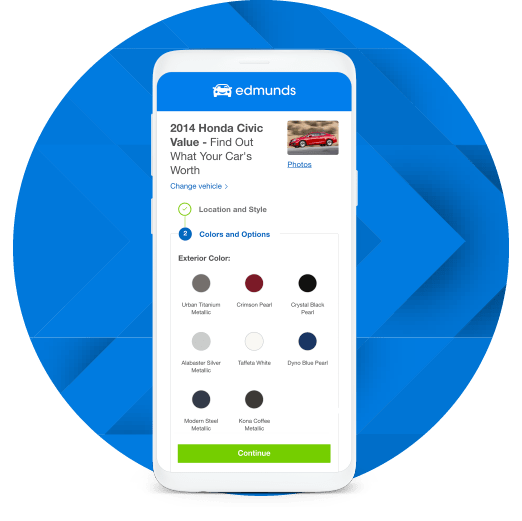
Edmunds provides an equally robust valuation tool, often referred to as the “True Market Value®” (TMV®). Like KBB, Edmunds considers factors like condition, mileage, and features. Its strength often lies in providing more detailed insights into what vehicles are actually selling for in your specific area, drawing on recent transaction data. Edmunds is also excellent for research on new and used cars, offering detailed reviews and comparisons.
NADAguides
NADAguides (National Automobile Dealers Association) is frequently used by dealerships, banks, and insurance companies. It tends to focus more on wholesale and trade-in values. While individual consumers can access their valuation tools, NADA values might sometimes appear higher than KBB or Edmunds for retail, as they can represent a “clean trade-in” value, assuming excellent condition and often not fully accounting for all regional market nuances that private sellers face. It’s a useful benchmark, especially if you’re exploring a trade-in.
CarGurus/AutoTrader
These platforms aren’t primarily valuation tools in the traditional sense, but they are invaluable for market-based pricing. By allowing you to search for identical or highly similar vehicles for sale in your local area, they show you what actual cars are listed for by both private sellers and dealerships. This provides a real-time snapshot of market demand and pricing, offering a practical complement to algorithm-based estimates. You can filter by make, model, year, mileage, features, and condition to find highly comparable listings.
Carfax/AutoCheck
While not direct valuation tools, Carfax and AutoCheck provide critical vehicle history reports that heavily influence value. A clean report, showing no accidents, consistent maintenance records, and a clear title, can boost confidence and value. Conversely, a report detailing accidents, title issues, or gaps in service history will significantly depress a car’s worth. Always obtain one of these reports, whether you’re buying or selling.
The Nuances of Different Car Values
It’s crucial to understand that “car value” isn’t a single, fixed number. Depending on the context, your car can have several distinct values.
Private Party Value
This is the highest value you can typically expect to receive for your car. It represents the price a private individual is willing to pay you directly, without a dealership acting as a middleman. Selling privately usually requires more effort on your part – advertising, negotiating, and handling paperwork – but the reward is often a higher financial return compared to a trade-in.
Trade-In Value
When you sell your car to a dealership as part of a transaction for a new or used vehicle, you’re getting its trade-in value. This is almost always lower than the private party value. Dealerships need to recondition the vehicle, market it, and make a profit, so they factor these costs into their offer. While lower, it offers convenience: no private selling hassle, potential tax savings (in some states, you only pay sales tax on the difference between the new car’s price and your trade-in value), and a quick transaction.
Retail Value
This is what a dealership would typically ask for if they were selling your car on their lot. It’s the highest of the three values because it includes the dealership’s overhead, reconditioning costs, warranty (if any), and profit margin. If you’re buying a used car, this is the figure you’ll be negotiating against.
Insurance Actual Cash Value (ACV)
In the unfortunate event your car is declared a total loss due to an accident, theft, or natural disaster, your insurance company will pay out its Actual Cash Value (ACV). This is generally defined as the car’s replacement cost minus depreciation. Insurers use their own valuation methods, often drawing on data from sources like CCC Information Services or Mitchell International, which track sales of similar vehicles in your area. ACV can sometimes be a point of contention, highlighting the importance of understanding market values yourself.
Beyond Online Tools: Real-World Valuation Strategies
While online tools are excellent starting points, a holistic approach to valuation involves real-world checks and strategic considerations.
Get Multiple Dealer Appraisals
If you’re considering a trade-in, don’t settle for the first offer. Visit several dealerships – even if you don’t intend to buy from them – and get their appraisal. Different dealerships may have different needs for specific inventory, leading to varying offers. You can then use the highest offer as leverage in negotiations. Be clear that you’re just looking for an appraisal, not necessarily to buy a car that day.
Research Comparable Local Listings
The internet has revolutionized market transparency. Use sites like CarGurus, AutoTrader, and even Facebook Marketplace to search for cars identical or highly similar to yours that are currently for sale in your area. Pay close attention to factors like mileage, condition, trim level, and any unique features. This gives you a direct pulse on what the market is currently bearing, helping you price your car competitively if selling privately or gauge fairness if buying.
Consider a Professional Inspection
For older vehicles, high-mileage cars, or those with potential issues, a pre-purchase or pre-sale inspection by an independent mechanic can be invaluable. If selling, a clean bill of health from a trusted third party can reassure buyers and justify a higher asking price. If buying, it can uncover hidden problems that would impact the car’s true value and give you leverage for negotiation.
Factor in Seasonal and Economic Trends
The timing of your sale or purchase can influence value. Convertibles might fetch more in spring, while SUVs with all-wheel drive might see increased demand in winter. Broader economic trends, such as rising fuel prices, can depress the value of gas-guzzling vehicles. Keep an eye on the used car market; sometimes, inventory shortages (like those seen during the pandemic) can temporarily inflate used car values. Patience can be a virtue in optimizing your car’s financial outcome.
Maximizing Your Car’s Value Before Selling
Once you have a good handle on your car’s value, there are proactive steps you can take to enhance its appeal and potentially command a higher price, particularly if selling privately.
Thorough Cleaning and Detailing
First impressions are everything. A deep clean, both interior and exterior, is one of the most cost-effective ways to increase perceived value. Detail the cabin, vacuum thoroughly, clean all surfaces, and wash/wax the exterior. Remove all personal items. This signals to potential buyers that you’ve cared for the car.
Addressing Minor Repairs
Small, inexpensive fixes can often yield a disproportionately high return on investment. Replace burnt-out light bulbs, repair minor dings or scratches, fix a sticky window switch, or replace worn wiper blades. These small issues can create an impression of neglect, even if the car is mechanically sound. Decide if larger repairs (like a major dent) are worth the cost versus the potential increase in selling price.
Gathering Service Records
A comprehensive paper trail of maintenance and repair records is gold. It provides tangible proof that you’ve consistently cared for the vehicle, boosting buyer confidence and justifying its asking price. Organize these documents neatly to present to serious buyers.

Taking Quality Photos
For online listings, high-quality photographs are crucial. Take clear, well-lit photos from various angles – exterior, interior, engine bay, trunk, and any unique features. Make sure the car is clean and presented attractively. Photos taken in good daylight, perhaps against a neutral background, will perform best.
Knowing your car’s value isn’t just about curiosity; it’s a vital component of sound personal financial management. By understanding the factors that influence value, utilizing reliable online tools, applying real-world valuation strategies, and taking steps to prepare your vehicle, you can confidently navigate any car-related financial decision, ensuring you get the most out of your asset.
aViewFromTheCave is a participant in the Amazon Services LLC Associates Program, an affiliate advertising program designed to provide a means for sites to earn advertising fees by advertising and linking to Amazon.com. Amazon, the Amazon logo, AmazonSupply, and the AmazonSupply logo are trademarks of Amazon.com, Inc. or its affiliates. As an Amazon Associate we earn affiliate commissions from qualifying purchases.