
In the modern financial landscape, your bank account number is one of the most critical pieces of data you possess. It serves as the unique identifier for your funds within the global banking system, acting as the “address” where your money resides. Whether you are setting up a direct deposit for a new job, authorizing an automated bill payment, or linking a third-party investment app, you will inevitably need to produce this multi-digit string.
While it might seem like a simple piece of information, many consumers find themselves searching fruitlessly through apps and paperwork to find it. This guide provides a deep dive into the various methods for locating your bank account number, the structural differences between banking identifiers, and the essential security protocols required to keep this information safe.
Locating Your Account Number Through Physical Documents
Despite the rapid shift toward digital-first banking, physical documents remain one of the most reliable ways to find your account information. These documents are often the “source of truth” for your financial records.
The Anatomy of a Personal Check
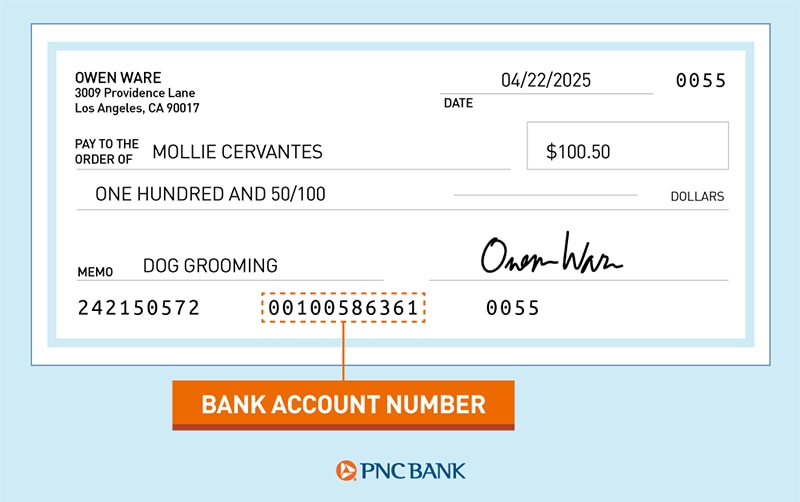
The most traditional method of finding your account number is by looking at a personal check. If you still carry a checkbook, the information is printed at the very bottom using a specialized font known as MICR (Magnetic Ink Character Recognition).
When you look at the bottom of a check, you will typically see three distinct sets of numbers. The first set (usually nine digits) is the Routing Transit Number (RTN), which identifies your specific bank. The second set, often separated by a unique symbol, is your bank account number. The third, shorter set is the check number itself. It is important to note that the order can occasionally vary depending on the bank, so look for the sequence that matches the length of a standard account number—usually between 8 and 12 digits.
Monthly Bank Statements
Every month, your financial institution generates a statement of activity. Whether you receive this via postal mail or download it as a PDF, your account number will be clearly listed, usually in the top right or left corner of the first page. For security reasons, some banks may “mask” the first several digits (e.g., ****5678), but full statements intended for your records typically provide the complete number. These statements are official legal documents and are often the preferred method for verifying account details for mortgage applications or large wire transfers.
Account Opening Paperwork and Welcome Kits
If you have recently opened an account, your “Welcome Kit” or the initial disclosure agreement you signed will contain your account number. This paperwork is vital because it often includes specific sub-account numbers if you have opened multiple products (like a checking and savings account simultaneously). Keeping a physical or digital folder of these opening documents is a hallmark of good personal financial management.
Digital Methods: Finding Your Number via Online and Mobile Banking
As we move further into the era of FinTech, most users interact with their money through screens. Banking apps have made accessing account details faster, though security measures sometimes hide these numbers behind a few layers of navigation.
Navigating the Mobile Banking App
For the majority of users, the mobile app is the first point of contact. Once you have authenticated your identity via biometric login (FaceID or fingerprint) or a passcode, you can usually find your account number by tapping on the specific account (e.g., “Total Checking”).
Look for a tab or link labeled “Account Details,” “Info,” or “Settings.” To prevent shoulder surfing—where someone looks over your shoulder in public—many apps default to a masked view. Look for an icon that resembles an eye; tapping this will reveal the full account number.
Using the Online Web Portal
If you are working from a desktop, logging into your bank’s official website offers a more comprehensive view of your financial data. Once logged in, the account number is usually visible on the main dashboard or within the “Statements and Documents” section. The benefit of using the web portal is the ease of “copy and paste,” which reduces the risk of manual entry errors when setting up external transfers or linking brokerage accounts.
Digital Wallets and Third-Party Integrations
In some cases, if you have linked your bank account to a digital wallet or a peer-to-peer payment app (like Venmo or PayPal), you may be able to see the last four digits of the account. However, for security reasons, these apps rarely show the full account number. If you need the full number, you must return to the primary source: your bank’s own digital infrastructure.

Understanding the Difference: Account Number vs. Routing Number vs. IBAN
To manage your money effectively, you must understand that an account number does not function in a vacuum. It is part of a larger ecosystem of identifiers that ensure money reaches the correct destination.
What is a Routing Number?
While your account number identifies you, the routing number identifies your bank. In the United States, the ABA (American Bankers Association) routing number is a nine-digit code used to direct funds through the Federal Reserve’s electronic systems. You cannot complete a transaction with just one or the other; they are two halves of a whole. Think of the routing number as the zip code and the account number as the specific street address.
The Unique Role of the Account Number
Unlike routing numbers, which are shared by every customer at a specific branch or region of a bank, your account number is unique to you. It is the internal ledger number that the bank uses to track your specific deposits, withdrawals, and interest accruals. Because it is unique, it is the primary piece of information used for “ACH” (Automated Clearing House) transactions, which handle everything from your paycheck to your utility bills.
International Considerations: SWIFT and IBAN
If you are receiving money from abroad or sending funds to a different country, a standard account and routing number may not suffice. Most of the world uses the IBAN (International Bank Account Number) system. An IBAN integrates your account number into a longer alphanumeric string that includes a country code and bank code. Similarly, the SWIFT/BIC code is used for international wire transfers. Understanding these distinctions is vital for anyone engaged in the global economy or remote international work.
Security Best Practices for Your Bank Account Information
Because your bank account number is a direct gateway to your liquid assets, it must be treated with the same level of confidentiality as your Social Security Number.
Why Your Account Number is a Target for Fraud
In the hands of a bad actor, an account number and a routing number are often enough to initiate “unauthorized ACH debits.” While banks have fraud detection systems in place, a criminal could theoretically use your account number to pay their own bills or print fraudulent checks. Protecting this number is your first line of defense against identity theft.
Safe Storage and Disposal of Financial Documents
If you prefer paper statements, ensure they are stored in a locked filing cabinet or a fireproof safe. When it comes time to dispose of them, never simply throw them in the trash. Use a cross-cut shredder to destroy any document that contains your full account number. This prevents “dumpster diving,” a low-tech but highly effective method used by identity thieves.
Digital Hygiene: Multi-Factor Authentication (MFA)
In the digital realm, your account number is protected by your login credentials. To ensure that only you can see your account details, always enable Multi-Factor Authentication (MFA). This requires a second form of verification—such as a code sent to your mobile device—before granting access to your banking portal. Furthermore, avoid accessing your bank account over public Wi-Fi networks, as these are often unencrypted and susceptible to “man-in-the-middle” attacks.
What to Do If You Can’t Find Your Account Number
There are instances where the standard methods fail. Perhaps you’ve lost your checkbook, you’re locked out of your app, and you haven’t received a paper statement yet.
Contacting Customer Service
The most direct route is to call your bank’s customer service line. However, be prepared for a rigorous identity verification process. The representative will likely ask for your Social Security Number, your date of birth, and recent transaction history before they will read your account number over the phone. Some banks, for security reasons, will refuse to provide the full number via phone and will instead offer to mail a physical letter to the address on file.
Visiting a Local Branch
If you live near a physical branch of your financial institution, visiting in person is the most secure way to retrieve your information. By presenting a valid government-issued ID (such as a driver’s license or passport), a banker can provide you with your full account and routing details on official letterhead. This is often the fastest way to get verified information if you are in the middle of a time-sensitive financial closing.

Handling Lost or Stolen Information
If you believe your account number has been compromised—perhaps because you lost your checkbook or noticed a suspicious login—finding the number is less important than changing it. In cases of potential fraud, banks will typically close the compromised account and issue you a brand-new account number. This process involves transferring your balance to the new “clean” account and requires you to update all your direct deposits and automated payments.
In conclusion, knowing how to find and protect your bank account number is a fundamental pillar of financial literacy. By mastering the use of physical documents, digital tools, and security protocols, you ensure that your financial “address” remains accessible to you and closed to those who would seek to exploit it. Whether you are building wealth through automated investments or simply managing daily expenses, your account number is the foundation upon which your financial life is built.
aViewFromTheCave is a participant in the Amazon Services LLC Associates Program, an affiliate advertising program designed to provide a means for sites to earn advertising fees by advertising and linking to Amazon.com. Amazon, the Amazon logo, AmazonSupply, and the AmazonSupply logo are trademarks of Amazon.com, Inc. or its affiliates. As an Amazon Associate we earn affiliate commissions from qualifying purchases.