
In the modern financial landscape, your bank account number is the “digital coordinates” for your money. Whether you are setting up a direct deposit for a new job, authorizing an electronic bill payment, or initiating a wire transfer, this unique identifier is essential for ensuring funds reach the correct destination. Despite its importance, many consumers find themselves searching for this number at the last minute, often confusing it with their debit card number or the bank’s routing number.
Understanding how to efficiently locate your account number—and how to keep it secure—is a foundational skill in personal finance management. This guide explores the multiple avenues available to retrieve your account information, the distinctions between various banking digits, and the best practices for maintaining your financial security.
Traditional Physical Methods for Locating Your Account Number
Before the advent of high-speed mobile banking, physical documents were the primary way to track financial information. For many, these traditional methods remain the most reliable “hard copy” evidence of their account details.
The Bottom of a Personal Check
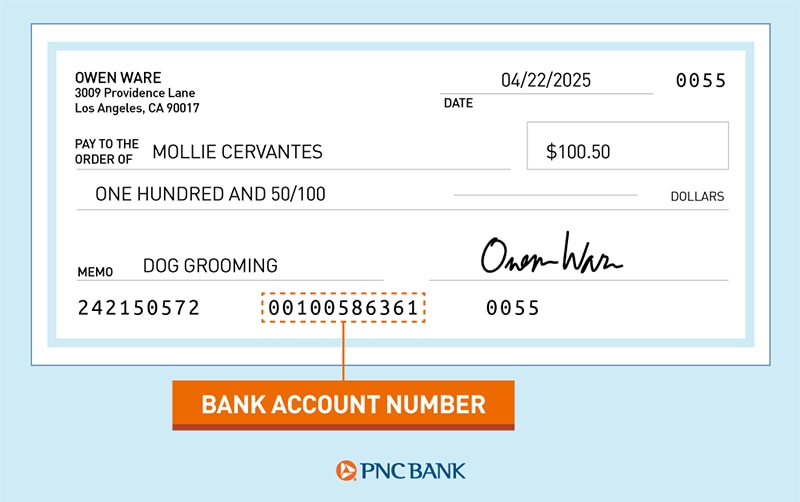
If you still use paper checks, the most straightforward way to find your account number is by looking at a blank check. At the bottom of every check, there is a string of numbers printed in a specialized font (known as MICR). These numbers are organized into three distinct groups:
- The Routing Number: This is a nine-digit number, usually found on the far left. It identifies your specific financial institution.
- The Account Number: Usually located in the middle, this number varies in length (typically between 8 and 12 digits, though it can be longer). This is the unique identifier for your specific account.
- The Check Number: Found on the far right, this corresponds to the sequence of checks in your book.
Monthly Bank Statements
Every month, your bank generates a statement summarizing your transactions. Whether you receive these via mail or download them as PDFs, the account number is prominently displayed. It is typically found at the top of the first page under a header labeled “Account Summary” or “Account Number.” Note that for security purposes, some banks may “mask” the first few digits (e.g., XXXXXX1234) on the paper statement. If you need the full number, you may need to refer to your original account opening documents.
Account Opening and Welcome Packages
When you first open a checking or savings account, the bank provides a “Welcome Kit” or a series of disclosure documents. These papers contain the full, unmasked account number along with other vital information such as the terms and conditions and the fee schedule. Keeping these documents in a secure file at home is an excellent backup strategy for when digital systems are inaccessible.
Digital Access and Mobile Banking Solutions
As we move toward a cashless and digital-first society, most consumers prefer to manage their money via smartphones and computers. Banking apps have made retrieving sensitive information faster and more convenient than ever before.
Using Your Bank’s Mobile App
Mobile banking apps are designed for efficiency. To find your account number here, you typically follow these steps:
- Log in using biometric authentication or your password.
- Tap on the specific account (e.g., “Primary Checking”) you wish to view.
- Look for a button or tab labeled “Account Details,” “Details,” or “Settings.”
- Within this menu, your full account number should be visible. Many apps include a “Show” or “Eye” icon that you must tap to unmask the full number, preventing onlookers from seeing your sensitive data.
Online Banking Portals
If you are working from a desktop or laptop, logging into your bank’s official website provides a comprehensive view of your financial profile. Once logged in, the account number is usually listed on the main dashboard next to the account nickname. If it is masked, clicking on the account name will usually take you to an “Account Information” page where the full number can be revealed. This is also where you can find “Voided Check” templates, which are often required by HR departments for payroll setup.
E-Statements and Digital Archives
If you have opted out of paper mail, your bank’s website will have an “Archives” or “Statements” section. Here, you can download a PDF of your most recent statement. Unlike the main dashboard, which might hide digits for security, the downloadable official statement usually contains the necessary information for official financial transactions.

Direct Assistance and Institutional Support
There are times when technology fails, or physical documents are misplaced. In these instances, reaching out directly to your financial institution is the most secure way to recover your account details.
Visiting a Local Bank Branch
For those who prefer face-to-face interaction, visiting a physical branch is the most secure method. You will need to provide a valid, government-issued photo ID (such as a driver’s license or passport). A personal banker can then verify your identity and provide you with a printed document containing your routing and account numbers. This is also an opportune time to ask questions about your account status or update your contact information.
Contacting Customer Service
If you cannot visit a branch, you can call the customer service number on the back of your debit card. Be prepared for a rigorous verification process. The representative will likely ask for your Social Security number, your date of birth, and perhaps details about your recent transactions (e.g., “What was the approximate amount of your last deposit?”).
It is important to note that for security reasons, some banks have policies against reading the full account number over the phone. Instead, they may offer to mail a physical letter to your address on file or help you regain access to your online banking portal where you can view it yourself.
Security Best Practices for Your Financial Credentials
Your account number, combined with a routing number, is all someone needs to initiate an ACH (Automated Clearing House) transfer out of your account. Therefore, treating this number with the same level of care as your Social Security number is vital for your financial health.
Protecting Your Information from Prying Eyes
In the digital age, “shoulder surfing” and screen-recording malware are real threats. Never access your bank account information over public Wi-Fi networks (like those in coffee shops or airports) without a VPN. Furthermore, avoid saving your account number in plain-text files or note-taking apps on your phone. If you must store it digitally, use a reputable password manager that encrypts your data.
Knowing When to Share Your Account Number
You should only provide your account and routing numbers to trusted entities. Common legitimate uses include:
- Employers: For direct deposit of your paycheck.
- Government Agencies: For tax refunds or social security payments.
- Utility and Insurance Companies: For setting up automated bill payments.
- Brokerages: For transferring funds to an investment or retirement account.
Be wary of any unsolicited email or phone call asking for these details. Legitimate banks will never call you and ask you to provide your account number for “verification” purposes, as they already have that information on file.
What to Do if Your Account Number is Compromised
If you suspect that your account number has fallen into the wrong hands—perhaps through a phishing scam or a lost checkbook—time is of the essence.
- Notify the Bank Immediately: They can freeze the account to prevent unauthorized withdrawals.
- Monitor Your Transactions: Look for small “test” deposits or withdrawals that scammers use to verify an account’s validity.
- Open a New Account: In many cases of identity theft, the bank will recommend closing the compromised account and moving your funds to a new account with a different number.
- Update Your Autopays: Remember to transition any direct deposits or automatic bill payments to the new account number to avoid missed payments or late fees.

Conclusion: Mastering Your Financial Identity
Finding your bank account number is a simple task that touches upon the broader themes of financial literacy and security. Whether you are pulling the number from the bottom of a check, unmasking it within a mobile app, or receiving it from a banker at a local branch, the process is designed to be accessible yet secure.
By understanding the difference between your account number (your personal ID) and the routing number (the bank’s ID), you can navigate the world of personal finance with greater confidence. Treat these digits as the keys to your financial house: keep them hidden from strangers, use them only with trusted partners, and know exactly where they are when you need them. In doing so, you ensure that your money moves exactly where it needs to go, safely and efficiently.
aViewFromTheCave is a participant in the Amazon Services LLC Associates Program, an affiliate advertising program designed to provide a means for sites to earn advertising fees by advertising and linking to Amazon.com. Amazon, the Amazon logo, AmazonSupply, and the AmazonSupply logo are trademarks of Amazon.com, Inc. or its affiliates. As an Amazon Associate we earn affiliate commissions from qualifying purchases.