
In an increasingly digital financial landscape, knowing how to quickly and securely locate your bank account number is a fundamental skill for managing your personal finances. While it might seem like a basic piece of information, many individuals find themselves searching for it when faced with specific transactions or setups. Your bank account number is a unique identifier, distinct from your debit card number or your bank’s routing number, and understanding its purpose and various retrieval methods is crucial for smooth financial operations and robust security.
This guide will walk you through all the common, secure, and direct ways to find your bank account number, ensuring you’re always prepared, whether you’re setting up direct deposit, paying a bill, or navigating an international transfer. We’ll delve into why this number is so important, where to look, what to do if you can’t find it, and how to keep it safe once you do.
The Indispensable Role of Your Bank Account Number
Your bank account number is far more than just a string of digits; it’s the core identifier for your specific financial relationship with your bank. While often overshadowed by the more frequently used debit card number, its importance becomes paramount in a variety of situations. Understanding why it’s so critical illuminates the need to know how to locate it readily.
Facilitating Everyday Financial Transactions
The bank account number is the bedrock for many essential financial operations. Think about the direct and indirect ways money moves into and out of your accounts without a physical card. Setting up direct deposit for your paycheck, for instance, requires your account number, ensuring your earnings land precisely where they should. Similarly, if you’re establishing automatic bill payments for utilities, rent, or loan repayments directly from your bank, your account number is usually the primary identifier needed for the payee to initiate withdrawals.
Beyond recurring payments, it’s also vital for one-off transfers. Sending money to a friend or family member via an electronic funds transfer (EFT) service, or receiving a refund from a company directly to your bank, often necessitates providing this number. Businesses also rely on it for processing certain payments, like when you pay a vendor via ACH transfer. Without your accurate account number, these critical financial arteries would simply not connect, leading to delays and potential financial complications.
Ensuring Security and Identity Verification
While its public dissemination should be limited, your bank account number plays a quiet but significant role in verifying your identity and securing your funds. When you call your bank for customer service, after initial authentication (like asking for your name and date of birth), they might ask for your account number to specifically access your details and discuss sensitive transactions. This is a layer of security, confirming you are who you say you are and preventing unauthorized access to your financial information.
In cases of suspected fraud or dispute, having immediate access to your account number can expedite investigations. It helps your bank pinpoint the exact account affected and trace transactions more efficiently. Furthermore, when you’re setting up new financial services – perhaps opening a brokerage account or applying for a loan – your bank account number is often requested to link your new service to your primary checking or savings account, serving as a trusted point of verification for your financial standing.
Avoiding Delays and Frustration
Imagine being on the phone with your employer’s HR department, ready to set up direct deposit, only to realize you don’t know your account number. Or needing to quickly transfer funds for an urgent payment, but you can’t recall the digits. These scenarios, though minor, can lead to significant frustration and costly delays. A missed payment could incur late fees, and a delayed direct deposit could impact your budget.
Knowing where to find your account number quickly saves time and reduces stress. It empowers you to handle financial tasks efficiently, whether you’re at home, on the go, or even traveling internationally. Proactive awareness of your account details is a hallmark of good financial management, contributing to a smoother and more controlled financial life.
Navigating Common Avenues to Locate Your Account Number
Fortunately, banks provide multiple accessible and secure methods for customers to find their account numbers. These methods range from traditional paper documents to modern digital interfaces, catering to different preferences and situations. Knowing all your options ensures you can always retrieve this vital information.
The Traditional Route: Your Physical Checkbook
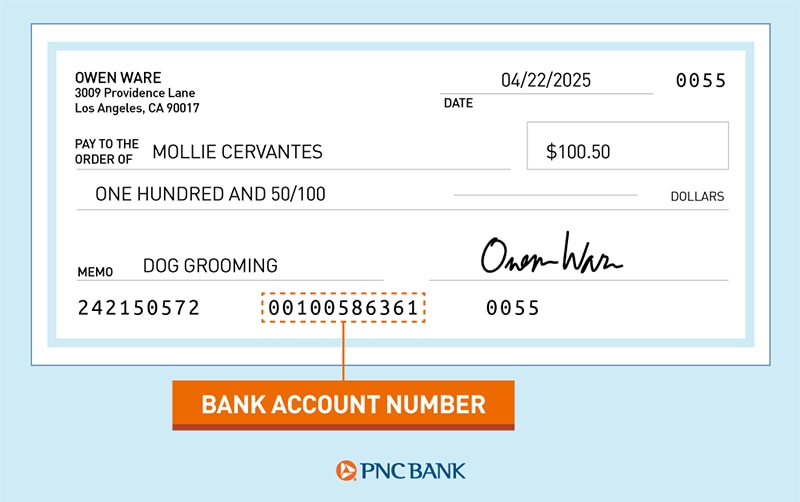
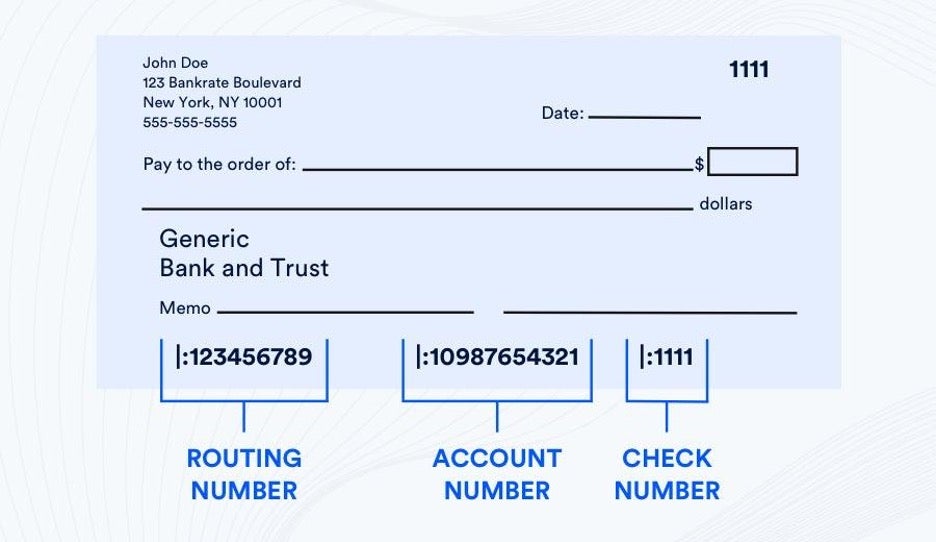
For many, the most straightforward place to find their checking account number is on a physical check. Look at the bottom of any check from your checkbook. You’ll typically see three sets of numbers printed in magnetic ink characters (MICR). From left to right, these are usually:
- Routing Number: A nine-digit code identifying your bank.
- Account Number: Your specific account number within that bank.
- Check Number: The individual identifier for that specific check.
While the order is generally consistent, it’s always wise to confirm with your bank if you’re unsure, especially if you have an older check design or a specialized account. Remember that this method primarily works for checking accounts. Savings accounts don’t typically come with checks.
Your Essential Record Keeper: Bank Statements
Whether you receive paper statements in the mail or access them digitally, your monthly or quarterly bank statements are a reliable source for your account number.
- Paper Statements: Your full account number is usually printed prominently near the top of the statement, often close to your name and address. Some banks might mask a few digits for security, but the complete number is typically present.
- Electronic Statements (eStatements): Accessing your eStatements through your online banking portal or mobile app is just as effective. Download a PDF version of your latest statement, and you’ll find your account number in the same prominent location as a paper statement. This is often the quickest digital method if you regularly review your statements online.
Bank statements also provide a comprehensive overview of your transactions, making them a dual-purpose financial tool for both information retrieval and record-keeping.
The Digital Gateway: Online Banking Portals and Mobile Apps
In today’s digital age, online banking portals and mobile apps have become primary tools for managing finances, and they are excellent resources for finding your account number.
- Online Banking Portal: Log in to your bank’s website. After navigating past the secure login, look for a section labeled “Account Summary,” “Account Details,” or similar. Click on the specific account (e.g., “Checking Account”) you need the number for. Somewhere within these details, often near the account balance or account type, you will find your full account number. Some banks might initially display only the last few digits for security, requiring you to click a “show full number” or “reveal” button.
- Mobile App: The process is very similar on your bank’s mobile application. Log in, select the specific account from your list of accounts, and look for “Account Details,” “Info,” or a similar option. The account number should be displayed there. Again, you might need to tap to reveal the full number. The convenience of mobile apps means you can access this information almost anywhere, anytime.
These digital methods are often the quickest and most preferred for those comfortable with online banking, offering immediate access without needing physical documents.
Other Less Common, But Still Valid Sources
While checks and statements are primary, a few other sources might also contain your account number:
- Deposit Slips: If you use physical deposit slips, your account number is pre-printed on them, similar to checks.
- Loan Documents: If you have a loan with the same bank, some loan agreements or statements might reference your primary checking or savings account number for payment purposes.
- ATM Receipts: While less common for the full account number, some ATM receipts might show a truncated version. This is generally not a reliable source for the complete number.
When using any of these methods, always ensure you are accessing official bank documents or secure digital platforms.
When Digital and Paper Options Fall Short: Contacting Your Bank Directly
There are times when, despite your best efforts, you might not be able to locate your bank account number through checks, statements, or online portals. Perhaps you’ve recently moved, changed banks, or simply don’t have access to your usual resources. In such scenarios, direct communication with your bank is the next, and most reliable, step. They are equipped to provide you with this sensitive information after proper verification.
Preparing for the Call
Before you pick up the phone, gather some essential personal identification details. This preparation will significantly streamline the verification process and help the bank representative confirm your identity quickly and securely. You will likely be asked for:
- Your full legal name: As it appears on your bank records.
- Your date of birth: A key demographic identifier.
- Your social security number (SSN) or Taxpayer Identification Number (TIN): This is often the primary method for banks to verify your identity.
- Your physical address: The address associated with your account.
- Your phone number: The contact number on file.
- Answers to security questions: If you’ve set these up with your bank (e.g., “What was your mother’s maiden name?”, “What is the make of your first car?”).

It’s crucial to call the official customer service number listed on your bank’s website or the back of your debit card, not a number found through a quick, unverified internet search, to avoid potential phishing scams.
Seeking In-Person Assistance at a Branch
For those who prefer face-to-face interaction or who require a higher level of confidence and assistance, visiting a local bank branch is an excellent option. A branch representative can look up your account details directly and provide you with your account number on the spot.
When visiting a branch, be sure to bring:
- A valid, government-issued photo ID: Such as a driver’s license, passport, or state ID. This is mandatory for in-person verification.
- Any other relevant account information you have: Even if incomplete, details like your debit card number (if you remember it) or the approximate date you opened the account can help them locate your records faster.
The in-person method offers the added benefit of being able to ask any follow-up questions you might have about your account or other banking services.
Leveraging Secure Messaging or Chat
Many modern banks offer secure messaging or chat features within their online banking portals or mobile apps. These channels provide a text-based alternative to phone calls and are often staffed by representatives who can access your account information.
To use this method:
- Log in securely: Access your online banking or mobile app as you normally would.
- Navigate to support: Look for a “Contact Us,” “Support,” “Message Center,” or “Chat” option.
- Initiate a conversation: Explain that you need your account number.
- Complete verification: The representative will guide you through an in-app or in-portal verification process, which might involve answering security questions or confirming recent transaction details.
This method combines the convenience of digital access with the direct support of a bank representative, offering a secure and documented way to retrieve your account number. Remember, never share sensitive information like your full SSN or account number in an unsecure email or public chat platform. Always ensure you are within the bank’s officially secured environment.
Demystifying Your Account Number and Related Identifiers
When discussing bank account details, it’s easy to get confused by the various numbers associated with your financial life. Understanding the distinct purpose of your account number versus other identifiers like your debit card number or routing number is essential for accurate transactions and robust security.
Account Number vs. Debit Card Number: A Crucial Distinction
This is perhaps the most common point of confusion. While both are numbers linked to your bank account, they serve entirely different functions:
- Your Bank Account Number: This is the primary identifier for your specific checking or savings account within your bank’s system. It’s used for direct deposits, ACH transfers, wire transfers, and linking accounts. It directly represents your funds in the bank’s ledger. This number typically remains the same for the life of your account.
- Your Debit Card Number: This number, found on the front of your debit card, is linked to a payment network (like Visa or Mastercard). Its purpose is to facilitate transactions at points of sale (in-store or online) and ATM withdrawals. It acts as a gateway to your account for payment processing. If your card is lost or stolen, this number changes when you get a new card, but your underlying bank account number remains the same.
Never confuse these two. Providing your debit card number when an account number is requested can lead to failed transactions or, worse, potential security risks if it falls into the wrong hands for the wrong purpose.
The Significance of the Routing Number
Alongside your account number, the routing number (also known as an ABA routing transit number or RTN) is another critical piece of information for domestic money transfers.
- Purpose: The routing number is a nine-digit code that identifies the financial institution itself. Think of it as your bank’s address in the national banking system. When you initiate a transaction, the routing number tells the system which bank to send the money to, and your account number tells that bank which specific account to credit or debit.
- Location: You’ll find your routing number on the bottom left of your checks, on your bank statements, and within your online banking portal or mobile app (often in the “Account Details” section or alongside your account number).
- Variations: Some banks have different routing numbers for different types of transactions (e.g., wire transfers versus ACH transfers) or for different geographic regions. Always verify the correct routing number for the specific transaction you are performing.
Together, your routing number and account number form the complete address for domestic electronic funds transfers.
SWIFT/BIC Codes for International Transactions
If you need to send or receive money internationally, neither your domestic routing number nor your account number is sufficient on its own. Instead, you’ll need a SWIFT Code (Society for Worldwide Interbank Financial Telecommunication) or BIC (Bank Identifier Code).
- Purpose: A SWIFT/BIC code is an international standard that uniquely identifies a bank in global transactions. It ensures that money sent across borders reaches the correct financial institution.
- Format: SWIFT codes are typically 8 or 11 characters long, consisting of letters and numbers.
- Location: You usually won’t find this on your checks. You’ll need to look on your bank’s official website (often in their international transfer section), contact their customer service, or find it within your online banking portal if they support international transfers.
For international transfers, you’ll generally need:
- The recipient’s full name and address.
- The recipient’s bank account number (IBAN for European transactions).
- The recipient’s bank’s SWIFT/BIC code.
Understanding these different identifiers is key to confidently managing all forms of financial transactions, from local bill payments to global money transfers.
Safeguarding Your Account Information: Best Practices
Once you’ve successfully located your bank account number, the next crucial step is to ensure its security. This sensitive piece of information, if it falls into the wrong hands, can be exploited for fraudulent activities. Protecting your account number is an integral part of maintaining your financial health and peace of mind.
Protecting Physical Documents
Even in a digital age, physical documents still contain vital information. Your paper bank statements, checks, and deposit slips are prime examples.
- Secure Storage: Always keep physical documents containing your account number in a secure location at home, such as a locked drawer, filing cabinet, or personal safe. Avoid leaving them exposed on desks or in easily accessible areas where they could be seen by visitors or unauthorized persons.
- Mindful Disposal: When you no longer need physical documents with your account number, don’t just toss them in the trash. Shred them thoroughly to render the information unreadable. Cross-cut shredders are ideal for this purpose, as they turn documents into confetti-like pieces, making reconstruction virtually impossible.
- Checkbook Vigilance: Treat your checkbook like cash. Never leave it unattended in public places. When writing checks, ensure your account number isn’t easily visible to others. Only provide checks to trusted individuals or entities.
Practicing Digital Security Hygiene
Most people now access their bank account numbers through online portals and mobile apps, making digital security paramount.
- Strong, Unique Passwords: Use complex, unique passwords for your online banking. Combine uppercase and lowercase letters, numbers, and symbols. Never reuse passwords across different online services. Consider using a reputable password manager to help create and store these securely.
- Multi-Factor Authentication (MFA): Enable MFA whenever your bank offers it. This typically involves a second verification step, like a code sent to your phone or a biometric scan, after entering your password. MFA significantly enhances security by making it much harder for unauthorized users to access your account even if they somehow obtain your password.
- Secure Networks: Only access your online banking or mobile app over secure, private Wi-Fi networks. Avoid conducting financial transactions or accessing sensitive information on public Wi-Fi networks (e.g., at coffee shops, airports), as these are often less secure and vulnerable to eavesdropping.
- Regular Monitoring: Routinely check your bank statements and transaction history for any unauthorized activity. The sooner you detect suspicious transactions, the quicker your bank can act to protect your funds. Set up alerts for large transactions or unusual activity.
- Device Security: Keep your computer and mobile devices updated with the latest security patches and antivirus software. Use screen locks and passcodes on your mobile devices.
Recognizing and Reporting Scams
Fraudsters are constantly evolving their tactics to trick individuals into revealing sensitive financial information.
- Phishing Scams: Be wary of unsolicited emails, texts, or calls claiming to be from your bank and asking for your account number, password, or other personal details. Banks rarely ask for such information directly via these channels. Always go directly to your bank’s official website or call their verified customer service number if you suspect a message is legitimate.
- Vishing (Voice Phishing): Scammers may call you pretending to be from your bank, claiming there’s an issue with your account. They will try to pressure you into giving up your account number or other sensitive details. If you receive such a call, hang up and call your bank’s official number directly to verify.
- Shred Sensitive Information: Never discard documents with your account number without shredding them. Dumpster diving is a real method for identity thieves.
- Only Provide When Necessary: Only provide your account number when it is absolutely required for a legitimate transaction (e.g., setting up direct deposit with your employer, an ACH transfer you initiated, or a wire transfer with your bank). Be extremely cautious about sharing it with third parties you don’t fully trust or for purposes that seem vague.
By adopting these robust security practices, you can confidently manage your finances, knowing that your bank account number and associated information are well-protected against potential threats. Your proactive approach to security is the best defense against financial fraud.
aViewFromTheCave is a participant in the Amazon Services LLC Associates Program, an affiliate advertising program designed to provide a means for sites to earn advertising fees by advertising and linking to Amazon.com. Amazon, the Amazon logo, AmazonSupply, and the AmazonSupply logo are trademarks of Amazon.com, Inc. or its affiliates. As an Amazon Associate we earn affiliate commissions from qualifying purchases.