
The annual ritual of filing taxes can often feel like a daunting endeavor, a complex labyrinth of forms, deadlines, and financial jargon. However, with the right approach and a clear understanding of the process, navigating your 2023 tax filing can be a straightforward, even empowering, experience. This comprehensive guide is designed to demystify the tax season, offering insights and practical steps to ensure you file accurately, on time, and optimize your financial outcomes. We’ll delve into the essential preparations, explore various filing methods, highlight key opportunities for savings, and outline what to expect once your return is submitted.
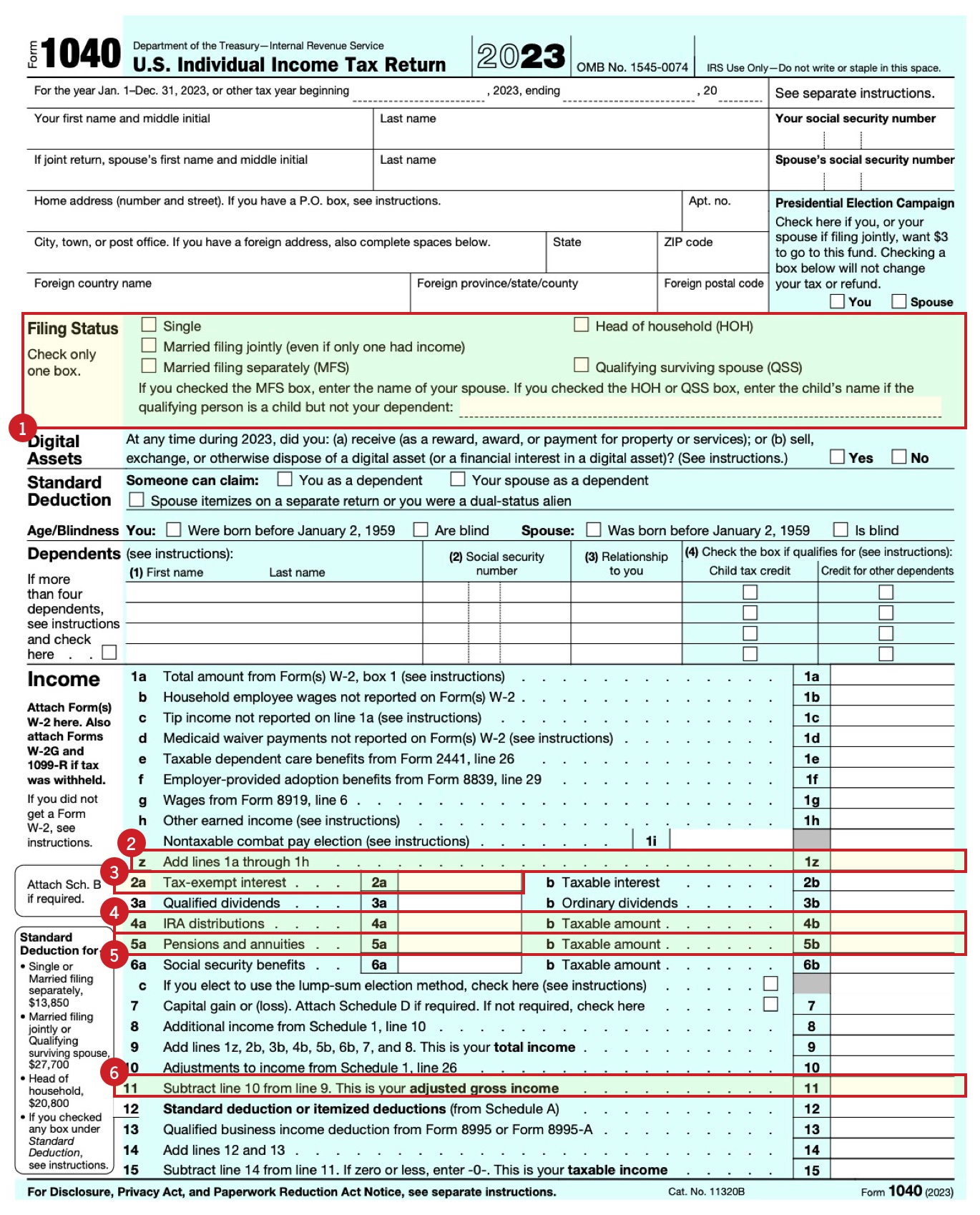
The 2023 tax year, filed in 2024, brings its own set of nuances, though major legislative overhauls have been less frequent recently. Understanding these specifics is crucial for a smooth and successful filing. This guide aims to provide you with a roadmap, transforming potential anxiety into informed action, ensuring you meet your obligations while potentially maximizing your refund or minimizing your payment.
Demystifying the 2023 Tax Season: Key Dates and What’s New
Before diving into the specifics of form preparation, it’s vital to establish a foundational understanding of the tax season’s calendar and any significant changes that might impact your filing for the 2023 tax year. Awareness of these elements sets the stage for efficient and compliant tax preparation.
Understanding Important Deadlines
For most individual taxpayers, the primary deadline to file federal income tax returns for the 2023 tax year and pay any taxes owed is April 15, 2024. However, there are exceptions to this rule:
- Emancipation Day Holiday: If April 15th falls on a weekend or holiday, the deadline shifts. For 2024, the April 15th deadline for federal returns applies. However, residents of Maine and Massachusetts typically have a later deadline due to Patriot’s Day on April 15th, pushing their state and federal filing to April 17, 2024.
- Extensions: If you need more time, you can file for an extension using Form 4868, which typically grants an automatic extension until October 15, 2024. It’s crucial to remember that an extension to file is not an extension to pay. Any taxes owed are still due by the original April 15th deadline to avoid penalties and interest.
- Quarterly Estimated Taxes: If you’re self-employed or have other income not subject to withholding, you likely pay estimated taxes quarterly. For the 2023 tax year, the fourth-quarter payment was due January 16, 2024. The first quarter for the 2024 tax year (due April 15, 2024) coincides with the 2023 filing deadline.
Marking these dates in your calendar is the first critical step toward a stress-free tax season.
Notable Changes for the 2023 Tax Year
While 2023 did not introduce sweeping legislative changes like some previous years, there are several adjustments and considerations important for taxpayers:
- Inflation Adjustments: Many tax provisions, including standard deductions, tax brackets, and various credit phase-outs, are adjusted annually for inflation. For 2023, the standard deduction increased significantly: $13,850 for single filers, $27,700 for married couples filing jointly, and $20,800 for heads of household. These increases mean more taxpayers might find taking the standard deduction more advantageous than itemizing.
- Tax Brackets: The income thresholds for each tax bracket have also been adjusted upwards, potentially pushing some taxpayers into a lower bracket than they would have been otherwise with the same income.
- Key Credit Changes: The Child Tax Credit (CTC) and Earned Income Tax Credit (EITC) did not see the expanded benefits present in 2021, reverting to pre-pandemic levels. This means the maximum CTC remains $2,000 per qualifying child, with a refundable portion of up to $1,600. The EITC also saw its maximum amounts adjusted for inflation.
- IRA Contribution Limits: The maximum contribution limit for IRAs increased to $6,500 for 2023 ($7,500 if age 50 or older), offering more opportunity for tax-advantaged savings.
- Gift Tax Exclusion: The annual gift tax exclusion increased to $17,000 per recipient for 2023.
Staying informed about these adjustments can significantly impact your tax calculations and planning. Always consult official IRS resources or a tax professional for the most precise and up-to-date information.
The Foundation of Filing: Gathering Your Essential Documents
The bedrock of accurate tax filing lies in thorough preparation and the meticulous gathering of all pertinent financial documents. Rushing this stage can lead to errors, missed deductions, and potential IRS scrutiny. Organize your documents systematically, ideally in a dedicated folder or digital file, as they become available.
Income Statements: W-2s, 1099s, and More
This category encompasses all records detailing income you received throughout the year. Most employers are required to send these out by January 31st.
- Form W-2: Wage and Tax Statement: If you are an employee, this form from your employer shows your annual wages and the amount of taxes withheld. It’s the most common income document.
- Form 1099 Series: This broader category covers various types of non-employee income:
- 1099-NEC: Nonemployee Compensation: For independent contractors or self-employed individuals paid over $600 by a single entity.
- 1099-MISC: Miscellaneous Income: For rental income, royalty payments, prizes, awards, etc.
- 1099-INT: Interest Income: From banks, brokerage firms, etc.
- 1099-DIV: Dividends and Distributions: From stocks, mutual funds, etc.
- 1099-B: Proceeds from Broker and Barter Exchange Transactions: For sales of stocks, bonds, or other securities.
- 1099-R: Distributions from Pensions, Annuities, Retirement or Profit-Sharing Plans, IRAs, Insurance Contracts, etc.
- 1099-K: Payment Card and Third-Party Network Transactions: While the reporting threshold for 1099-K was changed back to $20,000 and over 200 transactions for 2023 after a planned lower threshold was delayed, you may still receive this form if you have substantial income from payment apps or online marketplaces.
- Other Income Documents: Records of unemployment benefits, Social Security benefits (Form SSA-1099), gambling winnings (Form W2-G), and any other sources of taxable income.
Expense Documentation: Unlocking Deductions and Credits
This is where meticulous record-keeping truly pays off. Documents supporting potential deductions and credits can significantly reduce your taxable income or tax liability.
- Itemized Deduction Records: If you plan to itemize, gather documentation for:
- Medical and Dental Expenses: Receipts for unreimbursed medical costs, health insurance premiums paid out-of-pocket, etc.
- State and Local Taxes (SALT): Property tax statements, income tax paid. (Remember the $10,000 SALT cap).
- Mortgage Interest: Form 1098 from your mortgage lender.
- Charitable Contributions: Receipts for cash donations, appraisals for non-cash donations.
- Credit-Related Documents:
- Childcare Expenses: Records from daycare providers, nannies (including their tax ID number), for the Child and Dependent Care Credit.
- Education Expenses: Form 1098-T from educational institutions for tuition and related expenses for education credits.
- Energy-Efficient Home Improvements: Receipts for qualifying home upgrades.
- Business Expenses (for self-employed): Detailed records of all business-related expenses such as office supplies, mileage logs, home office expenses, advertising, and insurance premiums.
Personal Information and Prior Year Data
Don’t forget the basics. You’ll need:
- Your Social Security number (and those of your spouse and dependents).
- Your date of birth.
- Your previous year’s Adjusted Gross Income (AGI), often found on your prior year’s tax return, which is a common verification requirement for e-filing.
- Bank account information for direct deposit of refunds or direct debit of payments.
Organizing these documents beforehand transforms a potentially chaotic task into a systematic review.
Choosing Your Filing Path: DIY vs. Professional Assistance
Once your documents are in order, the next critical decision is how you will actually prepare and submit your return. The landscape offers a range of options, each with its own advantages, catering to different levels of tax complexity and personal preference.
Leveraging Tax Software for Self-Preparation
For many taxpayers, especially those with straightforward financial situations, tax preparation software offers an efficient and cost-effective solution. These programs guide you step-by-step through the filing process, ask relevant questions, and perform calculations, often flagging potential errors or missed deductions.
- Popular Options: TurboTax, H&R Block Tax Software, TaxAct, and FreeTaxUSA are prominent players, offering different tiers of service, from free basic filing to premium packages for more complex scenarios (e.g., self-employment, investments).
- Benefits: Convenience, cost-effectiveness (especially for simpler returns), immediate feedback on your refund/payment, and direct e-filing capabilities. Many also offer audit support or guarantees.
- Considerations: Requires a basic understanding of your financial situation and the ability to accurately input data. While user-friendly, complex returns (e.g., small business with inventory, international income) might still benefit from professional eyes.

The Benefits of Professional Tax Services
For individuals with intricate financial portfolios, small business owners, or those facing significant life changes (marriage, divorce, home purchase, inheritance), a professional tax preparer can be an invaluable asset.
- Expertise and Compliance: Tax professionals (CPAs, Enrolled Agents, tax attorneys) possess in-depth knowledge of tax law, ensuring your return is accurate and compliant, minimizing audit risk. They can navigate complex regulations and identify obscure deductions you might miss.
- Tax Planning and Strategy: Beyond just filing, professionals can offer strategic advice for future tax years, helping you optimize investments, business structures, and financial decisions to reduce future tax burdens.
- Audit Support: In the event of an audit, a professional can represent you and handle communications with the IRS, significantly reducing stress and potentially achieving a better outcome.
- Time Savings: Outsourcing your taxes frees up your valuable time and alleviates the mental burden of tax preparation.
- Finding a Professional: Look for credentials (CPA, EA), experience with situations similar to yours, and good references. Always verify their Preparer Tax Identification Number (PTIN).
Exploring Free Filing Options (IRS Free File, VITA/TCE)
The IRS offers legitimate free options for taxpayers who meet certain criteria, ensuring that income level doesn’t prevent accurate filing.
- IRS Free File Program: This partnership between the IRS and leading tax software companies allows taxpayers with an Adjusted Gross Income (AGI) below a certain threshold (which changes annually, often around $79,000 for 2023) to use commercial tax software for free. There’s also a “Free File Fillable Forms” option for taxpayers of all income levels who are comfortable doing their own tax calculations.
- Volunteer Income Tax Assistance (VITA) and Tax Counseling for the Elderly (TCE): These programs offer free tax help to qualified individuals, including those who make $64,000 or less, persons with disabilities, and limited English-speaking taxpayers (VITA), and those aged 60 and older (TCE). IRS-certified volunteers provide free basic income tax return preparation. These are excellent resources for personalized, free assistance.
Choosing the right method depends on your comfort level, the complexity of your financial situation, and your budget. The most important thing is to select an option that instills confidence in the accuracy and completeness of your return.
Optimizing Your Tax Outcome: Strategies for Savings and Accuracy
Filing taxes isn’t just about meeting an obligation; it’s also an opportunity to optimize your financial position. Proactive strategies and careful attention to detail can lead to significant savings and prevent costly errors.
Identifying Common Deductions and Tax Credits
Understanding and claiming eligible deductions and credits is paramount to minimizing your tax liability.
- Deductions vs. Credits: A deduction reduces your taxable income, lowering the amount of income subject to tax. A credit directly reduces the amount of tax you owe, dollar-for-dollar. Credits are generally more valuable than deductions.
- Standard Deduction vs. Itemized Deductions: For 2023, the increased standard deduction means fewer people will find it advantageous to itemize. Always compare the standard deduction amount for your filing status against your total itemizable expenses (medical, state and local taxes, mortgage interest, charitable contributions). Use the method that results in lower taxable income.
- Key Tax Credits to Review:
- Child Tax Credit (CTC): Up to $2,000 per qualifying child.
- Earned Income Tax Credit (EITC): A refundable credit for low-to-moderate-income working individuals and families.
- Child and Dependent Care Credit: For expenses related to care for a dependent so you can work or look for work.
- Education Credits (American Opportunity Tax Credit, Lifetime Learning Credit): For qualified educational expenses.
- Retirement Savings Contributions Credit (Saver’s Credit): For low- and moderate-income taxpayers contributing to retirement accounts.
- Clean Energy Tax Credits: For home energy improvements or purchase of new clean vehicles.
- Foreign Tax Credit: If you paid income tax to a foreign country.
- Self-Employment Deductions: If you’re self-employed, don’t overlook deductions for business expenses (home office, health insurance premiums, self-employment tax deduction, qualified business income (QBI) deduction, business travel, meals, professional development). Keep meticulous records.
Proactive Tax Planning for Future Years
Thinking about taxes shouldn’t be a once-a-year event. Integrating tax planning into your broader financial strategy throughout the year can yield substantial long-term benefits.
- Adjusting Withholding: Use the IRS Tax Withholding Estimator to ensure you’re not overpaying (giving the government an interest-free loan) or underpaying (facing penalties) throughout the year.
- Retirement Contributions: Maximize contributions to tax-advantaged accounts like 401(k)s and IRAs. Traditional contributions are often tax-deductible in the year they are made, while Roth contributions offer tax-free withdrawals in retirement.
- Health Savings Accounts (HSAs): If you have a high-deductible health plan, HSAs offer a triple tax advantage: tax-deductible contributions, tax-free growth, and tax-free withdrawals for qualified medical expenses.
- Capital Gains/Losses: Strategically selling investments can help offset capital gains with losses, or vice-versa.
- Major Life Events: Marriage, divorce, birth of a child, home purchase, or career changes all have significant tax implications and warrant a review of your tax strategy.
Avoiding Common Filing Pitfalls
Even seasoned taxpayers can make mistakes. Being aware of common errors can help you steer clear of them.
- Math Errors: Simple calculation mistakes are surprisingly common. Tax software largely eliminates these, but manual preparers should double-check.
- Incorrect Social Security Numbers: A transposed digit for you, your spouse, or a dependent can cause significant processing delays.
- Wrong Filing Status: Choosing the wrong filing status (e.g., Head of Household instead of Single) can impact your standard deduction and tax bracket.
- Missing Signatures: Both you and your spouse (if filing jointly) must sign paper returns. E-filing requires an electronic signature (often your prior year AGI).
- Forgetting to Report All Income: All sources of taxable income, even small amounts from side gigs, must be reported. The IRS receives copies of 1099s and W-2s, so discrepancies are easily flagged.
- Ignoring Deadlines: Penalties for late filing and late payment can accrue quickly. File an extension if you need more time, but pay what you owe by the original deadline.
Diligent attention to these details will ensure a more accurate and efficient tax filing process.
Post-Filing Best Practices: What Happens Next?
Submitting your tax return is a significant milestone, but the process doesn’t necessarily end there. Understanding what happens post-filing and maintaining good records are crucial for financial peace of mind.
Understanding Your Refund or Payment Obligations
Once your return is filed, one of two primary outcomes awaits:
- Tax Refund: If you overpaid your taxes through withholding or estimated payments, the government owes you money. E-filing with direct deposit is the fastest way to receive your refund, often within 21 days. You can track your refund status using the IRS “Where’s My Refund?” tool.
- Tax Payment Due: If you owe additional taxes, ensure your payment reaches the IRS by the April 15th deadline (or extended deadline for filing, if applicable, but payment is still due April 15th). You can pay directly from your bank account through IRS Direct Pay, via a debit or credit card (third-party processor fees apply), or by mail with a check or money order and Form 1040-V payment voucher.
Ignoring a payment obligation can lead to penalties and interest, so address it promptly.
Maintaining Accurate Records
Even after filing, your tax documents retain importance. The IRS generally has three years from the date you file to audit your return. If they suspect substantial underreporting of income, this period can extend to six years, or indefinitely in cases of fraud.
- Keep Copies: Always retain a copy of your filed tax return (federal and state), along with all supporting documents (W-2s, 1099s, receipts, statements, etc.). Digital copies are convenient, but a backup is advisable.
- Organized Storage: Store these documents in a secure, organized manner. A dedicated tax folder, filing cabinet, or encrypted digital archive works well.
- Purpose of Records: These records are essential if the IRS questions your return, if you need to amend a prior year’s return, or for future financial planning (e.g., determining the cost basis of investments).

Responding to IRS Inquiries
It’s not uncommon for the IRS to send letters or notices, and not all of them signify an audit or problem. Many are informational, or request clarification on a minor discrepancy.
- Don’t Panic: Read the notice carefully to understand its purpose.
- Respond Promptly: Pay attention to deadlines mentioned in the letter.
- Seek Clarification: If you don’t understand the notice, contact the IRS directly (using the phone number on the notice) or consult a tax professional.
- Never Ignore: Ignoring IRS correspondence can lead to escalated issues, penalties, and interest.
- Beware of Scams: The IRS typically initiates contact via mail, not unsolicited emails, phone calls, or text messages demanding immediate payment or personal information.
Filing your taxes for 2023 doesn’t have to be a source of stress. By understanding the deadlines, meticulously gathering your documents, choosing the filing method that suits you best, strategically optimizing your return, and following through with post-filing best practices, you can navigate the tax season with confidence and efficiency. Remember, taxes are a crucial component of personal finance, and an informed approach empowers you to manage your money more effectively.
aViewFromTheCave is a participant in the Amazon Services LLC Associates Program, an affiliate advertising program designed to provide a means for sites to earn advertising fees by advertising and linking to Amazon.com. Amazon, the Amazon logo, AmazonSupply, and the AmazonSupply logo are trademarks of Amazon.com, Inc. or its affiliates. As an Amazon Associate we earn affiliate commissions from qualifying purchases.