
Navigating the annual ritual of filing taxes can feel like deciphering an ancient, complex code. For many, the mere mention of tax season evokes a mix of anxiety and confusion. Yet, filing taxes is a fundamental civic duty and a critical component of personal financial health. It’s the process by which individuals inform the government about their income, expenses, and other financial activities to determine their tax liability, or whether they are due a refund. Far from being an insurmountable hurdle, understanding the basics and employing a structured approach can transform tax season from a daunting task into a manageable financial chore. This guide aims to demystify the process, empowering you to approach your tax obligations with confidence and clarity, ensuring you meet your responsibilities while potentially maximizing your financial outcomes.
Understanding Your Tax Filing Obligations
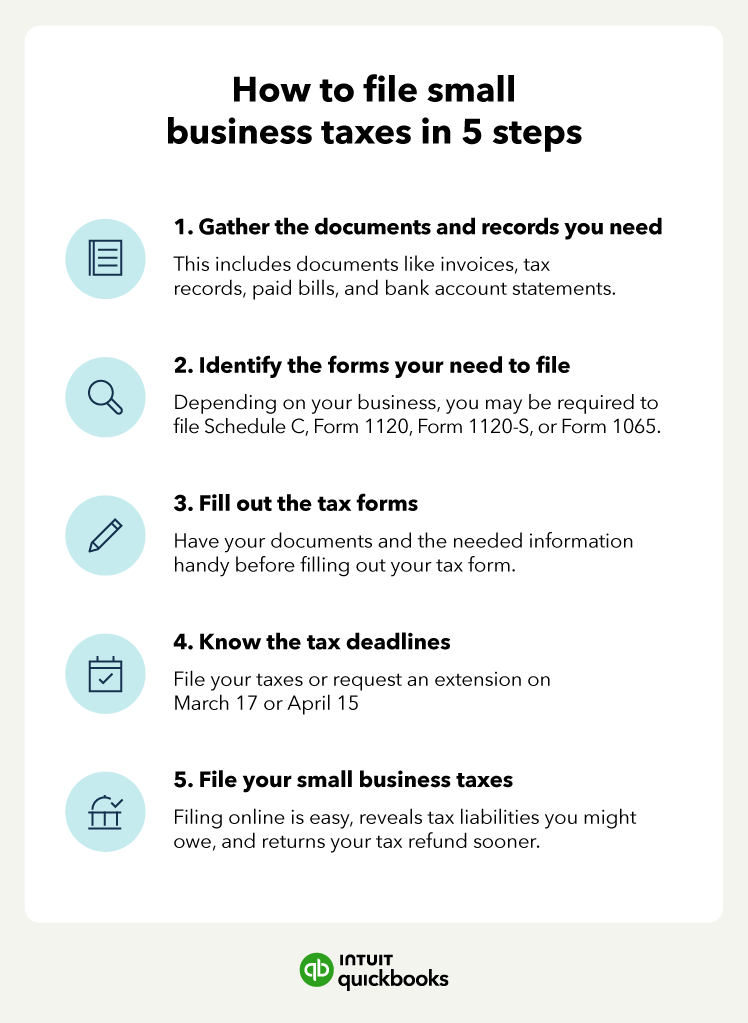
Before you can even begin the process of filling out forms, it’s crucial to grasp the fundamental obligations that dictate who needs to file, what documents are essential, and when these actions must be completed. This foundational understanding is the bedrock of a smooth and compliant tax season.
Who Needs to File?
Not everyone is required to file a federal income tax return each year, but a significant portion of the working population is. The primary determinant is your gross income, which is your total income before any deductions or exemptions. The Internal Revenue Service (IRS) sets specific income thresholds based on your age and filing status. For instance, if your gross income exceeds these thresholds, you must file. Additionally, even if your income falls below the threshold, you might still want to file if you had taxes withheld from your paychecks or qualify for refundable tax credits (like the Earned Income Tax Credit), as this could result in a refund. Self-employed individuals typically must file if their net earnings from self-employment are $400 or more. Failing to file when required can result in penalties and interest charges.
Key Documents You’ll Need
Gathering the correct documentation is the first tangible step in tax preparation. Think of these as the ingredients for your tax return. The specific documents you’ll need depend on your income sources and financial activities throughout the year.
- Income Statements:
- Form W-2 (Wage and Tax Statement): Received from your employer, showing your annual wages and the amount of federal, state, and local taxes withheld.
- Form 1099-MISC (Miscellaneous Income) / 1099-NEC (Nonemployee Compensation): For independent contractors, freelancers, or those who received certain types of miscellaneous income (e.g., rent, royalties).
- Form 1099-INT (Interest Income): From banks and other financial institutions for interest earned.
- Form 1099-DIV (Dividends and Distributions): From corporations and mutual funds for dividends received.
- Form 1099-B (Proceeds From Broker and Barter Exchange Transactions): For sales of stocks, bonds, or other securities.
- Form 1099-R (Distributions From Pensions, Annuities, Retirement or Profit-Sharing Plans, IRAs, Insurance Contracts, etc.): For withdrawals from retirement accounts.
- Form W-2G (Certain Gambling Winnings): If you hit it big at the casino.
- Deduction and Credit Documents:
- Form 1098 (Mortgage Interest Statement): For home mortgage interest paid.
- Form 1098-E (Student Loan Interest Statement): For student loan interest paid.
- Form 1098-T (Tuition Statement): For tuition and related expenses paid to an eligible educational institution.
- Records of medical expenses, charitable contributions, childcare costs, and other deductible expenses.
- Other Important Information: Your Social Security number (and those of your spouse and dependents), bank account information for direct deposit of refunds, and a copy of your previous year’s tax return.
Important Deadlines to Remember
Tax season operates on a strict calendar. Missing deadlines can lead to penalties and interest.
- April 15th: This is the most famous deadline—the due date for filing individual federal income tax returns for the previous calendar year and for paying any tax due. If April 15th falls on a weekend or holiday, the deadline shifts to the next business day.
- October 15th: If you filed for an extension by April 15th, this is your extended deadline to file your federal income tax return. Important: An extension to file is not an extension to pay. If you expect to owe taxes, you should still estimate and pay them by April 15th to avoid penalties.
- Estimated Taxes: If you are self-employed or have other income not subject to withholding, you may need to pay estimated taxes quarterly. These deadlines are typically April 15, June 15, September 15, and January 15 of the following year.
Choosing Your Filing Method
Once you understand your obligations and have gathered your documents, the next step is to decide how you will prepare and submit your return. There are several popular methods, each with its own advantages and ideal user profile.
DIY with Tax Software
For many individuals, preparing taxes at home using specialized software is a popular and cost-effective solution. Companies like TurboTax, H&R Block, and FreeTaxUSA offer user-friendly platforms that guide you step-by-step through the filing process. These programs ask a series of questions, calculate your taxes, and help identify potential deductions and credits.
- Pros: Generally less expensive than a professional preparer, convenient (can be done anytime, anywhere), provides a good understanding of your tax situation, and most offer audit support.
- Cons: Requires a basic level of financial literacy and attention to detail, may not be suitable for highly complex tax situations, and relies on your ability to accurately input information.
- Considerations: Different versions of software cater to varying complexities, from simple W-2 filers to those with investments or small businesses. Choose one that matches your tax situation.
Professional Tax Preparer
If your tax situation is complex, or if you simply prefer to delegate the task to an expert, hiring a professional tax preparer is a wise choice. This includes Certified Public Accountants (CPAs), Enrolled Agents (EAs), or tax preparers from national chains like Jackson Hewitt or Liberty Tax.
- Pros: Expertise in complex tax laws, peace of mind that your return is accurate and optimized, assistance with tax planning, and representation in case of an audit.
- Cons: More expensive than DIY software, requires sharing sensitive financial information, and you must carefully vet the preparer’s qualifications and reputation.
- When to use one: If you own a business, have significant investments, experienced a major life change (marriage, divorce, property sale), have foreign income, or just feel overwhelmed.
Free Filing Options
The IRS is committed to helping low-to-moderate income taxpayers file their returns for free. Several programs are available:
- IRS Free File Program: This partnership between the IRS and leading tax software companies allows eligible taxpayers (typically with an adjusted gross income below a certain threshold, which changes annually) to file their federal taxes for free using guided tax preparation software. Some partners also offer free state filing.
- Volunteer Income Tax Assistance (VITA) and Tax Counseling for the Elderly (TCE) Programs: These programs offer free tax help to qualified individuals, including those who make $64,000 or less, persons with disabilities, and limited English-speaking taxpayers (VITA), and individuals aged 60 and over (TCE). IRS-certified volunteers provide free basic income tax return preparation with electronic filing.
Step-by-Step Through the Filing Process
Regardless of the method you choose, the core process of filing your taxes follows a logical progression. Understanding these steps can help you stay organized and minimize errors.
Gathering Your Information
This initial step is critical. Before you sit down to fill out any forms or open any software, ensure you have all your W-2s, 1099s, 1098s, and any other relevant income or deduction documentation organized. A dedicated folder, either physical or digital, can be invaluable for collecting these documents throughout the year, not just at tax time.
Understanding Your Filing Status
Your filing status determines your standard deduction amount, tax rates, and eligibility for certain credits. It’s crucial to select the correct one, as an incorrect status can significantly impact your tax liability. The five main filing statuses are:
- Single: Unmarried individuals.
- Married Filing Jointly: Married couples who choose to file one combined tax return.
- Married Filing Separately: Married couples who choose to file two separate tax returns.
- Head of Household: Unmarried individuals who pay more than half the cost of keeping up a home for themselves and a qualifying person (e.g., a dependent child).
- Qualifying Widow(er) with Dependent Child: For a taxpayer whose spouse died within the last two years and has a dependent child.
Reporting Income and Claiming Deductions/Credits
This is where you enter all your income sources onto the appropriate forms. After income, you’ll determine your deductions and credits.
- Deductions: These reduce your taxable income. You generally choose between taking the standard deduction (a fixed amount based on your filing status) or itemizing your deductions (listing specific deductible expenses like mortgage interest, state and local taxes, and charitable contributions). You should choose whichever option results in a lower taxable income.
- Credits: These directly reduce your tax liability dollar for dollar. Tax credits are more valuable than deductions. Examples include the Child Tax Credit, Earned Income Tax Credit, education credits, and retirement savings contributions credit.

Reviewing and Submitting Your Return
Once all information is entered, a preliminary calculation of your tax liability or refund will be made. Do not skip the review step! Carefully check for any errors, such as incorrect Social Security numbers, misspelled names, or transposed numbers. Even small errors can delay your refund or trigger IRS scrutiny.
- E-file vs. Mail: Electronic filing (e-file) is the safest and fastest way to file your return. It significantly reduces errors, and you typically receive your refund much quicker. If you owe taxes, you can often pay electronically as well. If you choose to mail a paper return, ensure it is signed and dated, and include any required attachments.
What Happens After You File?
After submission, your return is processed.
- Refunds: If you’re due a refund, the IRS typically issues it within 21 days for e-filed returns with direct deposit. You can track your refund status using the IRS “Where’s My Refund?” tool.
- Payments Due: If you owe taxes, make sure your payment is sent by the April 15th deadline (or the extended deadline if you applied for an extension to pay).
- Audits: While rare, the IRS may select your return for audit. Maintaining meticulous records is your best defense. If contacted, respond promptly and professionally, and consider seeking professional assistance.
Common Pitfalls and How to Avoid Them
Even with the best intentions, mistakes can happen during tax season. Being aware of common pitfalls can help you steer clear of unnecessary stress and potential penalties.
Filing Errors and Their Consequences
Simple errors can snowball into significant problems. Miscalculations, failing to report all income, or entering an incorrect Social Security number are common mistakes. These can lead to:
- Delayed Refunds: If the IRS has to correct your return.
- IRS Notices: Requiring clarification or correction.
- Penalties and Interest: For underpayment or late filing.
Always double-check your entries, especially personal identifying information and large financial figures. Tax software often has built-in error checks, adding another layer of security.
Ignoring Important Deadlines
The tax calendar is non-negotiable. Missing the April 15th filing deadline, or the October 15th extension deadline, can result in:
- Failure-to-File Penalty: Typically 5% of the unpaid taxes for each month or part of a month that a tax return is late, capped at 25% of your unpaid taxes.
- Failure-to-Pay Penalty: Typically 0.5% of the unpaid taxes for each month or part of a month that taxes remain unpaid, also capped at 25%. Interest also accrues on underpayments.
If you know you can’t file on time, always file for an extension. And if you can’t pay on time, still file the return and try to pay what you can, then contact the IRS to discuss payment options.
Failing to Keep Adequate Records
Good record-keeping is not just for tax filing; it’s for financial well-being. Keeping organized records of income, expenses, and supporting documents is crucial for:
- Accuracy: Ensuring you report everything correctly.
- Proof: If the IRS questions your return, you have documented evidence.
- Future Planning: Helps you understand your financial picture year-over-year.
Maintain records for at least three years from the date you filed your original return or two years from the date you paid the tax, whichever is later. For certain items like property basis, you may need records indefinitely.
Falling for Tax Scams
Unfortunately, tax season is prime time for scammers. Be vigilant against:
- IRS Impersonators: The IRS will typically first contact you via mail, not phone calls, emails, or social media, about tax debts. They will not threaten immediate arrest or demand payment via gift cards or wire transfers.
- Phishing Emails/Texts: Do not click on suspicious links or open attachments from unsolicited emails claiming to be from the IRS or a tax preparation service.
When in doubt, go directly to the official IRS website (irs.gov) or contact your tax preparer.
Planning for Future Tax Seasons
Successful tax management is a year-round endeavor, not just a scramble in the spring. By adopting proactive strategies, you can minimize stress, avoid surprises, and potentially optimize your financial standing.
Year-Round Tax Planning Strategies
- Adjust Your W-4: If you’re an employee, review your Form W-4 with your employer annually, especially after major life events (marriage, birth of a child, new job). This ensures the correct amount of tax is withheld from your paychecks, avoiding a large tax bill or an excessive refund (which means you’ve given the government an interest-free loan).
- Pay Estimated Taxes: If you’re self-employed, have significant investment income, or receive income not subject to withholding, make quarterly estimated tax payments to avoid underpayment penalties.
- Maximize Retirement Contributions: Contributions to tax-advantaged accounts like 401(k)s and IRAs can reduce your taxable income.
- Track Deductible Expenses: Keep a running tally of potential deductions, such as charitable donations, medical expenses, and business expenses. Digital apps or spreadsheets can simplify this.
Organizing for Next Year
Establish a system for document management. Whether you prefer a physical folder for tax documents or a digital folder on your computer/cloud storage, consistently save relevant financial statements, receipts, and forms as they arrive throughout the year. This prevents a last-minute scramble and ensures nothing is overlooked.
Staying Informed on Tax Law Changes
Tax laws are not static; they change regularly. Major legislation, like the Tax Cuts and Jobs Act of 2017, can have widespread impacts. Staying generally informed through reputable financial news sources or directly checking the IRS website (irs.gov) can help you anticipate changes that might affect your personal tax situation. Your tax professional is also a valuable resource for interpreting these changes.
Conclusion
Filing taxes is an annual obligation, but it doesn’t have to be an annual dread. By understanding your obligations, choosing the right filing method, diligently following the process, and avoiding common pitfalls, you can navigate tax season efficiently and accurately. Moreover, by embracing a proactive, year-round approach to tax planning and record-keeping, you can transform this essential task into an opportunity to gain better control over your personal finances. Empower yourself with knowledge, stay organized, and approach your taxes with the confidence that comes from being prepared.
aViewFromTheCave is a participant in the Amazon Services LLC Associates Program, an affiliate advertising program designed to provide a means for sites to earn advertising fees by advertising and linking to Amazon.com. Amazon, the Amazon logo, AmazonSupply, and the AmazonSupply logo are trademarks of Amazon.com, Inc. or its affiliates. As an Amazon Associate we earn affiliate commissions from qualifying purchases.