
Filing a tax return is an annual ritual for millions, a cornerstone of personal finance management that can often feel daunting. It’s not just a compliance task; it’s an opportunity to ensure you’re meeting your financial obligations, maximizing eligible deductions and credits, and contributing to the economic fabric of your nation. For many, the process can seem shrouded in complexity, a labyrinth of forms, deadlines, and jargon. However, with a structured approach and a clear understanding of the steps involved, filing your tax return can become a manageable and even empowering aspect of your financial year.
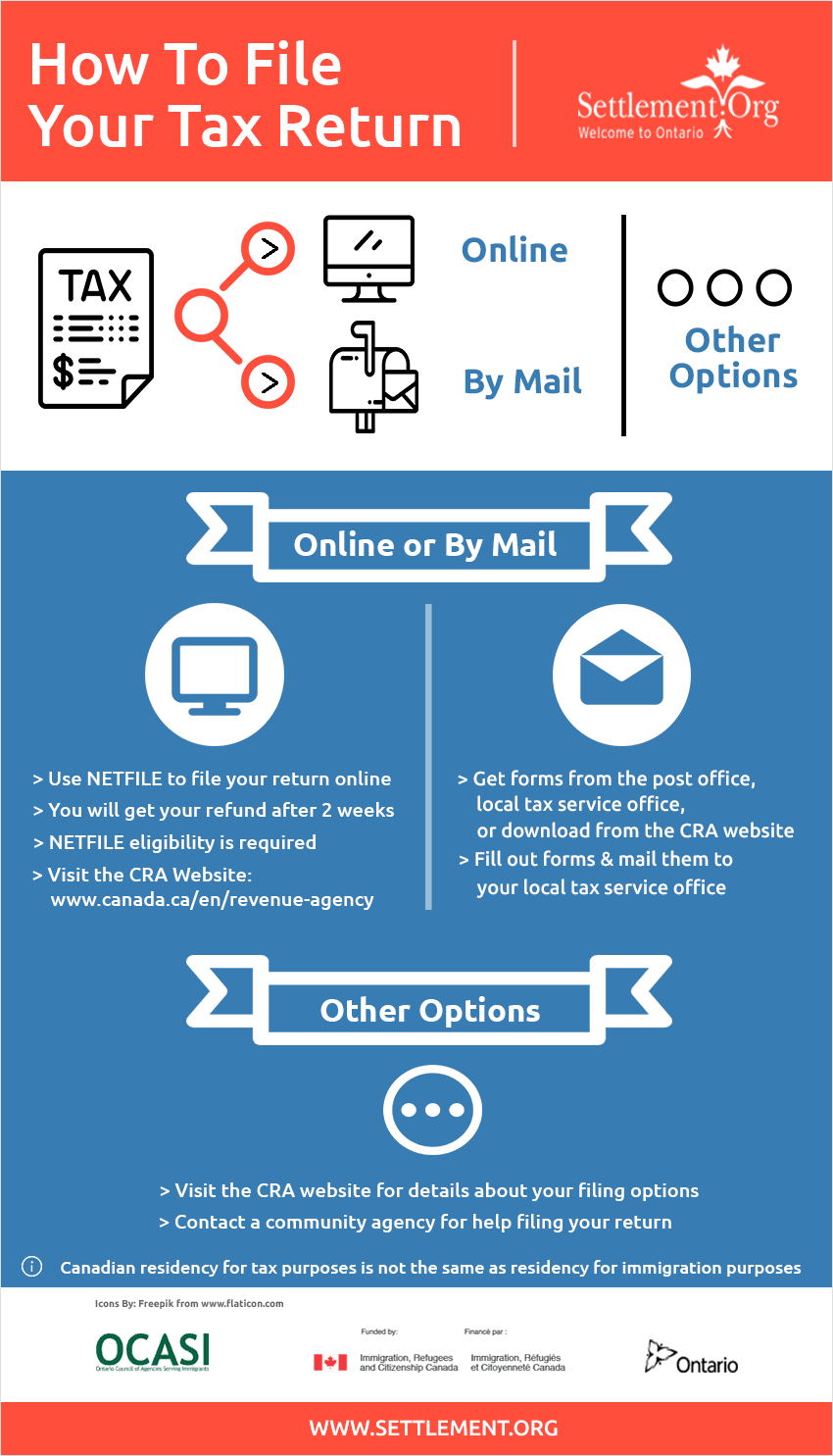
This comprehensive guide aims to demystify the tax filing process, providing you with the knowledge and tools to confidently navigate your annual financial obligation. We’ll break down who needs to file, what documents you’ll need, the various methods available for filing, and crucial post-filing considerations. By understanding these core elements, you can approach tax season with clarity, ensuring accuracy and optimizing your financial outcome.
Understanding Your Tax Filing Obligations
Before you even think about forms or software, it’s essential to understand whether you need to file a tax return and what specific deadlines apply to you. This foundational knowledge is crucial for avoiding penalties and ensuring compliance.
Who Needs to File?
The primary determinant for whether you need to file a federal income tax return in the United States is your gross income, which includes all income you receive that isn’t exempt from tax. The Internal Revenue Service (IRS) sets annual income thresholds, which vary based on your filing status (e.g., single, married filing jointly, head of household) and age. If your gross income exceeds these thresholds, you are generally required to file.
However, even if your income falls below these thresholds, there are several scenarios where filing is still advisable or mandatory. For instance, if you are self-employed and had net earnings of $400 or more, you must file a tax return to report your self-employment income and pay self-employment taxes (Social Security and Medicare taxes). Additionally, if you want to claim a refundable tax credit, such as the Earned Income Tax Credit (EITC) or the Child Tax Credit, you must file a return to receive that refund, even if you had no tax liability. Certain dependents with specific types of income may also have filing requirements. It’s always best to consult the IRS guidelines or a tax professional if you’re unsure about your specific situation.
Key Tax Filing Deadlines
The most widely known tax deadline for individual federal income tax returns is April 15th (or the next business day if April 15th falls on a weekend or holiday). This is the date by which most taxpayers must file their Form 1040 and pay any taxes owed. Missing this deadline can result in penalties for failure to file and failure to pay.
If you cannot file by the April deadline, you can typically request an automatic extension, which usually grants you an additional six months, pushing your filing deadline to October 15th. It’s crucial to understand that an extension to file is not an extension to pay. If you expect to owe taxes, you must estimate your tax liability and pay it by the original April deadline to avoid failure-to-pay penalties and interest. Self-employed individuals and those with significant income not subject to withholding may also have quarterly estimated tax payment deadlines throughout the year (April 15, June 15, September 15, and January 15 of the following year) to avoid underpayment penalties. State income tax deadlines often mirror federal deadlines but can vary, so it’s important to check your state’s specific requirements.
Types of Tax Returns
When we talk about “filing a tax return,” we’re generally referring to both federal and, if applicable, state income tax returns. The federal income tax return is filed with the IRS, with the most common form being Form 1040, U.S. Individual Income Tax Return. This is the primary form used by most taxpayers to report income, deductions, credits, and calculate their tax liability or refund. Depending on your specific financial situation, you might also need to attach various schedules (e.g., Schedule A for itemized deductions, Schedule C for business income/loss, Schedule D for capital gains/losses, Schedule SE for self-employment tax).
In addition to federal taxes, most states also levy an income tax. If you live or work in a state with an income tax, you will need to file a separate state tax return with your state’s revenue department. The forms and requirements for state taxes vary significantly by state, so it’s important to research your specific state’s tax laws. Some tax software programs can help you prepare both federal and state returns simultaneously, streamlining the process.
Gathering Your Essential Tax Documents
One of the most time-consuming yet critical phases of tax filing is collecting all the necessary documentation. Starting this process early can save you considerable stress and ensure accuracy. Think of your tax return as a financial story of your year, and these documents are the chapters proving its truthfulness.
Income Statements
These documents report the income you received throughout the year. They are typically mailed to you by employers, financial institutions, and clients by late January or early February.
- Form W-2, Wage and Tax Statement: If you are an employee, your employer will provide this form, detailing your wages, tips, other compensation, and the amount of federal, state, and local taxes withheld. You’ll receive a separate W-2 for each employer you had during the year.
- 1099 Forms: These forms report various types of non-employee income.
- Form 1099-NEC, Nonemployee Compensation: For independent contractors, freelancers, or anyone paid more than $600 by a single payer for services.
- Form 1099-MISC, Miscellaneous Income: Reports other types of income like rent payments, awards, or other miscellaneous income (less common for services since 1099-NEC was introduced).
- Form 1099-INT, Interest Income: From banks, credit unions, or other financial institutions.
- Form 1099-DIV, Dividends and Distributions: From stocks, mutual funds, and other investments.
- Form 1099-B, Proceeds From Broker and Barter Exchange Transactions: Reports sales of stocks, bonds, and other securities.
- Form 1099-R, Distributions From Pensions, Annuities, Retirement or Profit-Sharing Plans, IRAs, Insurance Contracts, etc.: If you received distributions from retirement accounts.
- Form 1099-K, Payment Card and Third Party Network Transactions: Reports payments received through third-party payment networks (e.g., PayPal, Stripe) and payment card transactions. The threshold for this form has been a subject of recent changes, so be aware of current year requirements.
- Schedule K-1, Partner’s Share of Income, Deductions, Credits, etc.: If you are a partner in a partnership, a shareholder in an S corporation, or a beneficiary of a trust or estate, you’ll receive a Schedule K-1 detailing your share of income or loss.
Deduction and Credit Documentation
To reduce your taxable income or your tax liability, you’ll need records for any deductions or credits you plan to claim. This can significantly impact your refund or tax owed.
- Form 1098, Mortgage Interest Statement: From your mortgage lender, showing the interest paid on your home loan.
- Form 1098-E, Student Loan Interest Statement: Reports the interest you paid on qualified student loans.
- Form 1098-T, Tuition Statement: From educational institutions, detailing qualified tuition and related expenses paid for higher education.
- Records of Child Care Expenses: If you paid for childcare, you’ll need the provider’s name, address, and tax identification number to claim the Child and Dependent Care Credit.
- Charitable Contribution Records: Receipts, acknowledgment letters, or bank statements for donations to qualified charities.
- Medical Expense Records: If you plan to itemize deductions and have significant medical expenses, keep records of payments for doctors, hospitals, prescriptions, and health insurance premiums not covered by your employer.
- Property Tax Records: Statements showing the amount of real estate taxes paid.
- Receipts for Business Expenses: If you’re self-employed, meticulous records of all business-related expenses (home office costs, supplies, travel, professional development, etc.) are crucial for Schedule C.
Other Relevant Financial Records
Don’t forget these additional items that might affect your return:
- Last Year’s Tax Return: This can serve as a valuable reference, reminding you of recurring deductions or credits and providing starting figures for certain forms.
- Proof of Health Insurance Coverage: While the penalty for not having minimum essential coverage was eliminated at the federal level, some states still require it.
- Records of Estimated Tax Payments: If you made estimated tax payments throughout the year, keep records of these payments.
- Bank Account Information: For direct deposit of your refund or direct debit of any taxes owed.
Organizing these documents into a dedicated folder or digital file as they arrive throughout the year will immensely simplify the filing process when tax season comes around.
Choosing Your Tax Filing Method
Once you’ve gathered all your documents, the next decision is how you’ll actually prepare and submit your return. You have several options, each with its own advantages and disadvantages, catering to different levels of complexity and comfort with financial matters.
DIY Online Tax Software
For many taxpayers, especially those with straightforward returns, online tax software offers a convenient and cost-effective solution. Platforms like TurboTax, H&R Block Online, TaxAct, and FreeTaxUSA guide you through the process step-by-step, asking questions and populating the relevant forms based on your answers.
- Pros: These platforms are generally affordable (often free for very simple returns), accessible 24/7, and provide a user-friendly interface. They perform calculations automatically, minimize mathematical errors, and offer built-in checks for common deductions and credits. Many also offer audit support and assistance.
- Cons: While user-friendly, they still require you to accurately input your information and understand the questions asked. For highly complex financial situations (e.g., intricate business structures, foreign income, multiple rental properties), relying solely on DIY software might lead to missed opportunities or errors if you’re not fully knowledgeable. Different versions of the software come with different feature sets and costs, so ensure you pick one that suits your needs.

Professional Tax Preparer
If your tax situation is complex, you own a business, have significant investments, or simply prefer to have an expert handle your financial affairs, hiring a professional tax preparer is an excellent choice.
- When to Consider One: You might benefit from a professional if you’re self-employed with numerous business expenses, recently experienced major life changes (marriage, divorce, new home purchase, birth of a child), have invested in complex financial instruments, or need advice on long-term tax planning strategies.
- Types of Preparers:
- Certified Public Accountants (CPAs): Licensed by their state boards of accountancy, CPAs have extensive training in accounting and tax law. They are often best suited for complex individual or business returns and can provide comprehensive financial advice.
- Enrolled Agents (EAs): Federally licensed by the IRS, EAs specialize in taxation and can represent taxpayers before the IRS. They are experts in tax law and are well-equipped to handle various tax situations.
- General Tax Services: Firms like H&R Block or Jackson Hewitt offer professional tax preparation services, often catering to a wide range of individual tax situations.
- Pros: Professionals offer expertise, ensuring accuracy and helping you identify all eligible deductions and credits. They can provide peace of mind and often offer audit support.
- Cons: The cost is generally higher than DIY software, ranging from a few hundred dollars to thousands, depending on the complexity of your return and the preparer’s qualifications. Always choose a reputable preparer with good credentials.
Free Tax Filing Options
The IRS provides and supports several options for free tax filing, particularly for low-to-moderate income taxpayers.
- IRS Free File: This program allows taxpayers with an Adjusted Gross Income (AGI) below a certain threshold (which changes annually) to use guided tax preparation software provided by commercial partners (e.g., TurboTax Free File, TaxSlayer Free File). If your income is above the threshold, you can still use Free File Fillable Forms, which are electronic versions of IRS paper forms.
- VITA/TCE Programs: The Volunteer Income Tax Assistance (VITA) program offers free tax help to people who generally make $64,000 or less, persons with disabilities, and limited English-speaking taxpayers. The Tax Counseling for the Elderly (TCE) program provides free tax help for all taxpayers, particularly those who are 60 years of age and older, specializing in questions about pensions and retirement-related issues. These programs are staffed by IRS-certified volunteers and are available in communities nationwide. They are an excellent resource for personalized, free assistance.
Choosing the right method depends on your comfort level, the complexity of your financial situation, and your budget. Regardless of the method, the goal is always to file an accurate and timely return.
The Step-by-Step Filing Process
Once you’ve gathered your documents and chosen your filing method, you’re ready to dive into the process. Whether you’re using software or working with a professional, the core steps remain similar.
Entering Your Information
This is where all your collected documents come into play.
- Personal Details: You’ll start by providing basic information: your name, Social Security number, date of birth, and filing status. If you have dependents, you’ll need their information as well.
- Income: Systematically enter all your income, using your W-2s, 1099s, K-1s, and other income statements. For self-employed individuals, this means tallying all your business income and separating it from personal income.
- Deductions and Credits: This is where you reduce your taxable income or your actual tax liability.
- Deductions: These reduce the amount of income subject to tax. You’ll generally choose between taking the standard deduction (a fixed amount based on your filing status) or itemizing deductions (listing out specific expenses like mortgage interest, state and local taxes, charitable contributions, and medical expenses). You should choose whichever results in a lower taxable income.
- Credits: These directly reduce the amount of tax you owe, dollar-for-dollar. Some credits, like the Child Tax Credit or Education Credits, can be non-refundable (reduce your tax to zero) or refundable (can result in a refund even if you owe no tax). Ensure you have documentation for every deduction and credit you claim.
Reviewing Your Return
This is a critical step that should never be rushed.
- Double-Checking for Accuracy: Carefully review all entered data against your original documents. Even a small typo in a Social Security number or an income amount can cause delays or issues.
- Avoiding Common Mistakes: Look out for common errors such as choosing the wrong filing status, forgetting to sign and date your return (if mailing), leaving fields blank, or incorrect bank account information for direct deposit/debit. Tax software often has built-in error checkers, but a manual review is always prudent.
- Understanding Your Tax Liability/Refund: Once all information is entered, the software or preparer will calculate your final tax liability or refund. Take the time to understand these figures. Does the refund amount seem reasonable given your withholdings and deductions? Do you understand why you owe tax if that’s the case? This understanding is vital for future tax planning.
Submitting Your Return
Once reviewed and deemed accurate, it’s time to submit your return.
- E-filing vs. Mail:
- E-filing (Electronic Filing): This is the most common and recommended method. It’s faster, more accurate (due to built-in error checks), and provides instant confirmation that your return has been received by the IRS (and your state, if applicable). Refunds are typically processed much quicker with e-filing and direct deposit.
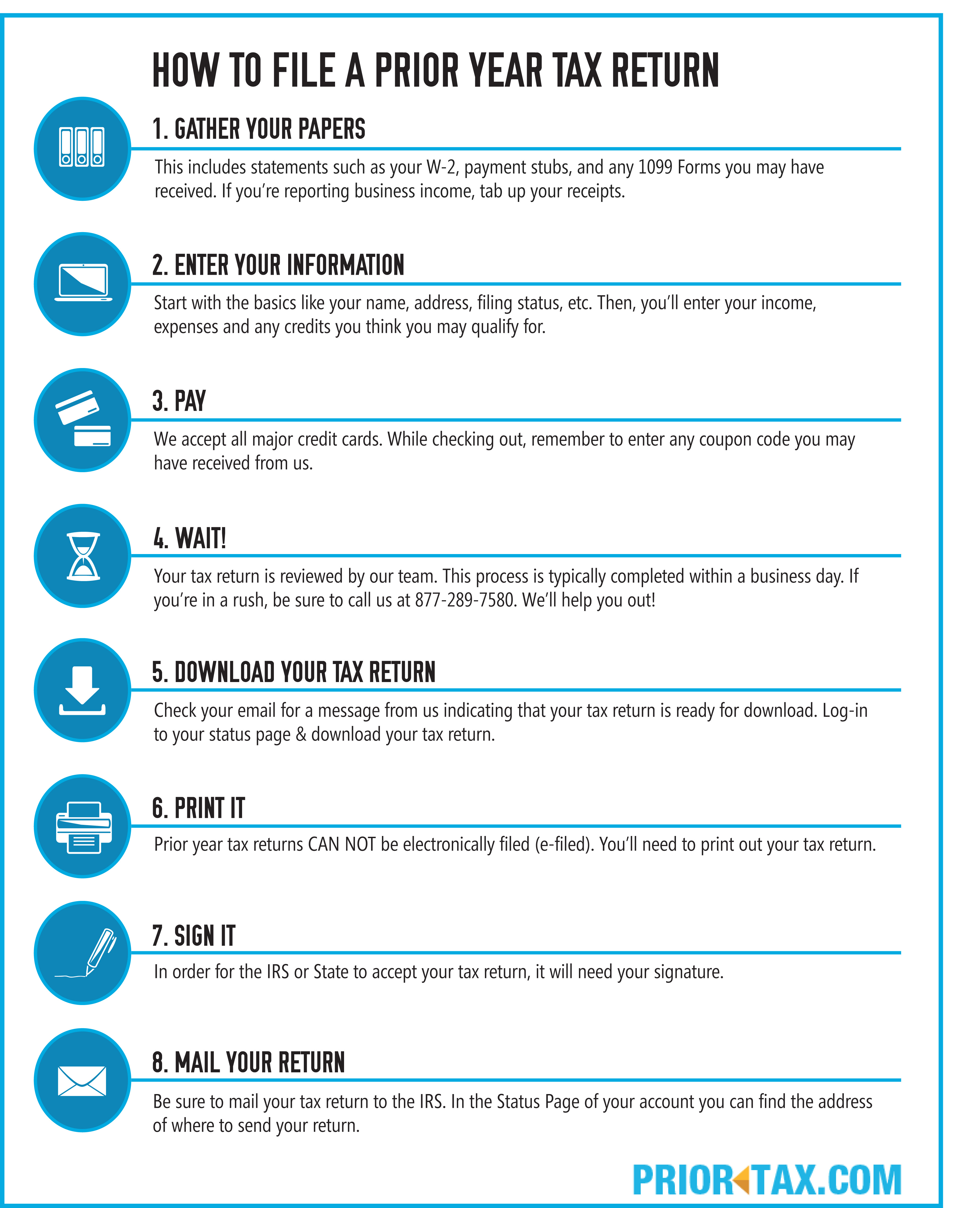
- Mail: If you choose to mail a paper return, ensure it is signed and dated. Make a copy for your records before sending. Use certified mail with a return receipt for proof of mailing. This method is slower and carries a higher risk of errors or delays.
- Importance of Confirmation: Whether e-filing or mailing, always retain proof of submission. For e-filing, this is usually an acceptance confirmation from the IRS. For mail, it’s your certified mail receipt.
Paying Taxes Owed (or Receiving Your Refund)
- Payment Options: If you owe taxes, you typically have several ways to pay:
- Direct Debit: If e-filing, you can authorize the IRS to debit your bank account on a specific date (up to the filing deadline).
- IRS Direct Pay: Pay directly from your checking or savings account for free on the IRS website.
- Debit/Credit Card: You can pay through third-party processors, though a processing fee usually applies.
- Check or Money Order: Mail a check or money order with Form 1040-V, Payment Voucher.
- Direct Deposit for Refunds: If you’re due a refund, electing direct deposit into your bank account is the fastest way to receive it. Make sure your bank account information is entered correctly.
Post-Filing Considerations and Best Practices
Filing your return isn’t the absolute end of your tax journey. There are crucial steps and considerations after submission that can protect you and prepare you for future tax years.
Keeping Records Securely
Good record-keeping is paramount.
- How Long to Keep Documents: The IRS generally recommends keeping tax returns and supporting documents for at least three years from the date you filed your original return or two years from the date you paid the tax, whichever is later. For certain situations, such as underreporting income by 25% or more, the limit extends to six years. Keep records indefinitely for any non-deductible contributions to IRAs or other retirement accounts.
- Digital vs. Physical Storage: You can store documents physically in an organized file cabinet or digitally using secure cloud storage or an encrypted hard drive. Ensure backups are made for digital files.
Amending a Return
Life happens, and sometimes you might discover an error or overlook a deduction after you’ve filed your return.
- When and How to File Form 1040-X: If you need to correct a mistake, claim a credit or deduction you missed, or report additional income, you can file Form 1040-X, Amended U.S. Individual Income Tax Return. You typically have three years from the date you filed your original return or two years from the date you paid the tax, whichever is later, to file an amended return. Do not file another original return.
What to Do If Audited
Receiving an audit notice can be alarming, but it’s not necessarily a sign of wrongdoing.
- Don’t Panic: Many audits are correspondence audits, meaning they can be resolved by mail by providing specific requested documentation.
- Respond Promptly: The IRS notice will specify what information they need and by what deadline. Gather all requested documents carefully.
- Seek Professional Help: If the audit is complex or involves significant amounts, consider engaging the professional who prepared your return or another tax professional (like a CPA or Enrolled Agent) to represent you. They have experience dealing with the IRS and can advocate on your behalf.
Proactive Tax Planning for Next Year
The best way to simplify tax season is to plan throughout the year.
- Adjusting Withholdings: Review your Form W-4 (Employee’s Withholding Certificate) with your employer, especially if you had a significant refund or owed a substantial amount this year. Adjusting your withholdings can help ensure you’re neither overpaying nor underpaying taxes throughout the year.
- Maximizing Deductions: Keep meticulous records of all potential deductions and credits. Consider contributing more to tax-advantaged accounts like 401(k)s, IRAs, or HSAs, which can reduce your taxable income.
- Estimating Self-Employment Taxes: If you’re self-employed, accurately estimate your income and expenses to make timely quarterly estimated tax payments, avoiding penalties.
- Annual Financial Review: Regularly review your financial situation to identify any changes that could impact your taxes.
Conclusion
Filing a tax return is a fundamental responsibility that, when approached systematically, can be a straightforward process. It’s an integral part of responsible personal finance, offering not only compliance but also an opportunity to assess your financial health and plan for the future. By understanding your obligations, diligently gathering your documents, selecting the appropriate filing method, and carefully executing each step, you can confidently navigate tax season. Remember, proactive planning throughout the year can significantly ease the burden, turning what many perceive as a chore into a manageable and even insightful annual review of your financial standing. Don’t hesitate to consult with qualified tax professionals for complex situations or when you need personalized advice; their expertise can be an invaluable asset in optimizing your financial outcomes.
aViewFromTheCave is a participant in the Amazon Services LLC Associates Program, an affiliate advertising program designed to provide a means for sites to earn advertising fees by advertising and linking to Amazon.com. Amazon, the Amazon logo, AmazonSupply, and the AmazonSupply logo are trademarks of Amazon.com, Inc. or its affiliates. As an Amazon Associate we earn affiliate commissions from qualifying purchases.