
In the intricate world of personal finance, a routing number might seem like a small detail, yet it is a fundamental component underpinning almost every digital financial transaction. From setting up direct deposit for your paycheck to paying bills online or even sending money to a friend, this nine-digit code acts as the essential roadmap, guiding funds to and from your specific bank. For many, the need to locate this number often arises unexpectedly – perhaps when applying for a new job, configuring a payment gateway, or arranging a crucial money transfer. While seemingly obscure, finding your routing number is generally a straightforward process once you know where to look.

This article delves into the critical role of your bank’s routing number, distinguishes it from other financial identifiers, and provides a comprehensive guide to locating it through various accessible methods. We’ll also explore best practices for its secure handling, address common pitfalls, and offer insights into advanced considerations, ensuring you’re well-equipped to manage your financial transactions with confidence and precision. Understanding this crucial piece of financial information is not just about convenience; it’s about empowering yourself with the knowledge to navigate the modern financial landscape securely and efficiently.
Understanding the Cornerstone of Financial Transactions: What is a Routing Number?
At its core, a routing number is a nine-digit code used to identify the financial institution at which an account is held. Primarily used in the United States, these numbers are officially known as American Bankers Association (ABA) routing transit numbers. They facilitate the processing of electronic funds transfers (EFTs), such as direct deposits, wire transfers, and automated clearing house (ACH) transactions, ensuring that money moves accurately between different banks and credit unions. Without this unique identifier, your funds could end up in the wrong bank, or worse, be lost in the vast financial network.
The Fundamental Role in Fund Transfers
Every time you initiate a transaction that involves moving money electronically from one financial institution to another, your routing number plays an indispensable role. When an employer initiates a direct deposit, for instance, they use your routing number to tell their bank where to send the funds, and your bank then uses it to verify that the incoming funds are intended for one of its accounts. Similarly, when you set up an automatic bill payment, your routing number ensures the utility company can correctly debit your account from your specific bank. This system prevents misdirection of funds and ensures the smooth and secure flow of money across the national banking infrastructure.
The architecture of routing numbers is designed for efficiency and error prevention. The first four digits typically identify the Federal Reserve District where the financial institution is located. The next four digits identify the specific institution itself, and the final digit is a checksum digit used to detect errors in transcription. This robust design underpins the integrity of billions of transactions daily, making it a silent guardian of your financial movements.
Distinguishing Between Routing and Account Numbers
It’s common for individuals to confuse routing numbers with account numbers, but they serve distinct purposes. While both are essential for financial transactions, they identify different entities.
-
Routing Number: Identifies the bank or financial institution. Think of it as the street address of a building. All customers of a particular bank branch (or sometimes the entire bank) will share the same routing number for certain types of transactions.
-
Account Number: Identifies your specific account within that bank. This is like your apartment number within that building. Your account number is unique to you and your specific checking, savings, or other financial account.
When making a transaction, you typically need both: the routing number to direct funds to the correct bank and the account number to ensure those funds land in your specific account within that bank. Providing one without the other, or mixing them up, will almost certainly lead to transaction failures or delays, potentially incurring fees or causing significant inconvenience. Therefore, understanding and accurately providing both numbers is paramount for seamless financial operations.
Key Scenarios Where Your Routing Number is Indispensable
The need for your routing number arises in a surprisingly wide array of financial activities. Being prepared with this information can save you time and prevent last-minute rushes.
Here are some of the most common scenarios:
-
Direct Deposit Setup: This is perhaps the most frequent need. Employers, government agencies (for tax refunds or benefits), and investment firms often require your routing number to directly deposit funds into your bank account.
-
Automatic Bill Payments: When setting up recurring payments for utilities, loans, or subscriptions directly from your bank account, you’ll provide your routing and account numbers.
-
Electronic Tax Payments: Paying federal or state taxes electronically usually involves inputting your banking details, including your routing number.
-
Wire Transfers: Sending or receiving money via wire transfer, particularly for larger sums or international transactions, will always require the routing number for the beneficiary’s bank. (Note: Wire transfers often use a specific routing number that may differ from the standard ACH routing number.)
-
ACH Transfers (Sending and Receiving): This includes peer-to-peer payments services, linking external accounts for transfers, or setting up recurring payments to a service provider.
-
Ordering New Checks: When you order new checks from a third-party provider, they will need your bank’s routing number to pre-print it on your checks.
-
Account Linking for Financial Apps: Many budgeting apps or investment platforms require you to link your bank account using your routing and account numbers to monitor transactions or facilitate transfers.
Having your routing number readily accessible or knowing exactly where to find it empowers you to handle these financial tasks efficiently and without delay.
Practical Pathways: Where to Look for Your Routing Number
Fortunately, finding your routing number is not a cryptic quest. Banks make this information widely available through multiple channels, catering to various preferences and situations. Whether you prefer digital convenience or traditional paper documentation, there’s a reliable method for you.
The Traditional Checkbook: A Reliable Physical Source
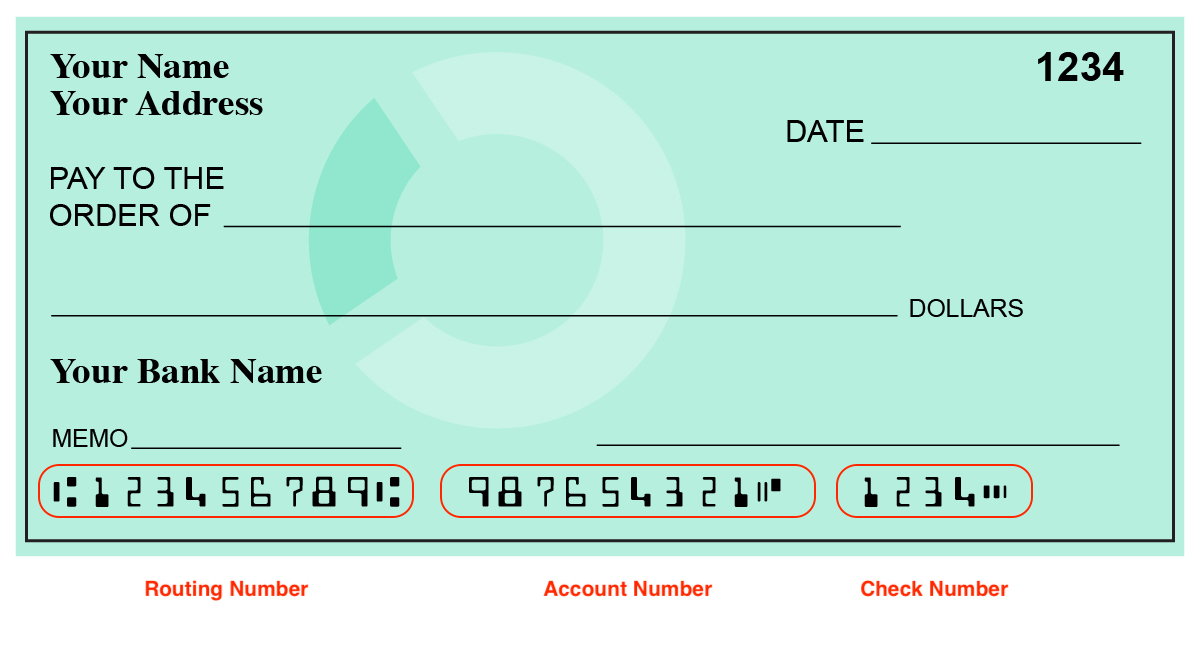
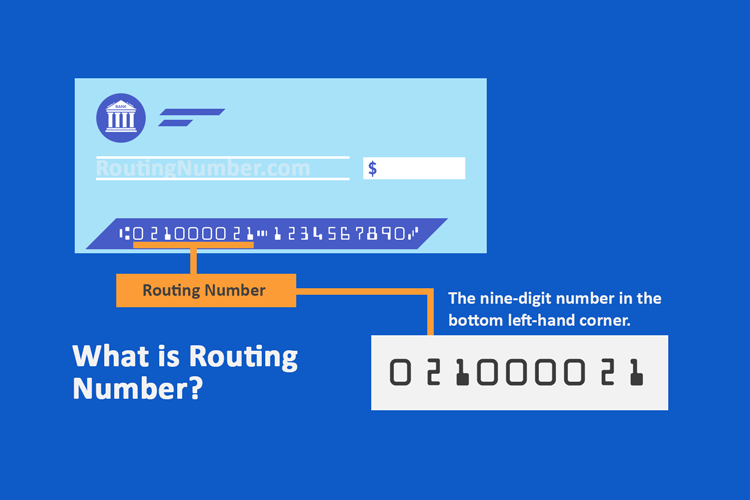
For those who still use physical checks, your checkbook is arguably the most straightforward and traditional place to find your routing number. Look at the bottom left-hand corner of any check. You will typically see three sets of numbers printed in a specific order:
-
The Routing Number: This is almost always the first set of nine digits on the left.
-
Your Account Number: This is usually the second set of numbers, following the routing number.
-
The Check Number: This is the last set of numbers, corresponding to the check’s sequence.
It’s important to verify the order, as some banks might present them slightly differently, but the routing number is consistently nine digits. If you have deposit slips, the routing number will also be present there, usually in the same position. This method is quick, reliable, and doesn’t require internet access or contacting your bank.
Leveraging Online and Mobile Banking Platforms
In today’s digital age, online and mobile banking platforms have become the go-to resources for most financial inquiries. Your routing number is almost always prominently displayed or easily accessible within your account dashboard.
-
Online Banking: After logging into your bank’s website, look for sections like “Account Details,” “Account Summary,” “Direct Deposit Information,” or “Statements & Documents.” Some banks even display it directly on the main dashboard for your checking or savings account. A quick search within the platform’s help section for “routing number” will also often point you in the right direction.
-
Mobile Banking Apps: Similar to online banking, most mobile apps provide easy access to your routing number. Navigate to your account details or settings. Many apps have a dedicated “Direct Deposit Info” section that clearly lists both your routing and account numbers, sometimes even offering a convenient option to email or print this information.
These digital methods are excellent for their convenience and immediacy, allowing you to access the information from anywhere with an internet connection.
Digging Through Your Bank Statements (Paper or Digital)
Bank statements, whether received in the mail or downloaded digitally, are another reliable source for your routing number.
-
Paper Statements: If you receive paper statements, your routing number is typically printed somewhere on the statement, often near your account number, bank address, or in a dedicated “Account Information” section. Look carefully at the top or bottom of the statement.
-
Digital Statements: For those who opt for paperless statements, you can access past statements through your online banking portal. Download a recent statement (usually in PDF format), and you’ll find the routing number in the same location as it would be on a physical copy. This method offers a secure and documented way to retrieve the information.
Using bank statements is particularly useful if you don’t have a physical checkbook and prefer not to log into your primary banking platform directly for quick retrieval, or if you need to confirm the number for an older account.
Direct Communication: Contacting Your Bank
When all else fails, or if you prefer direct human interaction, calling your bank’s customer service line is always an option. Be prepared to verify your identity by providing personal information such as your account number, date of birth, social security number, or by answering security questions.
-
Customer Service: The customer service representative will be able to provide you with the correct routing number for your specific account and transaction type. This is particularly advisable if you are unsure about using different routing numbers for different types of transfers (e.g., ACH vs. wire).
-
Visiting a Branch: If you have a local branch, walking in and speaking with a teller or customer service representative is another reliable way to get the information. Remember to bring a valid ID.
While these methods might take slightly longer, they offer the highest level of certainty and are ideal for complex queries or when you have doubts.
The ABA Website: A Publicly Accessible Database
The American Bankers Association (ABA) maintains a public database of routing numbers. While not as direct as checking your own bank resources, this can be a useful tool if you need to look up a routing number for a bank you don’t personally bank with, or as an additional verification step. You’ll typically need to know the bank’s name and sometimes its location or ZIP code to find the correct number. Be cautious when using third-party routing number lookup sites, and always verify the information with your bank or official sources if possible.
Safeguarding Your Financial Identity: Security and Best Practices
While knowing how to find your routing number is essential, understanding how to protect it is equally critical. Like your account number, your routing number is a piece of sensitive financial information that, in the wrong hands, could potentially be used for fraudulent activities.
The Importance of Protecting Sensitive Data
Your routing number, combined with your account number, can enable unauthorized individuals to initiate transactions, potentially leading to financial loss. While federal regulations offer some protection against unauthorized transactions, prevention is always the best defense. Treat your routing number with the same caution you would your Social Security number or credit card details.
Be mindful of where you store this information. Avoid writing it down on easily accessible notes or storing it unencrypted on your devices. If you’re sharing it electronically, ensure the method is secure (e.g., a secure portal, not an unencrypted email).
Prudent Sharing: When and How to Disclose Your Routing Number
Knowing when and how to share your routing number is key to maintaining financial security.
-
When to Share: It’s generally safe to share your routing number with trusted entities for legitimate purposes, such as your employer for direct deposit, a reputable bill payment service, or a financial institution when linking accounts. When initiating a payment to you, such as a refund or payment from a legitimate business, sharing your routing and account number is standard practice.
-
When to Be Cautious: Be extremely wary of requests for your routing number from unsolicited emails, text messages, or phone calls, especially if they claim to be from your bank or a government agency. Scammers often attempt to phish for this information. Your bank will never ask you for your routing and account numbers via email or text.
-
Secure Methods: Always use secure, encrypted channels when transmitting sensitive financial information. If an online form requires your routing number, ensure the website has “https://” in its URL and displays a padlock icon, indicating a secure connection.
Double-Checking for Accuracy: Mitigating Errors
A common source of transaction issues is a simple typo. A single incorrect digit in either your routing or account number can lead to failed transactions, delays, or, in rare cases, funds being deposited into the wrong account.
-
Verification: Always double-check the numbers you’ve entered against a reliable source (your check, online banking, or bank statement).
-
Confirm with Recipient: If you’re providing your routing number for someone to send you money, it’s a good practice to confirm the number with them to ensure they have entered it correctly.
-
Different Routing Numbers for Different Purposes: Some banks use different routing numbers for specific transaction types (e.g., ACH vs. wire transfers). Always confirm with your bank which routing number is appropriate for the transaction you are initiating or receiving. Using the wrong routing number for a wire transfer, for example, could result in delays and additional fees.
Taking these precautions will significantly reduce your risk of financial errors and enhance the security of your transactions.
Common Challenges and Advanced Insights for Routing Numbers
While finding and using your routing number is generally straightforward, certain situations can introduce complexities. Understanding these nuances can help you navigate more intricate financial scenarios with greater ease.
Navigating Multiple Routing Numbers: ACH vs. Wire Transfers
A significant point of confusion for many is the existence of multiple routing numbers for a single bank. This most commonly arises in the distinction between ACH (Automated Clearing House) transfers and wire transfers.
-
ACH Routing Number: This is the most common routing number, used for everyday electronic transactions like direct deposits, online bill payments, and peer-to-peer transfers. It’s typically the one found on your checks and within your online banking portal.
-
Wire Transfer Routing Number: Some banks use a different routing number specifically for wire transfers. Wire transfers are often used for larger, time-sensitive, or international transactions and typically involve a higher level of security and fees. The wire routing number may be different because wire transfers often go through a different processing system (the Federal Reserve’s Fedwire system) than ACH transactions. Always confirm the correct wire transfer routing number directly with your bank, as using the standard ACH routing number for a wire could lead to significant delays or transaction failure.
When initiating or receiving a wire transfer, it’s imperative to explicitly ask your bank for their wire transfer routing number to avoid complications.
What Happens During Bank Mergers or Acquisitions?
Bank mergers and acquisitions are common occurrences in the financial industry. When your bank is acquired by another, or two banks merge, there can be implications for your routing number.
-
Transition Period: Typically, there’s a transition period where old routing numbers remain valid alongside the new ones. Your bank will communicate these changes well in advance, advising you to update direct deposit information, automatic payments, and other recurring transactions.
-
Permanent Change: Eventually, the old routing numbers will be phased out, and all transactions will require the new routing number of the merged entity. It’s crucial to pay attention to communications from your bank during these times and update your information promptly to ensure uninterrupted financial services.
-
Checking Current Information: If you suspect your bank might have merged, always verify your current routing number through online banking or by contacting customer service before initiating any critical transactions.
Troubleshooting: When You Can’t Seem to Find It
Despite all the methods available, there might be rare instances where you struggle to locate your routing number.
-
Small Credit Unions/Niche Banks: Smaller institutions might not have their routing number as prominently displayed as larger banks. In such cases, your best bet is always to call their customer service directly.
-
Prepaid Cards/Online-Only Accounts: Some prepaid debit cards or certain online-only financial services might have unique systems or may not have a traditional routing number in the same way a standard bank account does. Always refer to the specific terms and conditions or help section of the service provider, or contact their support.
-
Expired/Closed Accounts: If you’re trying to find a routing number for an account that has been closed for a significant period, it might be more challenging. Your bank may still be able to provide historical information, but transaction capabilities would cease.
The Global Perspective: Routing Numbers Beyond Borders
While this article focuses on the U.S. routing number system, it’s worth noting that other countries use similar identifiers for interbank transfers. Internationally, the most common identifiers are the Bank Identifier Code (BIC) or SWIFT code (Society for Worldwide Interbank Financial Telecommunication). These alphanumeric codes serve a similar purpose to routing numbers, identifying specific banks and sometimes specific branches for international wire transfers. If you’re involved in international transactions, you’ll likely need a SWIFT/BIC code in addition to your bank account number and the beneficiary’s name and address.
Mastering the use and understanding of your bank’s routing number is a fundamental aspect of effective personal financial management in the digital age. By knowing where to find it, how to protect it, and the nuances of its application, you empower yourself to conduct your financial life with greater confidence, accuracy, and security.
aViewFromTheCave is a participant in the Amazon Services LLC Associates Program, an affiliate advertising program designed to provide a means for sites to earn advertising fees by advertising and linking to Amazon.com. Amazon, the Amazon logo, AmazonSupply, and the AmazonSupply logo are trademarks of Amazon.com, Inc. or its affiliates. As an Amazon Associate we earn affiliate commissions from qualifying purchases.