
Understanding your annual income is one of the most fundamental steps in personal financial management. It’s the bedrock upon which all your budgeting, saving, investing, and financial planning rests. Without a clear and accurate picture of how much money flows into your household each year, it’s virtually impossible to set realistic financial goals, manage debt effectively, or even understand your tax obligations. Whether you’re a salaried employee, a freelance professional, a small business owner, or juggling multiple income streams, the process of calculating your annual income can seem daunting. However, by breaking it down into manageable steps and understanding the various components, you can gain invaluable clarity and control over your financial life.

This comprehensive guide will demystify the process, walking you through everything from identifying different income sources and distinguishing between gross and net earnings, to practical calculation methods and the profound impact an accurate figure has on your financial well-being. By the end, you’ll not only know how to figure your annual income but also appreciate why this knowledge is an indispensable tool in your financial arsenal.
Understanding the Fundamentals of Annual Income
Before diving into the numbers, it’s crucial to grasp what annual income truly represents and why its accurate assessment is non-negotiable for anyone serious about financial health.
Defining Annual Income
At its core, annual income is the total amount of money or earnings an individual or household receives over a one-year period. This period typically aligns with the calendar year (January 1st to December 31st) for tax purposes, but for personal planning, it can also refer to any consecutive 12-month period. It’s a comprehensive measure that goes beyond just your primary salary or wages, encompassing a multitude of potential revenue streams. Think of it as the sum total of all the financial resources you have at your disposal before any significant deductions.
Why Knowing Your Annual Income is Crucial
The importance of accurately knowing your annual income extends far beyond simple curiosity. It’s a foundational metric for almost every financial decision you’ll make:
- Budgeting and Spending: Your income dictates how much you can realistically spend, save, and invest. A precise figure allows you to create a budget that aligns with your actual financial capacity, preventing overspending and promoting disciplined saving.
- Tax Planning: The U.S. progressive tax system means your income level determines your tax bracket and overall tax liability. Knowing your annual income helps you estimate your taxes, identify potential deductions, and avoid unwelcome surprises at tax time. For self-employed individuals, it’s critical for estimating quarterly taxes.
- Loan and Credit Applications: Lenders for mortgages, car loans, personal loans, and even credit cards heavily rely on your annual income to assess your ability to repay debt. A higher, verifiable income typically translates to better loan terms and higher approval chances. Your debt-to-income ratio, a key factor for lenders, directly uses your annual income.
- Financial Goal Setting: Whether you’re saving for a down payment, retirement, a child’s education, or a major purchase, your annual income informs how quickly you can achieve these goals and how aggressively you need to save.
- Understanding Financial Health: A clear picture of your income helps you benchmark your financial progress year-over-year and provides context for understanding your overall financial health and potential for growth.
Sources of Income: A Comprehensive Overview
One of the most common pitfalls in calculating annual income is overlooking certain revenue streams. Income isn’t always a straightforward paycheck; it can come from numerous avenues, some more obvious than others.
Traditional Employment Wages and Salaries
This is the most common form of income for many.
- Salaried Employees: If you earn a fixed salary, your annual income from this source is simply your gross annual salary. For example, $60,000 per year.
- Hourly Employees: For those paid hourly, your income depends on the number of hours worked. Multiply your hourly rate by the number of hours typically worked per week, then by 52 (weeks in a year). Remember to account for overtime pay, which is often paid at a higher rate (e.g., time and a half).
Self-Employment and Business Income
This category covers freelancers, independent contractors, gig workers, and small business owners.
- Freelancers/Independent Contractors (1099 Income): Your income here is the total revenue generated from your clients before any business expenses are deducted. You’ll typically receive 1099-NEC forms from clients if you earn over a certain threshold.
- Sole Proprietors/Partnerships: Your income is the business’s gross revenue minus its legitimate business expenses (e.g., supplies, marketing, office rent). What’s left is your net self-employment income, which is what you’re taxed on.
- Corporation Owners: If your business is structured as a corporation (S-Corp, C-Corp), you might pay yourself a salary (W-2 income) and/takedistributions/dividends. Both must be factored into your total annual income.
Investment Income
Money can also make money, and these earnings contribute to your overall annual income.
- Dividends: Payments from stocks you own.
- Interest: Earnings from savings accounts, CDs, bonds, or money market accounts.
- Capital Gains: Profits from selling assets like stocks, real estate, or other investments for more than you paid for them. Short-term (assets held less than a year) and long-term (assets held more than a year) capital gains are taxed differently.
- Rental Income: Money earned from renting out property, after deducting relevant expenses (mortgage interest, property taxes, maintenance, etc.).
Other Income Streams
Don’t forget these potentially significant contributors:
- Pensions and Retirement Distributions: Income from a pension plan or withdrawals from retirement accounts (401k, IRA).
- Social Security Benefits: Payments received from Social Security.
- Alimony and Child Support: While child support is generally not considered taxable income for the recipient (or deductible for the payer), alimony rules vary based on when the agreement was finalized.
- Side Hustles and Gig Economy Earnings: Income from ridesharing, food delivery, selling goods online, tutoring, consulting, or any other supplementary work. Even small amounts add up.
- Royalties: Earnings from intellectual property like books, music, or patents.
- Unemployment Benefits: Payments received during periods of unemployment.
Gross vs. Net Income: A Critical Distinction
When discussing annual income, it’s vital to differentiate between “gross” and “net” figures. Confusing the two can lead to significant budgeting errors and a skewed perception of your financial reality.
What is Gross Income?
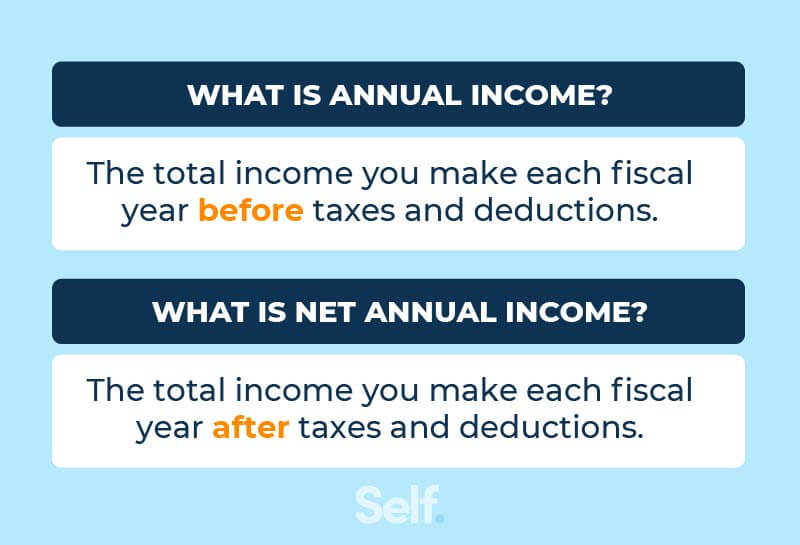
Gross income is your total earnings before any deductions or taxes are withheld. It’s the headline number your employer might quote, or the total revenue your business generates before expenses. For a salaried employee, it’s your annual salary. For an hourly employee, it’s your total hours worked multiplied by your hourly rate (plus overtime) before anything is taken out. For self-employed individuals, it’s your total revenue from clients/sales. Gross income is what lenders typically ask for when assessing your ability to repay debt, as it represents your maximum earning potential.
Understanding Deductions and Withholdings
Once your gross income is determined, various deductions and withholdings come into play, reducing the amount you actually receive. These can include:
- Taxes:
- Federal Income Tax: Withheld by your employer and remitted to the IRS.
- State Income Tax: Applicable in most states.
- Local Income Tax: Applicable in some cities or municipalities.
- FICA Taxes (Social Security and Medicare): These are mandatory payroll taxes that fund Social Security and Medicare benefits. For self-employed individuals, this is known as self-employment tax.
- Pre-Tax Deductions: These reduce your taxable income. Examples include contributions to a 401(k), traditional IRA, health savings account (HSA), or premiums for certain health insurance plans.
- Post-Tax Deductions: These are taken from your pay after taxes have been calculated. Examples include Roth 401(k) or Roth IRA contributions, certain insurance premiums, or charitable donations deducted directly from pay.
- Other Withholdings: Union dues, garnishments, or other voluntary deductions.
What is Net Income (Take-Home Pay)?
Net income, often referred to as “take-home pay,” is the amount of money you actually receive after all taxes, deductions, and withholdings have been removed from your gross income. This is the figure that hits your bank account and is the most important number for day-to-day budgeting and living expenses. While gross income is important for macro financial planning and loan applications, net income is your real spending power. It’s crucial to understand both, but particularly to base your budget on your net income.

Practical Steps to Calculate Your Annual Income
Now that we’ve covered the components, let’s get down to the practical application of figuring out your annual income. The process will vary slightly depending on your employment situation, but the core principle remains the same: meticulous record-keeping and summation.
Gathering Your Financial Documents
The first and most critical step is to collect all relevant financial documents from the past year. These are your primary sources of truth:
- Pay Stubs: For employed individuals, your last pay stub of the year (or all of them) will show year-to-date gross earnings and deductions.
- W-2 Forms: Employers issue W-2s by January 31st each year, summarizing your gross wages, taxes withheld, and other deductions for the previous year.
- 1099 Forms (NEC, MISC, K, R, INT, DIV):
- 1099-NEC: For nonemployee compensation (freelance, contract work).
- 1099-MISC: For various other income types (e.g., rent, royalties, prizes).
- 1099-K: For payment card and third-party network transactions (e.g., PayPal, Etsy sales, ridesharing platforms).
- 1099-R: For distributions from pensions, annuities, retirement plans, IRAs, etc.
- 1099-INT: For interest income.
- 1099-DIV: For dividend income.
- Bank Statements: Review bank statements for any direct deposits not covered by W-2s or 1099s, especially for cash-based income or miscellaneous earnings.
- Investment Statements: Year-end statements from brokerage accounts, mutual funds, or real estate investments will detail capital gains, dividends, and interest.
- Business Records: If self-employed, compile your income and expense records (ledgers, accounting software reports, invoices, receipts).
Calculating for Salaried Employees
This is generally the simplest calculation.
- Locate your W-2 Form: Box 1 typically shows your taxable wages, tips, and other compensation. This is your gross annual income from that employer.
- Add all W-2s: If you had multiple employers in the year, sum the Box 1 amounts from all your W-2s.
- Include other income: Don’t forget any investment income, side hustle earnings (from 1099s or cash), or other sources as listed in the previous section.
Calculating for Hourly Employees
- Use W-2s: Similar to salaried employees, start with Box 1 of your W-2(s).
- Review Pay Stubs (if W-2 isn’t ready or for projection): If projecting future income or if your W-2 isn’t available, find your year-to-date gross pay on your last pay stub. This includes regular hours, overtime, and any bonuses.
- Account for Fluctuations: If your hours vary significantly, you might need to average your weekly or bi-weekly gross pay over a few months to get a realistic annual projection.
Calculating for Self-Employed Individuals/Business Owners
This can be the most complex due to irregular income and expenses.
- Sum All Gross Revenue: Add up all income received from clients, sales, and other business activities. Use 1099-NEC, 1099-K, and your own invoicing/sales records.
- Total Business Expenses: Compile all legitimate business expenses (supplies, software, travel, marketing, rent, etc.).
- Calculate Net Self-Employment Income: Subtract your total business expenses from your total gross revenue. This “net profit” is the primary component of your self-employment income.
- Add Other Income: Don’t forget any W-2 income (if you also work a traditional job), investment income, or other sources.
Self-employed individuals often need to project income for estimated tax payments, requiring consistent record-keeping throughout the year.
Incorporating Irregular and Varied Income Sources
For those with multiple or inconsistent income streams:
- Categorize and Track: Maintain separate records for each income source. A simple spreadsheet works wonders.
- Monthly Aggregation: At the end of each month, total up all income received from all sources.
- Annual Summation: Sum all 12 monthly totals (or the year-to-date total from your documents) to arrive at your annual gross income.
- Averaging (for projections): If an income source is highly variable (e.g., freelance work), you might take an average of the past 3-6 months to project for the remainder of the year. Always err on the side of caution with projections.
Using Financial Tools and Spreadsheets
Don’t shy away from leveraging technology:
- Spreadsheets (Excel, Google Sheets): Create a simple income tracker. List each income source and monthly earnings, then use a SUM function for the annual total.
- Budgeting Apps: Many personal finance apps (e.g., Mint, YNAB, Personal Capital) can link to your bank accounts and automatically categorize income, giving you a clear overview.
- Accounting Software: For self-employed individuals and business owners, dedicated accounting software (e.g., QuickBooks, Wave, FreshBooks) is invaluable for tracking revenue and expenses, and generating income reports.
Why Accurate Annual Income Calculation Matters
Beyond the mechanical process, understanding the profound implications of an accurately calculated annual income underscores its critical importance in achieving financial stability and growth.
Empowering Your Budgeting and Financial Planning
Your annual income is the cornerstone of a realistic budget. Knowing precisely how much money you have coming in allows you to:
- Set Realistic Spending Limits: Avoid overspending and ensure your outflows don’t exceed your inflows.
- Allocate Funds Effectively: Designate portions of your income towards necessities, wants, savings, and debt repayment.
- Track Progress Towards Goals: Regularly compare your actual income against projections and adjust your plan as needed.
Tax Planning and Compliance
An accurate annual income figure is indispensable for navigating the complexities of the tax system:
- Minimizing Surprises: Knowing your approximate taxable income helps you anticipate your tax bill and avoid unexpected payments or penalties.
- Identifying Deductions and Credits: Understanding your income context allows you to better identify eligible deductions and credits that can reduce your overall tax liability.
- Estimated Taxes: For the self-employed, accurate income tracking is crucial for making timely and correct quarterly estimated tax payments, preventing large bills or penalties at year-end.
Loan Applications and Creditworthiness
Lenders scrutinize your annual income because it directly indicates your capacity to repay borrowed money.
- Mortgages and Auto Loans: Your income is a primary factor in determining how much you can borrow and at what interest rate.
- Debt-to-Income (DTI) Ratio: Lenders calculate your DTI by dividing your total monthly debt payments by your gross monthly income. A lower DTI indicates a higher ability to manage more debt, often leading to better loan offers.
- Credit Card Limits: Your income influences the credit limits you’re offered, as it suggests your ability to handle higher credit responsibilities.
Setting and Achieving Financial Goals
Every significant financial goal, from buying a home to funding retirement, is tied to your income.
- Retirement Planning: Your annual income helps determine how much you can contribute to retirement accounts and informs projections about your future financial security.
- Major Purchases: Saving for a down payment on a house, a new car, or a child’s education becomes a concrete plan when you know your income and can allocate funds consistently.
- Investment Strategy: Your income level can influence your investment strategy, including how much risk you can afford to take and how much capital you can deploy.
Identifying Opportunities for Income Growth
Analyzing your annual income isn’t just about summing numbers; it’s about gaining insight. By meticulously tracking your income sources, you might identify:
- Underperforming Streams: Which side hustles aren’t yielding much?
- High-Potential Areas: Which income sources could you scale up?
- Gaps in Your Financial Picture: Are there opportunities to diversify your income?
This analysis can motivate you to seek promotions, negotiate higher salaries, expand your business, or explore new income-generating activities.
Calculating your annual income might initially seem like a purely administrative task, but it’s much more than that. It’s an act of financial empowerment. By systematically gathering your information, distinguishing between gross and net, and carefully totaling all your income streams, you gain clarity, control, and confidence in your financial journey. This foundational knowledge will serve as a powerful compass, guiding you toward informed decisions, helping you achieve your financial aspirations, and ultimately fostering a more secure and prosperous future. Take the time to master this crucial skill, and watch your overall financial literacy and well-being soar.
aViewFromTheCave is a participant in the Amazon Services LLC Associates Program, an affiliate advertising program designed to provide a means for sites to earn advertising fees by advertising and linking to Amazon.com. Amazon, the Amazon logo, AmazonSupply, and the AmazonSupply logo are trademarks of Amazon.com, Inc. or its affiliates. As an Amazon Associate we earn affiliate commissions from qualifying purchases.