
Tax season is an inevitable milestone in the financial calendar, often met with a mixture of procrastination and anxiety. For many, the central question “How do I do my taxes?” is not just about filling out forms, but about navigating a complex landscape of regulations to ensure financial health and legal compliance. In the realm of personal finance, tax preparation is perhaps the most critical annual task, influencing everything from your immediate cash flow to your long-term investment strategy.
To approach your taxes effectively, you must view the process as more than a bureaucratic hurdle; it is a strategic review of your financial year. Whether you are a salaried employee, a freelancer navigating the gig economy, or an investor managing a diverse portfolio, understanding the mechanics of tax filing is essential. This guide provides a comprehensive roadmap to help you navigate the complexities of tax season with professional precision.

Understanding Your Tax Obligations and Documentation
The foundation of a successful tax filing lies in the quality of your preparation. Before opening any software or meeting with a professional, you must understand your status and gather the necessary data. Tax filing is fundamentally an exercise in data management and verification.
Identifying Your Filing Status
Your filing status is the first major determination you must make, as it dictates your standard deduction and your tax brackets. There are five main statuses: Single, Married Filing Jointly, Married Filing Separately, Head of Household, and Qualifying Surviving Spouse. Choosing the correct status is vital; for example, the “Head of Household” status often provides more favorable tax rates and a higher standard deduction than filing as “Single,” provided you meet the specific criteria regarding dependents and household maintenance.
Gathering Essential Documentation
Accuracy in tax filing depends on having a complete paper trail of your income and potential deductions. For most earners, this starts with the W-2 form provided by employers. However, in the modern economy, many individuals receive various 1099 forms. 1099-NEC is used for non-employee compensation (freelance work), 1099-INT for interest income from banks, and 1099-B for proceeds from broker transactions.
Beyond income, you must collect records of “above-the-line” adjustments to your income, such as student loan interest payments, contributions to traditional IRAs, and Health Savings Account (HSA) contributions. These adjustments are powerful because they lower your Adjusted Gross Income (AGI), which is the number used to determine your eligibility for many tax credits.
Standard Deduction vs. Itemized Deductions: Maximizing Your Return
One of the most significant decisions a taxpayer makes is whether to take the standard deduction or to itemize. This choice directly impacts your taxable income and, consequently, the amount of money you either owe or receive as a refund.
When to Choose the Standard Deduction
The vast majority of taxpayers—roughly 90%—opt for the standard deduction. This is a flat dollar amount that the IRS allows you to subtract from your income, no questions asked. The amount is adjusted annually for inflation and varies based on your filing status. The primary advantage of the standard deduction is its simplicity; it requires no record-keeping of specific expenses and automatically reduces your taxable income by a significant margin. For many, unless their specific deductible expenses exceed this threshold, the standard deduction is the most financially sound and efficient choice.
Common Itemized Deductions for Personal Finance
If your allowable expenses exceed the standard deduction, itemizing can lead to substantial tax savings. This process involves listing specific expenses on Schedule A of your tax return. Common itemized deductions include:
- State and Local Taxes (SALT): You can deduct state and local income taxes (or sales taxes) and property taxes, up to a combined limit of $10,000.
- Mortgage Interest: Interest paid on the first $750,000 of mortgage debt is generally deductible for homeowners.
- Charitable Contributions: Donations to qualified 501(c)(3) organizations are deductible, provided you have receipts or bank records.
- Unreimbursed Medical Expenses: If you had significant medical or dental expenses that exceeded 7.5% of your AGI, the portion above that threshold may be deductible.
Choosing to itemize requires meticulous record-keeping throughout the year, but for those with high mortgage interest or significant charitable giving, it is a crucial strategy for wealth preservation.
Choosing the Right Financial Tools and Filing Methods
In the digital age, the “how” of doing your taxes involves selecting the right platform or professional service. Your choice should be dictated by the complexity of your financial life and your comfort level with tax law.

IRS Free File and Traditional Methods
For individuals with straightforward tax situations and an AGI below a certain threshold, the IRS Free File program is an invaluable resource. This program provides access to brand-name tax preparation software at no cost. It is an excellent tool for those who want the guidance of software without the associated fees. For those who prefer the traditional route, paper filing remains an option, though it is significantly slower and more prone to mathematical errors than electronic filing.
Leveraging Tax Software and Professional CPAs
For the average taxpayer, commercial software (such as TurboTax, H&R Block, or FreeTaxUSA) offers a middle ground. These tools use an interview-style format to guide you through the process, flagging potential deductions and credits you might otherwise miss.
However, if your financial situation includes rental properties, complex investment portfolios, or ownership in a business (K-1 forms), hiring a Certified Public Accountant (CPA) or an Enrolled Agent (EA) is often the wiser investment. A professional doesn’t just fill out forms; they provide tax planning advice that can save you thousands of dollars in the long run by structuring your finances in a tax-efficient manner.
Strategic Tax Planning for the Modern Earner
Doing your taxes should not be a reactive event that happens once a year; it should be a proactive part of your broader financial strategy. This is particularly true for those with multiple income streams or active investment accounts.
Managing Taxes on Side Hustles and Online Income
The rise of the “side hustle” has introduced many people to the world of self-employment taxes. If you earn more than $400 from self-employment, you are generally required to pay Social Security and Medicare taxes (the self-employment tax) in addition to income tax.
Strategic earners manage this by tracking every business-related expense—from a portion of their home internet to specialized equipment—to offset their gross income. Furthermore, individuals with significant side income should pay quarterly estimated taxes to avoid underpayment penalties at the end of the year. This disciplined approach to “Money” management ensures that you aren’t hit with a massive, unexpected bill in April.
Investing and Retirement Accounts as Tax Shields
Your tax return is a reflection of your investment efficiency. Contributions to a 401(k) or a traditional IRA are “pre-tax,” meaning they reduce your taxable income dollar-for-dollar in the year you contribute. Conversely, contributing to a Roth IRA doesn’t lower your current taxes but provides tax-free growth and tax-free withdrawals in retirement.
Additionally, savvy investors utilize “tax-loss harvesting.” This involves selling investments that are at a loss to offset capital gains earned elsewhere in your portfolio. If your losses exceed your gains, you can use up to $3,000 of excess loss to offset your ordinary income, further lowering your tax liability.
Avoiding Common Pitfalls and Ensuring Compliance
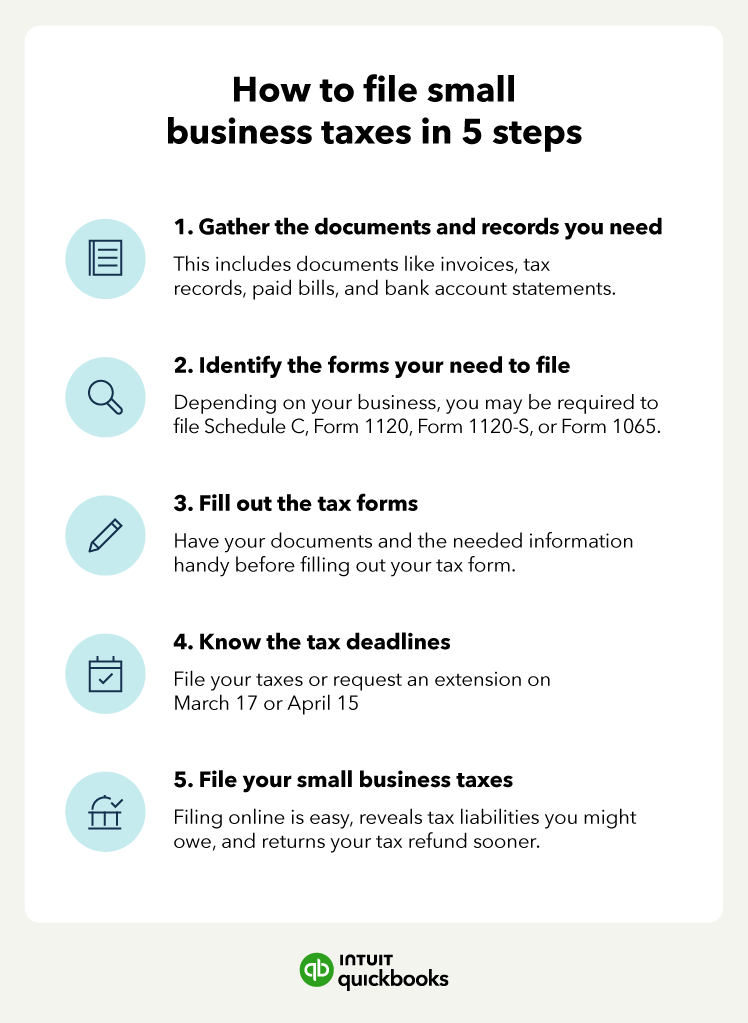
The final stage of doing your taxes is ensuring that the return is filed correctly and on time. Errors can lead to delays in refunds, interest charges, or the dreaded IRS audit.
Deadlines and Extensions
The standard deadline for federal tax returns is April 15. If you cannot meet this deadline, you can file for an automatic six-month extension, pushing your filing date to October 15. However, a critical financial distinction must be made: an extension to file is not an extension to pay. If you expect to owe taxes, you must estimate the amount and pay it by the April deadline to avoid interest and late-payment penalties.
Accuracy and Record Retention
Before hitting “submit,” double-check basic information: Social Security numbers for yourself and dependents, bank routing numbers for direct deposit, and the spelling of names. Small clerical errors are the leading cause of delayed refunds.
Once filed, your job isn’t quite over. In the world of personal finance, documentation is king. You should keep copies of your tax returns and all supporting documents (W-2s, 1099s, receipts) for at least three years, as this is the general statute of limitations for an IRS audit. For some records, such as those related to real estate or retirement accounts, keeping them indefinitely is often recommended.
In conclusion, “doing your taxes” is a multifaceted process that requires organization, strategic thinking, and the right tools. By understanding the nuances of your filing status, maximizing your deductions, and integrating tax planning into your overall financial life, you turn a stressful annual chore into a powerful mechanism for building and protecting your wealth.
aViewFromTheCave is a participant in the Amazon Services LLC Associates Program, an affiliate advertising program designed to provide a means for sites to earn advertising fees by advertising and linking to Amazon.com. Amazon, the Amazon logo, AmazonSupply, and the AmazonSupply logo are trademarks of Amazon.com, Inc. or its affiliates. As an Amazon Associate we earn affiliate commissions from qualifying purchases.