
Crafting a robust business plan is a foundational step for any venture, whether you’re a startup seeking investment, an established business launching a new product, or simply charting a strategic future. At the heart of a compelling business plan lies rigorous market research. Far from a mere formality, market research is the strategic compass that guides your brand, defines your target audience, shapes your marketing efforts, and ultimately, dictates your potential for success. It’s the process of systematically gathering, analyzing, and interpreting information about your market, customers, competitors, and the industry environment. Without a deep understanding gleaned from meticulous market research, a business plan is little more than an educated guess, lacking the data-driven conviction required to attract stakeholders and navigate a competitive landscape.

The Strategic Imperative of Market Research in Business Planning
Market research is not just an add-on; it is an indispensable component that underpins every critical decision in your business plan. It provides the empirical evidence needed to transform assumptions into informed strategies, ensuring your brand resonates with its intended audience and stands out from the competition.
Defining Your Market and Target Audience
The first and most crucial role of market research is to clearly delineate who you are serving. Who are your ideal customers? What are their demographics, psychographics, behaviors, and buying habits? Where do they spend their time online and offline? Market research helps segment the broader market into manageable, identifiable groups, allowing you to focus your resources effectively. Understanding your target audience’s needs, desires, and pain points is paramount for developing a product or service that genuinely adds value. Without this clarity, your brand message risks being diluted, your marketing efforts misdirected, and your product potentially irrelevant. Through surveys, interviews, and demographic analysis, you can build detailed customer personas that guide product development, pricing strategies, and communication.
Understanding the Competitive Landscape
No business operates in a vacuum. A thorough business plan must demonstrate a clear understanding of the existing competitive landscape. Market research enables you to identify direct and indirect competitors, analyze their strengths and weaknesses, understand their market share, pricing strategies, marketing tactics, and customer perception. This competitive intelligence is vital for positioning your brand effectively. It allows you to identify gaps in the market, differentiate your offering, and anticipate potential challenges. By studying what competitors do well and where they fall short, you can refine your own value proposition and carve out a unique space that appeals to your target customers. This strategic insight informs everything from your brand’s visual identity to its core messaging and promotional activities.
Validating Your Unique Value Proposition
Every successful brand hinges on a unique value proposition (UVP) – a clear statement explaining how your product or service solves customer problems or improves their situation, the specific benefits it offers, and why it’s better than competitors. Market research is the ultimate tool for validating whether your UVP truly resonates with your target market. It helps answer questions like: Is there a real demand for what you’re offering? Do customers perceive your solution as valuable? Are they willing to pay for it? Through concept testing, feedback analysis, and market demand studies, you can refine your UVP to ensure it is compelling, relevant, and distinctly positioned to attract and retain your desired customer base. This validation process is critical for building a brand that not only looks good but also delivers on its promise, fostering customer loyalty and sustained growth.
Foundational Steps for Effective Market Research
Executing effective market research requires a systematic approach, combining both direct engagement with your market and leveraging existing data.
Primary Research: Gathering Direct Insights
Primary research involves collecting original data directly from your target market. This hands-on approach provides firsthand insights into customer perceptions, needs, and behaviors, which are invaluable for crafting a truly customer-centric brand strategy.
- Surveys: Structured questionnaires distributed to a large sample of your target audience. They can be conducted online, via email, phone, or in person. Surveys are excellent for gathering quantitative data on preferences, satisfaction, and demographics. Tools like SurveyMonkey or Google Forms can facilitate this.
- Interviews: One-on-one conversations with individuals from your target market. Interviews allow for deeper qualitative insights, exploring motivations, opinions, and experiences in detail. They are particularly useful for understanding complex customer journeys or nuanced brand perceptions.
- Focus Groups: Small, diverse groups of individuals from your target market brought together to discuss specific topics under the guidance of a moderator. Focus groups are superb for exploring new product concepts, testing marketing messages, or understanding group dynamics and reactions to brand elements.
- Observation: Directly watching and recording how target customers interact with products, services, or environments. This can provide unbiased insights into actual behaviors versus stated preferences, which is crucial for authentic brand positioning and user experience design.
Secondary Research: Leveraging Existing Data
Secondary research involves analyzing data that has already been collected by others. This is an efficient starting point, providing a broad understanding of the industry, market trends, and competitor activities before diving into primary research.
- Industry Reports and Publications: Market research firms, trade associations, and consulting groups often publish comprehensive reports on specific industries, market sizes, growth forecasts, and consumer trends. These are invaluable for understanding the macro environment your brand will operate within.
- Government Data and Census Information: Publicly available data from government agencies (e.g., census bureaus, labor statistics) provides rich demographic, economic, and social information that can help define target markets and identify emerging trends.
- Competitor Analysis: Scrutinizing competitor websites, social media, annual reports, press releases, and customer reviews can reveal their strategies, product offerings, pricing, marketing messages, and perceived brand strengths/weaknesses.
- Academic Studies and White Papers: University research, scholarly articles, and white papers can offer theoretical frameworks, empirical evidence, and deeper insights into consumer psychology and market dynamics, contributing to an evidence-based brand strategy.
Analyzing Your Findings for Brand and Marketing Strategy
Collecting data is only half the battle; the true value of market research lies in its interpretation and application to your brand and marketing strategy.
Identifying Market Trends and Opportunities
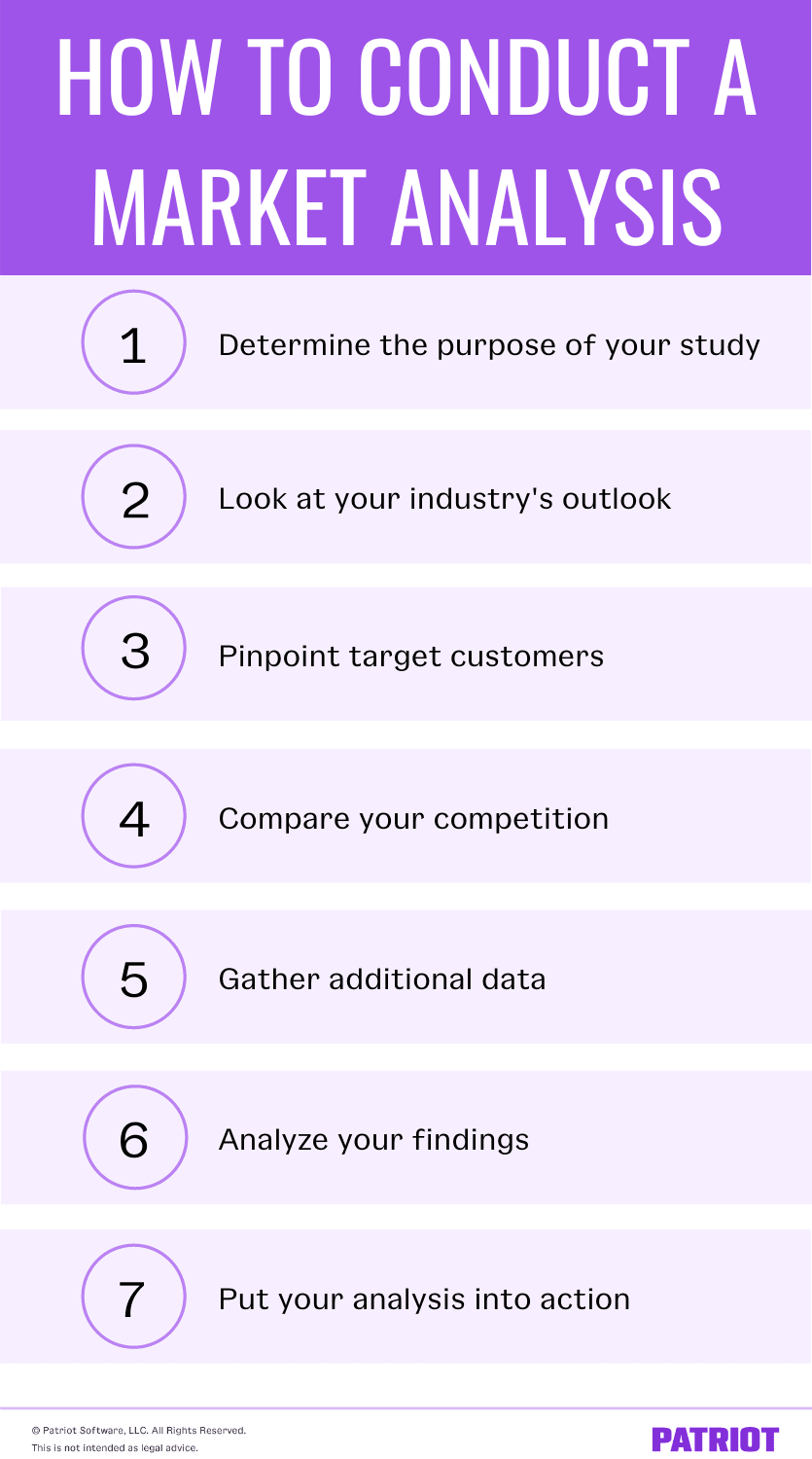
Through careful analysis, you can identify prevailing market trends – technological shifts, changing consumer preferences, new regulatory environments, or emerging social behaviors. Recognizing these trends allows you to position your brand to capitalize on opportunities or mitigate potential threats. For instance, if research shows a growing preference for sustainable products, your brand can pivot its messaging and product development to align with this value, differentiating itself in the market.
Pinpointing Customer Needs and Pain Points
The core of a successful brand is its ability to solve problems. By synthesizing your research data, you can clearly identify the unfulfilled needs, frustrations, or desires of your target customers. These insights are critical for refining your product features, service delivery, and even your brand’s emotional appeal. Understanding these pain points allows you to craft compelling messaging that directly addresses customer challenges, forging a stronger connection between your brand and its audience.
Crafting Your Brand Positioning and Messaging
With a clear understanding of your target audience, competitors, and market trends, you can strategically define your brand’s positioning. This involves deciding how you want your brand to be perceived in the minds of your customers relative to competitors. What unique benefits do you offer? What emotional connection do you want to build? Your market research provides the foundation for developing a distinctive brand identity, tone of voice, and messaging framework that resonates deeply with your audience and communicates your unique value proposition effectively. This is where your brand starts to take shape – its story, its promise, its personality.
Developing a Go-to-Market Strategy
Market research is instrumental in designing an effective go-to-market strategy. It helps you determine the most appropriate channels to reach your target customers (e.g., social media, content marketing, direct sales, partnerships), the optimal pricing strategy that reflects both perceived value and competitive positioning, and the promotional activities that will generate maximum impact. By understanding where your customers engage and what influences their purchasing decisions, you can allocate your marketing budget wisely and build a strategy that maximizes brand awareness and drives conversions.
Integrating Market Research into Your Business Plan Sections
The findings from your market research shouldn’t exist in isolation; they must be woven throughout your entire business plan, providing a data-driven backbone to your proposed strategies.
Market Analysis Section: The Core of Your Findings
This section is where you present the full scope of your market research. It should clearly outline your target market, including demographics, psychographics, and behaviors. Detail the market size, growth potential, and key trends. Provide an in-depth competitive analysis, identifying key players, their market share, and their strengths and weaknesses. Conclude by articulating your niche and how your brand is uniquely positioned to capture a segment of the market. This section is essentially the “proof” that your business idea is viable and grounded in reality.
Marketing and Sales Strategy: Actionable Insights
Your market research directly informs your marketing and sales strategy. Here, you’ll detail how you plan to reach your target customers, communicate your brand’s unique value, and convert prospects into loyal customers. This includes your branding strategy (logo, messaging, tone), your promotional plan (content marketing, social media, advertising), your pricing strategy, and your sales channels. Every element should be explicitly linked back to the insights gained from your market research, demonstrating that your approach is strategic and customer-centric.
Product/Service Development: Customer-Centric Design
The insights from market research also feed directly into your product or service development section. How has customer feedback, identified pain points, and market demand influenced the features, design, and functionality of your offering? This section should demonstrate that your product or service is not just an idea, but a solution meticulously crafted to meet genuine market needs, aligning perfectly with your brand’s promise and enhancing customer satisfaction.
Common Pitfalls and Best Practices in Market Research
To ensure your market research truly empowers your business plan, be mindful of common pitfalls and adhere to best practices.
Avoiding Bias and Ensuring Data Reliability
It’s easy to fall into the trap of looking for data that confirms your existing assumptions. Actively strive to maintain objectivity. Use a variety of research methods (triangulation) to cross-reference data and ensure reliability. Design unbiased survey questions and interview prompts, and ensure your sample size is representative of your target audience. Inaccurate or biased data can lead to fundamentally flawed brand and marketing strategies.
The Iterative Nature of Market Research
Market research is not a one-time event. Markets evolve, customer preferences shift, and competitors innovate. Your business plan should reflect an understanding that market research is an ongoing process. Regularly revisit your research, update your customer personas, and re-evaluate your competitive landscape. This iterative approach allows your brand and marketing strategies to remain agile, responsive, and relevant over time, adapting to changing conditions and ensuring sustained growth.
Utilizing Modern Tools for Enhanced Insights
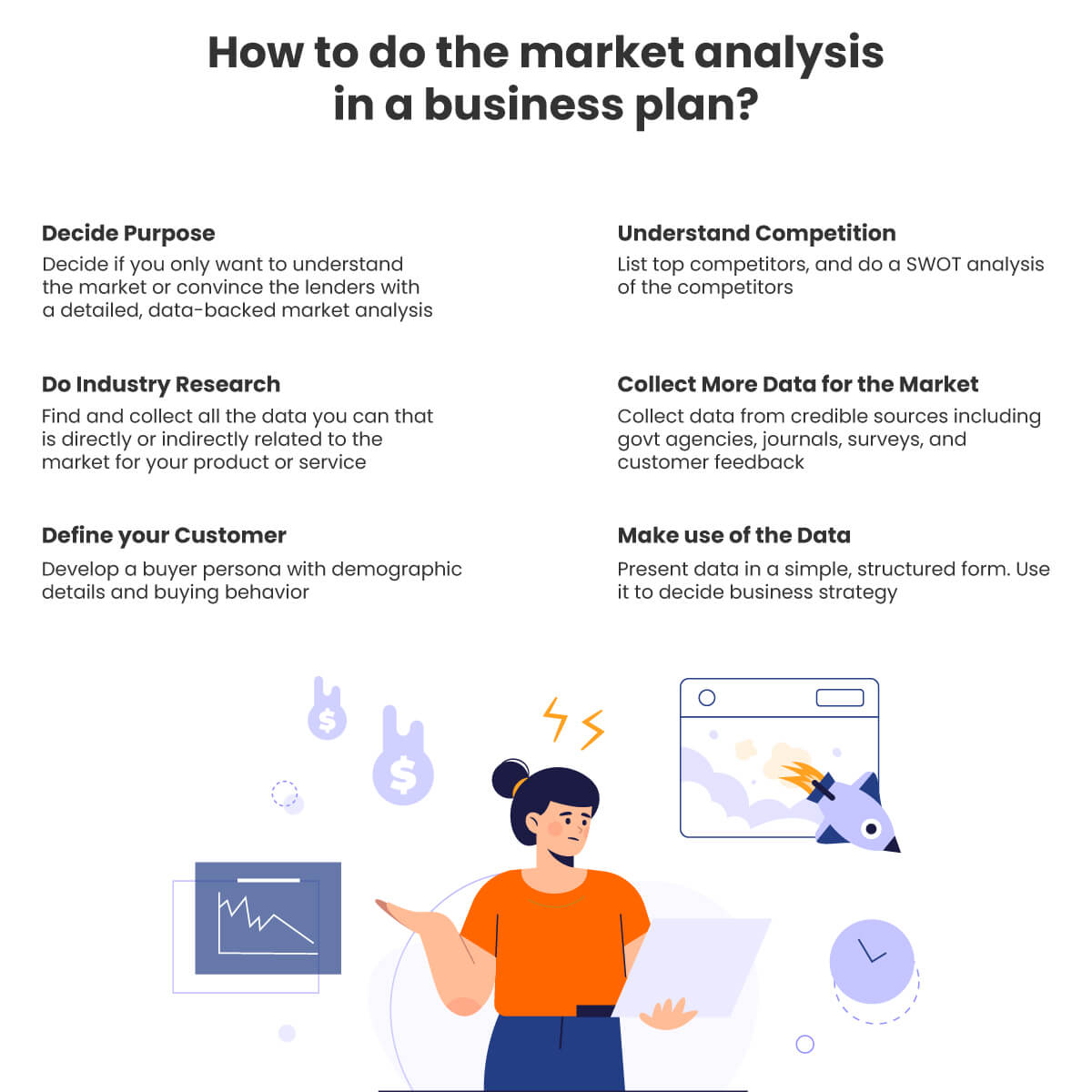
While the principles of market research remain constant, the tools available are ever-evolving. Leverage digital tools for surveys (e.g., Qualtrics), social listening (e.g., Brandwatch, Mention) to track brand sentiment and trends, analytics platforms (e.g., Google Analytics) to understand website traffic and user behavior, and CRM systems (e.g., HubSpot, Salesforce) to gather customer data. These tools can streamline data collection, enhance analysis, and provide deeper, more actionable insights, allowing your brand to make informed decisions more efficiently.
In conclusion, market research is the bedrock upon which a successful business plan, a resonant brand, and effective marketing strategies are built. It’s an investment that pays dividends by minimizing risk, validating opportunities, and guiding your venture toward a clear, customer-centric path to growth and profitability. By diligently conducting and integrating market research into every facet of your business plan, you lay the groundwork for a brand that not only survives but thrives in a dynamic marketplace.
aViewFromTheCave is a participant in the Amazon Services LLC Associates Program, an affiliate advertising program designed to provide a means for sites to earn advertising fees by advertising and linking to Amazon.com. Amazon, the Amazon logo, AmazonSupply, and the AmazonSupply logo are trademarks of Amazon.com, Inc. or its affiliates. As an Amazon Associate we earn affiliate commissions from qualifying purchases.