
Embarking on a new business venture, whether it’s a bustling startup or a promising side hustle, is an exciting journey fraught with potential and peril. While passion and innovation are crucial, the true compass guiding your enterprise through uncharted waters is a meticulously crafted business plan. Far from being a mere formality, a business plan is your strategic financial roadmap, an indispensable tool that defines your path to profitability, secures essential funding, and ensures sustainable growth. In the realm of money and finance, understanding how to construct a robust business plan is not just advisable—it’s absolutely essential for converting your entrepreneurial dream into a tangible, financially successful reality.
The Indispensable Role of a Business Plan in Financial Success
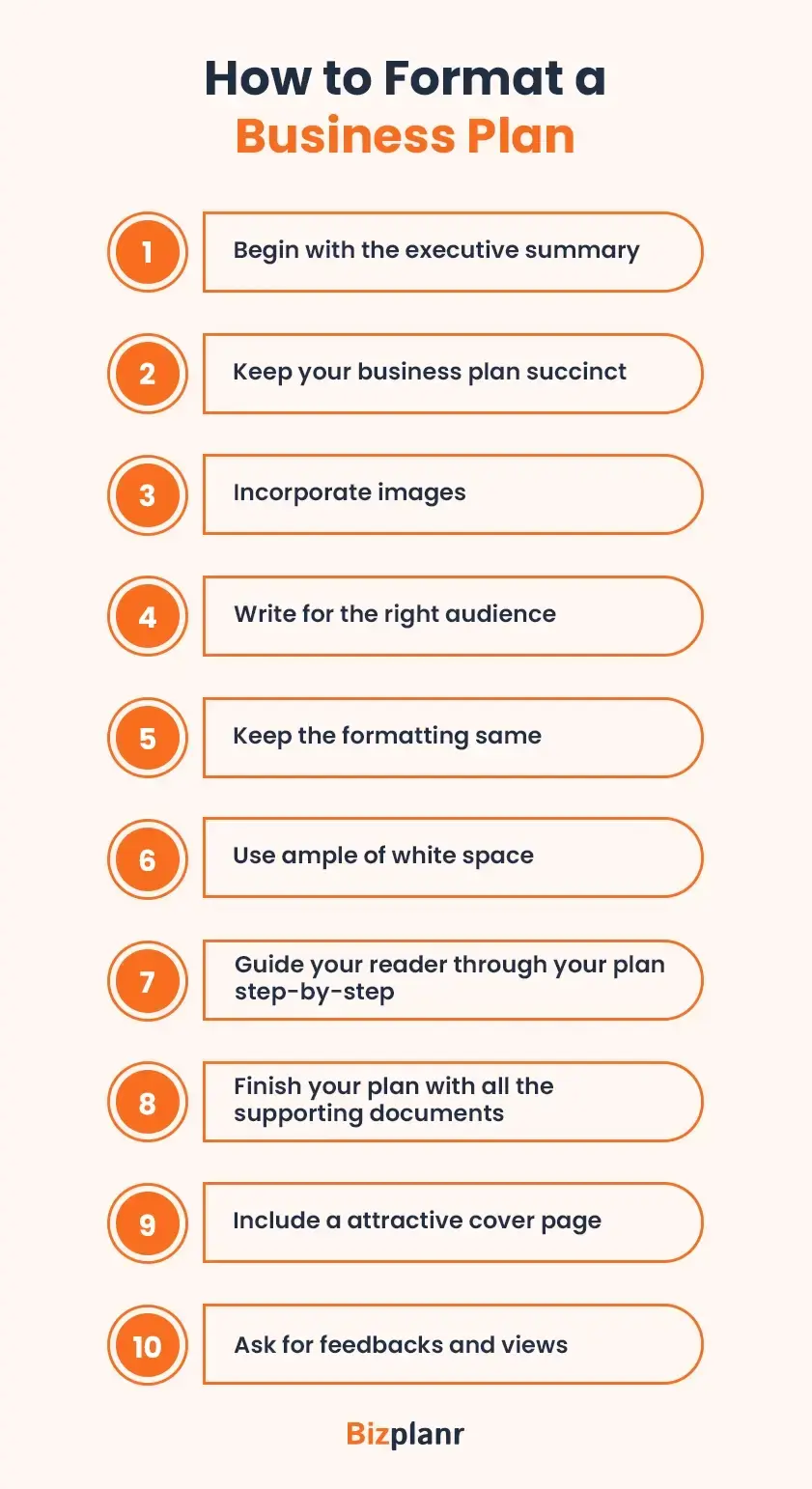
A business plan serves multiple critical functions, all of which converge on the financial health and longevity of your enterprise. It’s the blueprint that transforms abstract ideas into concrete, actionable financial strategies.
More Than Just a Document: A Financial Roadmap
At its core, a business plan is a dynamic document that outlines your business’s objectives, strategies, and expected outcomes. For the financial-minded entrepreneur, it’s primarily a roadmap to financial viability and success. It forces you to critically evaluate every aspect of your proposed venture through a financial lens: How much will it cost to start? How will it generate revenue? What are the profit margins? When will it break even? By addressing these questions systematically, you gain clarity on your business model’s economic feasibility, identifying potential financial bottlenecks and opportunities before they become critical issues. It’s about foreseeing the financial landscape and charting a course, rather than drifting aimlessly.
Attracting Capital: The Investor’s Perspective
Perhaps one of the most visible financial benefits of a solid business plan is its role in securing funding. Whether you’re approaching banks for a loan, pitching to angel investors, or seeking venture capital, your business plan is often the first, and most important, impression you make. Investors and lenders are inherently risk-averse; they want to see a clear, credible path to return on their investment. A well-researched business plan, particularly its financial projections, demonstrates your understanding of the market, your revenue model, your expense structure, and your anticipated profitability. It articulates not just what you want to do, but how you intend to make money and pay back what you owe, or deliver a significant return to equity holders. Without a compelling financial narrative embedded within a comprehensive plan, securing the necessary capital to launch or expand is an uphill battle.
Guiding Operational Budgeting and Resource Allocation
Once funded and operational, the business plan transitions from a fundraising tool to an internal management guide. Its financial sections become the foundation for ongoing budgeting and strategic resource allocation. It helps you set realistic financial goals, monitor cash flow, manage expenses, and make informed decisions about where to invest your capital. For instance, if your sales forecasts aren’t being met, the plan provides a benchmark to identify the shortfall, prompting adjustments to marketing spend or pricing strategies. Conversely, if you’re exceeding expectations, the plan helps you strategically reinvest profits to accelerate growth, rather than squandering unexpected windfalls. It’s a living document that keeps your financial operations aligned with your overarching strategic objectives.
Core Financial Components of Your Business Plan
While a business plan encompasses various sections, its heart often lies in the financial narratives and projections. Each section, even those seemingly non-financial, ultimately feeds into the economic viability of your venture.
The Executive Summary: Your Financial Snapshot
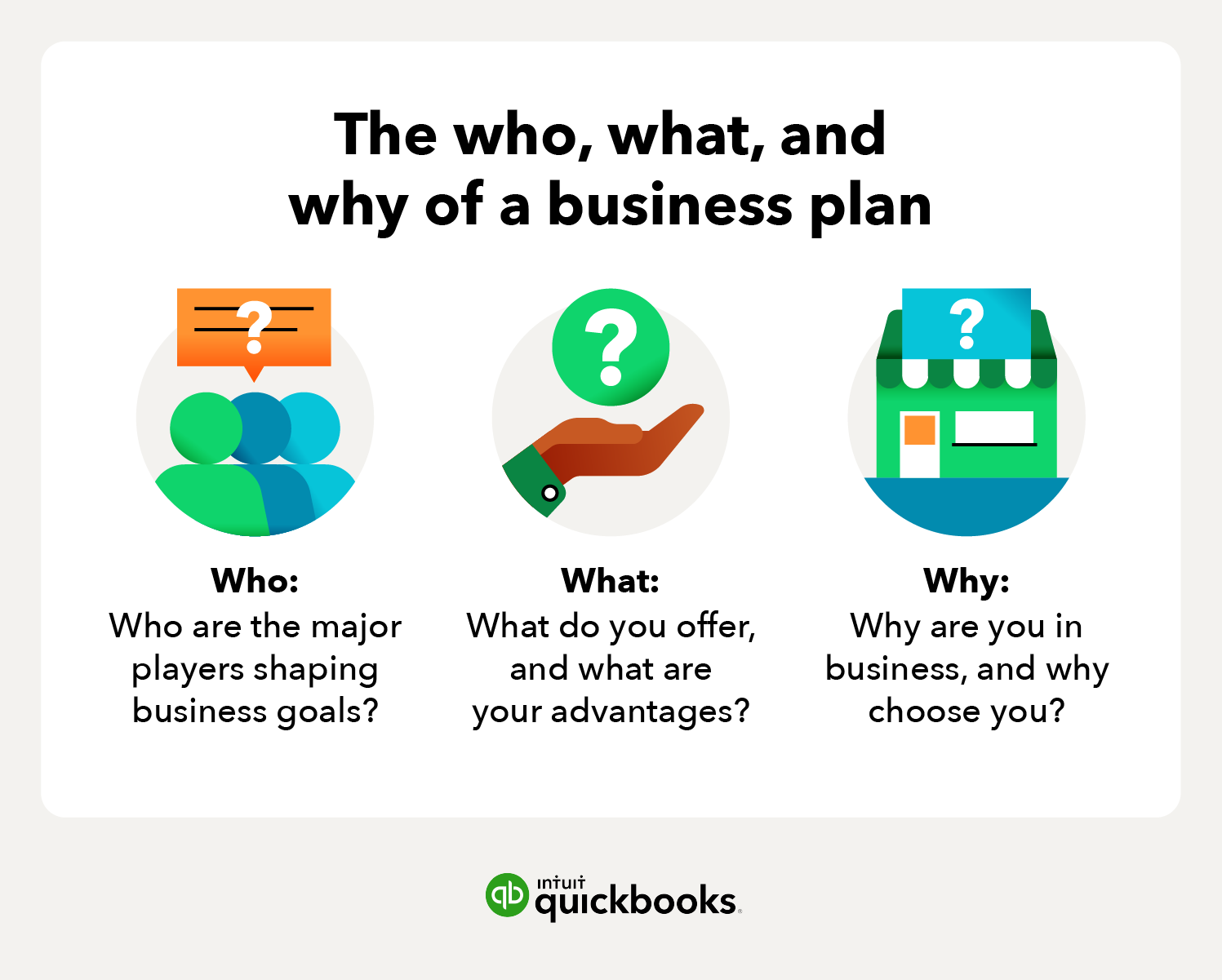
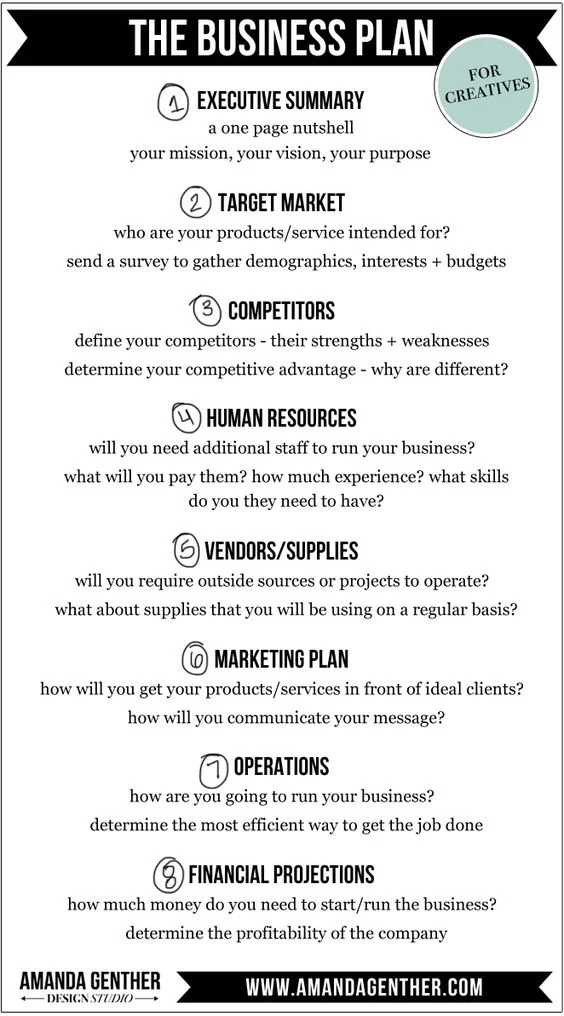
Although written last, the executive summary is read first and should provide a compelling overview of your entire plan, particularly its financial highlights. It’s your elevator pitch with numbers. Briefly state your business concept, target market, competitive advantages, and, crucially, your financial projections—how much funding you need, what it will be used for, and what return investors can expect. This section needs to grab attention and instill confidence in your financial acumen from the outset.
Market Analysis and Financial Viability
Understanding your market isn’t just about identifying customers; it’s about quantifying potential revenue. This section needs to detail your target market size, growth trends, purchasing power, and how much of that market share you realistically expect to capture. Each percentage point of market share translates directly into sales volume and, subsequently, revenue. A thorough market analysis, coupled with a robust competitive analysis, provides the data-driven foundation for your sales forecasts and pricing strategies, making your financial projections more credible.
Organization and Management: Impact on Financial Structure
While this section details your team and legal structure, it has significant financial implications. The chosen legal structure (sole proprietorship, LLC, corporation, etc.) impacts taxation, liability, and capital-raising capabilities. The management team’s experience, especially in financial oversight, directly influences investor confidence and operational efficiency, thereby impacting profitability. Salaries, benefits, and operational overhead associated with your team are major expense categories that must be meticulously planned and justified.
Products/Services: Pricing and Revenue Streams
This section clearly defines what you are selling and, critically, how you will price it. Your pricing strategy is paramount to your revenue model and profitability. Will you use cost-plus pricing, value-based pricing, competitive pricing, or a freemium model? How will pricing scale with volume? This section must detail your revenue streams (e.g., direct sales, subscriptions, advertising, licensing) and offer a clear rationale for how each contributes to your overall financial picture. Understanding your cost of goods sold (COGS) for each product or service is also vital here, as it directly impacts gross profit margins.
Crafting Your Financial Projections
This is arguably the most crucial section for any money-focused business plan. It’s where you translate your strategies into hard numbers, painting a detailed picture of your expected financial performance.
Startup Costs and Funding Requirements
Begin by itemizing every expense required to launch your business, from legal fees and permits to equipment, initial inventory, marketing, and working capital to cover initial operating expenses before revenue fully kicks in. This bottom-up approach gives you a precise figure for the total startup capital needed and forms the basis for your funding request. Be comprehensive and realistic; underestimating costs is a common pitfall.
Sales Forecasts: Revenue Generation Assumptions
Based on your market analysis, pricing strategy, and marketing plan, project your sales volume and corresponding revenue for the next 3-5 years (monthly for the first year, then quarterly or annually). Justify your assumptions, perhaps referencing industry benchmarks, pilot program results, or comparable businesses. Break down revenue by product line or service, and explain how you plan to achieve these numbers. This is where your market analysis directly translates into projected income.
Profit and Loss (P&L) Statement: Understanding Your Bottom Line
Also known as an Income Statement, the P&L shows your projected revenues, expenses, and ultimately, your net profit or loss over a period. It typically starts with revenue, subtracts the cost of goods sold (COGS) to arrive at gross profit, then subtracts operating expenses (salaries, rent, marketing, utilities, etc.) to get to operating income, and finally accounts for taxes and interest to reveal net profit. This statement is critical for assessing the profitability of your business and understanding your efficiency in converting sales into actual earnings.
Cash Flow Projections: The Lifeblood of Your Business
While a P&L shows profitability, the cash flow statement tracks the actual movement of money in and out of your business. A profitable business can still fail if it runs out of cash. This statement typically projects cash from operations, investing, and financing activities. It helps you identify potential cash shortfalls and surpluses, enabling you to plan for working capital needs, manage payables and receivables effectively, and ensure you have enough liquidity to meet your obligations. Monthly projections for the first 1-2 years are standard.
Balance Sheet: A Snapshot of Financial Health
The projected balance sheet provides a snapshot of your company’s financial position at a specific point in time, detailing assets (what you own), liabilities (what you owe), and owner’s equity (the residual value). It demonstrates your company’s solvency and how your assets are financed. Tracking changes in your balance sheet over time reveals your financial growth and stability.
Break-Even Analysis: When Will You Turn a Profit?
A break-even analysis determines the point at which your total revenues equal your total costs, meaning you are neither making nor losing money. It helps you understand the sales volume (in units or dollars) required to cover all your expenses. This is a crucial metric for investors and for internal planning, providing a clear target for sales efforts and an indication of financial risk.
Funding Your Vision: Strategies and Sources
Once your financial projections are complete, the business plan helps you articulate your funding needs and strategy.
Bootstrapping and Personal Investment
Many entrepreneurs start by self-funding their ventures (bootstrapping). This minimizes dilution of ownership and demonstrates conviction to potential external investors. Your business plan should detail any personal funds invested and how they will be used.
Debt Financing: Loans and Lines of Credit
For businesses with predictable cash flow and collateral, traditional bank loans or lines of credit might be suitable. Your business plan will be instrumental in demonstrating your ability to repay the loan, supported by robust cash flow projections and a clear understanding of your business model.
Equity Financing: Investors and Venture Capital
If you’re seeking larger sums or require capital without immediate repayment obligations, equity financing from angel investors or venture capitalists might be an option. Your business plan must clearly articulate the potential return on investment, your growth trajectory, and how their capital will accelerate your financial success. You will be giving up a portion of ownership in exchange for capital.
Grants and Crowdfunding: Alternative Avenues
Government grants (often for specific industries or innovations) and crowdfunding platforms offer alternative funding pathways. While their requirements vary, a compelling business plan that clearly outlines the financial impact and sustainability of your project is always a prerequisite.
Leveraging Your Business Plan for Continuous Financial Growth
A business plan is not a static document to be filed away once funding is secured. It’s a dynamic tool that should be regularly reviewed and updated to ensure your business stays on a path of continuous financial growth and adaptation.
Monitoring Performance Against Projections
Regularly compare your actual financial performance (sales, expenses, cash flow) against your initial projections. This ongoing financial audit helps you identify discrepancies early, understand what’s working and what isn’t, and make timely adjustments. It’s an essential exercise for financial accountability and strategic course correction.
Adapting to Market Changes and Financial Realities
The business world is constantly evolving. Economic shifts, new competitors, technological advancements, and changing consumer preferences can all impact your financial outlook. Your business plan should be flexible enough to incorporate these changes. Revisit your market analysis, revise your financial projections, and update your strategies to reflect new financial realities. This agility is key to long-term financial survival and prosperity.
Seeking Professional Financial Guidance
Don’t hesitate to consult with financial advisors, accountants, or business mentors. They can provide invaluable insights into refining your financial projections, identifying potential tax efficiencies, navigating funding options, and ensuring your business plan aligns with sound financial principles. Their expertise can be a critical investment in your business’s financial future.
In conclusion, “how do I do a business plan” is fundamentally a question about crafting your financial destiny. By systematically outlining your business’s financial DNA—from startup costs and revenue streams to profit projections and funding strategies—you not only create a compelling case for investment but also equip yourself with the insights needed to navigate the complex financial landscape, ensuring your entrepreneurial vision blossoms into a truly financially successful enterprise.
aViewFromTheCave is a participant in the Amazon Services LLC Associates Program, an affiliate advertising program designed to provide a means for sites to earn advertising fees by advertising and linking to Amazon.com. Amazon, the Amazon logo, AmazonSupply, and the AmazonSupply logo are trademarks of Amazon.com, Inc. or its affiliates. As an Amazon Associate we earn affiliate commissions from qualifying purchases.