
In the modern landscape of digital finance, the ability to move money securely and instantaneously across borders is no longer a luxury—it is a necessity. PayPal has established itself as a cornerstone of the global fintech ecosystem, bridging the gap between traditional banking and the fast-paced world of e-commerce and freelance labor. Whether you are looking to manage your personal monthly expenses, launch a digital side hustle, or streamline your business’s accounts receivable, understanding how to properly set up and optimize a PayPal account is a fundamental financial skill.
This guide explores the strategic process of creating a PayPal account through the lens of personal and business finance, ensuring that you not only get started but also understand how to leverage this tool to enhance your financial health and security.
Choosing the Right Financial Gateway: Personal vs. Business Accounts
Before clicking the “Sign Up” button, you must make a strategic decision regarding the type of account that aligns with your financial goals. PayPal offers two primary structures: Personal and Business. Each serves a distinct purpose within your broader financial portfolio.
Personal Accounts for Daily Transactions and Budgeting
For the majority of users, a Personal account is the ideal entry point. This account type is designed for consumers who primarily use the platform for online shopping, sending money to family members, or receiving occasional payments from friends. From a personal finance perspective, the Personal account acts as a digital buffer between your primary bank account and the internet.
By using a Personal account, you can centralize your digital spending. Many users find it beneficial for budgeting; by linking a specific debit card or maintaining a set balance within PayPal, you can track your discretionary spending more effectively than by scanning a traditional bank statement cluttered with various merchant names.
Business Accounts for Entrepreneurs and Freelancers
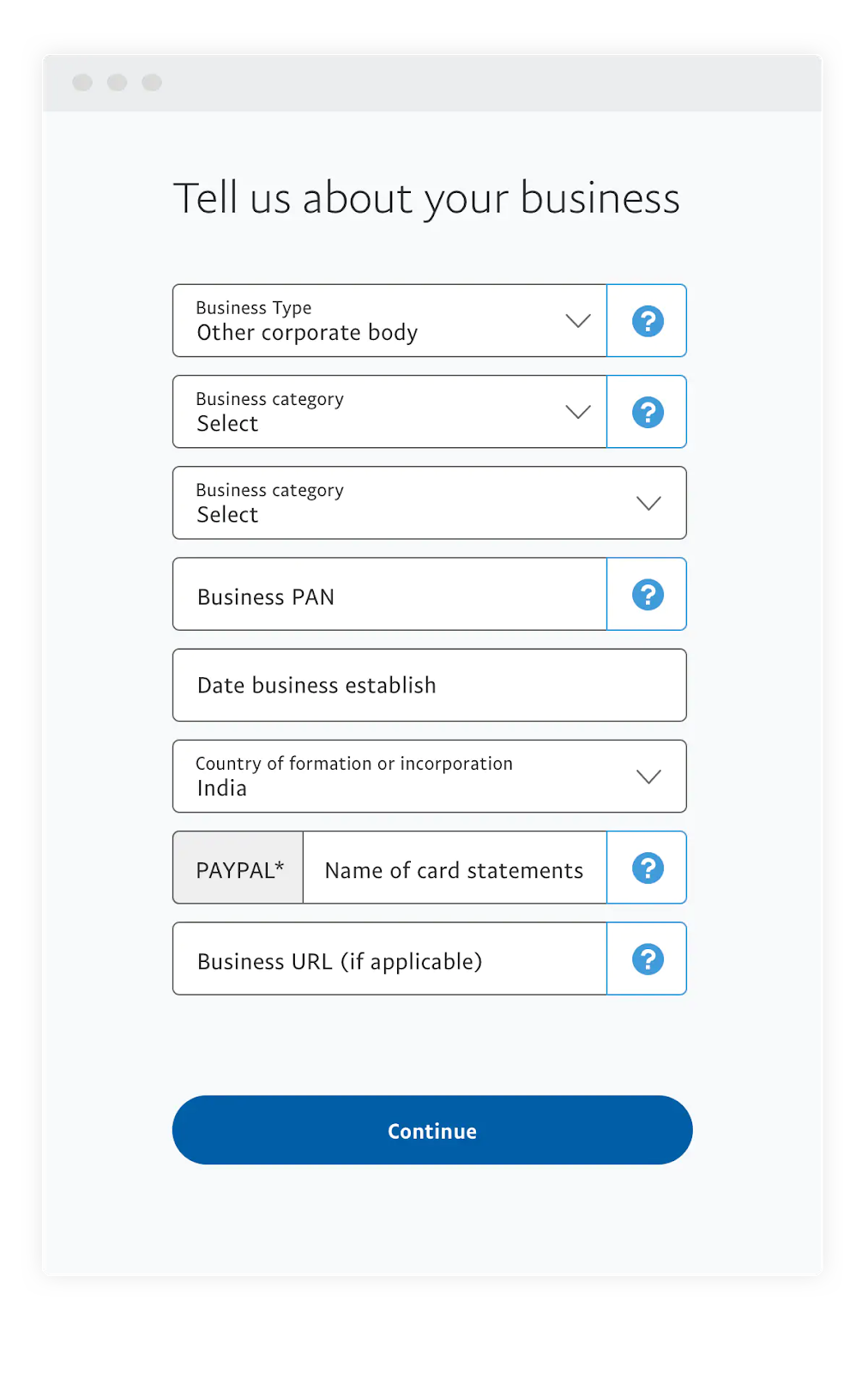
If your goal is to generate online income or scale a corporate entity, a Business account is the professional choice. This tier allows you to operate under a company name, providing a level of professional separation between your personal identity and your brand.
Financially, a Business account offers robust tools that Personal accounts lack. These include the ability to send professional invoices, accept credit card payments from customers who do not have PayPal accounts, and grant limited access to employees for bookkeeping purposes. For those focused on “Money” and “Online Income,” the Business account is a prerequisite for tax compliance and organized financial reporting. It allows you to track revenue streams with granular detail, which is essential when the time comes to calculate deductible business expenses and net profit.
Step-by-Step Guide to Setting Up Your Digital Wallet
Once you have identified the correct account type, the setup process requires a blend of technical accuracy and financial foresight. Because PayPal handles sensitive financial data, the registration process is rigorous, adhering to global “Know Your Customer” (KYC) and Anti-Money Laundering (AML) regulations.
Registration and Identity Verification
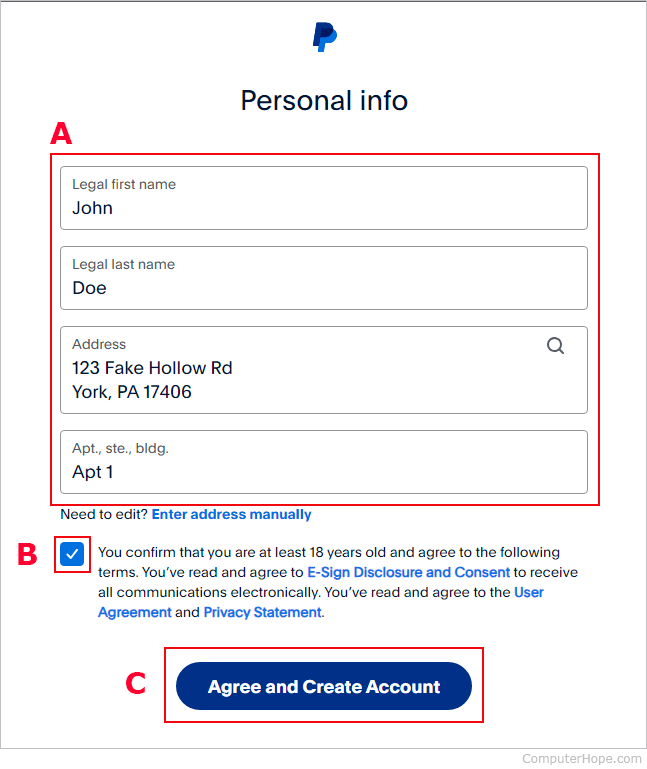
To begin, visit the PayPal website or download the mobile application. You will be prompted to enter a valid email address—this becomes your primary financial identifier on the platform. For those prioritizing digital security, it is highly recommended to use an email address dedicated specifically to financial services, protected by a unique, complex password.
You will then provide legal documentation, including your full legal name, physical address, and phone number. It is imperative that this information matches your government-issued identification and your bank records. Discrepancies here can lead to account freezes or “limitations,” which can temporarily lock your funds—a significant risk to your liquidity.
Linking Bank Accounts and Credit Cards for Fluid Liquidity
The true power of PayPal lies in its connectivity. To move money into the digital ecosystem or withdraw your earnings, you must link a source of funding. Within the “Wallet” section of your new account, you can add bank accounts, debit cards, or credit cards.
From a financial management standpoint, the choice of which to link matters. Linking a bank account allows for seamless, often free transfers of your balance to your local currency. However, linking a credit card can provide an additional layer of consumer protection and allow you to earn rewards points on your purchases, effectively stacking the benefits of your credit card’s loyalty program with PayPal’s own security features. When you link these accounts, PayPal will often perform a verification check, such as sending two micro-deposits (usually a few cents each) to your bank, which you must then confirm on the PayPal platform to prove ownership.

Maximizing Financial Security and Fraud Prevention
In the realm of personal finance, protecting your capital is just as important as growing it. PayPal is often favored because it keeps your sensitive banking information hidden from merchants. However, the user must still take proactive steps to safeguard their digital assets.
Understanding Two-Factor Authentication and Security Keys
To prevent unauthorized access to your funds, enabling Two-Factor Authentication (2FA) is non-negotiable. This adds a second layer of defense, requiring a code from your mobile device in addition to your password. In a world where phishing attacks are increasingly sophisticated, 2FA serves as a critical barrier that ensures only you can authorize the movement of money.
Furthermore, PayPal’s internal security algorithms monitor for “unusual activity.” If you suddenly log in from a foreign country or attempt an uncharacteristically large transaction, the system may trigger a security challenge. Understanding these mechanisms helps you navigate the platform without accidentally triggering a fraud alert that could interrupt your cash flow.
Managing Dispute Resolutions and Purchase Protection
One of the greatest financial advantages of using PayPal is “Purchase Protection.” If you pay for an item that never arrives or is significantly different from the description, PayPal can facilitate a refund. This reduces the financial risk associated with online commerce.
For those on the “Business” side, “Seller Protection” is equally vital. It protects your income against fraudulent chargebacks and unauthorized reversals. Mastering the dispute resolution center is a key part of financial literacy on the platform; knowing how to provide evidence of shipping or delivery ensures that your hard-earned income remains in your pocket.
Leveraging PayPal for Global Financial Management
For many, a PayPal account is not just for shopping—it is a tool for global wealth management and international business.
Navigating Currency Conversion and International Fees
When dealing with international markets, currency conversion is a primary concern. PayPal supports dozens of currencies, allowing you to hold balances in USD, EUR, GBP, and more. However, it is vital to be aware of the conversion rates and transaction fees.
PayPal typically charges a fee for international transactions, and their exchange rates may include a spread (a margin over the mid-market rate). For savvy financial planners, calculating these costs is essential. If you are receiving large sums in a foreign currency, you might choose to hold that currency in your PayPal wallet until exchange rates are more favorable, rather than converting it immediately. This level of strategic management can save a business or a freelancer hundreds of dollars annually.
Integrating with E-commerce and Side Hustles
If you are using PayPal to facilitate a side hustle or an online business, integration is key to efficiency. PayPal integrates seamlessly with platforms like Shopify, eBay, and Etsy. By automating the payment process, you reduce the time spent on administrative tasks, allowing you to focus on income-generating activities.
Furthermore, PayPal provides detailed financial reports that can be exported to accounting software like QuickBooks or Xero. This integration is a cornerstone of professional financial management, ensuring that every dollar earned is accounted for and that you are prepared for tax season. For those pursuing online income, the ability to generate a “Profit and Loss” statement directly from your payment processor data is an invaluable asset.
Conclusion: The Role of PayPal in a Modern Financial Strategy
Creating a PayPal account is a relatively simple administrative task, but managing it effectively requires a nuanced understanding of digital finance. By choosing the correct account type, securing your credentials, and understanding the fee structures associated with global commerce, you transform a simple app into a powerful engine for financial growth and security.
As you move forward, view your PayPal account as more than just a checkout option; see it as a centralized hub for your digital liquidity. Whether you are protecting your personal purchases or scaling a global enterprise, the strategic use of this financial tool is a vital component of a successful, modern financial life. With your account now established and optimized, you are better positioned to navigate the complexities of the 21st-century economy with confidence and control.
aViewFromTheCave is a participant in the Amazon Services LLC Associates Program, an affiliate advertising program designed to provide a means for sites to earn advertising fees by advertising and linking to Amazon.com. Amazon, the Amazon logo, AmazonSupply, and the AmazonSupply logo are trademarks of Amazon.com, Inc. or its affiliates. As an Amazon Associate we earn affiliate commissions from qualifying purchases.