
Embarking on the journey of financial management can often feel like navigating a dense jungle without a map. Amongst the myriad of financial strategies, creating a monthly budget stands out as the fundamental compass, guiding you towards financial clarity, stability, and ultimately, freedom. A budget isn’t about restriction; it’s about empowerment—a tool that transforms vague financial aspirations into tangible, achievable goals. It allows you to understand where your money is coming from, where it’s going, and how you can intentionally allocate it to serve your best interests. This comprehensive guide will walk you through the essential steps to not only create a robust monthly budget but also to make it a sustainable cornerstone of your personal finance strategy.

Understanding the Core Principles of Budgeting
Before diving into the mechanics of numbers and spreadsheets, it’s crucial to grasp the philosophy behind effective budgeting. It’s more than just an accounting exercise; it’s a strategic framework for your financial life.
Why Budgeting is More Than Just Tracking Expenses
Many people view budgeting as a punitive process, a tedious task of logging every penny spent and feeling guilty about “unnecessary” purchases. This perspective often leads to budgeting fatigue and eventual abandonment. Instead, envision your budget as a powerful decision-making tool. It helps you prioritize, identify areas of overspending, and most importantly, align your spending with your values and long-term financial objectives. It’s about making conscious choices about your money, rather than letting your money make choices for you. It shifts the narrative from “I can’t spend” to “I choose where to spend.”
Setting Realistic Financial Goals
A budget without goals is like a ship without a destination. What are you hoping to achieve with your money? Goals provide the motivation and direction for your budgeting efforts. These can be short-term, such as building an emergency fund, paying off a credit card, or saving for a new appliance. They can also be long-term, like saving for a down payment on a house, funding your children’s education, or planning for a comfortable retirement. Be specific, measurable, achievable, relevant, and time-bound (SMART) with your goals. For instance, instead of “save money,” aim for “save $5,000 for an emergency fund by December 31st.” Your budget then becomes the roadmap that outlines how you will reach these milestones.
The ‘Why’ Behind Your Budget
Connect your financial goals to deeper personal values. Do you value security? Then an emergency fund and debt reduction will be central to your budget. Do you value experiences? Then saving for travel or a hobby might take precedence. Understanding your underlying motivations makes the budgeting process more meaningful and sustainable. When you know why you are making certain financial sacrifices or choices, it’s much easier to stick to your plan, even when temptations arise. This personal connection transforms budgeting from a chore into a fulfilling act of self-care and future planning.
Step-by-Step Guide to Building Your Monthly Budget
Creating a monthly budget doesn’t have to be complicated. By breaking it down into manageable steps, you can build a clear and actionable financial plan.
Step 1: Calculate Your Monthly Income
The first and most critical step is to determine exactly how much money you have coming in each month. Gather all your income sources: your net pay (after taxes and deductions), any side hustle income, rental income, benefits, or other regular earnings. Sum these up to get your total monthly income. If your income is irregular (e.g., freelance work), it’s often best to use an average of the past three to six months or take a conservative estimate to avoid overestimating your available funds.
Step 2: Track Your Spending (The Discovery Phase)
Before you can allocate funds, you need to understand where your money has been going. This “discovery phase” is crucial. For at least 30 days, meticulously track every single dollar you spend. Use bank statements, credit card statements, receipts, or dedicated budgeting apps. Categorize these expenses as you go. This exercise might be eye-opening, revealing spending habits you weren’t consciously aware of. It’s not about judgment at this stage, merely observation. Understanding your current financial behavior is the foundation for making informed changes.
Step 3: Categorize Fixed vs. Variable Expenses
Once you have a clear picture of your spending, categorize your expenses.
- Fixed Expenses: These are costs that typically stay the same each month and are often contractual. Examples include rent/mortgage, loan payments (car, student), insurance premiums, subscription services, and often utility bills if they are on a fixed payment plan.
- Variable Expenses: These costs fluctuate from month to month and often have more flexibility. Examples include groceries, dining out, entertainment, transportation (gas, public transit), clothing, and personal care.
Separating these helps you identify areas where you have the most control and flexibility to make adjustments.
Step 4: Allocate Funds Using a Budgeting Method
Now, armed with your income and expense data, it’s time to create your budget. There are several popular methods, and the best one for you depends on your preferences and financial situation:
-
The 50/30/20 Rule: This simple guideline suggests allocating 50% of your after-tax income to “Needs” (housing, utilities, groceries, transportation, insurance), 30% to “Wants” (dining out, entertainment, hobbies, travel), and 20% to “Savings & Debt Repayment” (emergency fund, retirement, credit card debt). It’s a great starting point for beginners.
-
Zero-Based Budgeting: With this method, you assign every dollar of your income a “job” until your income minus your expenses (including savings and debt payments) equals zero. This ensures every dollar is accounted for and eliminates aimless spending. It requires more discipline but offers maximum control.
-
The Envelope System: A classic, tangible method where you allocate cash into physical envelopes labeled for different spending categories (e.g., “Groceries,” “Entertainment”). Once an envelope is empty, you stop spending in that category until the next month. This is excellent for visual learners and those who struggle with impulse spending.
Choose a method that resonates with you and begin assigning specific dollar amounts to each of your expense categories. Remember to prioritize your “Needs” and your “Savings & Debt Repayment” goals before allocating funds to “Wants.”
Step 5: Monitor and Adjust Regularly
A budget is a living document, not a static spreadsheet. Once you’ve set it up, you must regularly monitor your spending against your plan throughout the month. This helps you catch deviations early and make necessary adjustments. Life happens—unexpected expenses arise, income might change, or you might realize an initial allocation was unrealistic. Don’t be afraid to tweak your budget. The goal is progress, not perfection. Review your budget at least once a month, ideally before the new month begins, to ensure it continues to reflect your current financial reality and goals.
Leveraging Financial Tools for Effective Budgeting
In today’s digital age, numerous tools can simplify and enhance your budgeting process, making it less daunting and more efficient.
Spreadsheet Templates: The DIY Approach
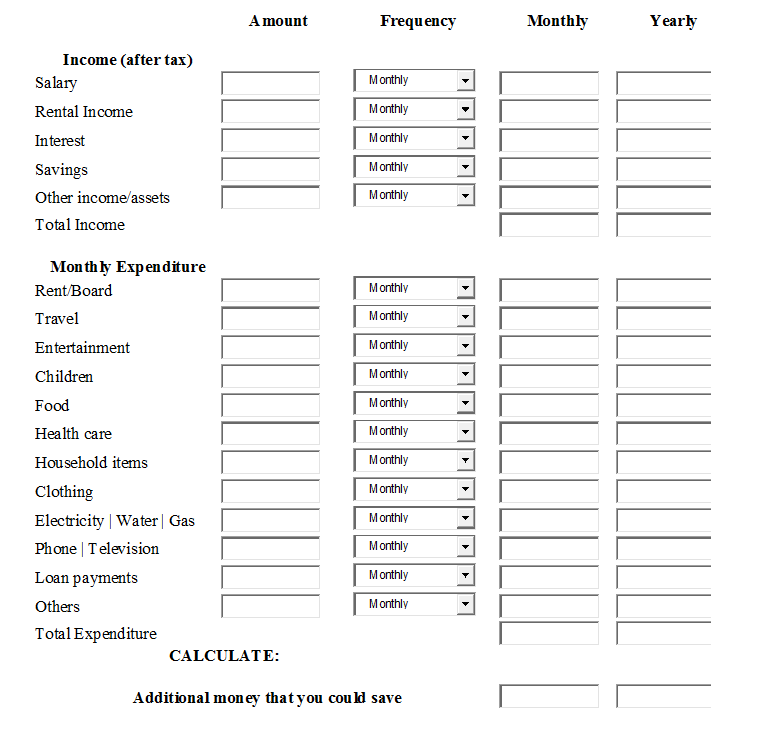
For those who prefer a hands-on approach or have complex financial situations, a spreadsheet (like Excel or Google Sheets) offers unparalleled flexibility. You can create custom templates from scratch or download pre-made ones. Spreadsheets allow you to meticulously track income and expenses, build custom categories, visualize data with charts, and perform detailed financial analysis. While they require some initial setup and manual input, they provide complete control over your financial data without sharing it with third-party apps.
Budgeting Apps and Software
The market is flooded with powerful budgeting apps and software designed to automate much of the tracking and categorization.
- Mint: A popular free option that links to your bank accounts and credit cards, automatically categorizes transactions, and provides spending insights, bill reminders, and alerts.
- You Need A Budget (YNAB): A subscription-based app known for its “give every dollar a job” philosophy (zero-based budgeting). It’s highly effective for those committed to proactive money management and offers excellent goal-tracking features.
- Personal Capital: While primarily an investment tracker, it also offers robust budgeting and cash flow analysis tools, providing a holistic view of your net worth.
- Simplifi by Quicken: Offers a clean interface, personalized spending plan, and real-time insights, helping users stay on top of their finances without manual data entry.
These tools can significantly streamline the budgeting process, offering convenience and powerful analytical capabilities.
Bank and Credit Card Features
Many modern banks and credit card companies now offer built-in financial management tools directly within their online platforms or mobile apps. These features often include:
- Transaction Categorization: Automatically categorizing your spending, similar to budgeting apps.
- Spending Insights: Providing graphs and summaries of where your money is going.
- Budgeting Tools: Some even allow you to set spending limits for various categories and receive alerts when you approach or exceed them.
Leveraging these native features can be a simple way to start tracking your spending without needing to download additional apps or learn new software.
Common Budgeting Challenges and How to Overcome Them
While the benefits of budgeting are clear, the path is rarely without its hurdles. Recognizing common challenges and preparing strategies to overcome them is key to long-term success.
Overcoming Budget Fatigue
Initially, the enthusiasm for budgeting can be high, but over time, the meticulous tracking and constant decision-making can lead to fatigue. To combat this, automate as much as possible (savings transfers, bill payments). Don’t strive for perfection; occasional slips are normal. Focus on celebrating small wins, like staying within budget for a particular category or hitting a savings milestone. Remind yourself of your “why”—your financial goals and values—to reignite your motivation.
Dealing with Irregular Income
Budgeting with an irregular income (freelancers, commission-based jobs) can be tricky. A common strategy is to budget based on your lowest expected monthly income and save any surplus during higher-income months. Creating a “buffer” savings account specifically for lean months can also provide stability. Another approach is to average your income over several months and budget with that average, ensuring you always have enough for fixed expenses.
Managing Unexpected Expenses
Life is unpredictable. Car repairs, medical bills, or home emergencies can derail even the best-laid budgets. This is precisely why an emergency fund is paramount. Aim to save 3-6 months’ worth of living expenses in an easily accessible, separate savings account. Additionally, consider “sinking funds” for anticipated but irregular expenses, such as annual car maintenance, holiday gifts, or personal development courses. By proactively saving for these, they become “expected” and less disruptive to your monthly budget.
Avoiding Budgeting Paralysis by Analysis
It’s easy to get bogged down in the minutiae of every single transaction or to overthink the “perfect” budgeting method. The best budget is the one you actually stick to. Start simple. Pick one method, estimate your categories, and just begin. You can always refine and optimize as you gain experience. Don’t let the quest for perfection prevent you from starting altogether. Small, consistent steps will lead to significant progress over time.
Making Your Budget a Lifelong Financial Partner
A budget isn’t a one-time project; it’s an ongoing relationship with your money. For it to truly empower you, it needs to evolve with you and be integrated into your broader financial life.
Regularly Review and Adjust Your Budget
Your life isn’t static, and neither should your budget be. Major life events—a new job, a raise, marriage, a new child, moving, or unexpected expenses—all necessitate a budget review and adjustment. Even without significant changes, a monthly or quarterly review is essential. This allows you to check if your allocations still make sense, if your goals have shifted, and if you’re truly on track. Think of it as a financial check-up, ensuring your plan remains healthy and effective.
Integrate Budgeting with Financial Planning
Your monthly budget is the micro-level control panel for your daily spending, but it should feed into your macro-level financial plan. See how your consistent budgeting habits contribute to your long-term goals: retirement savings, investments, large purchases, or debt freedom. When your daily financial decisions align with your overarching financial vision, the motivation to stick to your budget grows exponentially. It transforms from a restrictive chore into a powerful engine driving your future aspirations.

Automate Savings and Debt Payments
One of the most effective strategies for maintaining a budget is to “pay yourself first” and automate your financial commitments. Set up automatic transfers from your checking account to your savings account(s) (emergency fund, retirement, sinking funds) immediately after you get paid. Similarly, automate minimum debt payments, and if your budget allows, schedule extra payments to accelerate debt reduction. Automation removes the need for conscious decision-making each month, ensuring your most important financial goals are consistently met before discretionary spending even begins.
Creating a monthly budget is an indispensable skill for anyone seeking financial control and peace of mind. It’s a powerful tool that, when wielded consistently and thoughtfully, can transform your financial landscape, paving the way for security, growth, and the realization of your most ambitious financial dreams. Start today, stay consistent, and watch your financial future flourish.
aViewFromTheCave is a participant in the Amazon Services LLC Associates Program, an affiliate advertising program designed to provide a means for sites to earn advertising fees by advertising and linking to Amazon.com. Amazon, the Amazon logo, AmazonSupply, and the AmazonSupply logo are trademarks of Amazon.com, Inc. or its affiliates. As an Amazon Associate we earn affiliate commissions from qualifying purchases.