
In the complex landscape of modern business, payroll stands as a cornerstone of financial stability and employee morale. It’s not merely about paying salaries; it encompasses meticulous calculations, tax compliance, benefits administration, and timely disbursements – all of which directly impact a company’s financial health and legal standing. For countless businesses, QuickBooks Payroll serves as the indispensable financial tool that simplifies these intricate processes. However, even with robust software, questions arise, errors occur, or unique situations demand expert guidance. Knowing precisely “how do I contact QuickBooks Payroll support” isn’t just a technicality; it’s a critical aspect of your financial risk management strategy, ensuring that your business’s most vital financial operation remains uninterrupted and compliant.

This article delves into the various avenues for reaching QuickBooks Payroll support, framing each approach within the context of sound financial management. We will explore direct communication channels, community resources, and self-service options, emphasizing how proactive engagement with support can safeguard your business’s finances, maintain compliance, and prevent costly payroll errors.
The Critical Role of Accurate Payroll in Business Finance
Payroll is far more than an accounting entry; it is a fundamental pillar supporting a business’s operational and financial integrity. Any misstep in payroll processing can lead to a cascade of financial and legal repercussions, highlighting the absolute necessity of precision and access to reliable support.
Mitigating Financial Risks and Ensuring Compliance
The financial risks associated with incorrect payroll are substantial and multifaceted. Errors can range from miscalculating an employee’s gross pay to incorrectly deducting taxes or failing to remit them on time. Each of these can trigger severe consequences:
- Government Penalties: Tax authorities impose hefty fines for late or inaccurate tax filings, misclassified employees, or incorrect tax withholdings. These penalties directly impact a company’s bottom line, diverting funds that could otherwise be used for growth or investment.
- Legal Liabilities: Non-compliance with labor laws (e.g., minimum wage, overtime, sick leave) can lead to costly lawsuits from employees, attracting negative publicity and potentially damaging the company’s financial reputation.
- Audits: Payroll inaccuracies often trigger federal or state audits, which are time-consuming, resource-intensive, and can uncover further discrepancies, leading to more fines and legal troubles.
- Employee Morale and Productivity: Employees rely on accurate and timely paychecks. Errors or delays can significantly erode trust, reduce morale, and decrease productivity, impacting the human capital that drives business success.
QuickBooks Payroll is designed to help businesses navigate this complex regulatory landscape. It automates calculations, generates necessary tax forms, and helps ensure compliance. Yet, user-specific configurations, unique tax scenarios, or unexpected software behaviors can still pose challenges. Prompt access to QuickBooks support acts as a crucial safety net, helping businesses quickly rectify issues that could otherwise snowball into major financial and legal headaches, ensuring that compliance is maintained and financial risks are effectively mitigated.
The Cost of Payroll Errors and Delays
Beyond compliance issues, the direct financial cost of payroll errors and delays can be surprisingly high. Consider the ripple effects:
- Administrative Overheads: Correcting an error requires time and resources. This could involve re-running payroll, re-issuing checks, adjusting tax forms, and communicating with affected employees – all of which divert valuable staff hours away from core business activities. Each correction adds an invisible cost to your operations.
- Bank Fees: Bounced checks or failed direct deposits due to incorrect bank information can incur fees for both the employer and the employee.
- Lost Productivity: Employees preoccupied with payroll issues are less focused and less productive. If a salary dispute escalates, it can consume management’s time and energy, further impacting overall business efficiency and profitability.
- Reputational Damage: A business consistently struggling with payroll accuracy can quickly develop a reputation for financial instability, making it difficult to attract and retain top talent or secure favorable terms with vendors and lenders.
In essence, every minute spent troubleshooting a payroll issue without expert help, or every dollar lost to preventable penalties, directly detracts from a business’s financial health. Understanding how to efficiently contact QuickBooks Payroll support is, therefore, an investment in preventing these financial drains and preserving the integrity of your business operations.
Navigating QuickBooks Payroll Support: Your Financial Lifeline
When financial questions arise or technical glitches threaten your payroll schedule, knowing the most effective way to reach out for assistance is paramount. QuickBooks offers several avenues for support, each suited to different types of financial queries and urgency levels.
Direct Contact Methods: Phone and Live Chat for Urgent Financial Queries
For critical issues that demand immediate attention, direct contact methods like phone support and live chat are your primary recourse. These channels are best utilized when you face:
- Urgent Processing Deadlines: If you’re close to a payroll run deadline and encounter an error preventing you from processing, phone or chat support can provide real-time guidance.
- Payroll Tax Filing Emergencies: Issues related to tax form generation, submission, or payment that could lead to penalties.
- Software Glitches Impacting Financial Data: If the software is behaving unexpectedly, causing incorrect calculations, or preventing access to financial reports.
- Sensitive Data Concerns: When dealing with privacy-related issues or potential security breaches affecting financial records.
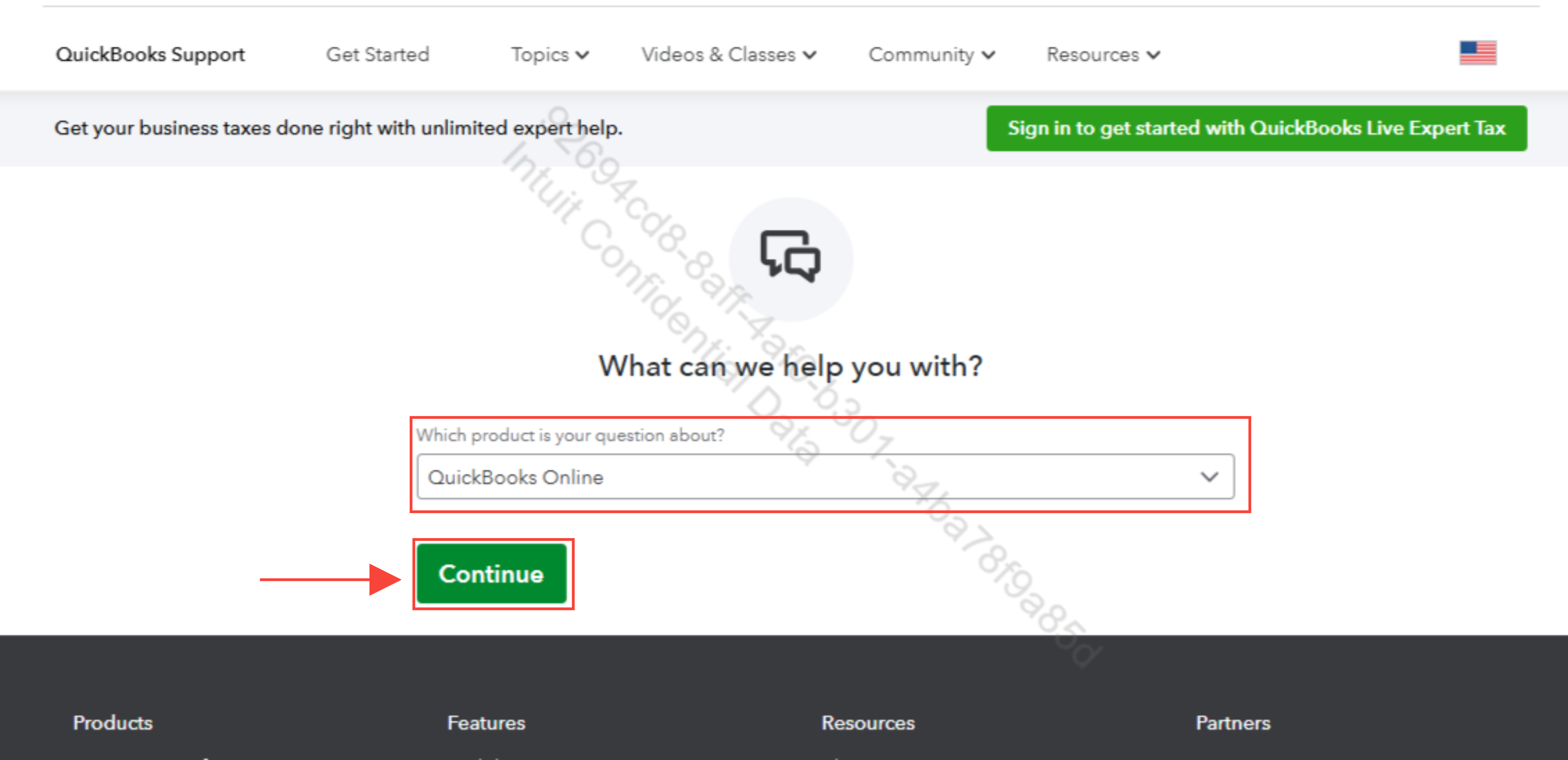
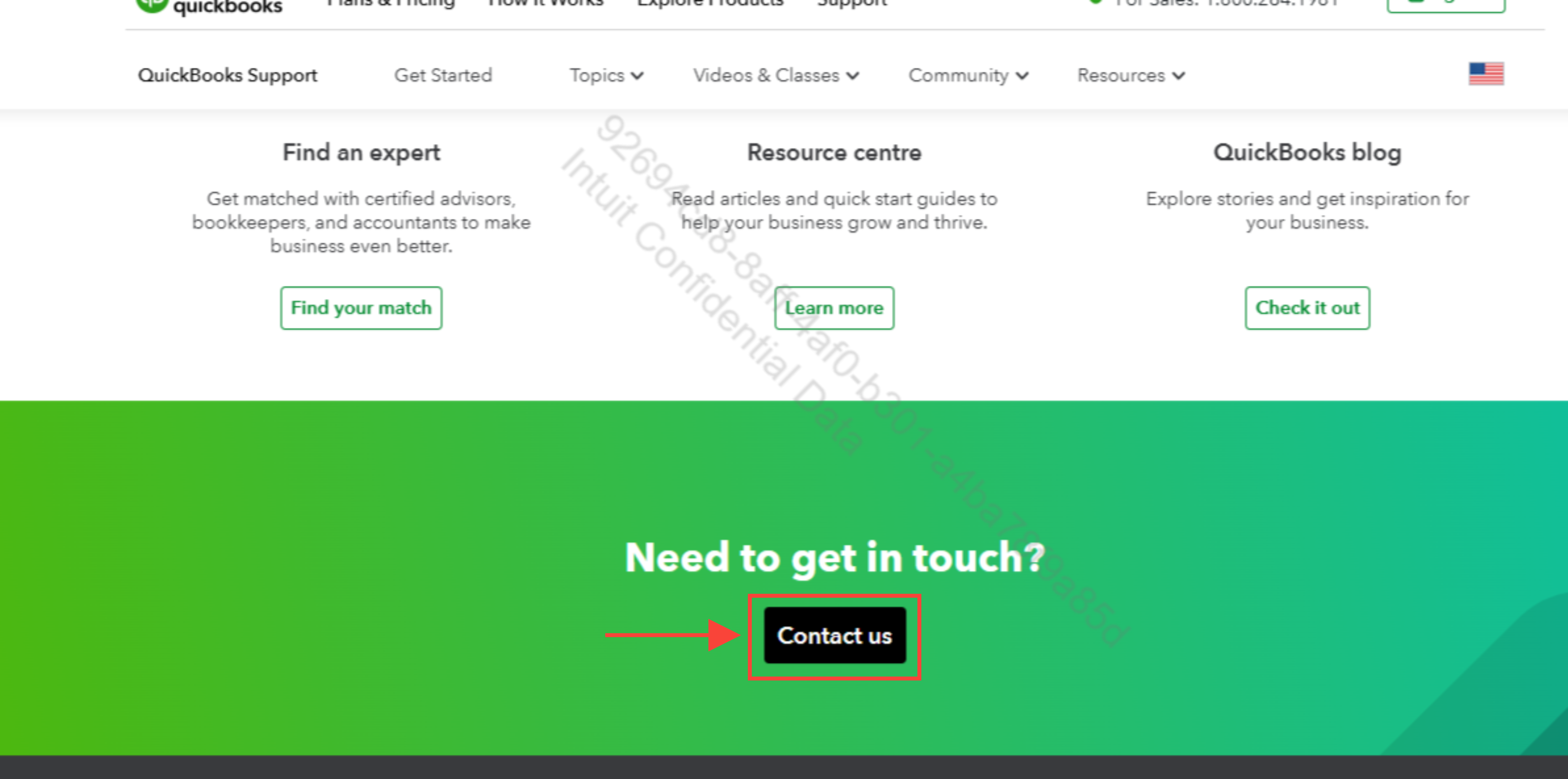
To access these options, typically navigate to the ‘Help’ menu within your QuickBooks application or visit the official QuickBooks support website. Look for sections like “Contact Us” or “Support.” You’ll often be guided through a series of prompts to describe your issue, which helps QuickBooks direct you to the most appropriate specialist. Be prepared with your QuickBooks version, subscription details, and a clear description of your financial query. While direct contact offers immediate resolution, remember that wait times can vary, especially during peak financial periods like quarter-end or year-end.
Leveraging the QuickBooks Community for Peer-to-Peer Financial Insights
For less urgent queries, or when seeking diverse perspectives on common payroll practices, the QuickBooks Community forum is an invaluable, collaborative resource. This platform allows users to post questions, share experiences, and offer solutions to one another.
- Best Practices and Strategies: You can find discussions on how other businesses handle specific deductions, benefits, or unusual tax situations, offering practical financial management insights beyond basic software functionality.
- Troubleshooting Common Issues: Many common payroll issues have already been addressed in the forums, with step-by-step solutions provided by experienced users or even QuickBooks experts.
- Learning and Development: It’s a great place to deepen your understanding of QuickBooks features and their financial implications, contributing to your professional development as a payroll administrator.
While the community can offer valuable peer-to-peer financial insights and potential solutions, it’s crucial to remember that it is not a substitute for official support when dealing with urgent, sensitive, or highly specific account-related financial problems. Always exercise caution when sharing any financial details online.
Self-Service Resources: Knowledge Base for Quick Financial Solutions
QuickBooks provides an extensive library of self-service resources, often referred to as a knowledge base or help center. This includes detailed articles, FAQs, troubleshooting guides, video tutorials, and step-by-step instructions.
- Immediate Answers: For common financial questions, such as “how to set up a new pay type,” “how to run a specific payroll report,” or “understanding tax liability calculations,” the knowledge base often provides immediate answers, saving you the time of contacting support.
- Learning at Your Own Pace: These resources empower you to learn and resolve minor financial discrepancies independently, fostering greater self-sufficiency in managing your payroll.
- Understanding Financial Concepts: Many articles not only explain how to use a feature but also why it’s important from a financial perspective, enhancing your overall understanding of payroll accounting.
Before resorting to direct contact, a quick search within the QuickBooks help center can often yield the solution you need, making it an efficient first step for numerous financial inquiries.
Best Practices for Efficient Payroll Support Resolution
Engaging with QuickBooks Payroll support effectively can significantly reduce the time and effort required to resolve your financial issues, ultimately minimizing disruptions to your business operations and safeguarding your financial calendar.
Preparing Your Financial Details Before Contact
The quality and speed of support you receive are often directly proportional to how well prepared you are. Before you initiate contact with QuickBooks Payroll support, gather the following essential financial details:
- QuickBooks Product Version: Specify whether you are using QuickBooks Online, QuickBooks Desktop (and its year, e.g., 2023), or QuickBooks Self-Employed. This dictates the interface and features the representative will be troubleshooting.
- Subscription Details: Have your account number, company ID, or the email associated with your QuickBooks subscription readily available for verification.
- Specific Error Messages: If you encountered an error, note down the exact message, including any error codes. This is critical for diagnosing technical financial glitches.
- Detailed Problem Description: Clearly articulate the financial problem. Instead of “payroll isn’t working,” describe “I processed payroll for the week ending [Date], and the net pay for employee [Name] is incorrect by [Amount], specifically impacting their [Tax/Deduction/Gross Pay] calculation.”
- Relevant Dates and Transactions: Specify the payroll run dates, tax periods, employee names, or transaction IDs involved.
- Steps Taken to Replicate: Describe any troubleshooting steps you’ve already attempted, such as checking settings, reviewing reports, or running updates.
- Desired Outcome: Clearly state what you expect from support – whether it’s a fix for a calculation, guidance on a tax filing, or an explanation of a report.
Having this information at your fingertips allows the support agent to quickly understand your financial context, access your account efficiently, and offer targeted solutions, minimizing back-and-forth communication and accelerating resolution. This proactive approach saves not just your time, but also valuable company resources.
Understanding Support Tiers and Service Hours for Critical Payroll Periods
QuickBooks often structures its support services with different tiers, which can be influenced by your subscription level (e.g., QuickBooks Online Payroll Core, Premium, Elite). Higher-tier subscriptions may offer priority access, dedicated account managers, or extended service hours, which can be a significant advantage during critical financial periods.
- Check Operating Hours: Always verify the operating hours for the support channel you intend to use. These hours can vary based on your geographic location and the specific QuickBooks product. It’s particularly vital to know these around month-end, quarter-end, and year-end – periods when payroll tasks and tax filings are most critical and demand prompt attention.
- Peak vs. Off-Peak Times: Weekends, evenings, and early mornings often have shorter wait times for phone or chat support compared to standard business hours. If your issue is non-urgent but still requires direct assistance, consider reaching out during these off-peak times to maximize efficiency.
- Holiday Schedules: Be aware of holiday closures or reduced service hours, which can severely impact your ability to get timely support during urgent financial cycles. Plan ahead for these periods.
Understanding these operational nuances allows you to strategically time your support requests, ensuring you receive timely assistance when your business’s financial obligations are on the line. Efficient access to support during these crunch times can prevent late payments, missed tax deadlines, and the associated financial penalties, thereby protecting your business’s financial integrity.
Beyond Direct Support: Proactive Payroll Management Strategies
While knowing how to contact QuickBooks Payroll support is crucial, a truly robust financial management strategy involves proactive measures to minimize the need for reactive troubleshooting. By implementing diligent practices, businesses can preempt common payroll issues and ensure smoother, more accurate financial operations.
Regular Financial Audits and Reconciliation
One of the most effective ways to reduce reliance on external support is to integrate regular internal financial audits and reconciliation processes into your payroll routine.
- Periodic Review of Payroll Reports: Schedule recurring checks of your payroll summaries, tax liability reports, and employee payment records against your general ledger and bank statements. Look for discrepancies, unexplained variances, or unexpected totals.
- Employee Data Verification: Periodically confirm employee information, including banking details, tax withholdings (W-4 forms), and benefit deductions. Outdated information is a common source of payroll errors that can lead to significant financial rework.
- Tax Compliance Checks: Stay abreast of changing tax laws and regulations. QuickBooks updates its software to reflect these changes, but it’s prudent to cross-reference with official tax authority guidelines to ensure full compliance, especially if you operate in multiple states or have complex payroll scenarios.
- Reconciling Liabilities: Ensure that payroll tax liabilities recorded in QuickBooks match the payments made to tax agencies. Any mismatch here can indicate a serious financial discrepancy that needs immediate investigation before it escalates into penalties.
By routinely scrutinizing your payroll data and reconciling it with your broader financial records, you can catch errors early, often before they become major problems requiring urgent intervention from QuickBooks support. This proactive approach not only saves time and money but also instills greater confidence in your financial reporting.
Training and Resource Utilization for Payroll Administrators
Investing in the continuous education and training of individuals responsible for payroll management is another cornerstone of a proactive financial strategy. A well-informed payroll administrator is less likely to encounter issues and better equipped to resolve minor problems independently.
- QuickBooks Training Webinars and Tutorials: Intuit, the maker of QuickBooks, frequently offers webinars, online courses, and detailed tutorials. These resources cover various aspects of QuickBooks Payroll, from basic setup to advanced reporting and tax management. Encourage your payroll staff to utilize these to deepen their understanding of the software’s financial capabilities.
- Certification Programs: Some certification programs focus specifically on QuickBooks, validating a user’s proficiency. This can be a valuable asset, demonstrating a high level of expertise in managing financial aspects within the software.
- Staying Informed on Payroll Regulations: Payroll regulations, particularly those related to taxation and labor laws, are subject to frequent changes. Encourage administrators to subscribe to industry newsletters, attend workshops, and monitor official government websites to stay informed. Proactive knowledge of regulatory shifts can prevent compliance issues that would otherwise require urgent support.
- Internal Documentation: Develop internal standard operating procedures (SOPs) for payroll processing specific to your company’s needs. This ensures consistency and provides a clear guide for all administrators, reducing the likelihood of errors that might necessitate external support.
By empowering your payroll administrators with comprehensive training and reliable resources, you are investing in human capital that directly protects your business’s financial integrity. This proactive approach not only minimizes the need for reactive support but also ensures that your payroll operations consistently run with efficiency, accuracy, and full compliance, ultimately contributing to your overall financial health.
In the dynamic world of business finance, QuickBooks Payroll is an essential tool, but its true power is unlocked when combined with proficient usage and readily available support. Understanding “how do I contact QuickBooks Payroll support” is not merely about finding a phone number; it’s about safeguarding your business’s financial health, ensuring compliance, and empowering your team to manage one of the most critical aspects of your operations with confidence and precision. By leveraging direct support, community insights, and self-service resources, alongside proactive financial management strategies, businesses can navigate the complexities of payroll with unparalleled ease, ensuring both employee satisfaction and robust financial integrity.
aViewFromTheCave is a participant in the Amazon Services LLC Associates Program, an affiliate advertising program designed to provide a means for sites to earn advertising fees by advertising and linking to Amazon.com. Amazon, the Amazon logo, AmazonSupply, and the AmazonSupply logo are trademarks of Amazon.com, Inc. or its affiliates. As an Amazon Associate we earn affiliate commissions from qualifying purchases.