
Closing a bank account, while seemingly straightforward, often involves more than just a simple click or phone call. Whether you’re relocating, consolidating finances, found a better banking deal, or are simply dissatisfied with services, successfully closing your Chase account without headaches requires a systematic approach. This guide provides a detailed roadmap, focusing on critical preparations, navigating Chase’s procedures, sidestepping common pitfalls, and ensuring a smooth financial transition, all within the realm of personal money management.
Pre-Closure Essentials: Laying the Groundwork for a Smooth Exit
Before you even consider reaching out to Chase, a thorough preparation phase is crucial to prevent future complications and financial disruptions. This initial diligence will save you time, stress, and potential fees down the line.
Understand Your Motivation and Alternatives
Take a moment to reflect on why you’re closing your account. Are you frustrated by fees, unhappy with customer service, moving to a different state, or simply looking to consolidate accounts? Understanding your core motivation can sometimes reveal alternatives; for instance, could downgrading to a different Chase account type (e.g., from a premium checking to a basic savings) better suit your needs without requiring a full closure? Ensure you have a clear reason and, if applicable, a new banking relationship already established and functioning. This reflection helps validate your decision and ensures you’re moving towards a truly better financial solution.
Audit Your Account for Connected Services
This is arguably the most critical preparatory step. Modern banking involves a web of interconnected services, and forgetting even one can lead to significant issues. Compile a comprehensive list of every direct debit, recurring payment, and linked third-party service associated with your Chase account. This includes:
- Direct Deposits: Your salary, government benefits (Social Security, veteran benefits), or investment dividends.
- Automatic Payments/Bill Pay: Utility bills (electricity, water, gas), internet, phone, rent/mortgage, loan payments (car, student), insurance premiums, credit card payments.
- Subscriptions: Streaming services (Netflix, Spotify), gym memberships, software subscriptions, online newspaper subscriptions.
- Linked Third-Party Apps: PayPal, Venmo, Zelle, Cash App, investment platforms (Robinhood, Fidelity), online shopping accounts (Amazon, eBay).
Systematically update all these services with your new bank account information before initiating the closure of your Chase account. Missing even one can result in bounced payments, late fees, service interruptions, or unexpected charges on your old account, which you might no longer be monitoring.
Zero Out Your Account Balance
Chase, like most banks, generally requires an account to have a zero balance before it can be officially closed. This means transferring all remaining funds out of your Chase account to your new bank account. You can achieve this through various methods:
- Electronic Transfer (ACH): Set up a transfer from Chase to your new bank via online banking. This usually takes 1-3 business days.
- Wire Transfer: For larger sums or faster transfers, though this often incurs a fee.
- Cash Withdrawal: Visit a Chase branch to withdraw your remaining balance in cash.
- Cashier’s Check: Request a cashier’s check for the remaining balance.
It’s crucial to ensure there are no pending transactions that might clear after you’ve transferred your funds, potentially leaving a negative balance. Check your transaction history thoroughly for any late-clearing checks or debits. Ideally, aim for a small positive balance initially if you are unsure about final fees, then zero it out precisely once all checks have cleared.
Secure a New Financial Home
Under no circumstances should you close your existing Chase account without first having a new bank account fully set up and operational. This new account will serve as the recipient for your transferred funds, the updated destination for direct deposits, and the source for your automatic bill payments. Establishing your new banking relationship beforehand provides a critical buffer, allowing you to gradually transition all your financial links and ensuring you have uninterrupted access to your money throughout the process. This foresight prevents any period of financial limbo and protects you from potential disruptions.
Navigating the Chase Account Closure Process
Once your preparations are complete, you’re ready to formally request the closure of your Chase account. Chase offers a few primary methods, each with its own considerations.
Choose Your Closure Method
The most suitable method for closing your Chase account depends on your preferences for convenience versus direct confirmation and peace of mind.
- In Person at a Chase Branch: This is often the most recommended and straightforward approach. Visiting a local Chase branch allows you to speak directly with a banker who can guide you through the entire process. Bring a valid form of identification (driver’s license, state ID) and your account number(s). The banker can help confirm all transactions have cleared, process any final withdrawals, and provide immediate, official written confirmation of account closure. This method minimizes uncertainty and provides real-time assistance.
- Via Phone: You can call Chase customer service to initiate the closure. Be prepared for robust security questions to verify your identity. Have your account numbers and personal details readily available. While convenient, it’s essential to explicitly request written confirmation of the account closure to be mailed or emailed to you. Do not rely solely on verbal assurance.
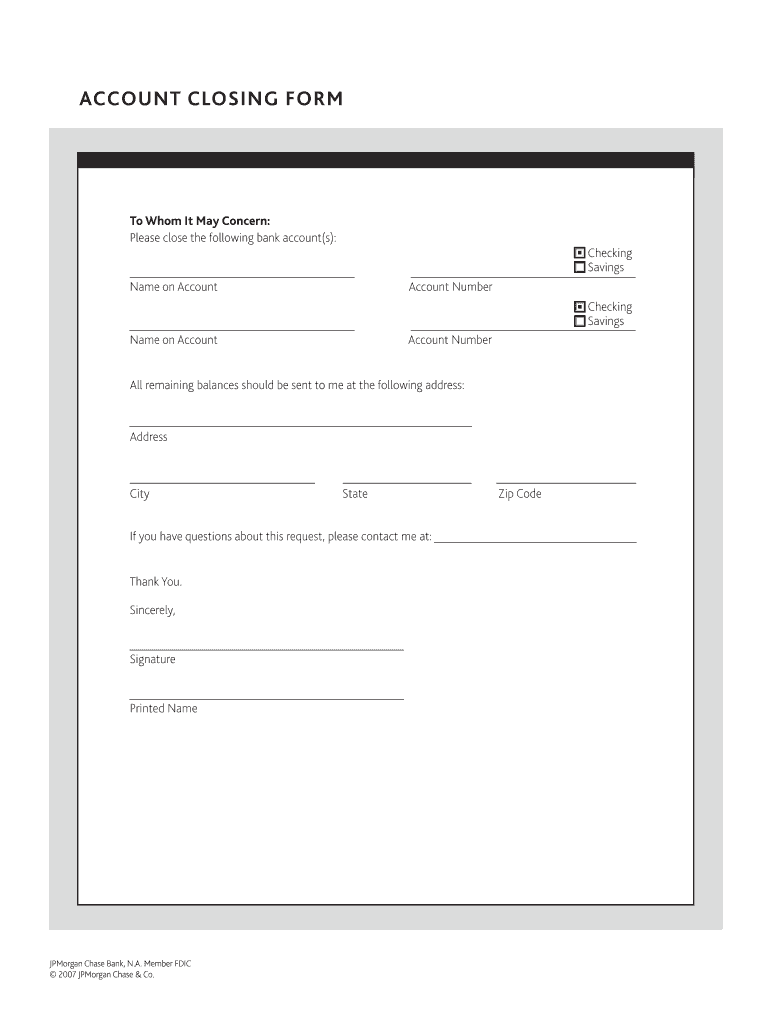
- By Mail: This is generally the least recommended method due to potential delays and a lack of immediate confirmation. If you opt for this, send a signed letter including your full name, account number(s), and an unambiguous request to close the account. For added security and proof of delivery, send the letter via certified mail with a return receipt requested. Ensure your signature on the letter matches the one Chase has on file.
Essential Information for Closure
Regardless of the method you choose, having the correct information readily accessible will expedite the closure process. You will typically need:
- Your Chase account number(s) for the account(s) you wish to close.
- Your personal identification information, such as your Social Security Number.
- A valid government-issued photo ID (like a driver’s license or state ID) if you are closing in person.
- Your signature, especially if closing by mail, which must match the one Chase has on file.
- Any debit cards or checkbooks associated with the account, which you may be asked to surrender or destroy.
Obtain Official Confirmation
Under no circumstances should you consider your Chase account truly closed until you have received official, written confirmation from the bank. This crucial document serves as your proof that the account is no longer active, you are no longer liable for any potential fees, and your financial ties to Chase for that specific account have been severed. This confirmation could come in the form of a formal letter sent via postal mail, an email, or a stamped, signed form provided directly by a branch representative. Keep this documentation with your other important financial records for your peace of mind and as a reference should any issues arise later.
Common Pitfalls and Proactive Solutions
Despite careful preparation, certain oversights can still lead to complications. Being aware of these common pitfalls allows you to take proactive steps to avoid them.
The Overlooked Recurring Payment
One of the most frequent issues arises from forgetting to update a single recurring bill, subscription, or direct deposit. This oversight can lead to a cascade of problems: bounced payment fees from merchants, late charges, service interruptions (e.g., your internet being cut off), and even potential negative impacts on your credit score if it’s a significant payment like a loan or credit card bill. Proactively combat this by reviewing 6-12 months of bank statements to catch every transaction, even those that occur annually or semi-annually, ensuring nothing slips through the cracks.
Lingering Small Balances and Dormancy Fees
It’s easy to overlook a few cents or dollars left in an account after transferring the main bulk of your funds. However, these seemingly insignificant amounts can become problematic. If an account remains open but inactive with a tiny balance, it can eventually trigger dormancy fees. Over time, these fees can deplete the small balance and even push the account into a negative balance, potentially leading to unforeseen collections or charges against you. Always ensure your account balance is precisely zero before final closure.
Early Account Closure Fees
Some financial institutions, including Chase, may impose an early account closure fee if you close an account shortly after opening it, typically within a window of 90 to 180 days. This is designed to deter individuals from opening accounts simply to qualify for sign-up bonuses and then immediately closing them. Before proceeding with closure, review your initial account agreement or speak directly with a Chase representative to determine if such a fee applies to your specific account and how long you need to keep it open to avoid it.
Trusting Verbal Confirmation Alone
While a courteous customer service representative might assure you over the phone that your account is closed, always insist on and wait for written confirmation. Administrative errors, system glitches, or simple miscommunication can happen. Without a physical or digital document proving the closure, you have no recourse if the account remains open or if unexpected fees appear. Keep this written proof in your records, as it is your ultimate safeguard against future disputes.
Post-Closure Best Practices for Peace of Mind
Even after receiving confirmation, a few final steps can solidify your financial transition and ensure long-term peace of mind.
Monitor Your Financial Footprint
For at least two to three months following the closure, regularly monitor your new bank statements to confirm that all direct deposits and automatic payments are correctly routing to your new account. Additionally, consider reviewing your credit report after a few months to ensure no unexpected activity or outdated account information from your closed Chase account appears. While closing an account typically doesn’t directly impact your credit score, vigilance helps catch any errors that could.
Update Personal Records
Remember to update all your personal financial management tools, budgeting software, or spreadsheets to reflect the closure of your Chase account. Remove it from any online banking aggregators you use. Inform any family members or close contacts who might have your old account information. Maintaining accurate, up-to-date financial records is a cornerstone of sound personal finance management.
Safely Dispose of Old Banking Materials
Once you are absolutely certain your Chase account is closed and you no longer need them for reference, securely dispose of all associated banking materials. This includes shredding old checks, debit cards (cutting through the chip and magnetic stripe), account statements, and any other documents containing your personal or account information. Simply throwing these items in the trash poses a significant risk for identity theft. Proper disposal is a critical final step in protecting your financial privacy and security.
Closing a bank account, while requiring meticulous preparation and careful execution, doesn’t have to be a daunting task. By following this comprehensive guide, focusing on thorough preparation, navigating Chase’s procedures with intent, actively avoiding common pitfalls, and securing official confirmation, you can smoothly transition away from your Chase account. This systematic approach ensures financial continuity, protects your personal information, and ultimately provides invaluable peace of mind in managing your personal finances.
aViewFromTheCave is a participant in the Amazon Services LLC Associates Program, an affiliate advertising program designed to provide a means for sites to earn advertising fees by advertising and linking to Amazon.com. Amazon, the Amazon logo, AmazonSupply, and the AmazonSupply logo are trademarks of Amazon.com, Inc. or its affiliates. As an Amazon Associate we earn affiliate commissions from qualifying purchases.