
Managing your personal finances involves more than just opening accounts and investing your savings; it requires the strategic pruning of financial tools that no longer serve your goals. Whether you are moving to a new city, seeking a bank with higher interest rates, or consolidating your assets to simplify your life, knowing how to close a bank account properly is essential.
Simply walking away from an account and letting the balance hit zero is not a strategy—it is a recipe for hidden fees, credit damage, and administrative headaches. This guide provides a detailed roadmap for closing your bank account with professional precision, ensuring your financial health remains intact throughout the transition.
1. Why Closing an Account Correctly is Vital for Financial Health
Many consumers mistakenly believe that if they withdraw all their funds, the account will naturally “expire.” In the world of modern banking, an empty, inactive account is often viewed as an opportunity for the institution to levy maintenance fees. Understanding the risks of improper closure is the first step toward effective financial management.
Avoiding Maintenance and Inactivity Fees
Most traditional banking institutions have specific requirements to waive monthly maintenance fees, such as maintaining a minimum balance or receiving a monthly direct deposit. Once you stop using an account, you likely stop meeting these criteria. If an account remains open with a zero balance, the bank may continue to charge these fees, pushing your balance into the negative. Over time, these accrued fees can be sent to collections, potentially damaging your reputation with credit reporting agencies like ChexSystems.
Preventing Fraud and Identity Theft
An unmonitored bank account is a prime target for identity thieves. If you are not checking the statements of an old account, fraudulent activity can go unnoticed for months. By formally closing the account, you sever the digital and legal ties to that specific account number, effectively removing a potential entry point for hackers and fraudsters.
Streamlining Your Financial Portfolio
In the age of digital “fintech,” it is easy to accumulate several accounts across various platforms. Financial “clutter” makes it difficult to track your net worth, monitor your spending, and manage your tax liabilities. Closing redundant accounts allows you to centralize your liquidity, making it easier to deploy capital into high-yield savings or investment vehicles where it can work more effectively for you.
2. The Step-by-Step Process of Account Liquidation
Closing a bank account is a multi-stage process that requires careful timing. If you move too quickly, you risk missed payments; if you move too slowly, you pay unnecessary fees. Follow this logical progression to ensure a seamless transition.
Auditing Automatic Payments and Direct Deposits
The most common mistake in closing an account is forgetting a recurring “invisible” transaction. Before you notify the bank, review at least three to six months of bank statements. Identify every automated clearing house (ACH) transfer, including utility bills, subscription services, and insurance premiums.
Once identified, redirect these payments to your new account. Simultaneously, notify your employer’s payroll department to update your direct deposit information. Because payroll cycles can take one to two pay periods to update, it is prudent to keep the old account open until you see at least one full paycheck successfully land in your new institution.
Transferring the Remaining Funds
Once all automated transactions have been rerouted, it is time to move the bulk of your capital. However, do not transfer every cent immediately. Leave a small “buffer” (roughly $50 to $100) in the old account for 30 days. This acts as a safety net in case a stray subscription or an old check hits the account. After you are certain no more transactions are pending, move the remaining balance to your new financial home.
Formally Contacting the Institution
A bank account is a legal contract, and ending that contract usually requires a formal request. Most banks offer three ways to do this:
- In-Person: Visit a branch and speak with a personal banker. This is often the fastest way to get a written receipt of closure.
- Phone: Call the customer service department. Be prepared to verify your identity and navigate a “retention” pitch where they may offer incentives to stay.
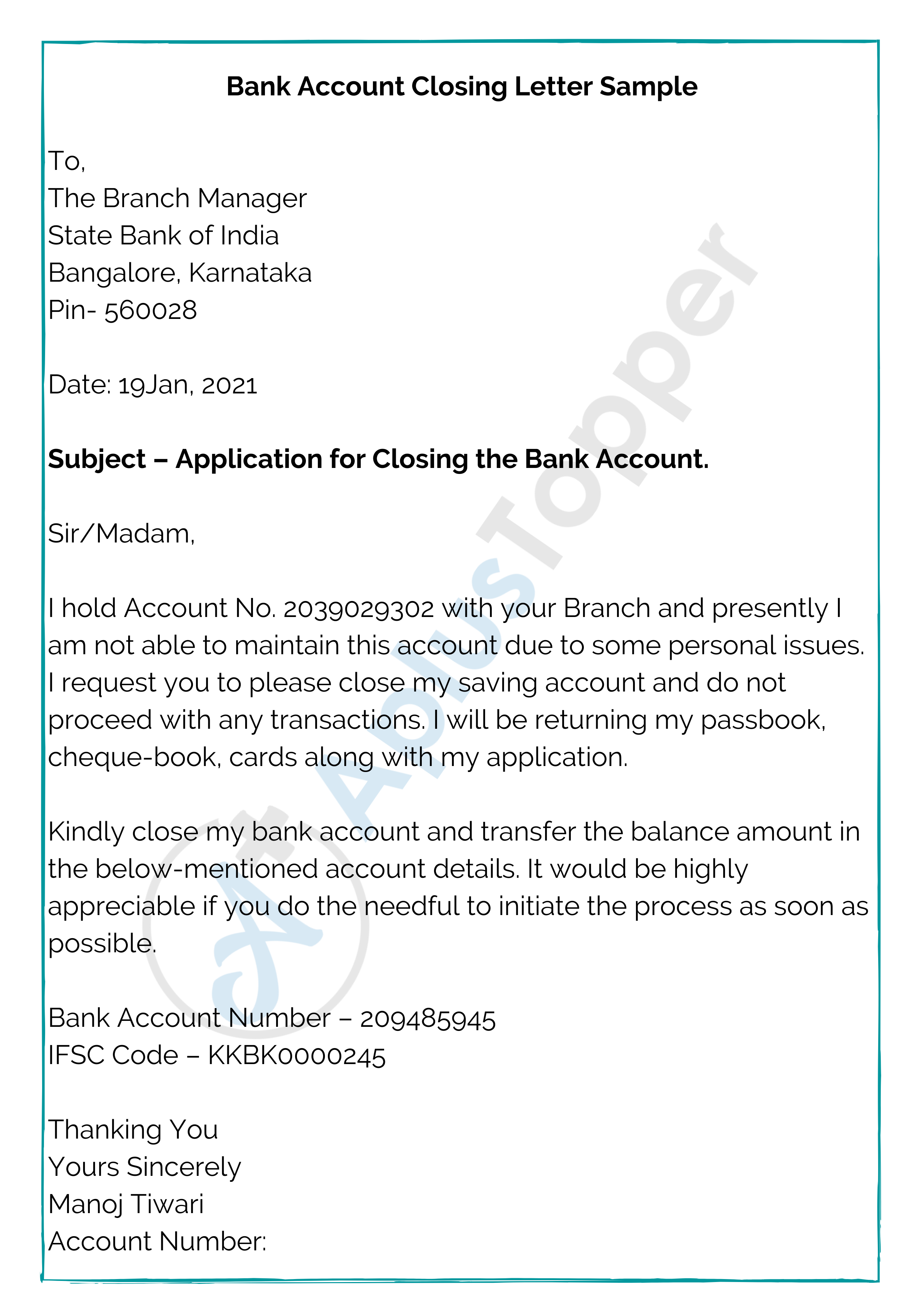
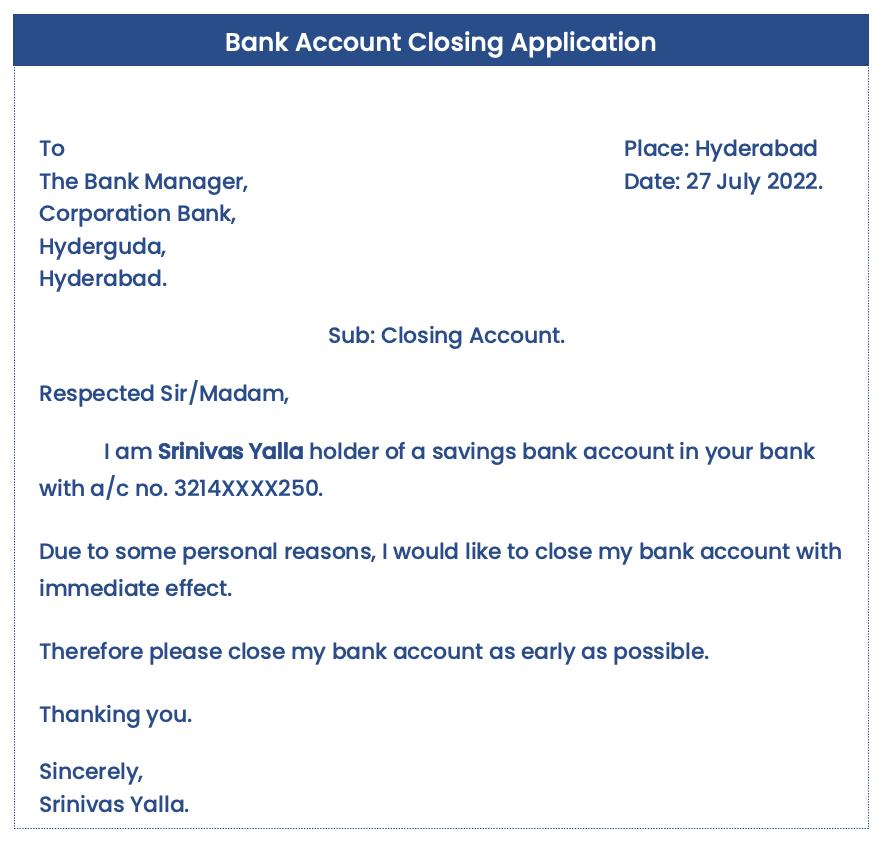
- Written Request: Send a notarized letter via certified mail. This is the most secure method for creating a paper trail, which is especially useful if you are dealing with an unresponsive institution.
3. Navigating Common Pitfalls and the “Zombie Account” Trap

Even with the best intentions, the process of closing an account can encounter friction. Being aware of these professional nuances will help you avoid the “Zombie Account”—an account that is supposedly closed but is “resurrected” by a late transaction or fee.
The Danger of Residual Transactions
If a merchant attempts to charge an account that you have “closed” but the bank has not yet fully processed in its backend, the bank may honor the payment as a courtesy. This creates a “Zombie Account.” The bank reopens the account, pays the merchant, and then charges you an overdraft fee because the balance was zero. To prevent this, always request a “Written Confirmation of Closure” and check your mail for any final statements following the closure.
Handling Early Account Closure Fees
Many banks, particularly those that offer sign-up bonuses, require you to keep an account open for a minimum period (usually 90 to 180 days). If you close the account before this window expires, the bank may claw back your bonus or charge an “early closure fee” ranging from $25 to $50. If you are unhappy with the bank but are still within this window, it is often more cost-effective to leave the minimum required balance in the account until the penalty period passes.
Managing Overdrafts During the Transition
During the “overlap” month where you are moving between banks, there is an increased risk of an overdraft if you miscalculate the timing of a bill. If this happens, settle the negative balance immediately. Do not attempt to close the account while it has a negative balance; the bank will likely refuse the request and report the delinquency to ChexSystems, which could prevent you from opening bank accounts elsewhere for several years.
4. Special Financial Considerations for Complex Accounts
Not all bank accounts are created equal. Depending on the legal structure and the purpose of the account, the closure process may involve additional layers of complexity.
Closing Joint Accounts and Business Entities
Closing a joint account typically requires the consent of all parties involved. Some institutions require both account holders to be present in person, while others may accept a signed affidavit from both parties. Similarly, for business accounts, you will likely need to provide corporate resolution documents or proof that the business has the authority to close the account, especially if there are multiple partners or stakeholders.
Understanding the Impact on Credit Scores
A common myth in personal finance is that closing a bank account hurts your credit score. Unlike closing a credit card, which can affect your credit utilization ratio and age of credit history, closing a standard checking or savings account has no direct impact on your FICO or VantageScore. However, it does impact your “banking history” via ChexSystems. As long as the account is closed with a positive or zero balance, your financial reputation remains untarnished.
Dealing with Certificates of Deposit (CDs)
If you are closing a CD before its maturity date, you will almost certainly face an early withdrawal penalty. This penalty is often a portion of the interest earned (e.g., three months’ worth of interest). Before closing, calculate whether the benefit of moving the money to a new opportunity outweighs the cost of the penalty. In many cases, it is wiser to wait for the CD to mature, then close the account during the “grace period” (usually 7-10 days after maturity).
5. Selecting Your Next Financial Partner
The decision to close an account is usually driven by the desire for a better banking experience. As you move your capital, use this opportunity to re-evaluate your financial needs and ensure your new institution aligns with your long-term goals.
Evaluating Fee Structures and Interest Rates
In the current economic climate, your money should be working for you. If your old bank was paying 0.01% on savings while charging a $12 monthly fee, you were effectively losing money every month. Look for high-yield savings accounts (HYSA) or online-only banks that offer competitive Annual Percentage Yields (APY) and zero-fee structures. Over a decade, the difference between a traditional “big bank” savings account and a high-yield option can amount to thousands of dollars in compound interest.
Assessing Digital Infrastructure and Security
In a world that is increasingly digital, the quality of a bank’s app and its security protocols (such as two-factor authentication and biometric login) are paramount. A professional financial strategy should prioritize ease of use. If a bank’s interface makes it difficult to transfer money or monitor transactions, it is not the right tool for an efficient financial life.
Final Checklist for a Successful Closure
Before you cut up your old debit card, ensure you have completed the following:
- Open the new account and fund it.
- Update direct deposits and wait for a successful cycle.
- Update recurring bills and verify the change with the merchant.
- Download 12-24 months of statements from the old bank for tax purposes.
- Obtain written confirmation that the account is closed and the balance is zero.
By following these professional steps, you transform the mundane task of closing a bank account into a strategic exercise in financial optimization. Taking control of your banking relationships is a fundamental pillar of wealth management, ensuring that every dollar you earn is protected, accessible, and positioned for growth.
aViewFromTheCave is a participant in the Amazon Services LLC Associates Program, an affiliate advertising program designed to provide a means for sites to earn advertising fees by advertising and linking to Amazon.com. Amazon, the Amazon logo, AmazonSupply, and the AmazonSupply logo are trademarks of Amazon.com, Inc. or its affiliates. As an Amazon Associate we earn affiliate commissions from qualifying purchases.