
Gift cards have become a ubiquitous part of modern commerce, serving as convenient gifts, promotional incentives, and even personal budgeting tools. However, their utility is often hampered by a common, yet easily solvable, dilemma: knowing precisely how much value remains on them. Understanding and regularly checking your gift card balance isn’t just about avoiding a minor inconvenience at the checkout; it’s a crucial aspect of responsible personal finance, ensuring you fully utilize your assets, prevent monetary waste, and integrate these flexible spending tools into your broader financial strategy.
In an economy where every dollar counts, letting gift card balances dwindle or expire unused is akin to leaving cash on the table. This guide delves into the practical methods for checking your gift card balance, framed within the larger context of smart financial management. We’ll explore why this seemingly simple act holds significant financial implications, outline the most effective ways to retrieve balance information, address common challenges, and ultimately demonstrate how to leverage gift cards as a savvy component of your personal financial toolkit.
The Importance of Knowing Your Gift Card Balance
While often perceived as a minor detail, staying informed about your gift card balances carries substantial financial weight. It’s not merely about avoiding an awkward moment at the cashier; it’s about maximizing the value you possess, preventing monetary loss, and integrating these flexible assets into your personal financial planning.
Preventing Underutilization and Expiration
One of the most common pitfalls with gift cards is their underutilization or, worse, their expiration. A card tucked away in a wallet or drawer, its balance unknown, is essentially dormant capital. Many gift cards, particularly those issued by specific retailers, come with expiration dates or inactivity fees that can gradually erode their value. By proactively checking your balance, you empower yourself to use the funds before they diminish or disappear. This vigilance transforms a potential liability (a forgotten card) into a real asset that can fund purchases you were already planning or treat yourself to something special. From a financial perspective, letting a gift card expire is equivalent to a direct financial loss, negating the original value gifted or purchased. Regular checks ensure you’re aware of these deadlines and can act accordingly, preserving your purchasing power.
Budgeting and Financial Planning with Gift Cards
For the financially astute, gift cards can be more than just spontaneous treats; they can be integrated into a robust budgeting strategy. For instance, if you receive a gift card to a grocery store or a gas station, knowing its exact balance allows you to factor that amount into your weekly or monthly budget. It frees up cash that would otherwise be allocated to those categories, which can then be saved, invested, or used for other necessary expenses. Similarly, a gift card for a specific retailer can be earmarked for a particular purchase, effectively pre-funding that expense and preventing it from impacting your discretionary spending budget. This level of foresight transforms a simple gift into a quantifiable financial resource, offering flexibility and precision in managing your funds. It allows for a more accurate assessment of your available liquid assets for specific spending categories, strengthening your overall financial control.
Avoiding Embarrassment at Checkout
Beyond the direct financial implications, there’s the practical, if less tangible, benefit of avoiding social discomfort. There’s little more frustrating for both customer and cashier than attempting a purchase with a gift card only to find it has an insufficient balance, especially when a long queue forms behind you. Such situations can be embarrassing and disrupt the flow of transactions. By checking your balance beforehand, you eliminate this potential friction, ensuring a smooth and efficient checkout experience. This small act of preparation contributes to a more stress-free financial life and respects the time of others, underscoring the broader principle that good financial habits often lead to greater personal comfort and efficiency.
Common Methods for Checking Gift Card Balances
Fortunately, checking a gift card balance is typically a straightforward process, though the exact method can vary depending on the issuer. Familiarizing yourself with these common approaches will equip you to quickly ascertain your card’s value, ensuring you’re always in control of your financial assets.
Online Portal: The Digital Frontier
In our increasingly digital world, the internet has become the most common and convenient method for checking gift card balances. Most major retailers and card issuers provide a dedicated section on their official websites for this purpose. This usually involves:
-
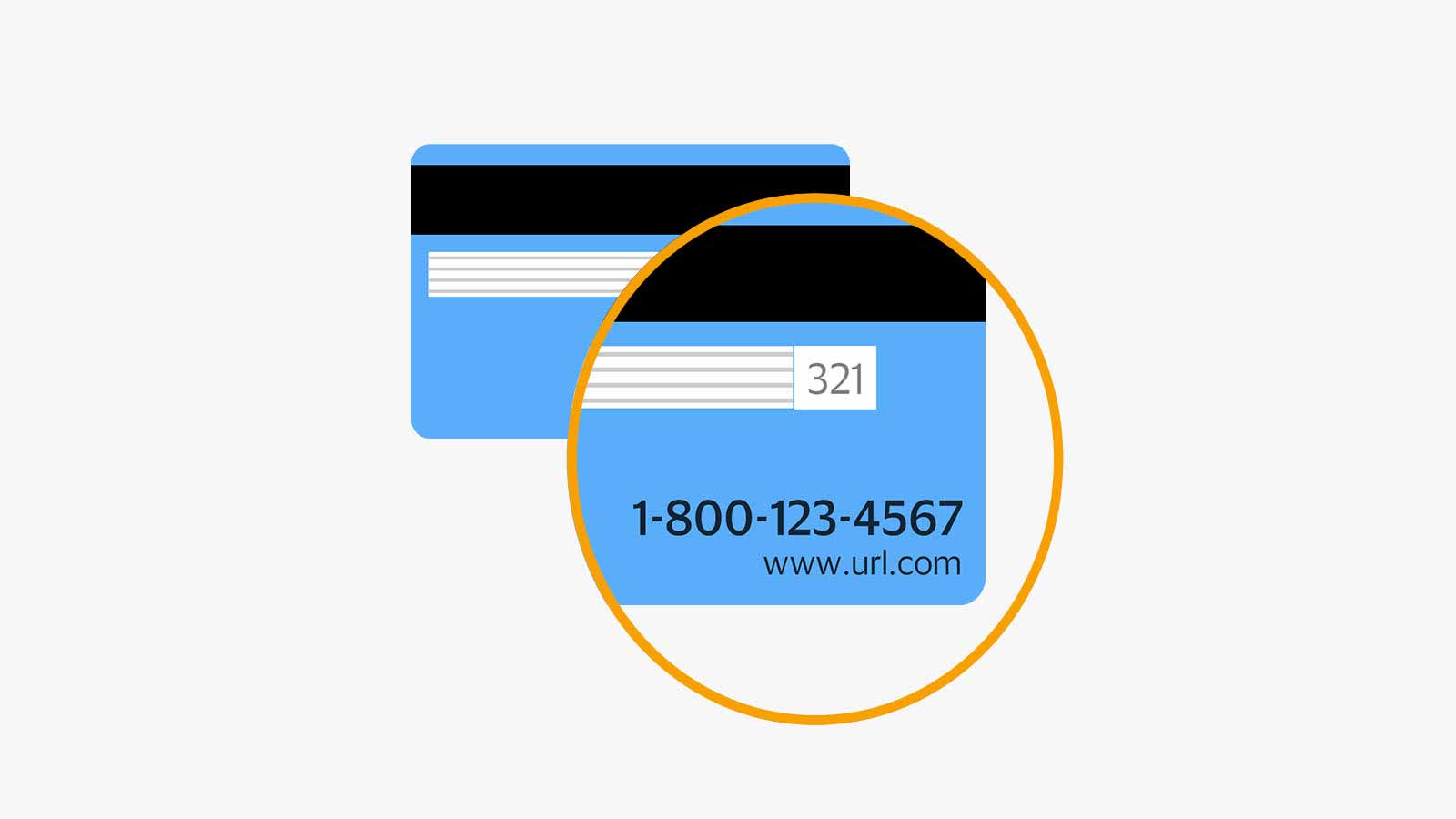
Locating the Website: Look for the issuer’s official website printed on the back of the gift card, often near the card number or terms and conditions.
-
Navigating to the Balance Check Page: Once on the site, search for phrases like “Check Balance,” “Gift Card Balance,” or “Manage My Card.” This is often found in the footer, customer service section, or directly linked from the homepage.
-
Entering Card Details: You’ll typically be prompted to enter the gift card number and, in many cases, a PIN or security code. These are usually 4-digit numbers found on the back of the card, often under a scratch-off strip.
-
Instant Result: After submitting the details, your current balance will be displayed almost instantly.
This method offers 24/7 access, allowing you to check balances from the comfort of your home or on the go via a mobile device, making it an incredibly efficient financial tool. It’s also an excellent way to consolidate information if you have multiple cards from the same retailer.
Phone Inquiry: Direct Communication
For those who prefer direct human interaction or cannot easily access the internet, calling a customer service number is a reliable alternative. Most gift cards include a toll-free customer service number printed on the back of the card.
-
Locate the Number: Find the 1-800 or similar contact number, usually next to the website address.
-
Prepare Card Details: Have your gift card number and PIN (if applicable) ready before you call.
-
Follow Prompts or Speak to Representative: You’ll likely encounter an automated system that will guide you through entering your card details to retrieve the balance. If this fails or you prefer, you can usually opt to speak with a customer service representative who can assist you directly.
While this method might take a few minutes longer than an online check, it offers a fallback option and can be particularly useful for cards with unclear online instructions or if you encounter issues with the website.
In-Store Check: The Personal Touch
For brick-and-mortar retailers, checking your balance directly at the store is often the simplest and most foolproof method.
-
Visit the Merchant: Go to any physical location of the retailer that issued the gift card.
-
Approach Customer Service or Cashier: Present your gift card to a customer service desk representative or a cashier. They have specialized systems that can read the card and provide an immediate balance update.
-
Request Balance: Simply state that you would like to check the balance on your gift card.
This method is particularly effective if you are already planning a trip to the store or happen to be in the vicinity. It also offers the advantage of immediate clarification if there are any discrepancies or questions about the card’s terms. It’s a tangible way to verify your funds before making a purchase, aligning with prudent financial behavior.

Receipt and Packaging Information: Your First Clue
Before diving into digital or direct communication methods, it’s always wise to check the gift card itself, its original packaging, or the purchase receipt.
-
Card Back: Often, the back of the gift card will clearly state the primary methods for checking the balance, including a website and a phone number.
-
Original Packaging: If you still have the original packaging or accompanying materials, these sometimes contain a QR code or direct instructions for balance checks.
-
Purchase Receipt: For gift cards you purchased yourself, the activation receipt may show the initial balance and sometimes provide guidance on how to check it later. While not providing a current balance, it confirms the initial value and can be a useful reference point.
This preliminary check can save time by directing you to the most efficient method right from the start, embodying a streamlined approach to managing your financial instruments.
Navigating Challenges and Best Practices
While checking a gift card balance is generally straightforward, certain scenarios can pose challenges. Understanding these potential roadblocks and adopting best practices can help you maintain full control over your gift card funds, ensuring they serve their intended financial purpose.
Dealing with Lost or Unregistered Cards
A lost gift card can feel like losing cash, but it’s not always a total loss, especially if you acted proactively. The key to recovering value from a lost card lies in whether it was registered or if you retained proof of purchase.
-
Registration is Key: Some gift card issuers allow you to register your card online, often linking it to your name or account. If a registered card is lost or stolen, you can often report it and potentially receive a replacement card with the remaining balance. This acts as a crucial layer of financial protection, much like insuring other assets.
-
Proof of Purchase: If registration wasn’t an option, keeping the original purchase receipt, especially one that shows the card’s activation number, can be invaluable. This receipt provides evidence of ownership and the card’s initial value, which some issuers might honor by replacing the card.
-
Contact Issuer Immediately: In either case, contacting the card issuer’s customer service as soon as you realize the card is lost is paramount. Provide them with any details you have (card number, purchase date, activation code) to explore recovery options. Treating gift cards with the same care as cash or credit cards is a fundamental best practice for financial security.
Understanding Terms and Conditions (Fees, Expiration)
Gift cards, like many financial products, come with specific terms and conditions that can impact their value over time. Ignorance of these terms can lead to unexpected financial deductions or complete loss of funds.
-
Expiration Dates: Many gift cards, particularly promotional ones or those from smaller merchants, have expiration dates. Federal law (CARD Act of 2009) mandates that most retail gift cards cannot expire for five years from the date of activation, but there are exceptions for promotional cards or reloadable cards. Always check the fine print.
-
Inactivity Fees: Some cards may also charge inactivity fees if they haven’t been used for a certain period (e.g., 12 months). These fees reduce the card’s balance. Again, federal law generally prohibits inactivity fees for the first year, but they can be applied thereafter.
-
Purchase Fees: While not impacting balance post-purchase, some gift cards (especially bank-issued ones like Visa/Mastercard gift cards) have activation fees. Be aware of these when buying.
Reading the small print on the back of the card or on the issuer’s website is a critical financial habit that prevents unpleasant surprises and ensures you get the full value of your gift.
Consolidating and Maximizing Value
For those with multiple gift cards, especially from the same retailer, strategic consolidation can be a smart financial move.
-
Combine Balances: Many retailers allow you to combine the balances of several smaller gift cards onto a single new card. This simplifies management, reduces the risk of forgetting or losing small balances, and ensures that the total value is more easily accessible for larger purchases.
-
Timely Usage: Develop a habit of using gift cards shortly after receiving them, or at least checking their balances regularly. This mitigates the risk of expiration or dormancy fees. Integrating a “gift card check” into your monthly financial routine, alongside checking bank statements, can be highly effective.
-
Leverage Sales: Maximize the value of your gift cards by timing their use with sales or promotions at the issuing retailer. A $50 gift card effectively becomes more valuable if you use it to purchase an item that’s 20% off, stretching your funds further.
What to Do with Small Remaining Balances
It’s common to have a small, seemingly insignificant balance left on a gift card after a purchase. Don’t let these amounts go to waste; they still represent usable money.
-
“Top-Off” Purchases: Use the small balance to “top off” a purchase where the gift card covers part of the cost, and you pay the rest with cash or another card. Many POS systems automatically allow this.
-
Small Indulgences: Reserve small balances for inexpensive items like a coffee, a snack, or a magazine. This ensures the full value is extracted.
-
Online Accounts: For online retailers, you might be able to apply a small gift card balance to your account credit, which will then be automatically used on a future purchase.
-
Re-Gifting (with transparency): While generally not recommended for monetary gifts, if you have a card with a very small, specific balance for a store a friend frequently visits, you could consider transparently offering it to them (e.g., “Hey, I have $3.50 left on this coffee shop card, want it?”).
Every dollar, even in cents, counts towards your overall financial well-being. Diligently using up small balances reflects a financially disciplined mindset.
Utilizing Gift Cards as a Smart Financial Tool
Beyond simply spending them, gift cards, when managed thoughtfully, can serve as surprisingly effective financial tools, offering both convenience and strategic advantages in personal finance. Their role extends from smart gifting to personal budgeting and asset protection.
Gifting Strategy: Value and Convenience
Gift cards represent a sophisticated solution to the perennial gifting dilemma: finding the perfect present. From a financial perspective, they offer both convenience for the giver and freedom for the recipient, ensuring the value gifted is fully realized.
-
Empowering the Recipient: Instead of guessing a recipient’s preferences and potentially purchasing an unwanted item that might be returned or never used, a gift card empowers them to choose exactly what they need or desire. This eliminates “dead money” on ill-fitting gifts and ensures the financial value of your generosity is maximized.
-
Budgetary Control for Giver: For the giver, gift cards provide precise budgetary control. You decide the exact amount you want to spend, avoiding overspending or the pressure to find something “just right” within a tight budget. This makes holiday and birthday shopping more predictable financially.
-
Last-Minute Solution: When time is short, a digital gift card can be purchased and delivered instantly, providing a valuable financial gift without the stress of physical shopping or shipping delays. This convenience factor, while not directly financial, enhances the utility of your gifting budget.
Self-Gifting for Budgeting Specific Categories
One of the most innovative uses of gift cards for personal finance is “self-gifting” to enforce budgeting discipline. This strategy leverages the nature of gift cards to control spending in specific, often problematic, categories.
-
Pre-Funded Spending Categories: If you struggle with overspending on discretionary items like dining out, entertainment, or coffee, you can purchase a gift card for a specific amount each month for those categories. For example, buy a $100 restaurant gift card at the beginning of the month. Once that card is depleted, your restaurant budget for the month is effectively exhausted.
-
Behavioral Nudge: This creates a tangible barrier to overspending that is often more effective than simply tracking expenses on a spreadsheet. It forces a pause and decision point: “Do I have funds left on my gift card for this, or am I dipping into other funds?”
-
Reduced Temptation: By limiting yourself to the funds on the card, you physically restrict your access to additional spending in that category, reinforcing positive financial habits. This method can be particularly powerful for managing “wants” versus “needs.”

Protecting Your Gift Card Value
Treating gift cards like other financial assets is crucial for protecting their inherent value. This involves a combination of practical steps and informed awareness.
-
Keep Records: Always keep a record of your gift card numbers and their associated PINs, especially for high-value cards. Photographing the back of the card or entering details into a secure spreadsheet can be invaluable if the card is lost or stolen, facilitating a recovery process with the issuer.
-
Register Cards: Where possible, register your gift cards with the issuing merchant. This often links the card to your identity, making it much easier to report loss or theft and potentially obtain a replacement.
-
Be Wary of Scams: Be vigilant against gift card scams, which often involve requests for gift card payments for taxes, utilities, or emergency situations. Legitimate organizations will never ask for payment in gift cards. This awareness protects your financial assets from fraudulent depletion.
-
Understand Redemption Process: Familiarize yourself with how and where a gift card can be redeemed (online, in-store, specific departments). This prevents wasted trips or frustration and ensures the value can be accessed efficiently.
By viewing gift cards not just as simple transactional tools but as integral components of your financial landscape, you can harness their full potential. From ensuring every dollar is spent to strategically managing budgets, the humble gift card, when handled with financial diligence, becomes a powerful ally in achieving your monetary goals. Checking its balance is the first, and most crucial, step in this financially intelligent journey.
aViewFromTheCave is a participant in the Amazon Services LLC Associates Program, an affiliate advertising program designed to provide a means for sites to earn advertising fees by advertising and linking to Amazon.com. Amazon, the Amazon logo, AmazonSupply, and the AmazonSupply logo are trademarks of Amazon.com, Inc. or its affiliates. As an Amazon Associate we earn affiliate commissions from qualifying purchases.