
Deciding to cancel an auto insurance policy, even with a well-known provider like GEICO, is a common occurrence in personal finance. Whether driven by the pursuit of better rates, a change in life circumstances, or dissatisfaction with service, this decision directly impacts your financial well-being. Cancelling insurance isn’t merely a transactional formality; it’s a strategic personal finance move that requires careful planning to avoid unnecessary costs, coverage gaps, and future complications. This comprehensive guide will walk you through the process of cancelling your GEICO auto insurance, framed within the essential financial considerations that ensure a smooth and economically sound transition.
Understanding the Financial Implications of Cancelling Auto Insurance
Before you even think about picking up the phone, it’s crucial to grasp the financial ramifications of cancelling an auto insurance policy. This isn’t just about saving money; it’s about managing risk, understanding potential fees, and ensuring a seamless transition that protects your assets and your wallet.
Why Cancelling Matters for Your Wallet
Your auto insurance premium is a significant recurring expense for many households. The decision to cancel, therefore, inherently has financial implications. On the one hand, successfully switching to a cheaper provider can lead to substantial annual savings, freeing up funds for other financial goals like debt reduction, savings, or investments. On the other hand, cancelling without proper due diligence can trigger unexpected costs. Some policies may have cancellation fees, though GEICO is generally known for not imposing them on standard cancellations. More importantly, understanding whether you’ll receive a pro-rata refund (a refund for the unused portion of your premium) or if the cancellation falls under a “short-rate” basis (where the insurer keeps a larger portion of the premium) is vital. A lapse in coverage, even for a day, can result in higher premiums when you seek new insurance, as insurers view a history of continuous coverage favorably.
The Cost-Benefit Analysis: When to Switch Providers
The primary financial driver for cancelling one policy and seeking another is almost always a cost-benefit analysis. Are the savings from a new provider significant enough to justify the effort of switching? This analysis goes beyond just comparing sticker prices. You need to evaluate:
- Equivalent Coverage: Ensure the new policy offers comparable or superior coverage to your GEICO policy. A cheaper policy with drastically reduced liability limits or higher deductibles might not be a true saving if it leaves you underinsured in an accident.
- Deductibles: Compare the deductibles. A lower premium with a much higher deductible might mean you pay more out-of-pocket in the event of a claim.
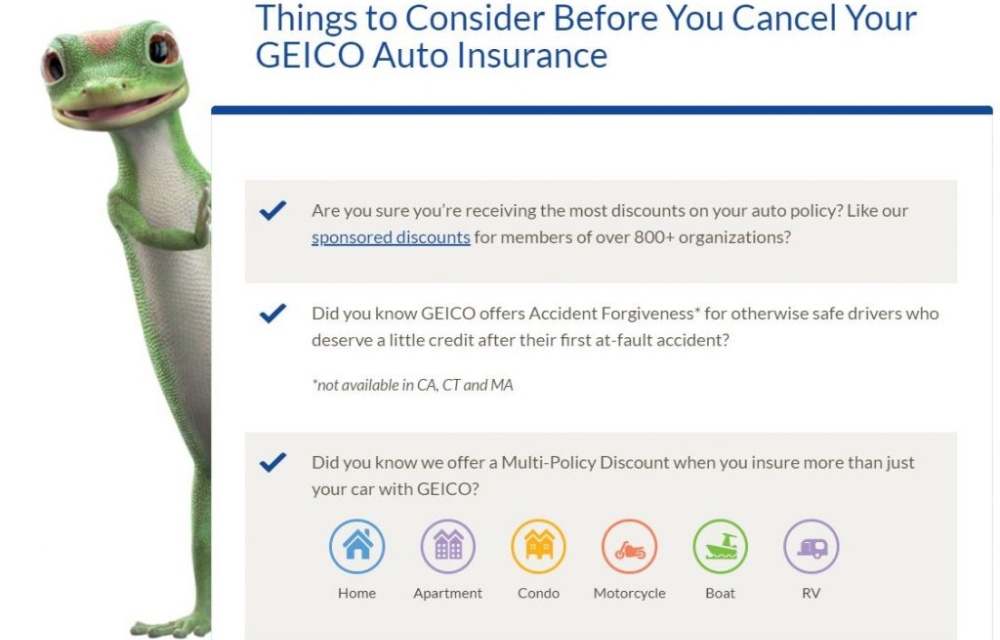
- Discounts and Bundling Opportunities: Many insurers offer discounts for bundling home and auto, good drivers, safe vehicles, or multiple policies. When comparing, factor in all potential discounts. GEICO itself is known for its extensive list of discounts, so ensure any new provider offers competitive savings.
- Customer Service and Claims Process: While harder to quantify financially, a responsive insurer with an efficient claims process can save you time and stress, which indirectly has financial value. Researching reviews and asking for recommendations can provide insight.
Ultimately, a detailed side-by-side comparison of policy features, premiums, and potential savings (after accounting for any fees or lost discounts) will reveal whether switching truly benefits your financial position.
Avoiding Common Financial Pitfalls During Transition
The transition period between cancelling one policy and starting another is fraught with potential financial pitfalls. The most critical is ensuring you never have a lapse in coverage. Driving uninsured is illegal in most places and can lead to severe financial consequences in the event of an accident, including personal liability for damages, fines, and license suspension.
- Synchronize Start and End Dates: Never cancel your GEICO policy until your new policy is officially active. Aim for the new policy to begin on the same day, or even a day before, your GEICO policy ends.
- Confirm Refund Expectations: Understand how and when you will receive any prorated refund from GEICO. This helps with budgeting and cash flow.
- Final Payment Obligations: Ensure all outstanding premiums with GEICO are settled. Failure to do so could lead to collections and negatively impact your credit score. If you pay monthly, confirm your final payment amount and date.
Proactive planning and meticulous attention to detail during this transition phase are paramount to protecting your financial stability.
Step-by-Step Guide to Cancelling Your GEICO Auto Insurance
The actual process of cancelling your GEICO policy is relatively straightforward once you understand the steps involved. While GEICO aims to make the process as simple as possible, knowing what to do and what information to have ready can significantly streamline the experience.
Preparation: Gathering Necessary Information
Before contacting GEICO, gather all relevant information. This preparation will not only speed up the process but also ensure accuracy and prevent any potential misunderstandings.
- Your GEICO Policy Number: This is the most crucial piece of information. It can be found on your insurance card, policy documents, or by logging into your GEICO online account.
- Personal Identification: Have your full name, date of birth, and possibly your driver’s license number ready for verification purposes.
- Desired Cancellation Date: Be clear about the exact date you want your GEICO policy to end. As discussed, this should ideally align with the start date of your new policy.
- New Insurance Information (if applicable): While not always strictly required by GEICO, having details about your new insurance provider and policy can be helpful, especially if they ask for proof of continuous coverage.
- Reason for Cancellation: While not mandatory to disclose, having a concise reason ready (e.g., “found a better rate,” “sold the car,” “moving out of state”) can sometimes expedite the conversation.
Direct Communication: GEICO’s Preferred Methods
GEICO, like most major insurers, often requires a phone call to finalize a policy cancellation. While you might be able to initiate some changes or get information online, a direct conversation with a representative is typically necessary to confirm and process the cancellation.
- The Phone Call (Recommended): This is usually the quickest and most definitive way to cancel.
- Contact Number: Call GEICO directly at 1-800-841-3000.
- What to Expect: Be prepared to speak with a customer service representative who will verify your identity, ask for your policy number, and inquire about your reason for cancelling. They may also attempt to retain your business by offering new discounts or reviewing your current policy for potential savings. Be polite but firm in your decision if you’ve already committed to switching.
- Key Questions to Ask:
- Confirm the exact cancellation date.
- Inquire about any potential cancellation fees (though GEICO typically doesn’t have them).
- Ask about the amount of any prorated refund and the timeline for receiving it.
- Request written confirmation of your policy cancellation (e.g., an email or letter).
- Online Portal: While GEICO’s online portal allows you to manage many aspects of your policy, direct cancellation usually isn’t an option. You might be able to initiate a request or find contact information, but expect a follow-up call.
- Mail/Fax: Sending a written cancellation request via certified mail or fax is an option if you prefer written documentation, but it’s generally slower and less direct than a phone call. If you choose this method, include your policy number, full name, desired cancellation date, and a clear statement of your intent to cancel. Be sure to request a return receipt for proof of delivery.
Crucial Steps Post-Cancellation Request
Your work isn’t done once you’ve made the cancellation request. Several follow-up steps are essential to ensure everything is finalized and to protect your financial and legal standing.
- Obtain Written Confirmation: This is critical. Whether via email or physical mail, having official documentation from GEICO confirming the cancellation date and status of your policy is your proof of termination. Keep this record for your files.
- Monitor for Refund: If you are due a prorated refund, keep an eye on your bank statements or mailbox for the funds. Note the timeline GEICO provided during your call.
- Update Your State DMV (If Applicable): In some states, you are legally required to inform the Department of Motor Vehicles (DMV) or equivalent state agency when you change or cancel your auto insurance. Failure to do so can result in fines or license suspension. Check your state’s specific regulations.
- Remove Old Insurance Cards/Proof: Replace your old GEICO insurance cards with those from your new provider in your vehicle and wallet. Shred any outdated documents to protect your personal information.

By meticulously following these steps, you can ensure a hassle-free cancellation process and focus on enjoying the benefits of your new insurance policy.
Key Financial Considerations Before Finalizing Your Cancellation
Beyond the procedural steps, several financial nuances warrant careful consideration before you fully commit to cancelling your GEICO policy. These often overlooked details can have a significant impact on your final costs and overall financial health.
Prorated Refunds and Potential Fees
Understanding how refunds are calculated is crucial for your personal finance. Most insurance cancellations are “pro-rata,” meaning you receive a refund for the exact unused portion of your premium. For example, if you paid for six months upfront and cancel after three, you’d get roughly half your premium back. However, in some rare cases (often involving cancellations initiated by the insurer or very early policy terminations), a “short-rate” cancellation might apply, where the insurer retains a slightly larger portion of the premium to cover administrative costs. While GEICO is generally known for not charging cancellation fees for standard, customer-initiated cancellations, always confirm this during your call. If you’ve been receiving loyalty discounts for long-term policyholding, cancelling might mean you forfeit those benefits, which could influence your decision if the savings from a new provider are marginal.
Ensuring Continuous Coverage: The Lapse Trap
This cannot be stressed enough: a lapse in auto insurance coverage is a significant financial and legal risk. Driving without insurance, even for a single day, can lead to:
- Legal Penalties: Fines, points on your driving record, license suspension, or even vehicle impoundment depending on your state.
- Increased Future Premiums: Insurers view a history of continuous coverage as a sign of responsibility. A lapse, even a short one, can signal higher risk and result in significantly higher premiums when you try to get new insurance, potentially negating any savings from switching.
- Personal Financial Ruin: If you are involved in an accident while uninsured, you could be held personally liable for all damages, including medical expenses for injured parties, vehicle repairs, and legal fees. This can amount to hundreds of thousands of dollars, far exceeding any insurance premium.
To avoid this, meticulously synchronize the cancellation date of your GEICO policy with the effective start date of your new policy. Ideally, have your new policy active and confirmed before initiating the GEICO cancellation.
The Impact on Multi-Policy Discounts
If you have multiple policies with GEICO—such as home, renters, motorcycle, or umbrella insurance—you are likely receiving a multi-policy discount on all of them. Cancelling your auto insurance with GEICO will almost certainly cause you to lose this discount on your remaining GEICO policies. This could lead to an increase in premiums for those other policies. Before cancelling, request quotes for your other GEICO policies as standalone policies or explore bundling options with your new auto insurance provider. The goal is to ensure that the overall savings from switching auto insurance aren’t offset or even surpassed by increased costs on your other insurance products. A holistic view of your entire insurance portfolio is essential for sound financial planning.
Beyond Cancellation: Optimizing Your Future Auto Insurance
Cancelling your GEICO policy is not the end of your personal finance journey with auto insurance; it’s an opportunity to optimize your future coverage and costs. Proactive management of your insurance policies is a hallmark of good financial stewardship.
Regularly Reviewing Your Coverage Needs
Life circumstances change, and so should your insurance coverage. Regularly reviewing your policy ensures you’re adequately protected without overpaying for unnecessary coverage.
- Life Events: A new car, marriage, moving to a new area, a significant change in commute, or even having a teenager start driving all necessitate a review of your policy limits and types of coverage.
- Asset Protection: As your net worth grows, so should your liability coverage. Higher liability limits offer greater protection against significant financial loss in the event of a major accident.
- Vehicle Value: As a car ages and depreciates, you might consider adjusting your collision and comprehensive coverage. For very old cars, the cost of these coverages might outweigh the potential payout.
Making these adjustments helps tailor your insurance to your current needs, ensuring every dollar spent on premiums provides optimal value.
Leveraging Comparison Tools and Independent Agents
Don’t settle for the first quote you receive. The auto insurance market is highly competitive, and prices can vary dramatically between providers for similar coverage.
- Online Comparison Websites: Tools like Policygenius, The Zebra, or Bankrate allow you to input your information once and receive multiple quotes from various insurers, making comparison shopping efficient.
- Independent Insurance Agents: Unlike captive agents who work for a single insurer (like GEICO), independent agents work with multiple insurance companies. They can shop around on your behalf, often finding the best rates and coverage options tailored to your specific situation, and can be an invaluable resource for complex insurance needs.
Utilizing these resources regularly, perhaps annually or bi-annually, ensures you are always getting the most competitive rates available in the market.

Proactive Strategies for Lower Premiums
Beyond switching providers, there are ongoing strategies you can employ to keep your auto insurance premiums as low as possible:
- Maintain a Clean Driving Record: This is the most significant factor. Avoiding accidents and traffic violations directly translates to lower premiums.
- Utilize Telematics Programs: Many insurers offer programs (often through a smartphone app or device) that monitor your driving habits (speed, braking, mileage). Good driving behavior can earn significant discounts.
- Increase Deductibles (When Appropriate): If you have a solid emergency fund, opting for higher deductibles (e.g., $1,000 instead of $500) can lower your premium. Just ensure you can comfortably afford the deductible if you need to make a claim.
- Ask About All Available Discounts: Always inquire about every possible discount: good student, defensive driving course, low mileage, anti-theft devices, payment in full, paperless billing, etc. The cumulative effect of several small discounts can be substantial.
- Improve Your Credit Score: In many states, insurers use credit-based insurance scores as a factor in determining premiums. A higher credit score can lead to lower rates.
Cancelling your GEICO auto insurance, while a specific task, is a powerful reminder that all aspects of your personal finance require attention and strategic decision-making. By approaching the cancellation process with careful planning, clear communication, and a strong understanding of its financial implications, you can ensure a smooth transition and set yourself up for optimized auto insurance management in the long run. It’s an exercise in taking control of your financial destiny, one policy at a time.
aViewFromTheCave is a participant in the Amazon Services LLC Associates Program, an affiliate advertising program designed to provide a means for sites to earn advertising fees by advertising and linking to Amazon.com. Amazon, the Amazon logo, AmazonSupply, and the AmazonSupply logo are trademarks of Amazon.com, Inc. or its affiliates. As an Amazon Associate we earn affiliate commissions from qualifying purchases.