
Navigating the landscape of higher education financing is often one of the most significant financial undertakings a household will face. At the center of this journey is the Free Application for Federal Student Aid (FAFSA). While the digital interface for federal aid has seen significant improvements in recent years, there are moments when the complexity of personal finance, tax data, or eligibility requirements necessitates a direct conversation with a professional. Knowing how to call FAFSA—and more importantly, how to navigate that call effectively—is a critical skill for students, parents, and financial advocates.
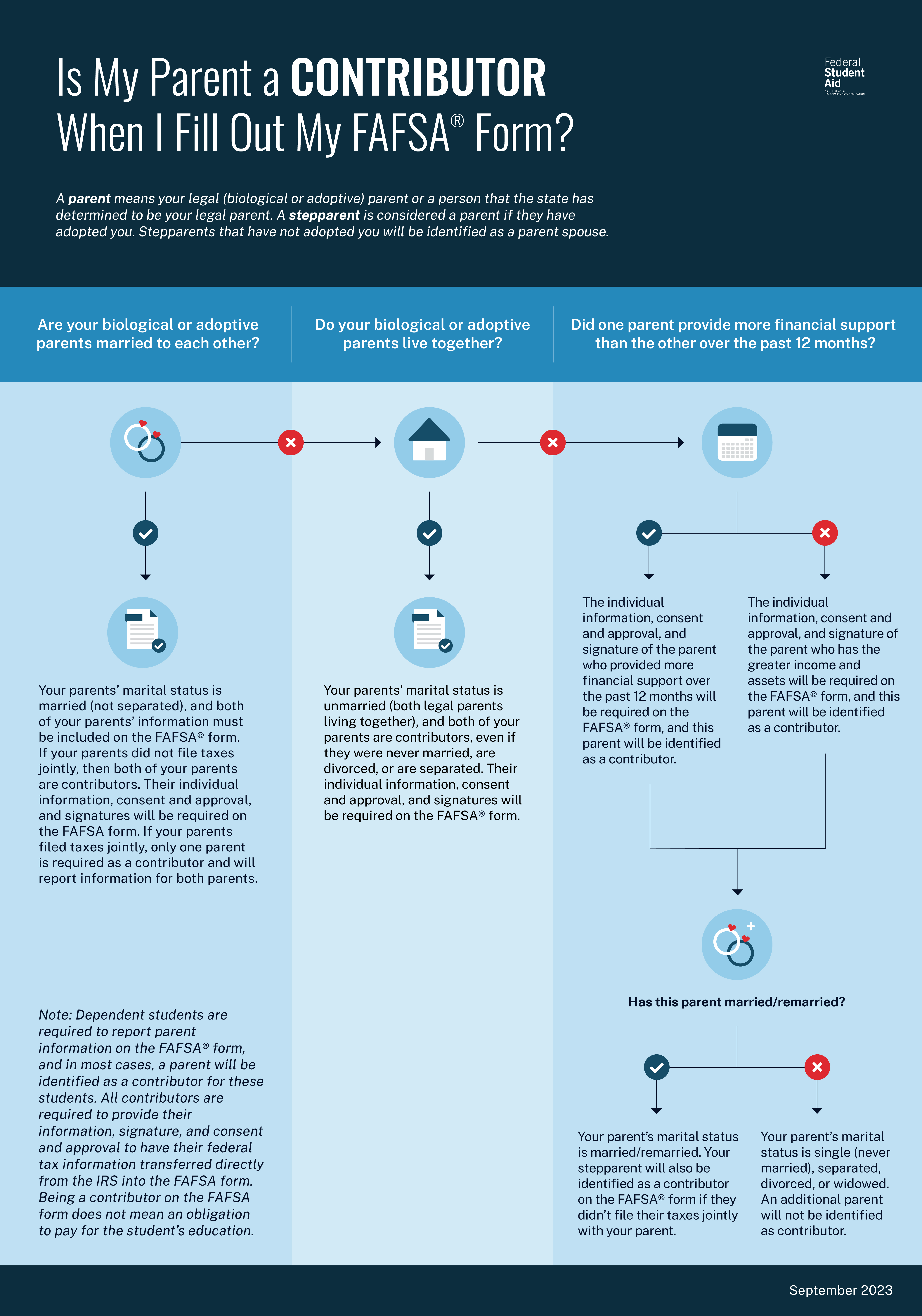
The Federal Student Aid (FSA) office, a part of the U.S. Department of Education, manages the distribution of more than $112 billion in federal grants, loans, and work-study funds annually. Because of the sheer volume of applicants and the sensitivity of the financial data involved, their support infrastructure is robust but can be challenging to navigate during peak seasons.
Primary Contact Methods for the Federal Student Aid Information Center (FSAIC)
The Federal Student Aid Information Center (FSAIC) is the primary gateway for assistance regarding the FAFSA. Whether you are experiencing technical difficulties with the website, have questions about specific financial definitions, or need to check the status of a submitted application, the FSAIC is the authorized body to handle these inquiries.
Essential Phone Numbers and Hours of Operation
To reach FAFSA support, the primary toll-free number is 1-800-4-FED-AID (1-800-433-3243). This line is designed to handle a wide array of inquiries, from general information about federal student aid programs to specific questions about your individual FAFSA form.
For those calling from outside the United States or its territories, the direct-dial number is 1-334-523-2691. It is important to note that international call charges may apply to this line. Additionally, for individuals who are deaf or hard of hearing, the TTY line is available at 1-800-730-8913.
Timing your call is perhaps the most important factor in determining how long you will wait on hold. The FSAIC typically operates during the following hours (all times are Eastern Time):
-
Monday through Friday: 8:00 AM – 10:00 PM
-
Saturday: 11:00 AM – 5:00 PM
-
Sunday: Closed
Historically, wait times are shortest early in the morning or later in the evening. Tuesday through Thursday are generally better days to call than Monday or Friday, which tend to experience higher call volumes due to weekend backlog and end-of-week deadlines.
Preparing Your Financial Information Before the Call
Before you dial, you must have your documentation ready. Federal student aid involves highly sensitive financial and personal data, and the agents will require specific identifiers to assist you with account-specific questions.
At a minimum, you should have your Social Security Number (SSN) or your Alien Registration Number (if applicable). More importantly, ensure you have your FSA ID (username and password) accessible. If you are a parent calling on behalf of a student, or vice versa, the agent may require both parties to be present or for the account holder to verify their identity before discussing specific financial details.
If your question pertains to specific tax information or the Student Aid Index (SAI), have your most recent tax returns and W-2 forms available. Having the specific H3 headings of the FAFSA form you are struggling with can also help the agent guide you through the digital interface more efficiently.
Navigating the Interactive Voice Response (IVR) System
When you call the 1-800 number, you will first interact with an automated Interactive Voice Response (IVR) system. This system is designed to route you to the correct department and provide automated answers to the most common questions.
Security Protocols and Identity Verification
The IVR system will ask you for your Social Security Number and date of birth to locate your file. If you are calling about an existing application, the system can often provide a status update without you ever needing to speak to a live agent. This “Self-Service” option is the fastest way to confirm that your application has been processed or to find out if additional documentation is required by your school’s financial aid office.
If the automated system cannot resolve your issue, you will be placed in a queue for a live representative. During periods of high volume—such as the months of January and February following the FAFSA launch, or late summer before the fall semester begins—wait times can exceed an hour. In these instances, the system may offer a “callback” feature, where you can leave your number and an agent will call you back when it is your turn in the queue. Utilizing this feature is highly recommended as it preserves your place in line without requiring you to stay on the phone.
The Role of the FSA ID in Phone Support
Your FSA ID is your legal electronic signature and your primary credential for federal student aid. While agents can help you troubleshoot issues with creating an FSA ID, they cannot see your password. If you are locked out of your account, the phone agent will walk you through the recovery process using your verified email address or mobile phone number. Because of strict federal security protocols, agents are limited in their ability to bypass these verification steps, emphasizing the need for users to keep their recovery information updated.
Common Financial Aid Issues Requiring Direct Support
Many users call FAFSA because they are facing unique financial circumstances that the standard form does not easily accommodate. In the realm of personal finance, student aid is one of the few areas where “professional judgment” can be applied by financial aid officers, but understanding how to initiate those conversations often starts with a call to the FSAIC.

Resolving Dependency Status and Financial Reporting Errors
One of the most common reasons for calling is a dispute or confusion regarding dependency status. Federal law has very specific definitions for who is considered an “independent” student for aid purposes. If a student is unable to provide parental information due to unusual circumstances—such as abandonment or an abusive home environment—a call to FAFSA can help the student understand how to complete the “Provisional Independent” status on the form.
Furthermore, correcting errors on a submitted FAFSA is a frequent necessity. While most corrections can be made online, certain errors involving the Social Security Number or name changes (such as those following a marriage) may require manual intervention or specific guidance from an agent to ensure that the record is synchronized correctly with the Social Security Administration.
Inquiries Regarding Loan Consolidation and Repayment
While the FAFSA is primarily the application for aid, the FSAIC also handles high-level questions regarding the management of that aid once it has been disbursed. Borrowers often call to inquire about Public Service Loan Forgiveness (PSLF), Income-Driven Repayment (IDR) plans, or the process of consolidating multiple federal loans into a single Direct Consolidation Loan.
In these cases, the agent may refer you to your specific loan servicer. However, the FSAIC remains the definitive source for understanding the overarching federal policies that govern these financial tools.
Alternative Support Channels and Digital Tools
In the modern financial landscape, a phone call is not always the most efficient way to resolve an issue. The Department of Education has expanded its digital support footprint to accommodate the preferences of a tech-savvy generation of students.
Live Chat and Email Correspondence
The “Contact Us” page on the StudentAid.gov website offers a Live Chat feature. This is often the most efficient way to get quick answers to technical questions, such as how to upload a document or how to resolve a browser error. The Live Chat agents have many of the same capabilities as phone agents but can often handle multiple inquiries simultaneously, leading to shorter wait times.
Email is another option, though it is the slowest. It is best used for non-urgent questions where you require a written record of the response for your financial files. When emailing, never include your full Social Security Number; use the secure messaging system within your StudentAid.gov account dashboard instead.
Social Media and the “Better FAFSA” Resources
With the implementation of the FAFSA Simplification Act, the Department of Education has utilized social media platforms like X (formerly Twitter) and YouTube to provide real-time updates and “how-to” videos. Following the official @FAFSA account can provide immediate alerts regarding system maintenance or extended deadlines.
The “Better FAFSA” initiative also introduced a more streamlined help center on the website. Before calling, it is wise to search the comprehensive FAQ database, which has been updated to reflect the transition from the Expected Family Contribution (EFC) to the Student Aid Index (SAI).
Strategic Financial Planning for Federal Aid
Calling FAFSA is often just one step in a broader strategy of personal finance and educational investment. To minimize the need for emergency calls and to maximize aid eligibility, proactive management is key.
Annual Deadlines and Fiscal Timing
The FAFSA cycle is a marathon, not a sprint. The application typically opens on October 1st for the following academic year (though recent legislative changes have caused temporary shifts to December). Calling early in the cycle ensures that any discrepancies are resolved long before state and institutional deadlines, which are often much earlier than the federal deadline.
By maintaining a dedicated file for student aid—including copies of submitted forms, confirmation numbers, and notes from any phone conversations with agents (including the agent’s name and the date of the call)—you create a financial paper trail that is invaluable if your application is selected for verification.

Protecting Your Financial Identity
Because federal aid involves significant sums of money and sensitive data, it is a frequent target for scammers. Official FAFSA support will never charge you for help. If you receive a call from someone claiming to be from FAFSA who asks for a fee to “guarantee” aid or to “unlock” your account for a price, it is a scam.
Always initiate the contact yourself using the verified numbers provided by StudentAid.gov. When you call the official line, you can be confident that you are speaking with a federal contractor bound by the Privacy Act of 1974, ensuring that your financial disclosures remain confidential and are used solely for the purpose of determining your eligibility for aid.
In conclusion, while the prospect of calling a federal agency can be daunting, the FSAIC is a vital resource for anyone navigating the complexities of student finance. By preparing your information, timing your call strategically, and utilizing the full spectrum of available support channels, you can ensure that your path to funding your education remains clear and manageable.
aViewFromTheCave is a participant in the Amazon Services LLC Associates Program, an affiliate advertising program designed to provide a means for sites to earn advertising fees by advertising and linking to Amazon.com. Amazon, the Amazon logo, AmazonSupply, and the AmazonSupply logo are trademarks of Amazon.com, Inc. or its affiliates. As an Amazon Associate we earn affiliate commissions from qualifying purchases.