
Understanding how to calculate your income is a cornerstone of sound financial management, whether you’re an individual managing household finances, a freelancer, or a business owner. This process goes beyond simply adding up your paychecks; it involves distinguishing between different types of income, accounting for deductions, and understanding the financial implications for budgeting, taxes, and future planning. Accurate income calculation provides a clear picture of your financial health, empowering you to make informed decisions and achieve your monetary goals.
Decoding Gross vs. Net Income: The Fundamental Difference
The first and most critical distinction in income calculation is between gross income and net income. These two figures serve different purposes and provide unique insights into your financial standing.
What is Gross Income?
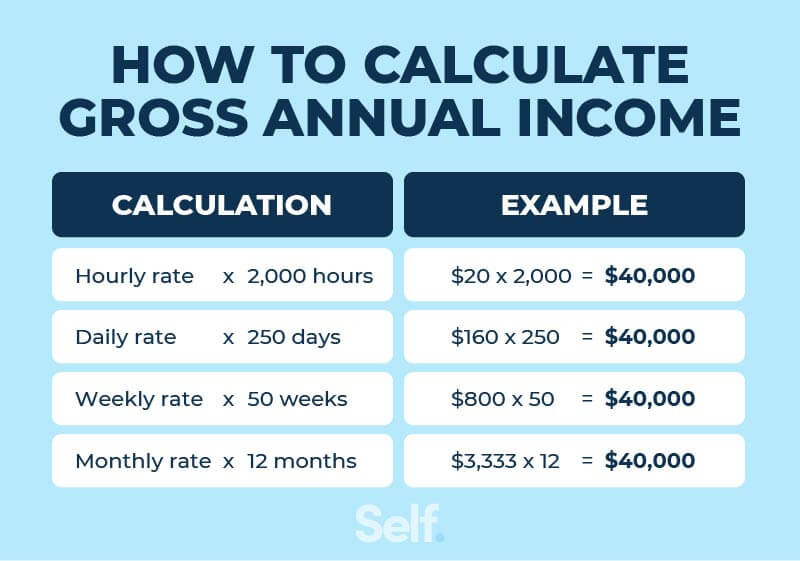
Gross income represents the total amount of money you earn before any deductions or taxes are taken out. It is the raw figure of your earnings from all sources. For an employee, this is your total salary or hourly wages before any withholdings. For a business or self-employed individual, it’s the total revenue generated from sales or services before business expenses are subtracted.
Examples of gross income sources include:
- Wages and Salaries: The stated pay rate before any deductions.
- Commissions and Bonuses: Additional earnings often tied to performance.
- Tips: Income received directly from customers.
- Business Revenue: The total sales or service fees collected by a business.
- Rental Income: The total rent collected from properties.
- Investment Income: Dividends, interest, and capital gains from investments.
- Alimony and Annuity Payments: Regular payments received.
Gross income is often used by lenders to assess your creditworthiness and your ability to repay loans, as it represents your maximum earning potential. It is also the starting point for calculating your taxable income.
What is Net Income?
Net income, often referred to as “take-home pay” for employees or “profit” for businesses, is the amount of money you have left after all mandatory and voluntary deductions have been subtracted from your gross income. This figure is what you actually have available to spend, save, or invest.
Common deductions that reduce gross income to net income include:
- Federal Income Tax: Withheld based on your W-4 form.
- State and Local Income Taxes: Applicable in many jurisdictions.
- Social Security Tax (FICA): Funds retirement, disability, and survivor benefits.
- Medicare Tax (FICA): Funds health insurance for the elderly and disabled.
- Health Insurance Premiums: Your contribution to employer-sponsored health plans.
- Retirement Contributions: 401(k), 403(b), or other pre-tax retirement plan contributions.
- Other Pre-Tax Deductions: Health Savings Accounts (HSAs), Flexible Spending Accounts (FSAs).
- Union Dues: If applicable.
- Wage Garnishments: Court-ordered deductions for debts.
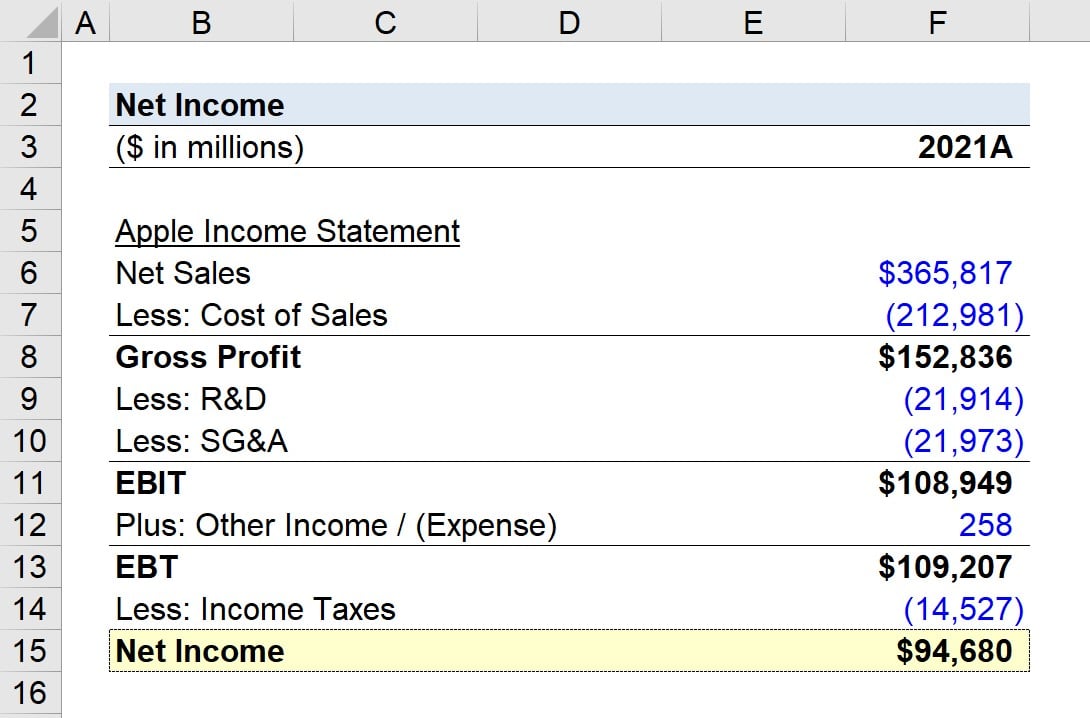
For businesses, net income (or net profit) is calculated by subtracting all operating expenses, taxes, and interest from gross revenue. This is the ultimate measure of a business’s profitability. For individuals, understanding your net income is crucial for creating realistic budgets and managing day-to-day expenses effectively.
Calculating Income Across Diverse Sources
The method for calculating income varies significantly depending on how you earn it. Each income source has specific considerations for accurate measurement.
For Employees (W-2 Income)
If you are employed by a company and receive a W-2 form, your income calculation is relatively straightforward:
- Salaried Employees: Your gross annual salary is divided by the number of pay periods (e.g., 26 for bi-weekly pay). Your pay stub will clearly show your gross pay and all deductions.
- Hourly Employees: Multiply your hourly rate by the number of hours worked in a pay period. Remember to account for overtime, which is typically paid at 1.5 times your regular rate for hours exceeding 40 in a workweek.
- Commissions and Bonuses: These are added to your base salary or wages for the period they are paid. While often variable, they contribute to your gross income.
Your employer automatically handles most of the deductions, making your pay stub the primary document for understanding your gross and net income.
For Self-Employed Individuals & Freelancers (1099 Income)
Calculating income for the self-employed is more involved, as you are responsible for tracking both your income and expenses. Your gross income is the total revenue you collect from clients or customers. Your true income for financial planning and tax purposes, however, is your net business income.
- Gross Revenue: Sum up all payments received from clients or sales of your products/services.
- Business Expenses: Subtract all legitimate business expenses. This is a critical step. Expenses can include supplies, software subscriptions, marketing costs, professional development, home office deductions, travel, and more.
- Net Business Income (Profit): Gross Revenue – Total Business Expenses. This is the figure on which you pay self-employment taxes (Social Security and Medicare for yourself) and income tax. Accurate expense tracking is paramount to minimize your taxable income.
For Business Owners (Pass-Through Entities)
For owners of sole proprietorships, partnerships, or S-corporations (which are “pass-through” entities, meaning profits and losses are passed through directly to the owners’ personal income), the calculation mirrors that of self-employed individuals but on a larger scale.
- Total Business Revenue: All income generated by the business.
- Cost of Goods Sold (COGS): For businesses that sell products, this is the direct cost of producing those goods.
- Operating Expenses: All other costs of running the business (salaries, rent, utilities, marketing, administrative costs).
- Net Profit: (Total Revenue – COGS) – Operating Expenses.
- Owners then typically take “owner’s draws” or “distributions” from this net profit, which constitutes their personal income from the business.
Rental and Investment Income
- Rental Income: Gross rent collected from tenants minus allowable expenses (mortgage interest, property taxes, insurance, repairs, depreciation). The result is your net rental income.
- Investment Income:
- Dividends: Number of shares multiplied by the dividend per share.
- Interest: From savings accounts, CDs, bonds.
- Capital Gains: The profit made from selling an asset (like stocks or real estate) for more than its purchase price, adjusted for transaction costs. (Sale Price – Purchase Price = Capital Gain). Capital gains can be short-term or long-term, which impacts their tax treatment.
The Indispensable Role of Accurate Income Calculation
Accurate income calculation is not merely a bookkeeping exercise; it is the bedrock of effective financial management and a prerequisite for achieving financial well-being.
Powering Your Budget and Financial Planning
Your net income is the most important figure for creating a realistic and sustainable budget. Knowing exactly how much money you have coming in after all deductions allows you to allocate funds effectively for housing, food, transportation, savings, and discretionary spending. Without a precise understanding of your net income, any budget you create will be built on shaky ground, potentially leading to overspending or missed financial goals. It also informs long-term financial planning, helping you determine how much you can reasonably save for retirement, a down payment, or other significant life events.
Essential for Tax Planning and Compliance
Accurate income figures are fundamental for fulfilling your tax obligations. Whether you’re an employee, self-employed, or a business owner, correctly calculating your gross and taxable income is crucial for filing accurate tax returns and avoiding penalties. For the self-employed, this includes estimating and paying quarterly taxes. Understanding how different income streams are taxed (e.g., ordinary income, qualified dividends, capital gains) allows for strategic tax planning to potentially minimize your tax liability through deductions and credits.
A Prerequisite for Loan and Credit Applications
When you apply for a mortgage, car loan, or any form of credit, lenders will ask for proof of income. They use your gross income to assess your debt-to-income (DTI) ratio and determine your ability to repay the loan. Providing accurate and verifiable income information is critical for loan approval and for securing favorable interest rates. Inaccurate reporting can lead to denied applications or, worse, borrowing more than you can comfortably afford.
Fueling Goal Setting and Wealth Accumulation
Tracking and understanding your income streams is vital for setting ambitious yet achievable financial goals. Whether your aim is to save for a child’s education, start a business, or retire comfortably, knowing your income allows you to create concrete plans to reach those milestones. It can also highlight opportunities to increase your income, diversify your earnings, or optimize your financial resources to accelerate wealth building.
Tools and Strategies for Efficient Income Tracking
Maintaining an organized approach to income tracking simplifies the calculation process and ensures accuracy.
Leveraging Pay Stubs and Tax Documents
Your pay stubs are a treasure trove of information, detailing your gross pay, all deductions, and net pay for each period. Keep them organized. Annually, your W-2 (for employees) or 1099-NEC/MISC (for freelancers/contractors) forms will summarize your total gross income from specific sources. K-1 forms are relevant for partnerships and S-corporations. These official documents are critical for tax filing and provide a verifiable record of your income.
Harnessing the Power of Spreadsheets
For many, a simple spreadsheet (Excel, Google Sheets) is an incredibly powerful and customizable tool for tracking income. You can create columns for different income sources, dates, gross amounts, deductions, and net amounts. Formulas can automate calculations, giving you real-time insights into your financial inflows. This is especially useful for those with multiple or irregular income streams.
Utilizing Accounting Software for Businesses and Freelancers
For self-employed individuals and small business owners, dedicated accounting software like QuickBooks, Xero, FreshBooks, or Wave can be invaluable. These platforms automate invoicing, expense tracking, and generate comprehensive reports that clearly show your gross revenue, business expenses, and net profit. They simplify tax preparation by categorizing transactions and often integrating with tax software.
Embracing Budgeting Apps and Financial Tools
Many personal finance apps and tools, such as Mint, YNAB (You Need A Budget), and Personal Capital, can link directly to your bank accounts and automatically categorize transactions. While primarily known for expense tracking, they also provide a clear overview of your income streams, helping you see where your money is coming from and how it aligns with your budget.
The Importance of Regular Review and Reconciliation
Regardless of the tools you use, the most crucial strategy is regular review. Periodically compare your actual income against your projections. Reconcile your bank statements with your personal records to catch any discrepancies. This proactive approach helps identify errors, adjust to changes in income, and maintain a precise understanding of your financial reality.
Navigating Common Pitfalls and Advanced Considerations
While the basic calculation of income seems straightforward, there are nuances and complexities that often go overlooked, impacting your overall financial picture.
Don’t Overlook Non-Cash Benefits
Many employers offer valuable non-cash benefits such as health insurance, life insurance, retirement plan contributions (e.g., employer match on a 401(k)), stock options, or tuition reimbursement. While these don’t directly show up in your take-home pay, they represent a significant part of your total compensation and have substantial financial value. Understanding their worth helps you assess the true value of your employment package beyond just your salary.
Accounting for Irregular or Fluctuating Income
For those with variable income streams – freelancers, sales professionals on commission, or individuals with side hustles – calculating and budgeting can be challenging. It’s crucial to track all irregular income and, if possible, average it over several months or a year to create a more stable baseline for budgeting. Alternatively, adopt a “zero-based budget” approach or set aside a portion of irregular income for lean months.
Understanding the Tax Implications of Each Income Type
Not all income is taxed equally. Ordinary income (wages, self-employment income, interest) is taxed at your marginal income tax rate. Qualified dividends and long-term capital gains often receive preferential lower tax rates. Certain income, like municipal bond interest, may be tax-exempt. Ignorance of these distinctions can lead to overpaying taxes or unexpected tax bills. Consulting a tax professional is often beneficial for optimizing your tax strategy.
The Significance of Modified Adjusted Gross Income (MAGI)
Beyond gross and net income, understanding Modified Adjusted Gross Income (MAGI) is important for various financial planning decisions. MAGI is a specific calculation used to determine eligibility for certain tax deductions, credits, and programs (e.g., Roth IRA contributions, healthcare subsidies). It’s typically your Adjusted Gross Income (AGI) with certain deductions added back. Failing to consider MAGI can lead to unexpected phase-outs of benefits or eligibility issues.

Inflation and the Real Value of Your Income
While not a direct calculation of your nominal income, an advanced consideration is how inflation impacts the real purchasing power of your earnings. Your nominal income may increase, but if inflation is higher, your real income (what your money can actually buy) may decrease. For long-term financial planning, it’s essential to consider how to grow your income not just nominally, but in real terms, to maintain or improve your standard of living over time.
aViewFromTheCave is a participant in the Amazon Services LLC Associates Program, an affiliate advertising program designed to provide a means for sites to earn advertising fees by advertising and linking to Amazon.com. Amazon, the Amazon logo, AmazonSupply, and the AmazonSupply logo are trademarks of Amazon.com, Inc. or its affiliates. As an Amazon Associate we earn affiliate commissions from qualifying purchases.