
Investing in the S&P 500 is a highly sought-after strategy for many investors, from novices to seasoned professionals. The allure stems from its representation of the broader U.S. stock market and its historical track record of long-term growth. However, unlike buying shares of a single company, you cannot directly “buy” the S&P 500 index itself. It’s a benchmark, a collection of 500 of the largest publicly traded companies in the United States, selected by S&P Dow Jones Indices based on criteria like market size, liquidity, and sector representation. Therefore, the process involves investing in financial products designed to mirror the index’s performance.

This guide will demystify how you can gain exposure to the S&P 500, outlining the primary investment vehicles, the steps involved, and crucial considerations for building a robust investment strategy. Whether you’re aiming for long-term wealth accumulation, diversification, or simply looking for a straightforward way to participate in the stock market’s growth, understanding these pathways is your first step towards harnessing the power of the S&P 500.
Understanding the S&P 500 and Its Appeal
Before diving into the “how,” it’s essential to grasp the “what” and “why” behind the S&P 500. This foundational understanding will underscore its significance as a cornerstone of many investment portfolios.
What is the S&P 500?
The S&P 500, short for the Standard & Poor’s 500, is a stock market index that tracks the performance of 500 of the largest U.S. publicly traded companies. It is a market-capitalization-weighted index, meaning companies with larger market values have a greater impact on the index’s performance. This diverse collection of companies spans various sectors, including technology, healthcare, finance, consumer discretionary, and more, offering a broad snapshot of the American economy. Its robust composition makes it a reliable indicator of the overall health and direction of the U.S. stock market. Because of its broad representation, investors often look to the S&P 500 as a proxy for the entire U.S. equity market.
Why Invest in the S&P 500?
The reasons to invest in the S&P 500 are compelling and varied, primarily centered around its historical performance, diversification benefits, and relative simplicity.
Diversification and Risk Mitigation
One of the most significant advantages of investing in the S&P 500 is instant diversification. Instead of picking individual stocks, which carry specific company risks, you are investing in a basket of 500 companies. This broad exposure inherently reduces risk; a poor performance by one or a few companies is often offset by the positive performance of others within the index. This diversification insulates your portfolio from the volatility associated with single-stock investing and provides a more stable growth trajectory over the long term. It’s an efficient way to achieve broad market exposure without the intensive research required for individual stock selection.
Historical Performance and Long-Term Growth
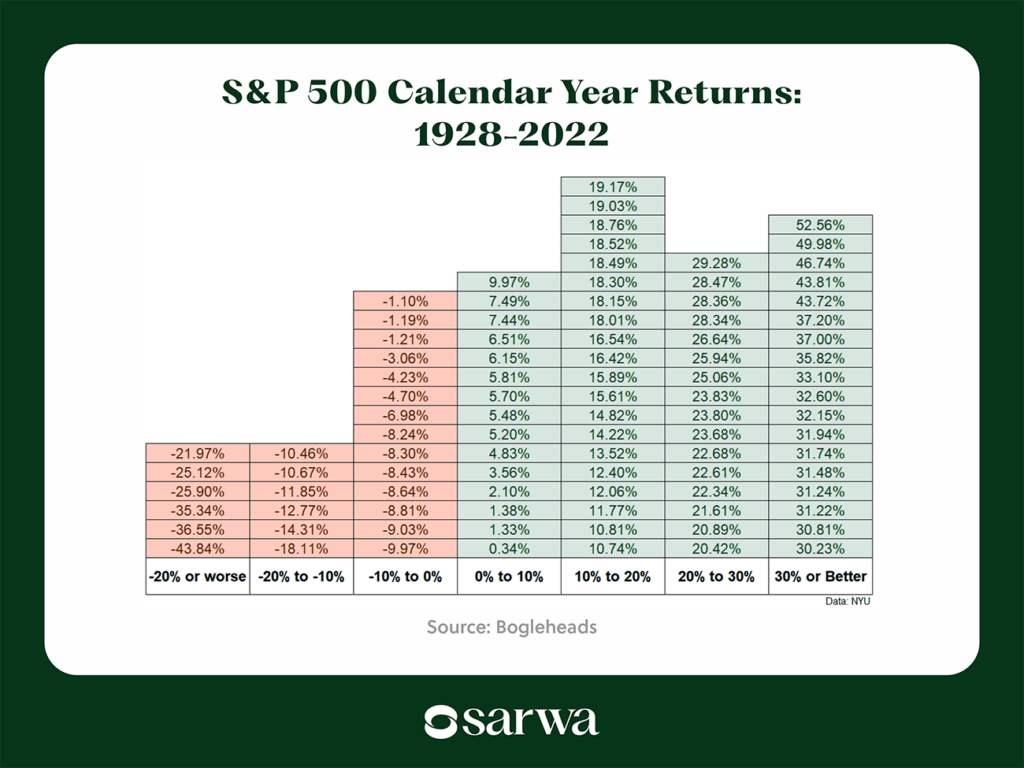
Historically, the S&P 500 has demonstrated remarkable resilience and growth. While past performance is not indicative of future results, the index has delivered an average annual return of approximately 10-12% over many decades. This consistent long-term growth makes it an attractive option for investors focused on wealth accumulation for retirement, significant purchases, or other future financial goals. By investing in the S&P 500, you are essentially betting on the continued innovation, productivity, and profitability of America’s leading companies, a strategy that has proven successful over the long haul.
The Practical Paths to Investing in the S&P 500
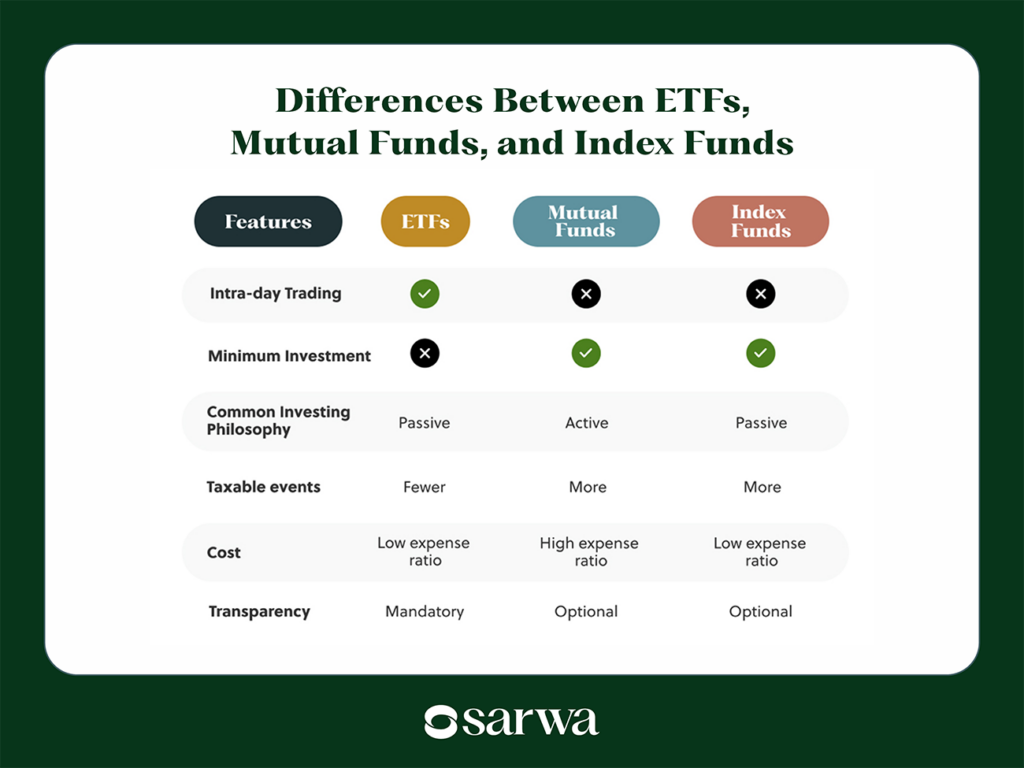
Since you can’t buy the S&P 500 directly, you need to invest in products that track its performance. The two most common and accessible methods are through Exchange Traded Funds (ETFs) and Mutual Funds. Both offer similar exposure but have distinct characteristics that might suit different investor preferences.
Investing via S&P 500 ETFs
Exchange Traded Funds (ETFs) are investment funds that hold assets like stocks, commodities, or bonds, and their prices are traded throughout the day on stock exchanges, much like individual stocks. S&P 500 ETFs are designed to replicate the performance of the S&P 500 index.
How S&P 500 ETFs Work
When you buy shares of an S&P 500 ETF, you are buying a proportional stake in the underlying portfolio of stocks that mirror the S&P 500. These ETFs are managed to ensure their holdings closely match the index’s composition and weighting. They offer high liquidity, meaning you can buy and sell shares anytime the market is open, just like a stock. ETFs generally boast lower expense ratios compared to actively managed mutual funds, making them a cost-effective way to gain broad market exposure. Popular S&P 500 ETFs include SPDR S&P 500 (SPY), iShares Core S&P 500 (IVV), and Vanguard S&P 500 ETF (VOO). Each has slight differences in structure, management, and expense ratios, but all aim to track the S&P 500.
Advantages and Considerations
The primary advantages of S&P 500 ETFs include their low cost, liquidity, and tax efficiency. Their structure often leads to fewer capital gains distributions compared to mutual funds, which can be beneficial in taxable accounts. However, because they trade like stocks, their price can fluctuate throughout the day, which can sometimes lead to slight deviations from the underlying net asset value (NAV) due to supply and demand. Furthermore, if you invest small amounts frequently, brokerage commissions (though many brokers now offer commission-free ETF trading) could eat into your returns.
Investing via S&P 500 Index Mutual Funds
S&P 500 index mutual funds are another excellent way to invest in the index. Unlike ETFs, mutual funds are priced only once per day, after the market closes, based on their Net Asset Value (NAV).
How S&P 500 Index Mutual Funds Work
An S&P 500 index mutual fund pools money from numerous investors to buy all 500 stocks in the S&P 500 index in the same proportions as the index itself. These funds are passively managed, meaning fund managers aim to track the index rather than actively trying to beat it. This passive management style typically results in lower fees. They are ideal for long-term investors who prefer to invest a fixed amount regularly without worrying about daily price fluctuations. Prominent providers include Vanguard, Fidelity, and Charles Schwab, all offering low-cost S&P 500 index funds.
Advantages and Considerations
A significant advantage of index mutual funds is their convenience for regular, automated investments. Many funds allow you to set up automatic contributions, making dollar-cost averaging effortless. They are also suitable for beginners as they eliminate the need to time the market. However, mutual funds are less liquid than ETFs, as you can only buy or sell shares once a day. Some mutual funds may also have minimum investment requirements, which can be a barrier for new investors with limited capital, though many providers now offer no-minimum funds or funds with very low minimums.
Setting Up Your Investment Journey
Once you’ve decided on the investment vehicle (ETF or mutual fund), the next steps involve opening an account and establishing your investment strategy.
Opening a Brokerage Account
To buy S&P 500 ETFs or mutual funds, you’ll need a brokerage account. This is an investment account that allows you to buy and sell various financial instruments.
Choosing a Brokerage Firm
Several reputable online brokerage firms offer access to S&P 500 funds, including Fidelity, Vanguard, Charles Schwab, E*TRADE, TD Ameritrade (now Schwab), and Robinhood. When choosing a broker, consider factors such as:
- Fees and Commissions: Look for commission-free trading for ETFs and low expense ratios for funds.
- Minimums: Check if there are minimum deposit requirements for opening an account or for specific funds.
- Investment Options: Ensure they offer the specific S&P 500 ETFs or mutual funds you’re interested in.
- Platform and Tools: Evaluate the user interface, research tools, and educational resources provided.
- Customer Service: Good support can be invaluable, especially for new investors.
- Account Types: Decide if you need a taxable brokerage account or a tax-advantaged retirement account (IRA, 401(k)). Investing through a retirement account can offer significant tax benefits.
The Account Opening Process
Opening an account typically involves an online application where you provide personal information (name, address, date of birth, Social Security number) and link your bank account for funding. Once approved and funded, you can then place orders to buy your chosen S&P 500 ETF or mutual fund. The process is generally straightforward and can often be completed within a few days.
Building Your Investment Strategy
Beyond opening an account, a well-defined strategy is crucial for long-term success when investing in the S&P 500.
The Power of Dollar-Cost Averaging
Dollar-cost averaging (DCA) is a strategy where you invest a fixed amount of money at regular intervals (e.g., $200 every month), regardless of the asset’s price. This approach automatically leads you to buy more shares when prices are low and fewer shares when prices are high. Over time, DCA can reduce your average cost per share and mitigate the risk of investing a lump sum at an inopportune time (when prices are at a peak). It’s a disciplined approach that removes emotion from investing and is particularly effective for long-term investors.
Long-Term Horizon and Reinvesting Dividends
Investing in the S&P 500 is fundamentally a long-term play. The index’s growth is often realized over decades, riding through various economic cycles. Short-term market fluctuations should not deter a long-term investor. Furthermore, many S&P 500 ETFs and mutual funds pay dividends. Reinvesting these dividends back into the fund allows for compounding, where your earnings generate further earnings, significantly accelerating your wealth accumulation over time. Most brokerage accounts allow you to set up automatic dividend reinvestment.
Navigating Risks and Optimizing Returns
While S&P 500 investing offers significant advantages, it’s not without risks. Understanding these, along with strategies to optimize returns, is key to a successful investment journey.
Understanding the Risks
Despite its diversification, investing in the S&P 500 carries inherent market risk.
Market Volatility and Downturns
The stock market is cyclical, and periods of growth are inevitably followed by corrections or bear markets. While the S&P 500 has historically recovered from all downturns, there’s no guarantee this will always be the case. During these periods, the value of your investments will decline. It’s crucial to have a long-term perspective and the emotional fortitude to avoid panic selling during market crashes. Your investment horizon should be several years, ideally a decade or more, to ride out these inevitable market fluctuations.
Tracking Error
While S&P 500 funds aim to perfectly replicate the index’s performance, a slight “tracking error” can occur. This is the difference between the fund’s returns and the actual index’s returns. It can be due to fees, operational costs, or the fund’s inability to perfectly replicate the index (e.g., holding representative samples instead of all 500 stocks). Reputable S&P 500 funds typically have very low tracking errors, but it’s a factor to be aware of.
Optimizing Your Returns and Strategy
Beyond mitigating risks, consider these strategies to enhance your S&P 500 investment.
Asset Allocation and Diversification Beyond the S&P 500
While the S&P 500 offers excellent diversification within U.S. large-cap equities, a truly diversified portfolio extends beyond it. Consider allocating a portion of your portfolio to other asset classes such as international stocks, bonds, and perhaps real estate or commodities, depending on your risk tolerance and financial goals. This broader asset allocation can provide an additional layer of risk protection and potentially smoother returns, as different asset classes perform well in different economic environments.
Monitoring and Adjusting (Periodically)
Once invested, it’s not a set-it-and-forget-it scenario, though passive investing requires minimal active management. Periodically review your portfolio (e.g., annually) to ensure your asset allocation still aligns with your financial goals and risk tolerance. Life events, changes in your income, or approaching retirement might necessitate adjustments. This could involve rebalancing your portfolio back to your target allocations or adjusting contributions. However, resist the urge to constantly tinker with your investments based on short-term market news.
Conclusion
Investing in the S&P 500 is an accessible, powerful strategy for long-term wealth creation. By leveraging S&P 500 ETFs or index mutual funds, you gain diversified exposure to the robust performance of America’s leading companies. The journey begins with understanding the index’s benefits, choosing the right investment vehicle, and setting up a brokerage account. Crucially, adopting a disciplined approach through dollar-cost averaging, maintaining a long-term outlook, and understanding market risks will be paramount to your success. While no investment is without risk, the S&P 500 offers a historically proven path to participate in the growth of the U.S. economy, making it a cornerstone for many seeking financial independence. Equip yourself with this knowledge, take the first step, and begin building your future with the power of the S&P 500.
aViewFromTheCave is a participant in the Amazon Services LLC Associates Program, an affiliate advertising program designed to provide a means for sites to earn advertising fees by advertising and linking to Amazon.com. Amazon, the Amazon logo, AmazonSupply, and the AmazonSupply logo are trademarks of Amazon.com, Inc. or its affiliates. As an Amazon Associate we earn affiliate commissions from qualifying purchases.