
The world of investing, once perceived as an exclusive club for the financially elite, has been dramatically democratized by the advent of online platforms. Today, buying stock online is more accessible than ever, allowing individuals from all walks of life to participate in the growth of companies and build wealth over time. This guide will demystify the process, providing a comprehensive, step-by-step roadmap for those looking to embark on their online investing journey. Whether you’re a complete novice or simply looking to refine your understanding, navigating the digital marketplace requires a blend of strategic insight, technological savvy, and a clear understanding of your financial goals.

Demystifying Online Stock Investing: Why Now?
The digital age has transformed nearly every aspect of our lives, and personal finance is no exception. Online investing platforms have replaced traditional brokerages as the primary gateway for many, offering unparalleled convenience, lower costs, and a wealth of educational resources. Understanding the fundamental appeal and mechanics of this shift is the first step toward becoming a confident online investor.
The Allure of Digital Investing
The primary draw of online investing lies in its accessibility and empowerment. With just a few clicks, you can research companies, execute trades, and manage your portfolio from anywhere, at any time. This convenience significantly lowers the barrier to entry, enabling more individuals to take control of their financial futures. Furthermore, the rise of commission-free trading on many platforms has drastically reduced the cost of entry, making it feasible to invest even small amounts. This combination of ease and affordability has fueled a surge in retail investing, empowering a new generation of market participants. The accessibility of real-time data, analytical tools, and community forums also provides a fertile ground for informed decision-making, moving beyond reliance solely on financial advisors.
What Exactly is a Stock?
Before you buy, it’s crucial to understand what you’re actually acquiring. A stock, or share, represents a fractional ownership in a company. When you buy a stock, you become a shareholder, meaning you own a tiny piece of that corporation. This ownership typically comes with certain rights, such as voting on company matters (for common stock) and a claim on a portion of the company’s earnings (dividends). The value of your stock can fluctuate based on the company’s performance, industry trends, economic conditions, and investor sentiment. The primary ways investors profit from stocks are through capital appreciation (when the stock price increases and you sell it for more than you paid) and dividends (regular payments made by the company to its shareholders). Understanding this fundamental concept is key to making informed investment decisions rather than simply speculating.
Understanding the Risks and Rewards
Investing in stocks carries both potential rewards and inherent risks. The primary reward is the potential for significant capital growth over time, often outpacing inflation and other asset classes. Historically, the stock market has offered impressive returns to long-term investors. However, stocks are also subject to market volatility; their value can go down as well as up. There’s a risk of losing some or even all of your invested capital. Factors such as company-specific issues, industry downturns, economic recessions, and global events can all impact stock prices. Acknowledging and understanding these risks, and subsequently developing strategies to mitigate them (like diversification), is paramount before committing any capital. Investing without a clear grasp of risk tolerance is akin to sailing without a compass.
Selecting Your Digital Gateway: Choosing the Right Online Brokerage
Your online brokerage account is the vessel for your investment journey. Selecting the right platform is a critical decision that can influence your trading experience, cost structure, and access to resources. The landscape of online brokers is diverse, catering to different investor profiles and needs.
Full-Service vs. Discount Brokers: What’s the Difference Online?
While the lines have blurred considerably in the digital age, the fundamental distinction between full-service and discount brokers still holds relevance.
Discount brokers (the predominant model for online investing) focus on providing a platform for self-directed investing. They offer low commissions (often zero for stock and ETF trades), a wide range of investment products, and robust trading tools, but generally provide minimal to no personalized investment advice. This model is ideal for investors who prefer to conduct their own research, make their own decisions, and manage their portfolios actively.
Full-service brokers, by contrast, traditionally offer comprehensive financial planning, personalized advice, wealth management services, and often access to exclusive investment opportunities. While some traditional full-service firms now offer online platforms, their primary value proposition remains tailored guidance, which comes at a higher cost (e.g., higher commissions, advisory fees, or asset-under-management fees). For most individuals looking to simply buy stock online, a discount brokerage is the logical and most cost-effective choice.
Key Features to Evaluate in an Online Brokerage
When choosing an online brokerage, consider several critical features to ensure it aligns with your investing style and needs:
- Ease of Use & User Interface: Is the platform intuitive and easy to navigate? A clean, well-designed interface can significantly enhance your trading experience.
- Investment Products Offered: Does the broker offer stocks, ETFs, mutual funds, options, bonds, and cryptocurrencies if you’re interested in diversifying beyond basic stocks?
- Research Tools & Educational Resources: Access to company research reports, analyst ratings, financial news, charting tools, and educational content (articles, webinars) is invaluable for making informed decisions.
- Customer Service: How can you reach support (phone, chat, email)? Are they responsive and knowledgeable?
- Mobile App: A robust and user-friendly mobile app is essential for managing your investments on the go.
- Security: Ensure the broker uses advanced encryption and offers features like two-factor authentication to protect your account. Look for SIPC (Securities Investor Protection Corporation) insurance, which protects your securities up to $500,000 in case the brokerage fails.
- Account Types: Do they offer the type of account you need (e.g., individual taxable account, Roth IRA, traditional IRA, joint account)?
Commission Structures and Fees
While many online brokers now advertise “commission-free” stock and ETF trades, it’s crucial to look beyond the headlines. While direct commissions on trades have largely disappeared, other fees may still apply:
- Options Contract Fees: Often charged per contract.
- Mutual Fund Transaction Fees: Some mutual funds may incur a fee.
- Margin Interest: If you borrow money to invest.
- Account Maintenance Fees: Rare, but some brokers may charge for inactive accounts or small balances.
- Transfer-Out Fees: Charged if you decide to move your account to another brokerage.
- Data Fees: For real-time market data or advanced analytics tools.
- Regulatory Fees: Small fees passed on from regulatory bodies.
Always review a brokerage’s fee schedule thoroughly before opening an account to avoid surprises. Understanding the full cost of investing is integral to calculating your net returns.
From Account Opening to Your First Trade: A Step-by-Step Guide
Once you’ve selected your online brokerage, the actual process of setting up your account and executing your first trade is relatively straightforward. This section will walk you through the practical steps.
The Application Process: Documentation and Verification
Opening an online brokerage account typically involves an application process similar to opening a bank account. You’ll need to provide personal information such as your name, address, date of birth, Social Security number (or tax identification number), employment status, and financial details. Due to regulations like the Patriot Act, brokers are required to verify your identity. You may need to upload copies of your government-issued ID (driver’s license or passport) and proof of address. The application will also ask about your investment objectives, risk tolerance, and investing experience to ensure they offer suitable products. This process, depending on the broker, can often be completed entirely online within minutes, though verification may take a day or two.
Funding Your Investment Account
After your account is approved, the next step is to deposit funds. Most online brokers offer several convenient methods:
- Electronic Funds Transfer (ACH): This is the most common method, allowing you to link your bank account and transfer funds directly. It’s usually free but can take 1-3 business days for the funds to clear.
- Wire Transfer: Faster than ACH, often used for larger sums, but typically incurs a fee from your bank. Funds usually become available the same day.
- Check Deposit: You can mail a physical check, but this is the slowest method.
- Account Transfer (ACATS): If you already have an investment account with another brokerage, you can transfer your existing assets directly.
Ensure you understand the minimum deposit requirements, if any, for your chosen brokerage and account type. It’s advisable to start with an amount you are comfortable losing, especially as you gain experience.
Navigating the Trading Platform: Your Digital Dashboard
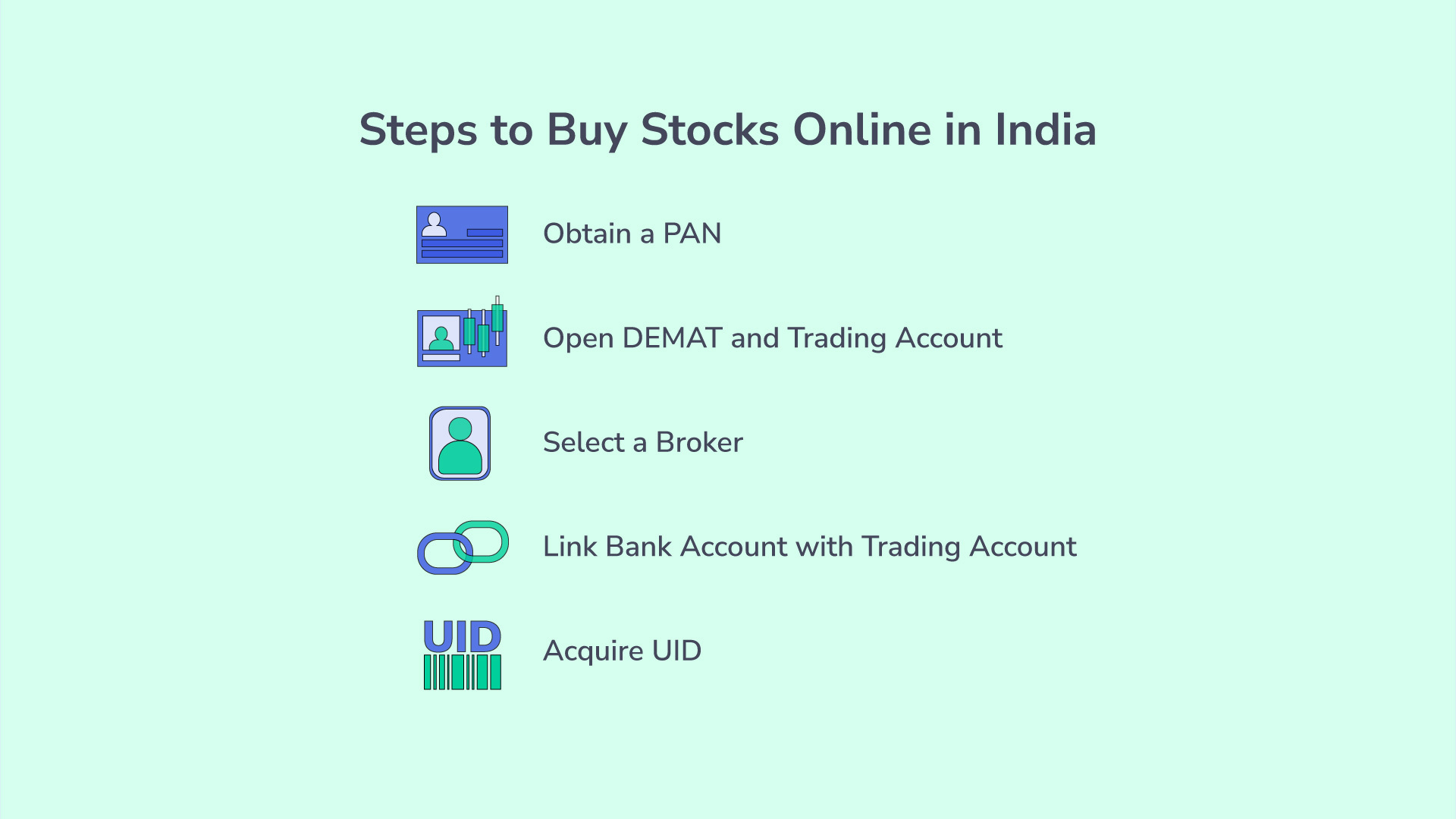
Once your account is funded, take time to familiarize yourself with the brokerage’s trading platform. This is your digital dashboard for all investing activities. Explore its various sections:
- Watchlists: Create lists of stocks you’re interested in tracking.
- Research & News: Access company profiles, financial statements, news feeds, and analyst reports.
- Charting Tools: Learn how to use charts to analyze historical price movements.
- Order Entry: Understand where and how to place buy and sell orders.
- Portfolio View: See your current holdings, their performance, and account balance.
- Account Statements & Tax Documents: Locate where you can access these important records.
Many brokers offer paper trading or simulated accounts, which allow you to practice trading with virtual money without any real financial risk. This is an excellent way to learn the platform and test strategies before committing real capital.
Executing Your First Stock Purchase: Types of Orders
When you’re ready to buy, you’ll typically navigate to the “Trade” or “Order Entry” section of the platform. You’ll need to specify:
- Ticker Symbol: The unique abbreviation for the company (e.g., AAPL for Apple).
- Number of Shares: How many shares you want to buy (or the dollar amount if the broker offers fractional shares).
- Order Type: This is crucial:
- Market Order: Instructs the broker to buy or sell the stock immediately at the best available current price. While fast, the execution price can sometimes differ slightly from the displayed price, especially in volatile markets.
- Limit Order: Allows you to specify the maximum price you’re willing to pay to buy or the minimum price you’re willing to accept to sell. Your order will only execute if the stock reaches or surpasses that price. Limit orders offer more control over price but may not execute if the target price isn’t met.
- Stop-Loss Order: An order to sell a stock once its price falls to a specified level, designed to limit potential losses. (Note: Can convert to a market order and execute below the stop price in fast markets).
- Stop-Limit Order: A combination of stop and limit orders, where a stop price triggers a limit order.
- Time in Force: Specifies how long your order remains active (e.g., Day Order, Good ‘Til Canceled (GTC)).
Review your order carefully before submitting it. Once executed, the shares will appear in your portfolio, and your cash balance will be reduced.
Building a Resilient Portfolio: Strategies for Online Investors
Buying a single stock is just the beginning. True wealth building through online investing comes from constructing and managing a well-thought-out portfolio. This involves strategic thinking beyond individual stock picks.
The Power of Diversification
Diversification is perhaps the most fundamental principle of smart investing. It means spreading your investments across various asset classes, industries, and geographies to reduce overall risk. The adage “don’t put all your eggs in one basket” perfectly encapsulates this concept. If you invest all your money in one company and it performs poorly, your entire portfolio suffers. By diversifying, a downturn in one area of your portfolio can be offset by gains in another, smoothing out returns and mitigating specific risks. Online investors can achieve diversification by investing in:
- Different Industries: Tech, healthcare, consumer goods, energy, finance, etc.
- Different Company Sizes: Large-cap, mid-cap, small-cap.
- Geographic Regions: Domestic and international stocks.
- Asset Classes: Beyond individual stocks, consider Exchange-Traded Funds (ETFs) or mutual funds that hold a basket of stocks or other assets, bonds, or real estate.
Many online brokers offer tools and research to help you assess the diversification of your current holdings.
Investment Philosophies: Growth, Value, Income
As you become more comfortable, you’ll encounter different investment philosophies that can guide your stock selection:
- Growth Investing: Focuses on companies expected to grow at an above-average rate compared to the overall market. These companies often reinvest profits back into the business, leading to higher valuations, but may not pay dividends.
- Value Investing: Involves seeking out stocks that appear to be trading for less than their intrinsic value, often because they are temporarily out of favor or overlooked by the market. Value investors look for established companies with solid fundamentals but lower price-to-earnings ratios.
- Income Investing: Prioritizes companies that pay regular dividends, providing a steady stream of income. These are often mature, stable companies in industries like utilities or consumer staples.
Your choice of philosophy should align with your financial goals, risk tolerance, and time horizon. Many investors combine elements of these approaches to create a balanced strategy.
Long-Term Growth vs. Short-Term Trading
Decide early whether you’re aiming for long-term growth or short-term trading.
Long-term investing (holding stocks for years or even decades) is generally recommended for most individuals building wealth. It benefits from compounding returns, allows you to ride out market fluctuations, and typically incurs lower transaction costs and taxes.
Short-term trading (buying and selling stocks quickly, sometimes within the same day) is much riskier, requires significant time commitment, advanced knowledge, sophisticated tools, and often generates higher taxable events. It is generally not recommended for beginners. A long-term perspective allows market cycles to play out and leverages the power of time.
Monitoring and Rebalancing Your Portfolio
Your investment journey doesn’t end after buying stocks. Regularly monitoring your portfolio is essential. This doesn’t mean obsessively checking prices daily, but rather reviewing performance periodically (e.g., quarterly or annually) to ensure your investments are still aligned with your goals.
Rebalancing is the process of adjusting your portfolio to bring it back to your desired asset allocation. For example, if your stocks have performed exceptionally well and now represent a larger portion of your portfolio than you intended, you might sell some stocks and buy more bonds (or other less volatile assets) to restore your original risk profile. This proactive approach helps manage risk and ensures your portfolio remains suitable for your evolving financial situation.
Essential Considerations Before Diving In
While the process of buying stock online has become streamlined, making informed decisions requires careful consideration of several external factors that can significantly impact your returns and overall financial health.
Research and Due Diligence
Never invest in a company without thoroughly researching it. Online brokers provide a wealth of information, but you should also consult independent financial news sources, company reports (like 10-K and 10-Q filings with the SEC), and reputable financial analysis websites. Look at a company’s financial health (revenue, earnings, debt), its management team, competitive landscape, industry outlook, and future growth prospects. Understand the business model: how does the company make money? What are its competitive advantages? A well-researched investment is an educated investment, significantly reducing the chance of unpleasant surprises.
Understanding Investment Fees and Their Impact
Even “commission-free” trading isn’t truly free. We touched upon various fees earlier, but it bears repeating: understand every potential cost associated with your investments. High fees, even seemingly small percentages, can compound over time and significantly erode your returns. For example, an expense ratio of 1% on a mutual fund might seem negligible, but over 20-30 years, it can amount to tens of thousands of dollars in lost gains. Always read the fine print regarding expense ratios for ETFs and mutual funds, advisory fees, and other administrative charges.
Tax Implications of Stock Investing
The profits you make from selling stocks are generally subject to capital gains taxes. The tax rate depends on how long you held the stock:
- Short-Term Capital Gains: Apply to profits from stocks held for one year or less and are taxed at your ordinary income tax rate.
- Long-Term Capital Gains: Apply to profits from stocks held for more than one year and are generally taxed at lower, preferential rates.
Dividends are also taxable income. Understanding these implications is crucial for tax planning. Investing within tax-advantaged accounts like IRAs (Individual Retirement Arrangements) or 401(k)s can defer or even eliminate taxes on investment growth until retirement, offering a powerful advantage. Consult a tax professional for personalized advice tailored to your specific situation.
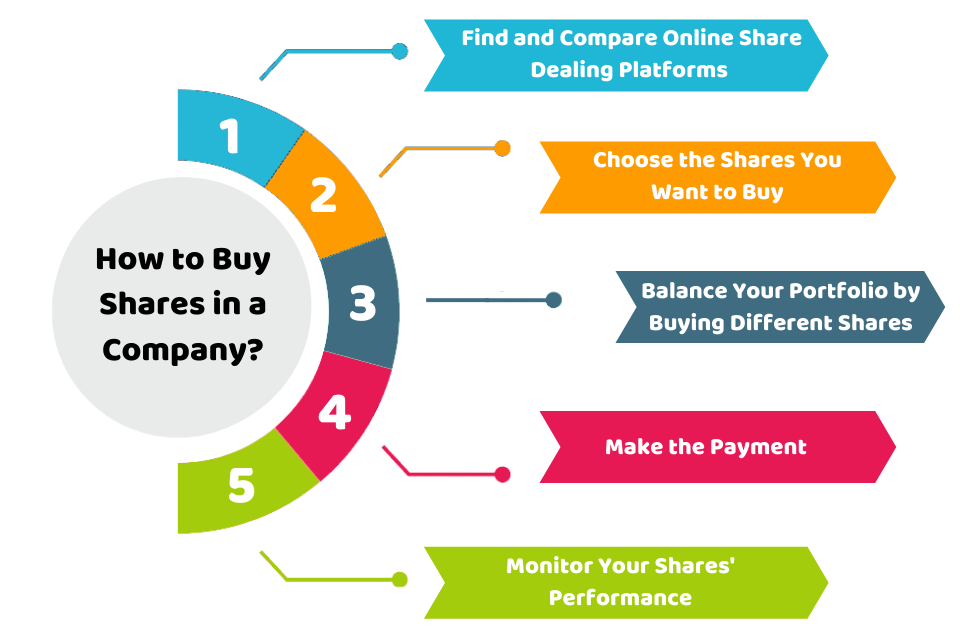
Emotional Discipline and Risk Management
Perhaps the most challenging aspect of investing is managing your emotions. Market fluctuations, news cycles, and social media hype can trigger fear and greed, often leading to impulsive and detrimental decisions. Stick to your investment plan, avoid panic selling during downturns, and resist the urge to chase “hot” stocks.
Risk management involves defining your risk tolerance, diversifying your portfolio, and never investing more than you can afford to lose. Set clear goals, have a long-term perspective, and understand that market volatility is a normal part of investing. Emotional discipline, more than any complex trading strategy, often dictates long-term success.
In conclusion, buying stock online is a straightforward process made accessible by modern technology. However, successful investing requires more than just knowing how to click a “buy” button. It demands careful planning, continuous learning, disciplined execution, and a clear understanding of both the opportunities and risks involved. By diligently researching, choosing the right tools, and committing to a sound strategy, you can confidently navigate the digital investment landscape and work towards achieving your financial aspirations.
aViewFromTheCave is a participant in the Amazon Services LLC Associates Program, an affiliate advertising program designed to provide a means for sites to earn advertising fees by advertising and linking to Amazon.com. Amazon, the Amazon logo, AmazonSupply, and the AmazonSupply logo are trademarks of Amazon.com, Inc. or its affiliates. As an Amazon Associate we earn affiliate commissions from qualifying purchases.