
Investing in precious metals like silver has long been a strategy for diversifying portfolios, hedging against inflation, and preserving wealth. As a tangible asset with both industrial and monetary demand, silver offers a unique appeal to investors seeking stability outside traditional financial instruments. However, for those new to the world of precious metals, the process of acquiring silver coins can seem daunting. This guide aims to demystify the process, providing a comprehensive, insightful look into how to strategically and securely purchase silver coins, firmly rooted in the principles of sound financial management and investment acumen.
Understanding Your Motivation and the Silver Market
Before making any investment, it’s crucial to understand why you are choosing a particular asset and how its market functions. Silver, while often overshadowed by gold, holds significant value and plays a distinct role in an investment portfolio.
Why Invest in Silver?
Investors are drawn to silver for a multitude of reasons, primarily centered around wealth preservation and growth. Firstly, silver serves as a potent hedge against inflation. During periods of economic uncertainty or currency devaluation, hard assets like silver tend to maintain or even increase their purchasing power. Secondly, it offers portfolio diversification. Including silver can reduce overall portfolio volatility, as its price movements often operate independently, or even inversely, to stocks and bonds. Thirdly, silver benefits from significant industrial demand, being a critical component in electronics, solar panels, and medical devices. This dual demand—monetary and industrial—provides a unique layer of support for its price. Finally, silver is a tangible asset, free from the counterparty risks associated with paper assets, offering a sense of security and direct ownership. Understanding these motivations helps frame your investment strategy and guides your purchasing decisions.
Types of Silver Coins for Investors
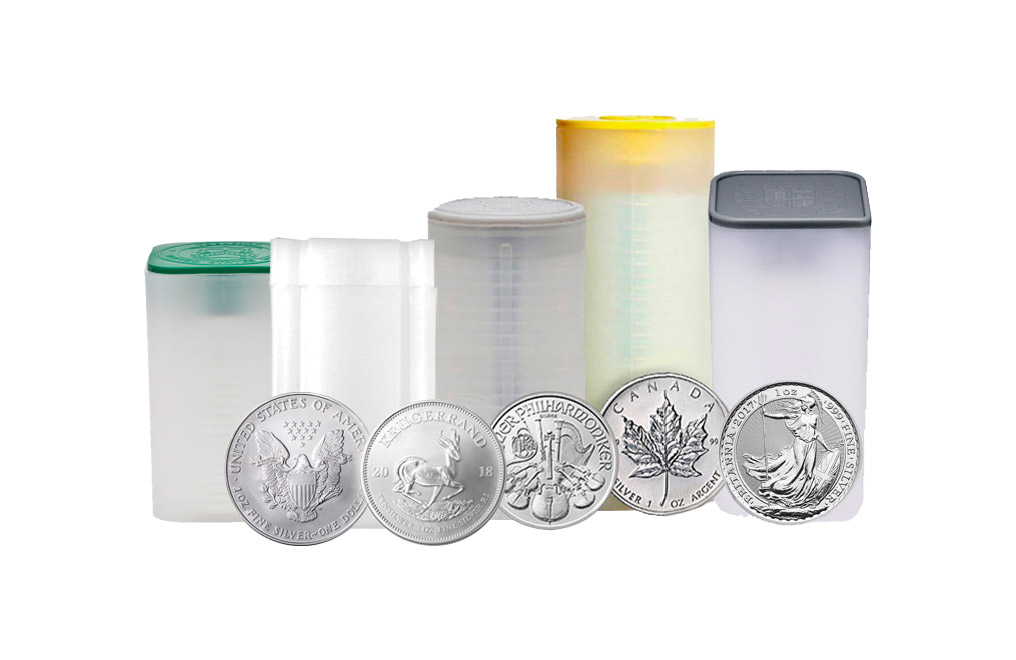
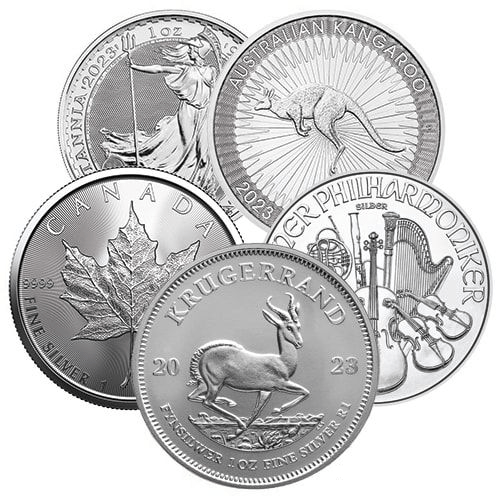
When considering silver coins, investors primarily encounter two categories: bullion coins and numismatic coins. Bullion coins are minted for their precious metal content and are valued based on their weight and purity, typically trading close to the current spot price of silver with a small premium. Examples include the American Silver Eagle, Canadian Silver Maple Leaf, and Austrian Silver Philharmonic. These are ideal for investors focused purely on accumulating silver weight as a store of value. Numismatic coins, on the other hand, are valued for their rarity, historical significance, artistic design, and condition, often trading far above their melt value. While they can offer significant capital appreciation, they also carry higher premiums and require specialized knowledge to assess their true value, making them a more speculative investment for the average precious metals investor. For most looking to buy silver as a financial hedge, government-minted bullion coins are the preferred choice due to their liquidity, ease of authentication, and lower premiums. Private mint rounds also exist, offering pure silver at often lower premiums, but may have less recognition and liquidity than government-issued coins.
Key Factors Influencing Silver Prices
The price of silver is dynamic, influenced by a complex interplay of global economic, industrial, and speculative factors. Understanding these drivers is essential for making informed purchasing decisions. Supply and demand dynamics are fundamental: significant new discoveries or disruptions in mining operations can impact supply, while shifts in industrial usage (e.g., green technology advancements) or investor sentiment can sway demand. Economic indicators, such as interest rates, inflation data, and GDP growth, play a crucial role; typically, silver performs well in periods of high inflation or economic uncertainty. Geopolitical events, like wars or trade disputes, can also drive investors towards safe-haven assets like silver. Lastly, the strength of the U.S. dollar often has an inverse relationship with silver prices, as silver is denominated in dollars. A weaker dollar makes silver cheaper for international buyers, potentially increasing demand and price. Monitoring these factors can help investors gauge market timing and make financially sound purchases.
Navigating the Purchase Process: Where and How to Buy
Once you’ve solidified your understanding of silver’s investment appeal and market dynamics, the next step involves identifying reliable channels for purchase. The choice of vendor significantly impacts pricing, authenticity, and overall transaction security.
Reputable Online Dealers
For many investors, online bullion dealers offer the most convenient and often the most competitive option for buying silver coins. These platforms typically have lower overheads than physical stores, allowing them to offer tighter spreads between buy and sell prices. Reputable online dealers boast extensive inventories, competitive pricing often updated in real-time with the spot price, and discreet, insured shipping directly to your doorstep. They are typically well-established businesses with years of operation, transparent pricing, and strong customer service records. However, investors must be diligent in verifying the dealer’s reputation through independent reviews, customer testimonials, and industry associations. While the convenience is undeniable, the waiting period for delivery and the reliance on third-party shipping services are factors to consider, especially for those who prefer immediate possession. Always prioritize dealers who offer secure payment options and fully insured shipping.
Local Coin Shops (LCS)
Local Coin Shops (LCS) offer a more traditional, hands-on approach to buying silver coins. For some, the ability to inspect coins in person, receive immediate possession, and engage in face-to-face transactions provides a level of comfort and trust that online purchases cannot replicate. LCS owners often possess a wealth of knowledge and can offer personalized advice, which can be invaluable for new investors. Additionally, buying locally eliminates shipping risks and costs. However, LCS often have higher premiums compared to large online dealers due to their higher operating costs and smaller inventory volumes. Their selection might also be more limited, and prices can vary significantly between different shops. Building a relationship with a trustworthy LCS can be beneficial, particularly for those who value personal interaction and want to support local businesses.
Bullion Brokers and Exchanges
For larger institutional investors or individuals looking to make substantial purchases, bullion brokers and specialized exchanges offer tailored services. These entities facilitate large-volume transactions, often providing more favorable pricing structures for bulk orders and access to a wider array of products, including investment-grade silver bars in addition to coins. Some exchanges allow direct trading of physical silver, potentially offering greater transparency and efficiency for experienced investors. Brokers can also assist with the logistics of secure storage and delivery. While less relevant for the casual buyer of a few silver coins, understanding these avenues is important as an investor’s portfolio grows. They typically involve higher minimum investment thresholds and a more sophisticated understanding of market mechanics.
Peer-to-Peer Marketplaces and Auctions (with caution)
Peer-to-peer marketplaces (like eBay, Craigslist) and online auction sites can sometimes offer attractive deals on silver coins. However, these platforms come with significantly elevated risks, particularly for authenticity and payment security. The potential for encountering counterfeit coins is much higher, and recourse options can be limited if a transaction goes awry. While experienced collectors might find value here through careful due diligence and a keen eye, it is generally not recommended for novice investors focused on accumulating bullion. If choosing this route, insist on meeting in person in a public place for local transactions, verifying the authenticity of the coins with a trusted third party, and using payment methods that offer buyer protection. The adage “if it sounds too good to be true, it probably is” holds particularly strong here.
Essential Considerations Before Making a Purchase
Acquiring silver coins goes beyond simply finding a seller; it involves a meticulous assessment of various factors that impact the financial integrity and security of your investment. Prudent due diligence is paramount.
Authenticity and Purity
The cornerstone of any precious metal investment is its authenticity and purity. For silver, purity is typically expressed as “fineness,” with .999 (99.9% pure) or .9999 (99.99% pure) being the most common standards for investment-grade bullion. Government-minted coins usually have their weight and purity stamped directly on the coin, providing an immediate layer of trust. However, counterfeits are a persistent threat in the market. To mitigate this risk, always purchase from reputable dealers who guarantee the authenticity of their products. For high-value numismatic coins, third-party grading services like PCGS (Professional Coin Grading Service) or NGC (Numismatic Guaranty Corporation) offer expert authentication and grading, encapsulating coins in tamper-evident holders. While less critical for pure bullion coins, understanding hallmarks and common testing methods (e.g., ping tests, magnetic tests, specific gravity tests, or using electronic bullion testers) can provide peace of mind.
Premiums and Spot Price
Understanding the difference between the spot price of silver and the actual purchase price is crucial for an informed investment decision. The spot price is the current market price for one troy ounce of silver for immediate delivery, typically quoted on financial exchanges. The actual price you pay for a silver coin will always be higher than the spot price due to something called a “premium.” This premium covers the costs associated with mining, refining, minting, distribution, dealer overhead, and a profit margin for the seller. Premiums vary based on the type of coin (e.g., government bullion coins often carry higher premiums than generic rounds due to their guaranteed authenticity and liquidity), dealer, quantity purchased, and prevailing market conditions. As an investor, your goal is to minimize the premium paid, especially for bullion, as it directly impacts your overall cost basis and thus your future potential for profit. Always compare premiums across different dealers before committing to a purchase.
Payment Methods and Security
The method you choose to pay for your silver coins can impact transaction fees, processing times, and security. Common payment options include bank wire transfers, credit/debit cards, personal checks, e-checks, and sometimes even cryptocurrency. Bank wire transfers are generally preferred for larger purchases as they often incur lower processing fees for the dealer, which can sometimes translate into a slightly better price for the buyer. However, they are irreversible. Credit card payments offer buyer protection and convenience but usually come with higher processing fees, which dealers pass on to customers, often resulting in a higher premium. Personal checks and e-checks are typically the slowest methods, requiring a clearance period before coins are shipped. Cryptocurrency payments, while offering anonymity and speed, involve their own set of risks related to volatility and transaction irreversibility. Always choose a payment method that balances convenience, security, and cost, aligning with the dealer’s accepted practices and your personal financial comfort level.
Due Diligence and Dealer Reputation
The importance of thorough due diligence when selecting a dealer cannot be overstated. A reputable dealer is transparent about their pricing, fees, and policies, and provides excellent customer service. Before making a purchase, research potential dealers extensively. Look for:
- Longevity and Experience: Established dealers with years in the business often indicate reliability.
- Customer Reviews and Ratings: Check independent review sites, industry forums, and the Better Business Bureau (BBB).
- Industry Affiliations: Membership in professional organizations (e.g., ICTA, PNG) can be a sign of commitment to ethical practices.
- Transparent Pricing: Clear display of premiums, shipping costs, and payment method surcharges.
- Return and Buyback Policies: Understand their policies for returns and, importantly, how they handle buybacks when you decide to sell.
- Security Measures: How they protect your payment information and ensure secure shipping.
A little research upfront can save you significant financial headaches and ensure the integrity of your investment.
Safeguarding Your Investment: Storage and Beyond
Acquiring silver coins is only the first step; protecting your investment from theft, damage, and depreciation is equally vital. Proper storage and understanding the broader financial implications are key to maximizing your long-term returns.
Secure Home Storage Options
For smaller quantities of silver, secure home storage can be a viable option, offering immediate access and avoiding ongoing storage fees. However, this convenience comes with inherent risks. A high-quality, fire-resistant safe, bolted to the floor or wall, is a minimum requirement. Diversifying storage locations within your home, or even outside of it, can further mitigate risk. It is crucial to be discreet about your holdings; knowledge of your silver stash should be limited to trusted individuals. Additionally, consider environmental factors: silver can tarnish over time, so storing coins in airtight capsules or containers, away from humidity and direct sunlight, is advisable to preserve their aesthetic and potentially their numismatic value. Remember, home storage places the full responsibility for security and insurance squarely on your shoulders.
Professional Vaulting Services
For larger investments or for those who prefer not to store precious metals at home, professional vaulting services offer a highly secure alternative. These services typically involve storing your silver in specialized, high-security facilities, often insured against theft and damage. Options range from segregated storage (where your specific coins are kept separate and identifiable) to commingled storage (where you own a certain amount of silver, but not specific coins). Professional vaults provide peace of mind through stringent security protocols, advanced surveillance, and comprehensive insurance coverage. While these services incur recurring fees, they relieve the investor of the burden of personal security and environmental control, making them a financially sound choice for significant holdings. When choosing a vaulting service, assess their reputation, insurance policies, accessibility (if you wish to retrieve your assets), and fee structure.
Insurance for Your Silver Holdings
Regardless of whether you choose home storage or professional vaulting, insuring your silver investment is a critical financial safeguard. For home storage, your standard homeowner’s insurance policy may offer some coverage for precious metals, but often with significant limitations or exclusion clauses. It is advisable to declare your holdings to your insurer and inquire about adding a specific rider or personal articles policy to cover your silver at its full market value. This often requires an appraisal or proof of purchase. For professional vaulting services, insurance is typically included in their service fees, but it’s essential to understand the extent of coverage, the insurer, and the claims process. Thoroughly reviewing the policy details ensures that your investment is adequately protected against unforeseen circumstances like theft, loss, or damage.
Understanding Capital Gains Tax on Silver
Investing in silver coins, like any other investment, has tax implications that vary by jurisdiction. In many countries, gains realized from the sale of precious metals are subject to capital gains tax. The specific rates and rules can depend on the holding period (short-term vs. long-term) and your overall income bracket. It is crucial to maintain meticulous records of your purchase price, date, and any associated costs (like premiums and storage fees) to accurately calculate your cost basis. When you decide to sell, these records will be essential for determining your taxable gain or loss. Consulting with a qualified financial advisor or tax professional before and after making significant silver investments is highly recommended to understand your specific tax obligations and to optimize your investment strategy within the applicable tax framework. Ignoring these financial implications can lead to unexpected liabilities.
Selling Your Silver Coins: The Exit Strategy
While the focus is often on buying, a crucial part of any investment strategy is understanding your exit options. Knowing how and when to sell your silver coins is just as important as knowing how to buy them.
When to Sell: Market Timing and Personal Goals
Deciding when to sell your silver coins is primarily a strategic financial decision, influenced by market conditions and your personal investment goals. Investors typically consider selling when silver prices have appreciated significantly, allowing them to realize profits. This often involves monitoring global economic indicators, inflation rates, and the supply/demand dynamics that affect silver’s spot price. However, selling isn’t solely about maximizing profit. Personal financial goals also play a critical role: you might need to liquidate assets to fund a major purchase, rebalance your investment portfolio, or free up capital for other opportunities. It’s advisable to have a predetermined selling strategy or price target in mind before you even purchase the silver. This helps to remove emotion from the decision-making process and ensures a disciplined approach to your investment.
Where to Sell: Exploring Your Options
Just as there are multiple avenues for buying silver, there are various channels for selling, each with its own advantages and considerations regarding convenience, speed, and potential return.
- Online Bullion Dealers: Many of the same reputable online dealers where you bought your silver will also buy it back. They offer a convenient, secure way to sell, often providing competitive buyback prices that are a small percentage below the current spot price. The process usually involves shipping your coins to them after locking in a price.
- Local Coin Shops (LCS): Selling to an LCS offers the advantage of immediate payment and avoids shipping risks. You can walk in with your coins and walk out with cash or a check. However, LCS might offer lower prices than online dealers, as they need to account for their own profit margins and potential holding periods.
- Auction Houses: For rare or numismatic silver coins, auction houses can potentially fetch higher prices, especially for unique items. However, they charge significant commissions, and the selling process can be lengthy and outcomes uncertain. This option is typically reserved for high-value collector pieces rather than standard bullion.
- Peer-to-Peer Marketplaces: Selling directly to other individuals can sometimes yield a higher price than dealers, as you cut out the middleman. However, this route carries risks, including finding reliable buyers, verifying payment, and ensuring personal safety during transactions. It generally requires more effort and due diligence on the seller’s part.
Maximizing Your Return
To maximize your return when selling silver coins, several factors come into play. Firstly, the condition of your coins can impact their value, especially for numismatic items or even for bullion that is free from excessive scratches or tarnishing. Keeping your coins in protective capsules can help preserve their condition. Secondly, timing the market by selling during periods of higher silver prices can significantly boost your profits, though consistently predicting market movements is challenging. Thirdly, obtaining multiple quotes from different buyers is crucial. Compare buyback prices from several online dealers and local shops to ensure you are getting the most competitive offer. Finally, be aware of any selling fees or commissions charged by the buyer, as these will reduce your net return. Professional presentation and clear communication regarding the coins’ authenticity and condition can also facilitate a smoother and more profitable sale.
Conclusion
The decision to invest in silver coins is a strategic financial move, offering a tangible asset that can diversify a portfolio and hedge against economic uncertainties. While the allure of precious metals is clear, the process of buying and selling requires careful consideration and a disciplined approach. By understanding your motivations, familiarizing yourself with the types of silver available, and diligently vetting dealers, you can navigate the purchase process confidently. Furthermore, securing your investment through proper storage, insuring against unforeseen events, and understanding the tax implications are paramount to preserving and growing your wealth. Finally, establishing a clear exit strategy ensures you are prepared to liquidate your assets effectively when the time is right. With thorough research, due diligence, and a focus on long-term financial goals, acquiring silver coins can be a rewarding component of a robust investment strategy.
aViewFromTheCave is a participant in the Amazon Services LLC Associates Program, an affiliate advertising program designed to provide a means for sites to earn advertising fees by advertising and linking to Amazon.com. Amazon, the Amazon logo, AmazonSupply, and the AmazonSupply logo are trademarks of Amazon.com, Inc. or its affiliates. As an Amazon Associate we earn affiliate commissions from qualifying purchases.