
NVIDIA Corporation (NVDA) has emerged as a titan in the technology sector, particularly with its dominant position in graphics processing units (GPUs), artificial intelligence (AI), and data center solutions. Its consistent innovation and strategic market leadership have made it a compelling prospect for many investors. If you’re looking to add NVIDIA to your portfolio, understanding the process, pitfalls, and best practices is crucial. This comprehensive guide will walk you through the steps involved in buying NVIDIA stock, offering insights into the broader context of investing in the stock market.
Understanding NVIDIA as an Investment Prospect
Before diving into the mechanics of purchasing shares, it’s essential to understand why NVIDIA might be an attractive investment and what considerations you should make. Investing isn’t merely about picking a popular company; it’s about aligning your financial goals with sound research and a clear understanding of market dynamics.

Why NVIDIA? A Brief Overview of Its Appeal
NVIDIA’s allure stems from several key factors. Firstly, its technological innovation is unparalleled in the GPU market, which is critical for gaming, professional visualization, and increasingly, AI and machine learning. As AI continues to permeate every industry, NVIDIA’s hardware and software platforms (like CUDA) are indispensable, positioning the company at the forefront of a monumental technological shift. Secondly, its growth trajectory has been impressive, fueled by strong demand from data centers and the burgeoning metaverse concept, where its Omniverse platform plays a significant role. Lastly, strong leadership and a history of strategic acquisitions have solidified its market position, making it a bellwether for technological advancement. For many investors, NVIDIA represents an opportunity to participate in the future of computing and AI.
Assessing NVIDIA’s Financial Health and Market Position
While NVIDIA’s story is compelling, a prudent investor must look beyond the hype. Evaluating its financial health involves scrutinizing its revenue growth, profit margins, balance sheet strength, and cash flow. Is the company consistently growing its top and bottom lines? Does it have manageable debt? Is it generating significant free cash flow? Resources like its quarterly earnings reports, investor relations section on its official website, and financial news outlets can provide this data. Furthermore, understanding its market position relative to competitors (e.g., AMD in GPUs, Intel in CPUs for data centers) and the broader economic landscape is vital. How resilient is NVIDIA to economic downturns? What are the regulatory risks? Performing this due diligence helps in forming a realistic expectation of potential returns and risks.
Understanding Market Volatility and Risk
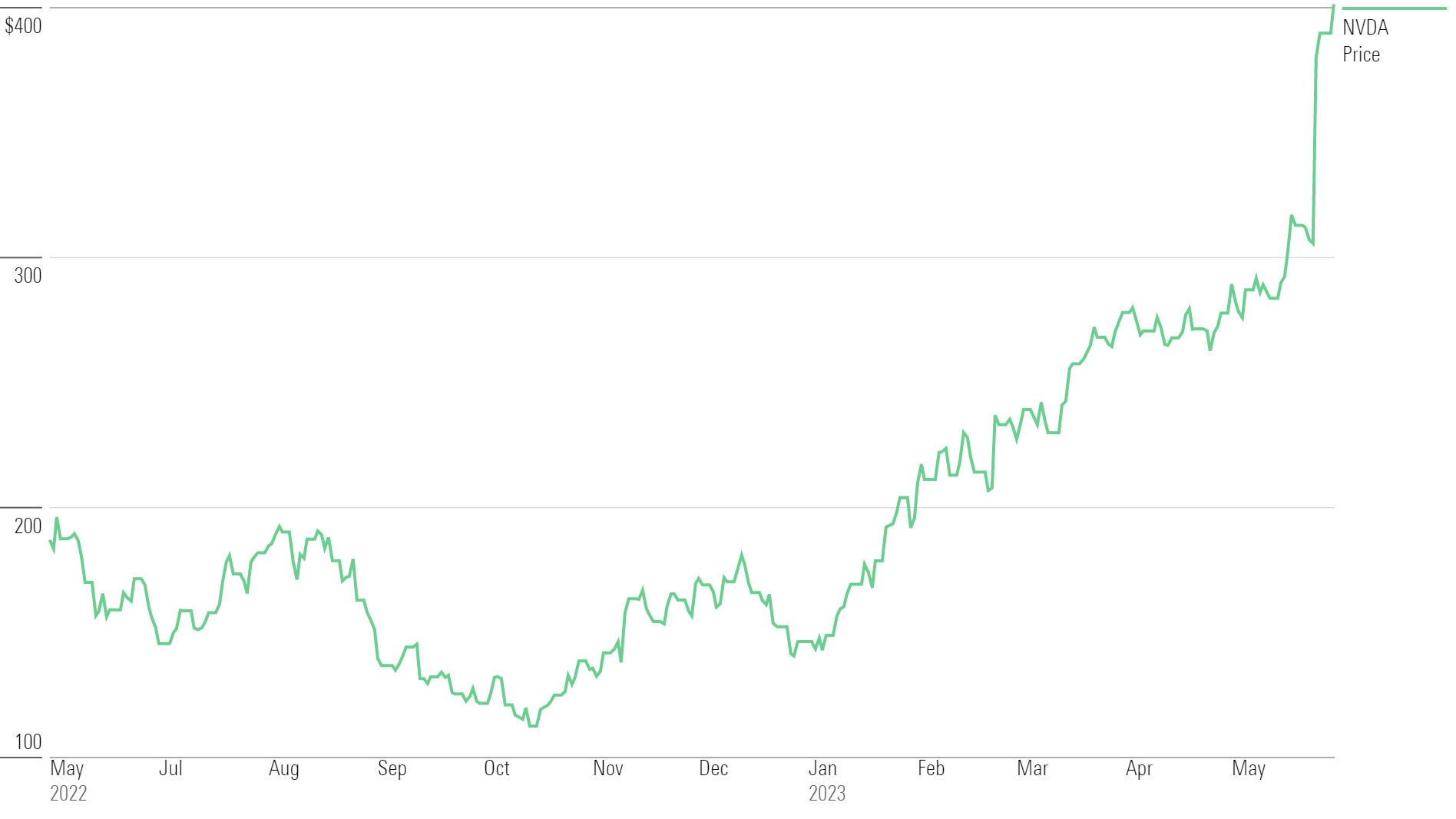
No investment is without risk, and even a robust company like NVIDIA is subject to market volatility. Its stock price can fluctuate significantly due to broader market trends, industry-specific news, geopolitical events, or even company-specific announcements. For example, a new product launch, a supply chain disruption, or a competitor’s breakthrough could impact its share price. Understanding your own risk tolerance is paramount. Are you comfortable with potential short-term dips for long-term growth, or do you prefer more stable assets? Recognizing that past performance is not indicative of future results is also a critical investing principle. Investing in individual stocks, especially those in high-growth, high-valuation sectors, typically carries more risk than diversified index funds.
Getting Started: The Essentials of Stock Investing
Once you’ve decided that NVIDIA aligns with your investment goals and risk profile, the next step involves preparing yourself for the practical aspects of stock market participation. This requires setting clear objectives and understanding fundamental principles.
Define Your Investment Goals
Before making any trades, clearly articulate why you are investing in NVIDIA. Are you saving for retirement, a down payment on a house, or simply looking to grow your wealth over the long term? Your goals will dictate your investment horizon (how long you plan to hold the stock) and your strategy. For example, a long-term investor might be less concerned with short-term price fluctuations, focusing instead on NVIDIA’s long-term growth potential. A short-term trader, however, would have a completely different approach, likely involving more frequent monitoring and analysis. Clear goals help maintain discipline and prevent emotional decision-making.
Risk Tolerance Assessment
As touched upon earlier, your comfort level with potential losses is a critical component of your investment strategy. A risk tolerance assessment helps you understand how much volatility you can handle without losing sleep or making impulsive decisions. Factors influencing risk tolerance include your age, income stability, financial obligations, and overall financial health. A younger investor with stable income and fewer dependents might have a higher risk tolerance, able to withstand larger market swings. An older investor nearing retirement might opt for a more conservative approach. Be honest with yourself about this; overestimating your risk tolerance can lead to panic selling during market downturns, locking in losses.
Capital Requirements and Budgeting for Investment
Investing in stocks requires capital. You need to determine how much money you are willing and able to invest without compromising your emergency savings or meeting essential financial obligations. A good rule of thumb is to only invest money you can afford to lose, at least in the short term. Consider whether you’ll invest a lump sum or use dollar-cost averaging, where you invest a fixed amount regularly, regardless of the stock price. This strategy can mitigate risk by averaging out your purchase price over time. Remember to account for potential brokerage fees or commissions, although many online brokers now offer commission-free trading for stocks. Budgeting your investment capital wisely is a cornerstone of responsible financial planning.
Choosing Your Brokerage Platform
To buy NVIDIA stock, you’ll need an investment account with a brokerage firm. The right platform can significantly enhance your investing experience, offering the tools, research, and support you need.
Types of Brokerage Accounts
Most individual investors will open a standard taxable brokerage account. However, you might also consider tax-advantaged accounts if they align with your long-term goals.
-
Individual Brokerage Account: This is the most common type, allowing you to buy and sell stocks, ETFs, mutual funds, and other securities. Gains are subject to capital gains tax.
-
Retirement Accounts (IRA, Roth IRA, 401(k)): These accounts offer tax benefits for retirement savings. If your 401(k) offers a self-directed brokerage option or if you open an IRA, you can often invest in individual stocks like NVIDIA within these accounts.
-
Custodial Accounts (e.g., UGMA/UTMA): These allow an adult to manage investments for a minor.
Choose the account type that best suits your financial situation and tax planning strategy.
Key Factors for Selection: Fees, Features, and Research Tools
When selecting a brokerage, several factors come into play:
-
Fees and Commissions: While many brokers now offer commission-free stock trades, be aware of other potential fees, such as account maintenance fees, inactivity fees, or fees for transferring funds or closing an account.
-
Platform Features and User Interface: Look for a platform that is intuitive and easy to navigate. Does it offer a mobile app? Are there advanced charting tools if you need them? Is the trade execution reliable?
-
Research and Educational Resources: A good brokerage will provide robust research tools, analyst reports, news feeds, and educational content to help you make informed decisions about stocks like NVIDIA.
-
Customer Service: Access to responsive and knowledgeable customer support can be invaluable, especially for new investors.
-
Investment Options: Ensure the brokerage offers access to NVIDIA stock (which almost all do) and any other investment products you might be interested in in the future.
Popular Brokerage Options
The market is flooded with reputable online brokerage firms, each with its strengths. Some popular options known for their user-friendly platforms and broad appeal include:
-
Fidelity: Known for extensive research, low fees, and a wide range of investment products.
-
Charles Schwab: Offers a comprehensive suite of services, strong customer support, and commission-free trading.
-
Vanguard: Often preferred by long-term, passive investors for its low-cost index funds and ETFs, but also offers individual stock trading.
-
E*TRADE (Morgan Stanley): A well-established platform with robust trading tools and research.
-
TD Ameritrade (Charles Schwab): Known for its powerful thinkorswim platform for advanced traders, though now integrated with Schwab.
-
Robinhood: Popular with newer investors for its simple interface and commission-free trading, though it offers fewer advanced features.
-
Interactive Brokers: Often favored by active and professional traders for its extensive global offerings and low costs, though it can be complex for beginners.
Researching a few options and reading reviews can help you find the best fit for your needs.
Executing Your NVIDIA Stock Purchase
Once you’ve chosen a brokerage and opened an account, you’re ready to make your first investment. This involves funding your account and placing an order to buy NVIDIA shares.
Funding Your Account
Before you can buy stocks, you need to deposit money into your brokerage account. Common methods include:
-
Electronic Funds Transfer (ACH): This is typically the easiest and most common way to transfer funds from your bank account to your brokerage. It may take a few business days for the funds to clear.
-
Wire Transfer: Faster than ACH, but often comes with a fee from your bank.
-
Check Deposit: Slower, as the check needs to be mailed and processed.
-
Transferring an Existing Investment Account: If you have an account with another brokerage, you can often transfer your holdings or cash directly.
Ensure you have sufficient cleared funds in your account before attempting to place a trade.
Placing a Buy Order: Market vs. Limit Orders
When you’re ready to buy NVIDIA (ticker symbol NVDA), you’ll typically have two primary order types:
-
Market Order: This instructs your broker to buy shares immediately at the best available price in the market. While it guarantees execution, you might not get the exact price you saw moments before, especially in fast-moving markets. It’s best used when you prioritize immediate execution over a precise price.
-
Limit Order: This allows you to set a maximum price you’re willing to pay per share. Your order will only execute if the stock price falls to or below your specified limit. If the stock never reaches your limit price, your order won’t be filled. Limit orders are useful for controlling your purchase price and mitigating risk in volatile markets.
For beginners, a limit order often provides more control, preventing unexpected price discrepancies.
Understanding Order Types and Execution
Beyond market and limit orders, you might encounter other options, though they are less common for a straightforward buy:
-
Stop Order: Used to sell shares if they fall below a certain price (stop-loss) or buy if they rise above a certain price (stop-buy).
-
Day Order vs. Good-Til-Cancelled (GTC): A day order expires at the end of the trading day if not filled, whereas a GTC order remains active until it’s filled or you cancel it.
When placing your order, you’ll specify the ticker symbol (NVDA), the number of shares you wish to buy (or the dollar amount if your broker offers fractional shares), and the order type. Review all details carefully before confirming the trade. Once executed, the shares will appear in your brokerage account, typically within a few minutes.
Managing Your Investment and Future Considerations
Buying NVIDIA stock is just the beginning. Effective portfolio management involves ongoing monitoring, strategic adjustments, and an understanding of the broader financial landscape.
Monitoring Your NVIDIA Investment
Regularly checking the performance of your NVIDIA shares is important, but avoid obsessive daily monitoring, which can lead to emotional trading. Instead, focus on:
-
Company News: Keep up with NVIDIA’s earnings reports, new product announcements, partnerships, and any significant industry developments that could impact its business.
-
Market Trends: Understand broader market movements and how they might affect growth stocks or the tech sector.
-
Your Portfolio’s Overall Health: See how NVIDIA fits into your overall asset allocation. Is it becoming too large a percentage of your portfolio, potentially increasing your risk exposure?
Many brokerage platforms offer tools and alerts to help you track your investments.
Diversification Strategies
While NVIDIA may be a strong company, putting all your investment eggs in one basket is generally not advisable. Diversification—spreading your investments across different companies, industries, and asset classes—is a fundamental principle of risk management. If NVIDIA experiences a downturn, other investments in your portfolio might perform well, cushioning the blow. Consider investing in:
-
Other Individual Stocks: From different sectors (e.g., healthcare, consumer staples, financials).
-
Exchange-Traded Funds (ETFs) or Mutual Funds: These funds hold a basket of many stocks, offering instant diversification. There are tech-focused ETFs if you want to maintain sector exposure, or broad market ETFs for wider diversification.
-
Bonds: To add a conservative element to your portfolio, especially as you approach retirement.
The goal is to build a robust portfolio that can weather various market conditions.
Tax Implications of Stock Investing
Understanding the tax implications of stock investing is crucial for maximizing your returns.
-
Capital Gains Tax: When you sell NVIDIA stock for a profit, you’ll incur capital gains tax. If you hold the stock for less than a year, it’s considered a short-term capital gain, taxed at your ordinary income tax rate. If you hold it for more than a year, it’s a long-term capital gain, typically taxed at lower rates.
-
Dividends: While NVIDIA periodically pays a small dividend, any dividends received are taxable income in the year they are distributed.
-
Tax-Loss Harvesting: If you sell a stock for a loss, you might be able to use that loss to offset capital gains and a limited amount of ordinary income.
Consult with a tax professional to understand how these rules apply to your specific situation and to ensure you are compliant with all tax regulations.

Long-Term vs. Short-Term Holdings
Your investment horizon for NVIDIA should align with your initial goals.
-
Long-Term: Many investors buy NVIDIA with a long-term growth perspective, holding for years, aiming to benefit from compounding returns and the company’s sustained innovation in critical technologies like AI. This approach often involves riding out short-term volatility.
-
Short-Term: Some investors engage in short-term trading, attempting to profit from price swings over days or weeks. This strategy is highly speculative, requires significant time, research, and carries higher risk, often resulting in higher transaction costs and tax implications.
For most individual investors, a long-term approach to a quality company like NVIDIA tends to be more prudent and less stressful, allowing the power of compounding to work in their favor.
Buying NVIDIA stock can be a strategic move for investors looking to capitalize on the growth of AI, gaming, and data center technologies. However, it requires a methodical approach: understanding the company, preparing your finances, selecting the right platform, and diligently managing your investment over time. By following these steps and maintaining a disciplined, informed perspective, you can confidently navigate the process and integrate NVIDIA into a well-considered investment portfolio.
aViewFromTheCave is a participant in the Amazon Services LLC Associates Program, an affiliate advertising program designed to provide a means for sites to earn advertising fees by advertising and linking to Amazon.com. Amazon, the Amazon logo, AmazonSupply, and the AmazonSupply logo are trademarks of Amazon.com, Inc. or its affiliates. As an Amazon Associate we earn affiliate commissions from qualifying purchases.