
Navigating the world of car insurance can often feel like deciphering a complex financial puzzle. Yet, for anyone who owns or drives a vehicle, understanding and acquiring the right policy isn’t just a legal obligation in most places; it’s a fundamental pillar of sound personal finance. Car insurance serves as a critical financial safeguard, protecting you from potentially ruinous costs associated with accidents, theft, or other unforeseen damages. Without adequate coverage, a single incident could derail your financial stability, leading to significant out-of-pocket expenses for repairs, medical bills, or legal fees.

This guide aims to demystify the process of buying car insurance, offering a professional, insightful, and engaging roadmap. We’ll delve into the various types of coverage, walk you through the purchasing steps, reveal strategies to save money, and highlight common pitfalls to avoid. By the end, you’ll be equipped with the knowledge to make informed decisions, ensuring you secure a policy that adequately protects your vehicle, your finances, and your peace of mind.
Understanding the Fundamentals of Car Insurance
Before you can effectively buy car insurance, it’s essential to grasp the core concepts that underpin every policy. Knowing what each component means will empower you to choose coverage that truly meets your needs without overspending or underinsuring.
Types of Coverage: Building Your Financial Shield
Car insurance policies are typically comprised of several distinct types of coverage, each designed to protect against specific risks.
- Liability Coverage: This is the most crucial and often legally mandated component. It covers damages you cause to other people or their property in an at-fault accident.
- Bodily Injury Liability: Pays for medical expenses, lost wages, and pain and suffering for others injured in an accident you cause.
- Property Damage Liability: Covers the cost of repairs to other vehicles or property (like fences or buildings) that you damage.
- Collision Coverage: This pays for damages to your own car resulting from a collision with another vehicle or object (e.g., a tree, pole), regardless of who is at fault. It’s particularly important for newer or more valuable vehicles.
- Comprehensive Coverage: Often paired with collision, comprehensive insurance protects your car from non-collision-related incidents. This includes theft, vandalism, fire, natural disasters (hail, floods), and impacts with animals.
- Personal Injury Protection (PIP) / Medical Payments (MedPay): These cover medical expenses for you and your passengers after an accident, regardless of fault. PIP can also cover lost wages and other non-medical costs, while MedPay is typically limited to medical bills. The availability and specifics vary by state.
- Uninsured/Underinsured Motorist (UM/UIM) Coverage: This protects you if you’re involved in an accident with a driver who either has no insurance or insufficient insurance to cover your damages. UM/UIM can cover medical bills, lost wages, and sometimes property damage.
Key Factors Influencing Your Premiums
Insurance premiums are not arbitrary; they are meticulously calculated based on a multitude of risk factors. Understanding these factors can help you anticipate costs and potentially identify areas for savings.
- Driver Profile: Your age, gender, marital status, driving experience, and even your profession can influence rates. Younger, less experienced drivers typically pay more.
- Driving History: A clean driving record with no accidents or traffic violations is your best asset for lower premiums. Tickets and at-fault accidents will significantly increase costs.
- Vehicle Type: The make, model, year, safety features, and even the color of your car matter. More expensive, high-performance, or frequently stolen vehicles usually command higher premiums.
- Location: Where you live and park your car plays a huge role. Urban areas with higher traffic density, crime rates, and severe weather risks often have higher insurance costs than rural areas.
- Credit Score (in some states): Insurers in many states use a credit-based insurance score as a predictor of risk. A higher credit score can lead to lower premiums.
- Annual Mileage: Drivers who log fewer miles annually are often considered lower risk and may qualify for discounts.
Deductibles and Limits: Balancing Risk and Cost
When selecting coverage, you’ll encounter terms like “deductible” and “limits,” which are crucial financial levers.
- Deductible: This is the amount of money you agree to pay out-of-pocket before your insurance coverage kicks in for a claim. Higher deductibles typically result in lower monthly premiums, but you’ll bear more of the initial cost in the event of a claim. It’s a strategic financial decision: can you comfortably afford a higher deductible if an accident occurs?
- Limits: These are the maximum amounts your insurance company will pay for a covered loss. Liability limits are usually expressed as three numbers (e.g., 100/300/50), representing bodily injury per person, bodily injury per accident, and property damage per accident. Higher limits offer greater financial protection but come with higher premiums. Choosing appropriate limits is vital to avoid being underinsured, especially given the rising costs of medical care and vehicle repairs.
The Step-by-Step Process of Purchasing Car Insurance
Once you have a foundational understanding of car insurance, the actual purchasing process becomes much clearer and less intimidating. Follow these steps to secure the best policy for your needs.
Assessing Your Needs: What Kind of Coverage Is Right for You?
Before you even start getting quotes, take stock of your personal situation.
- Legal Requirements: What are the minimum liability coverage requirements in your state? This is your starting point.
- Vehicle Value: If you have an older car with low market value, collision and comprehensive coverage might not be financially sensible, as the premiums could outweigh the potential payout. For newer or financed vehicles, these coverages are almost always essential or even mandatory by your lender.
- Financial Health: How much can you afford for premiums and deductibles? Consider your emergency fund and risk tolerance. Higher deductibles lower premiums, but ensure you have the cash on hand if you need to file a claim.
- Driving Habits: Do you have a long commute? Drive in heavy traffic? Or rarely use your car? Your driving patterns can influence the type and amount of coverage you need.
Gathering Necessary Information: Be Prepared
Having all your information ready will streamline the quote process and ensure accuracy.
- Personal Information: Names, dates of birth, driver’s license numbers for all drivers in your household, and your primary address.
- Vehicle Information: Make, model, year, VIN (Vehicle Identification Number), current mileage, and any safety or anti-theft features.
- Driving History: Details of any accidents (at-fault or not-at-fault), traffic violations, or claims filed in the past 3-5 years for all drivers.
- Current Insurance Details: If you have an existing policy, details of your current coverage can be helpful for comparison.
Getting Quotes: Explore Your Options
This is where you start comparing prices and policies. You have several avenues for obtaining quotes:
- Online Comparison Websites: Many sites allow you to enter your information once and receive multiple quotes from various insurers. This is often the quickest way to get a broad overview.
- Direct Insurers: Companies like Geico, Progressive, or State Farm allow you to get quotes directly from their websites or over the phone.
- Independent Insurance Agents/Brokers: These professionals work with multiple insurance companies and can shop around on your behalf, often providing personalized advice and helping you find the best deal. They can be invaluable if your situation is complex or you prefer human interaction.
- Captive Agents: These agents work for a single insurance company (e.g., Allstate, Farmers) and can only offer policies from that specific insurer.
Comparing Policies: Look Beyond the Price Tag
Simply choosing the cheapest policy can be a costly mistake in the long run. When comparing quotes, consider:
- Coverage Limits and Deductibles: Ensure they meet your needs and risk tolerance. A slightly higher premium for better coverage can be a wise financial decision.
- Reputation and Customer Service: Research the insurer’s financial stability, claim processing efficiency, and customer satisfaction ratings. Websites like J.D. Power or AM Best provide valuable insights. A company with poor customer service can turn a minor incident into a major headache.
- Discounts: Inquire about all available discounts (we’ll cover these more in the next section).
- Exclusions and Terms: Understand what is not covered and any specific policy conditions.
Making the Purchase: Finalizing Your Decision
Once you’ve selected the policy that offers the best balance of coverage, cost, and service:
- Review All Documents: Carefully read your policy declarations page, which summarizes your coverage, limits, deductibles, and premiums. Ensure everything is accurate.
- Payment Options: Understand your payment schedule (monthly, quarterly, annually) and available methods. Paying annually often comes with a discount.
- Proof of Insurance: Upon purchase, you’ll receive proof of insurance (ID cards), which you’ll need to keep in your vehicle and may need for vehicle registration or traffic stops.
Strategies for Saving Money on Car Insurance
While car insurance is a necessary expense, there are numerous ways to reduce its financial impact without compromising essential protection. Smart financial planning involves actively seeking out these savings opportunities.
Bundling Policies: The Power of Consolidation
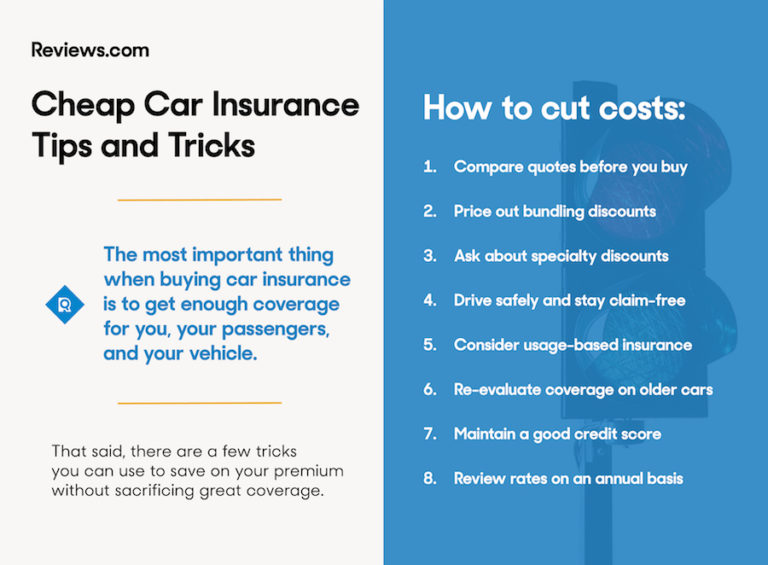
Many insurers offer significant discounts when you purchase multiple policies from them, such as combining your car insurance with homeowners, renters, or even life insurance. This “multi-policy discount” can sometimes shave 10-25% off your total premiums. It streamlines your insurance management and often results in substantial savings.
Driving Safely and Maintaining a Clean Record
This is perhaps the most impactful way to lower your insurance costs over time. A history free of accidents, speeding tickets, or other moving violations signals to insurers that you are a low-risk driver, translating directly into lower premiums. Many insurers also offer “good driver” or “accident-free” discounts.
Increasing Your Deductible: A Calculated Risk
As discussed, choosing a higher deductible means you’ll pay more out-of-pocket if you file a claim. However, it significantly reduces your monthly premiums. This strategy works best if you have a robust emergency fund to cover the deductible should an incident occur. It’s a balance between managing immediate cash flow (lower premiums) and potential future expenses (higher deductible).
Exploring Available Discounts: Every Penny Counts
Insurance companies offer a wide array of discounts that many consumers overlook. Always ask your agent or check the insurer’s website for:
- Good Student Discount: For young drivers maintaining a certain GPA.
- Low Mileage Discount: If you drive fewer miles than the average person.
- Anti-Theft Device Discount: For vehicles equipped with alarms, tracking systems, or immobilizers.
- Multi-Car Discount: If you insure more than one vehicle with the same company.
- Safe Driver Programs (Telematics): Many insurers offer programs where a device or app monitors your driving habits (speed, braking, mileage). Safe driving can earn you discounts.
- Defensive Driving Course Discount: Completing an approved defensive driving course can sometimes lead to lower rates.
- Loyalty Discount: For long-term policyholders.
- Payment Discounts: For paying premiums in full annually or enrolling in automatic payments.
Improving Your Credit Score: An Indirect Benefit
While not directly related to driving, your credit score can influence your insurance rates in many states. Insurers often use credit-based insurance scores as a predictor of how likely you are to file a claim. A higher credit score can signal greater financial responsibility, potentially leading to lower premiums. Focus on paying bills on time, reducing debt, and monitoring your credit report.
Reviewing Your Policy Annually: Stay Competitive
Life changes, and so do insurance markets. What was the best deal last year might not be today. Make it a habit to review your policy and get new quotes at least once a year, especially before renewal. Changes in your personal situation (marriage, moving, vehicle age) or changes in the market can present new savings opportunities.
Common Pitfalls to Avoid When Buying Car Insurance
Making an informed financial decision means not only knowing what to do but also understanding what not to do. Avoiding these common mistakes can save you significant money and stress in the long run.
Underinsuring or Overinsuring: Finding the Right Balance
One of the biggest mistakes is failing to accurately assess your coverage needs.
- Underinsuring: Opting for the absolute minimum coverage to save a few dollars can leave you financially exposed. If you cause a serious accident and your liability limits are too low, you could be personally responsible for thousands or even hundreds of thousands of dollars in damages and medical bills.
- Overinsuring: Conversely, paying for coverage you don’t need is a waste of money. For instance, maintaining collision and comprehensive coverage on a very old car whose market value is less than the annual premium plus your deductible doesn’t make financial sense. Regularly re-evaluate your vehicle’s worth.
Focusing Solely on Price: The Cheapest Isn’t Always the Best
While cost is a critical factor in personal finance, prioritizing the absolute cheapest premium above all else can be a grave error. A policy that appears inexpensive might:
- Have very low limits, leaving you vulnerable.
- Come from an insurer with a poor reputation for claims handling or customer service, leading to frustration and delays when you need them most.
- Lack important features or add-ons that could provide significant value in a specific situation.
Always balance cost with adequate coverage, reliable service, and the financial strength of the insurer.
Not Understanding Your Policy: Read the Fine Print
Many people skim their policy documents or don’t read them at all. This is a significant financial risk. Your policy is a legal contract detailing what is covered, what is excluded, your responsibilities, and the insurer’s obligations. Not understanding its terms means you might incorrectly assume coverage for certain events or fail to meet a condition that could lead to a denied claim. Take the time to read and understand your declarations page and policy booklet. If anything is unclear, ask your agent or insurer for clarification.
Letting Your Coverage Lapse: Legal and Financial Consequences
Allowing your car insurance to expire, even for a short period, can have severe repercussions.
- Legal Penalties: Driving without insurance is illegal in most places and can result in fines, license suspension, vehicle impoundment, or even jail time.
- Financial Exposure: Without coverage, you are solely responsible for all damages, medical bills, and legal costs if you’re involved in an accident.
- Higher Future Premiums: Insurers view a lapse in coverage as a red flag, often leading to significantly higher premiums when you try to get new insurance.
Always ensure your coverage is continuous. If you’re switching insurers, make sure the new policy is active before canceling the old one.
After You Buy: Managing Your Car Insurance
Purchasing car insurance is not a one-time event; it’s an ongoing aspect of prudent financial management. Effective management of your policy ensures continuous protection and optimal financial outcomes.
Understanding Your Policy Documents: Your Financial Contract
Once you’ve made your purchase, your insurer will provide a packet of documents. Key among these is the declarations page, which summarizes your coverage types, limits, deductibles, premiums, policy period, and the insured vehicles and drivers. This is your quick reference guide. The full policy booklet contains the detailed terms, conditions, definitions, and exclusions. Keep these documents organized and accessible, preferably in a digital format for easy retrieval. Understanding them is your first line of defense in managing potential claims.
How to File a Claim: When the Unexpected Happens
Knowing the process for filing a claim before you need to can significantly reduce stress during a difficult time.
- Safety First: After an accident, ensure everyone’s safety and call emergency services if needed.
- Gather Information: Collect details from all parties involved (names, contact info, insurance details, license plate numbers) and eyewitnesses. Take photos of the scene and damages.
- Notify Your Insurer Promptly: Report the incident to your insurance company as soon as safely possible. Delays can complicate the process.
- Provide Accurate Information: Be honest and provide all requested details.
- Cooperate: Work with your claims adjuster, providing any documentation they request.
- Keep Records: Maintain a log of all communications, reference numbers, and documents related to your claim.
When to Adjust Your Coverage: Life’s Changing Landscape
Your insurance needs are not static. Life events and vehicle changes should prompt a review of your policy:
- Buying a New Car: Your premium will change significantly based on the new vehicle’s value, safety features, and theft risk.
- Selling a Car: You may need to remove it from your policy.
- Adding/Removing a Driver: A new teenage driver will drastically increase rates; removing a driver who no longer lives with you can decrease them.
- Moving: Your new address will affect your rates due to different local risk factors.
- Marriage/Divorce: These life changes can impact multi-car discounts and who needs to be listed on a policy.
- Significant Life Milestones: Such as children leaving for college (they might still need coverage, but potentially under a good student discount or on their own policy).
- Changes in Vehicle Usage: If you start using your personal car for a side hustle like ride-sharing, you’ll likely need commercial coverage or a rideshare endorsement.
Regularly assessing these changes against your current policy ensures you remain adequately covered and are not paying for unnecessary protection.
Conclusion
Purchasing car insurance is a crucial financial decision that extends beyond simply meeting a legal requirement. It’s about strategically protecting your assets, managing risk, and securing your financial future against the unpredictability of the road. By understanding the fundamentals of coverage, diligently comparing options, leveraging available discounts, and avoiding common pitfalls, you can navigate this complex landscape with confidence. Remember, car insurance isn’t just an expense; it’s an investment in your peace of mind and financial security. Take the time to make informed choices, and regularly review your policy to ensure it continues to serve your evolving needs.
aViewFromTheCave is a participant in the Amazon Services LLC Associates Program, an affiliate advertising program designed to provide a means for sites to earn advertising fees by advertising and linking to Amazon.com. Amazon, the Amazon logo, AmazonSupply, and the AmazonSupply logo are trademarks of Amazon.com, Inc. or its affiliates. As an Amazon Associate we earn affiliate commissions from qualifying purchases.