
The simple act of “buying a ticket” has undergone a radical metamorphosis over the last decade. What was once a straightforward physical transaction at a box office or a phone call to a travel agent has evolved into a complex interaction with sophisticated software stacks, high-speed data processing, and cloud-based infrastructure. To understand how to buy a ticket today is to understand the digital ecosystem that powers the global events, travel, and entertainment industries. From the moment you open an app to the millisecond your digital wallet stores a verified QR code, you are participating in one of the most advanced technical sequences in the modern consumer world.
The Digital Transformation of the Box Office
The evolution of ticketing is primarily a story of software eating the world. The transition from paper to pixels was not merely about convenience; it was a fundamental shift in how assets are tracked, validated, and distributed. Today, a ticket is no longer a physical item but a data point—a cryptographic entry in a centralized or decentralized database that represents a specific right of access.
The Shift from Physical to Virtual Assets
The primary hurdle in the early days of digital ticketing was the “double-spend” problem: how do you ensure that a digital file isn’t copied and used by multiple people? The tech industry solved this through centralized server-side validation. When you purchase a ticket through a platform like Ticketmaster or Eventbrite, the software generates a unique identifier linked to your account.
Modern ticketing systems use “rotating” QR codes or dynamic barcodes. Unlike static images, these codes refresh every few seconds based on a time-based one-time password (TOTP) algorithm, similar to two-factor authentication (2FA). This ensures that a screenshot of a ticket cannot be used for entry, effectively tethering the “ticket” to the hardware of the purchaser’s smartphone.
Mobile-First Ecosystems and Integrated Wallets
The “how” of buying a ticket is now inextricably linked to the mobile operating system. Apple Wallet and Google Wallet have become the de facto standard for ticket storage. These platforms utilize Near Field Communication (NFC) technology, allowing users to “tap” into a venue. This is a significant technological leap over optical scanning, as it works even when screen brightness is low or when a device is offline, thanks to secure element chips embedded in modern smartphones.
The integration of ticketing into mobile OS ecosystems also allows for push notifications and location-based services. For example, geofencing technology can trigger a notification that brings your ticket to your lock screen the moment you arrive at the stadium or airport, streamlining the user experience through contextual awareness.
Behind the Screen: The Software Powering the Transaction
When a high-demand concert goes on sale, millions of users may hit a server simultaneously. The technical infrastructure required to manage this load is immense. Understanding the “how” of buying a ticket requires a look at the backend systems that prevent site crashes and ensure fair distribution.
APIs and the Interconnectivity of Travel Tech
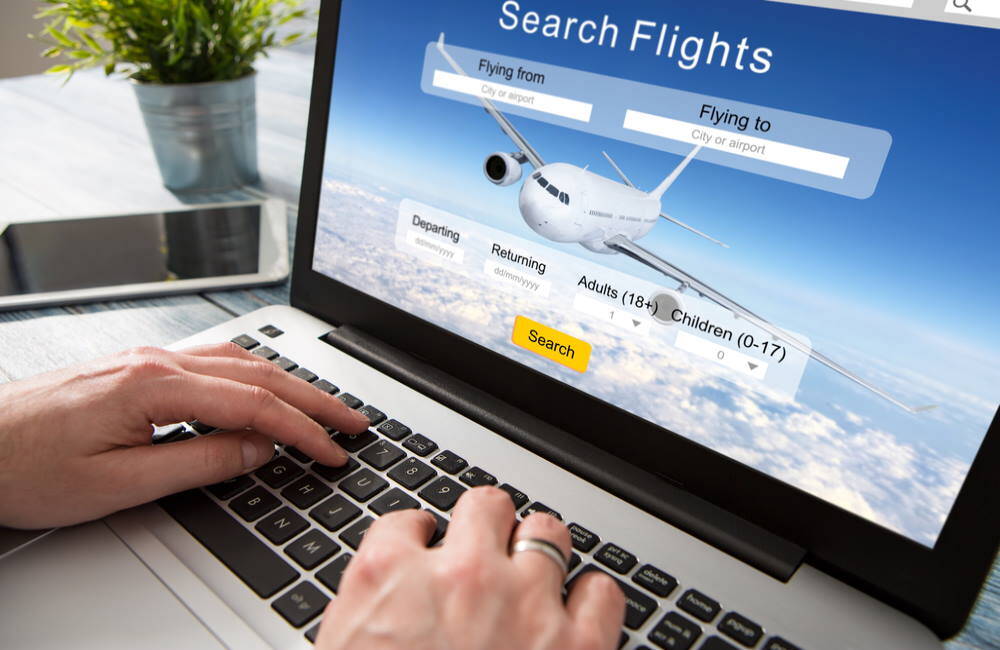
In the airline and rail industries, buying a ticket often involves navigating a web of interconnected systems. Global Distribution Systems (GDS) like Amadeus or Sabre act as the massive databases that store flight availability and pricing. When you buy a ticket on an aggregator site like Expedia or Kayak, the site uses Application Programming Interfaces (APIs) to talk to these GDS platforms in real-time.
This API-driven architecture allows for “intermodal” ticketing—buying a single ticket that covers a flight, a train, and a ride-share. The software must handle the complex task of reconciling different booking protocols, currency conversions, and seat maps across different providers, all within a single user session.
Real-Time Inventory Management and Cloud Scaling
The most stressful part of buying a ticket is the “waiting room.” This is a sophisticated piece of queue management software designed to protect the server from Distributed Denial of Service (DDoS) style traffic spikes. Platforms like Queue-it or Cloudflare Wait-room act as a “waiting area” that throttles user access to the transaction engine.
Behind the scenes, these platforms leverage “auto-scaling” on cloud providers like Amazon Web Services (AWS) or Microsoft Azure. As demand spikes, the system automatically spins up new virtual servers to handle the load. This ensures that the inventory management system—the database that tracks which seats are “held” versus “sold”—remains consistent (ACID compliance) so that two people cannot buy the same seat at the same microsecond.
Security and Authentication in the Age of Digital Fraud
As the value of tickets for premium events skyrockets, so does the sophistication of digital fraud. Buying a ticket today involves multiple layers of security designed to verify the identity of the buyer and the legitimacy of the ticket.

Blockchain and NFTs: The Future of Verified Ownership
One of the most promising technological shifts in ticketing is the move toward blockchain-based solutions. By issuing tickets as Non-Fungible Tokens (NFTs) on a blockchain (like Polygon or Ethereum), issuers can create a permanent, immutable record of every transaction.
For the consumer, buying an NFT-based ticket solves the “secondary market” problem. Because the ticket is a smart contract, the original artist or venue can set rules on how the ticket is resold—for example, capping the resale price or ensuring a percentage of the resale goes back to the creator. This technology eliminates the risk of buying a fake ticket on a third-party site, as the authenticity can be verified instantly on the public ledger.
Multi-Factor Authentication and Biometric Integration
To prevent account takeovers by bots, the process of buying a ticket now frequently requires biometric verification. Modern apps utilize the “Secure Enclave” on smartphones to verify a purchase via FaceID or TouchID. This creates a hardware-level bond between the purchaser and the transaction.
Furthermore, many ticketing platforms have implemented 3D Secure 2.0 (3DS2) for credit card transactions. This protocol allows for “frictionless authentication” by analyzing hundreds of data points (such as device ID and IP address) to verify a transaction without requiring a password, unless the risk level is deemed high.
The Algorithms of Access: Dynamic Pricing and AI Bots
The question of “how do I buy a ticket” is often followed by “why is the price changing?” This is the result of dynamic pricing algorithms and the ongoing arms race between ticketing platforms and automated “scalper” bots.
Understanding Yield Management Software
Many ticketing platforms use AI-driven yield management software. These algorithms analyze historical data, real-time demand, and even external factors like weather or local events to adjust prices in real-time. This is why a ticket to a flight or a Broadway show might cost significantly more on a Friday afternoon than on a Tuesday morning. The “how” of buying a ticket at the best price involves understanding these algorithmic cycles, which are designed to maximize the “load factor” or occupancy of a venue or vehicle.
The Ethical Tech Battle Against Automated Scalpers
The biggest obstacle for genuine human buyers is the bot. Sophisticated scripts can scrape ticket sites and complete checkout processes in a fraction of a second, far faster than any human. To counter this, ticketing companies use “bot mitigation” tech. This includes CAPTCHAs (Completely Automated Public Turing test to tell Computers and Humans Apart), which have evolved from simple text recognition to complex image labeling and even “passive” behavioral analysis that tracks mouse movements to determine if a user is human.
Designing for the User: The UX/UI of the Modern Booking Journey
The final frontier of buying a ticket is the User Experience (UX). A poorly designed interface can lead to “cart abandonment,” where a user gives up on a purchase due to technical frustration.
Frictionless Checkout and the Psychology of Design
Modern ticketing apps are masterclasses in conversion rate optimization (CRO). Features like “One-Click Buy,” integrated Apple Pay, and “Express Checkout” are designed to minimize friction. From a technical standpoint, this requires deep integration with payment gateways like Stripe or Adyen, which handle the encryption and tokenization of sensitive financial data so the ticketing app never actually “sees” your credit card number.

The Future of Ticketing: AR/VR and Predictive AI
Looking forward, the process of buying a ticket will become even more immersive. Augmented Reality (AR) is already being used to provide “View from Seat” previews, allowing a buyer to see a 360-degree render of the stadium from their specific seat before they commit to the purchase.
Predictive AI is also beginning to play a role. Soon, your digital assistant may suggest buying a ticket for your favorite band’s tour before it’s even officially announced, based on your Spotify listening habits and travel schedule. The “how” of buying a ticket is shifting from a reactive search to a proactive, AI-curated experience.
In conclusion, buying a ticket in the 21st century is a high-tech journey. It is a process underpinned by global cloud networks, secured by cryptographic protocols, and streamlined by elegant mobile interfaces. As we move toward a more decentralized and AI-integrated world, the ticket will continue to evolve from a simple pass into a complex, programmable digital asset that defines our access to the physical and virtual worlds.
aViewFromTheCave is a participant in the Amazon Services LLC Associates Program, an affiliate advertising program designed to provide a means for sites to earn advertising fees by advertising and linking to Amazon.com. Amazon, the Amazon logo, AmazonSupply, and the AmazonSupply logo are trademarks of Amazon.com, Inc. or its affiliates. As an Amazon Associate we earn affiliate commissions from qualifying purchases.