
The landscape of personal and business finance is increasingly complex, with ever-evolving tax laws and regulations. This complexity fuels a consistent, robust demand for knowledgeable and ethical tax professionals. For individuals seeking a flexible, profitable, and intellectually stimulating career path, becoming a certified tax preparer offers a compelling proposition. Whether you’re aiming for a full-time profession, a lucrative side hustle, or a way to enhance your existing financial skill set, navigating the journey to certification requires understanding various pathways, commitment to ongoing education, and a keen eye for detail. This guide delves into the specifics of becoming a certified tax preparer, detailing the requirements, certifications, and strategies to build a successful practice within the dynamic world of money management and financial services.

Understanding the Landscape of Tax Preparation
Before embarking on the journey to certification, it’s crucial to understand what a tax preparer does, the different levels of professionals in the field, and why formal recognition is not just beneficial but often essential. This section lays the groundwork for appreciating the value of a certified tax preparer.
The Role of a Tax Preparer
At its core, a tax preparer assists individuals and entities (such as small businesses, non-profits, or trusts) in filing their tax returns with the appropriate government agencies, primarily the Internal Revenue Service (IRS) at the federal level, and state/local tax authorities. This involves much more than just filling out forms; it requires:
- Gathering Financial Information: Collecting W-2s, 1099s, receipts, investment statements, and other relevant documents from clients.
- Analyzing Financial Data: Interpreting financial records to identify all applicable income, deductions, credits, and liabilities.
- Ensuring Compliance: Applying current tax laws and regulations to ensure the accurate and legal preparation of returns, minimizing audit risk.
- Optimizing Tax Outcomes: Helping clients maximize legitimate deductions and credits to reduce their tax liability or increase their refund.
- Providing Advice: Offering guidance on tax planning strategies for future financial decisions, such as retirement contributions, investments, or business expenses.
- Representation (for some certifications): Representing clients before the IRS during audits or other tax matters.
The work demands meticulous attention to detail, a strong ethical compass, and the ability to communicate complex financial information clearly to clients.
Types of Tax Preparers and Certifications
The term “tax preparer” can encompass a wide range of professionals, distinguished by their credentials and the scope of their authority. Understanding these distinctions is vital for charting your career path:
- Non-Credentialed Preparers (PTIN Holders): Anyone who prepares tax returns for compensation must have an IRS Preparer Tax Identification Number (PTIN). These individuals are often seasonal workers or those just starting out. While they can prepare returns, their authority to represent clients before the IRS is severely limited.
- Annual Filing Season Program (AFSP) Participants: This is a voluntary IRS program for non-credentialed preparers. By completing specific continuing education requirements, AFSP participants receive a Record of Completion and are included in a public directory of qualified preparers. This offers limited representation rights (for returns they prepared) and demonstrates a commitment to professional development, enhancing client trust.
- Enrolled Agents (EAs): Enrolled Agents are federally licensed tax practitioners who specialize in taxation. They have unlimited practice rights, meaning they can represent any taxpayer before the IRS for any tax matter, regardless of who prepared the original return. This is the most accessible federal tax-specific certification and is highly respected.
- Certified Public Accountants (CPAs): CPAs are licensed by individual states and possess a broad range of accounting expertise, including auditing, financial planning, and business consulting, in addition to tax preparation. Their tax expertise is comprehensive, and they also have unlimited practice rights before the IRS.
- Tax Attorneys: Lawyers specializing in tax law can also prepare tax returns and represent clients before the IRS and in tax court. They typically handle more complex legal tax issues and disputes.
Why Certification Matters
Certification, particularly as an Enrolled Agent or CPA, significantly elevates a tax preparer’s standing and capabilities.
- Enhanced Credibility and Trust: Certifications signal a commitment to professional standards, ethical conduct, and a demonstrated level of expertise. Clients are more likely to trust a certified professional with their sensitive financial information.
- Expanded Practice Rights: EAs and CPAs enjoy unlimited practice rights, allowing them to represent clients in a broader range of IRS matters, including audits, appeals, and collections. This adds significant value to their services.
- Higher Earning Potential: Certified preparers can command higher fees due to their specialized knowledge and authoritative standing.
- Competitive Advantage: In a crowded market, certification helps professionals stand out, attracting more sophisticated clients and complex, higher-value engagements.
- Professional Growth: The process of becoming certified and the ongoing continuing education requirements foster continuous learning and professional development, ensuring preparers remain at the forefront of tax law changes.
The Path to Becoming a Certified Tax Professional
Embarking on the journey to certification involves specific steps, examinations, and educational commitments. While different certifications have distinct requirements, the general trajectory involves demonstrating competence and adhering to professional standards.
Essential First Steps: PTIN Requirement
Regardless of your ultimate certification goal, if you intend to prepare federal tax returns for compensation, your absolute first step is to obtain an IRS Preparer Tax Identification Number (PTIN). This is a mandatory requirement for all paid tax preparers in the United States.
- How to Obtain a PTIN: You can apply for or renew a PTIN online through the IRS website. The application process is straightforward, requiring personal information, and typically involves a small annual fee. This number must be included on every tax return you prepare.
Exploring Key Certifications
Once you have your PTIN, you can consider which certification path aligns best with your career aspirations.
Enrolled Agent (EA): The Dedicated Tax Professional
The Enrolled Agent credential is a superb choice for individuals who want to specialize solely in tax. It is the only federally recognized tax practitioner designation that provides unlimited practice rights.
- Requirements: To become an EA, you must:
- Obtain a PTIN.
- Pass the three-part Special Enrollment Examination (SEE). The SEE covers all aspects of federal taxation for individuals, businesses, and representation. It is administered in two-month testing windows, year-round, at Prometric testing centers.
- Pass a suitability check, which includes a tax compliance check and a criminal background check.
- Benefits: EAs are highly regarded for their comprehensive tax knowledge and their ability to represent clients before the IRS at all administrative levels. The EA designation is often considered more accessible than a CPA for those whose primary focus is tax, as it doesn’t require a specific educational degree (though a strong understanding of tax concepts is crucial for passing the SEE).
Certified Public Accountant (CPA): The Broader Accounting Expert
While CPAs offer a wider range of accounting services, tax preparation and planning are significant components of their practice.
- Requirements: Becoming a CPA is generally more rigorous:
- Education: Typically requires a bachelor’s degree in accounting plus an additional 30 semester hours, totaling 150 semester hours of college coursework (requirements vary by state).
- Examination: Pass the Uniform CPA Examination, a rigorous four-part exam covering Auditing and Attestation (AUD), Business Environment and Concepts (BEC), Financial Accounting and Reporting (FAR), and Regulation (REG – which includes extensive tax law).
- Experience: Fulfill specific work experience requirements, typically 1-2 years of relevant experience supervised by a licensed CPA, varying by state.
- Benefits: A CPA license offers unparalleled versatility in the financial world, opening doors not only to tax but also to auditing, financial analysis, corporate finance, and consulting roles. Their unlimited practice rights before the IRS are a significant advantage for tax-focused CPAs.

Annual Filing Season Program (AFSP): A Stepping Stone
For those not ready for the EA or CPA commitment, the AFSP offers a structured way to enhance your skills and gain limited recognition.
- Requirements: Complete 18 hours of continuing education (including a six-hour federal tax law refresher course with a test and two hours of ethics).
- Benefits: While not a certification, the AFSP allows you to be included in the IRS directory of federal tax preparers, providing a level of credibility and limited representation rights for tax returns you prepare. It’s an excellent way for non-credentialed preparers to demonstrate a commitment to ongoing learning and ethical practice.
Educational Requirements and Training
While formal degrees are explicitly required for CPA licensure, a strong educational foundation significantly benefits all aspiring tax preparers.
- Formal Education: Degrees in accounting, finance, business administration, or economics provide a solid understanding of financial principles, which are foundational for tax preparation. Many universities offer specialized tax courses or even master’s degrees in taxation.
- Specialized Tax Courses and Workshops: Numerous private institutions, community colleges, and professional organizations offer dedicated tax preparation courses. These courses often cover federal and state tax laws, tax software usage, and practical preparation techniques. Some are designed specifically to prepare candidates for the EA exam.
- Self-Study Options: For highly disciplined individuals, self-study using textbooks, online modules, and practice exams can be effective, particularly for the EA exam. However, structured courses often provide invaluable guidance and peer interaction.
Gaining Experience and Building Your Practice
Passing exams and acquiring credentials are just the beginning. Practical experience is invaluable for developing the nuanced understanding and client-facing skills necessary for success. For those interested in online income, side hustles, or building their own business, this stage is crucial.
Practical Experience Opportunities
- Internships with Accounting Firms: Many accounting firms and tax preparation services offer internships, especially during tax season. This provides hands-on experience with diverse client cases and exposure to professional software and office environments.
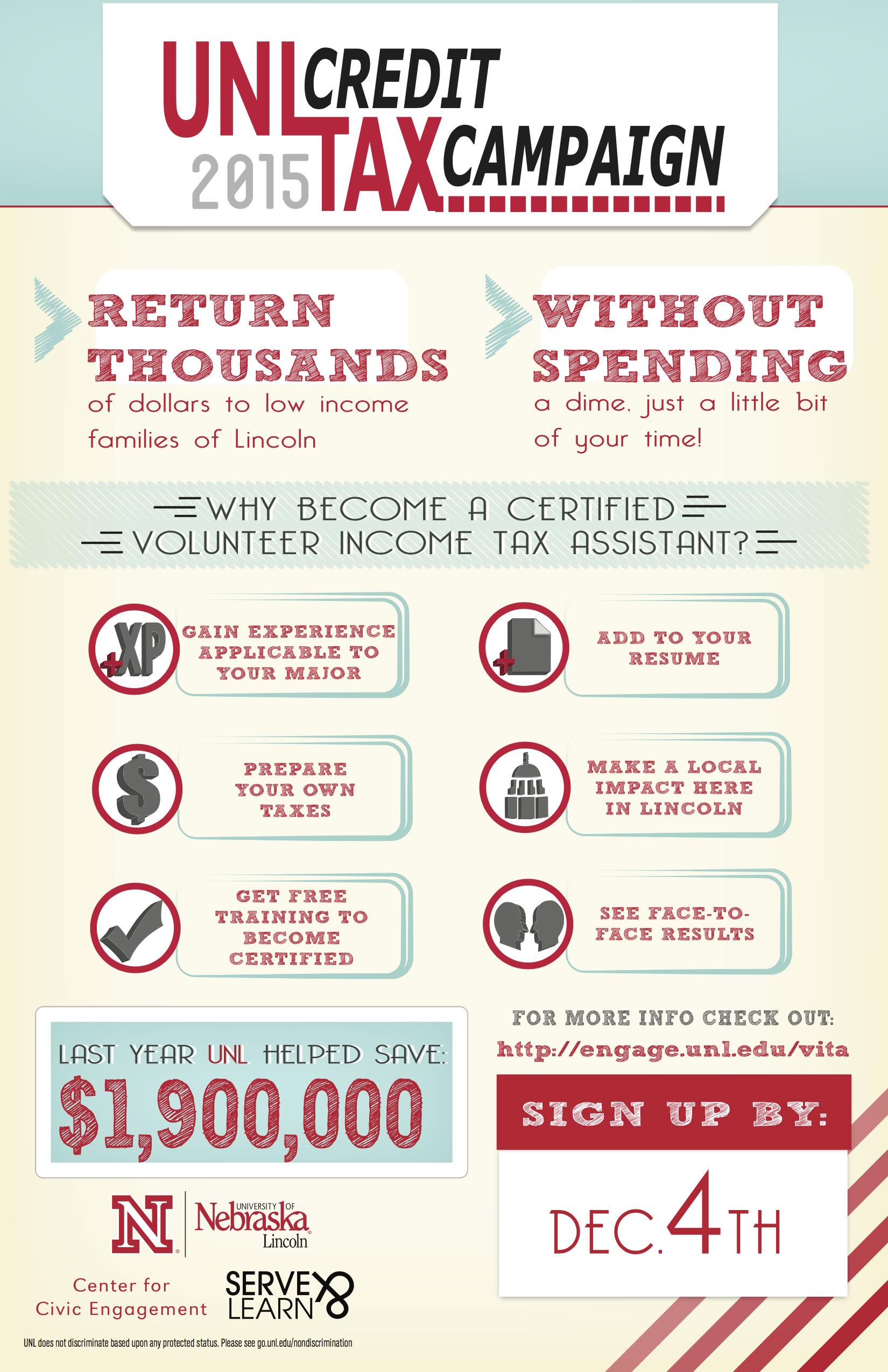
- Volunteer Income Tax Assistance (VITA) or Tax Counseling for the Elderly (TCE) Programs: These IRS-sponsored programs offer free tax help to underserved communities. Volunteers gain invaluable experience preparing various types of returns under supervision, and it’s an excellent way to give back while honing your skills.
- Working for Established Tax Preparation Franchises: Companies like H&R Block or Jackson Hewitt frequently hire seasonal preparers, offering structured training and direct client interaction. This is often a great entry point for new preparers.
Essential Skills for Success
Beyond technical tax knowledge, certain soft skills are paramount for a successful career in tax preparation:
- Attention to Detail: Tax preparation is unforgiving of errors. Meticulousness is non-negotiable.
- Analytical Thinking: The ability to interpret complex tax codes and apply them to specific financial situations is critical.
- Communication Skills: Explaining complex tax concepts to clients in an understandable way, as well as active listening to gather necessary information, is crucial.
- Client Service: Building rapport, being responsive, and maintaining professionalism fosters client loyalty and referrals.
- Ethical Conduct: Upholding the highest ethical standards is fundamental to maintaining trust and professional integrity.
- Software Proficiency: Familiarity with various tax preparation software (e.g., UltraTax, CCH Axcess Tax, Lacerte, ProSeries, Drake) is essential.
Setting Up Your Own Tax Preparation Business
For entrepreneurs drawn to the “online income” or “side hustle” potential, establishing your own tax preparation business is a compelling option. This taps directly into the “Business Finance” aspect of the Money niche.
- Business Registration and Legal Structure: Decide on your business entity (sole proprietorship, LLC, S-Corp), register with relevant state and local authorities, and obtain necessary licenses.
- Software Selection: Invest in reliable, professional tax preparation software. Consider cloud-based solutions for flexibility, especially if you plan to offer remote services. This is where “Financial Tools” become central.
- Marketing and Client Acquisition: Develop a marketing plan. This could include a professional website, social media presence, local networking, direct mail, and leveraging referrals. Highlight your certifications and areas of specialization.
- Pricing Strategies: Determine your fee structure. This could be hourly, per form, or a flat fee per return, considering your experience, the complexity of the returns, and local market rates.
- Office Space (Virtual or Physical): Decide if you’ll operate from a home office (potentially virtual-first), a co-working space, or a traditional office.
Maintaining Certification and Professional Growth
The world of tax is not static; it evolves continuously with new legislation, IRS guidance, and economic shifts. Therefore, continuous learning and adherence to professional development are non-negotiable for any certified tax preparer.
Continuing Professional Education (CPE) Requirements
All major tax certifications and programs mandate ongoing continuing professional education (CPE) to ensure preparers remain current with tax law changes.
- Enrolled Agents (EAs): Must complete 72 hours of CPE every three years, with a minimum of 16 hours per year, including 2 hours of ethics.
- CPAs: Requirements vary by state, but typically involve 40 hours of CPE per year, with specific ethics requirements.
- AFSP Participants: Must complete 18 hours of CPE annually, as mentioned previously.
Meeting these requirements is crucial for maintaining your credential and your ability to practice.
Staying Current with Tax Laws
Beyond formal CPE, proactive engagement with tax law updates is vital:
- IRS Publications and Guidance: Regularly review IRS notices, revenue rulings, and publications.
- Professional Organizations: Join organizations like the National Association of Enrolled Agents (NAEA) or state CPA societies. They offer invaluable resources, webinars, and conferences.
- Tax News and Journals: Subscribe to reputable tax news services and journals.
- Networking: Engage with other tax professionals to share insights and discuss complex tax issues.
Leveraging Professional Networks
Connecting with peers and mentors is incredibly beneficial.
- Industry Associations: These organizations provide advocacy, networking opportunities, and educational resources.
- Online Forums and Communities: Participate in professional online groups to discuss challenges, seek advice, and stay informed.
- Mentorship: Finding an experienced tax professional to guide you can accelerate your learning and provide practical insights.
Conclusion
Becoming a certified tax preparer is a journey that demands dedication, continuous learning, and a commitment to ethical practice, but it offers a profoundly rewarding career in the financial sector. Whether you aspire to be an Enrolled Agent, a CPA, or an AFSP participant, each path opens doors to serving clients, managing complex financial scenarios, and building a sustainable income stream. From understanding the nuances of tax law to mastering the latest financial tools and software, the role of a tax preparer is dynamic and critical. By strategically pursuing certification, gaining practical experience, and embracing ongoing professional development, you can establish a thriving practice that not only contributes to your personal financial goals but also provides invaluable service to individuals and businesses navigating the intricate world of taxation. The demand for skilled tax professionals is unwavering, making this an insightful and engaging financial career choice for the modern economy.
aViewFromTheCave is a participant in the Amazon Services LLC Associates Program, an affiliate advertising program designed to provide a means for sites to earn advertising fees by advertising and linking to Amazon.com. Amazon, the Amazon logo, AmazonSupply, and the AmazonSupply logo are trademarks of Amazon.com, Inc. or its affiliates. As an Amazon Associate we earn affiliate commissions from qualifying purchases.