
Securing funding is often the critical juncture for small businesses looking to launch, expand, or simply weather challenging periods. A small business loan can be the fuel that propels an innovative idea into a thriving enterprise, helps an established company scale operations, or provides essential working capital to manage cash flow fluctuations. However, navigating the landscape of small business finance can feel daunting, with myriad loan types, eligibility criteria, and application processes. This comprehensive guide aims to demystify the journey, offering a clear, step-by-step approach to help entrepreneurs confidently apply for the funding they need. From understanding your financial requirements to preparing a compelling application, we’ll equip you with the insights necessary to increase your chances of approval and secure the capital your business deserves.
Understanding Your Funding Needs and Eligibility
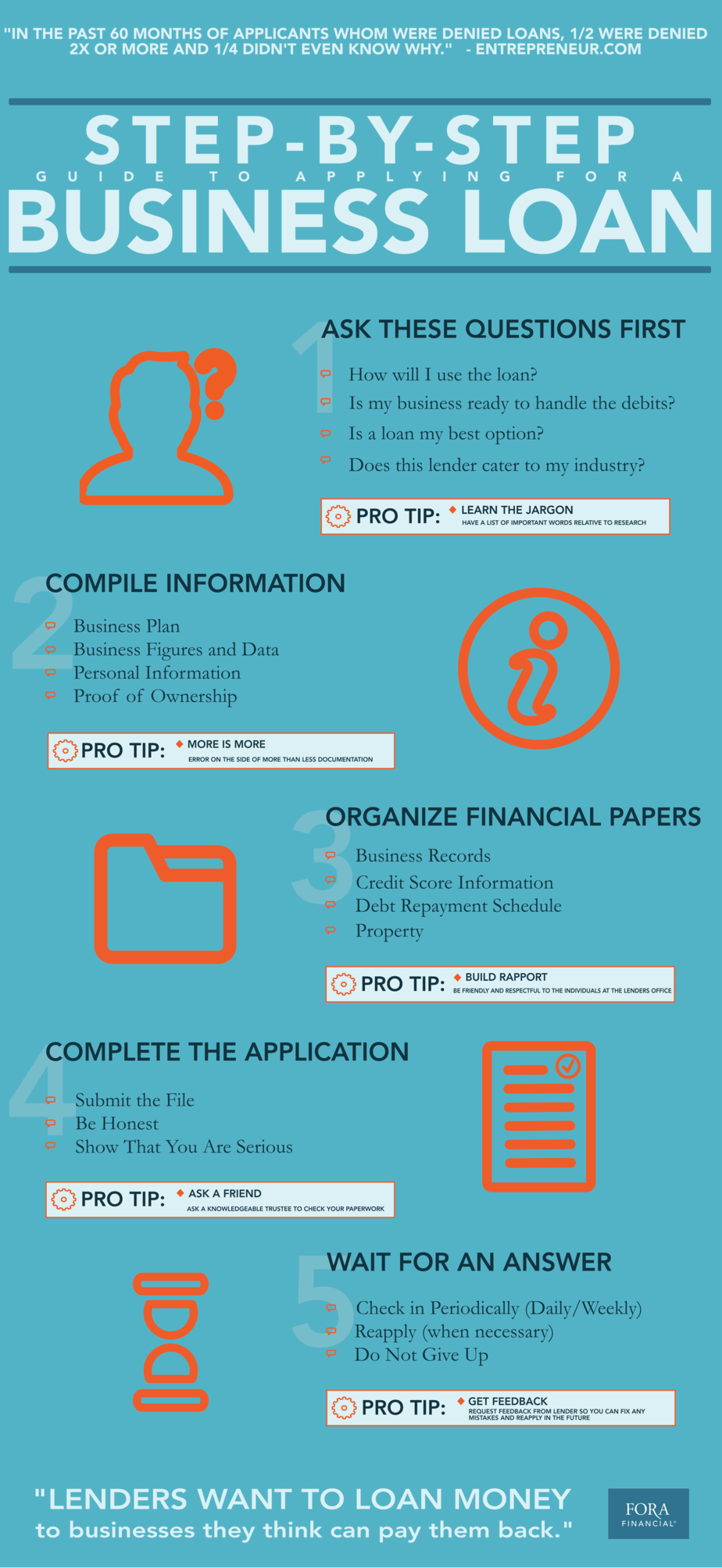
Before even considering specific lenders or loan products, the foundational step for any small business owner is to thoroughly understand their own financial situation and the precise purpose of the loan. This introspection forms the bedrock of a successful application.
Assess Your Financial Requirements
The first question to answer is: how much money do you actually need, and what exactly will it be used for? Lenders want to see a clear, justifiable breakdown of your requested funds.
- Working Capital: Is the loan intended to cover day-to-day operational expenses like payroll, rent, inventory, or utilities during slow periods or growth phases?
- Equipment Purchase: Do you need to buy new machinery, vehicles, technology, or office equipment to improve efficiency or expand capacity?
- Expansion or Renovation: Are you planning to open a new location, remodel an existing space, or invest in leasehold improvements?
- Inventory or Supply Chain: Perhaps you need to purchase a large order of inventory to meet seasonal demand or secure better bulk pricing.
- Debt Refinancing: Sometimes, a new loan can consolidate existing high-interest debts, improving cash flow and reducing overall interest costs.
Clearly defining the loan’s purpose and meticulously calculating the exact amount needed demonstrates financial acumen and reduces perceived risk for lenders. Asking for too much without justification, or too little to truly solve the problem, can be a red flag.
Evaluate Your Business’s Financial Health
Lenders assess risk, and your business’s financial health is their primary indicator. They will delve deep into your past performance and current standing.
- Credit Score (Personal and Business): Your personal credit score (FICO) is often a critical factor, especially for newer businesses or sole proprietorships, as it reflects your individual financial responsibility. Establishing a separate business credit score (e.g., Dun & Bradstreet PAYDEX) is crucial as your business matures. Lenders look for scores typically above 680, although some alternative lenders may accept lower.
- Revenue and Profitability: Lenders want to see consistent revenue generation and, ideally, profitability. They’ll analyze your gross sales, net profit, and trends over time. Steady growth is always a positive sign.
- Cash Flow: This is paramount. Can your business generate enough cash to comfortably cover the loan repayments, in addition to all other operating expenses? Lenders will scrutinize your cash flow statements to ensure ample liquidity.
- Debt-to-Equity Ratio: This metric indicates how much debt your business uses to finance its assets compared to the value of shareholders’ equity. A high ratio can signal over-reliance on debt.
- Time in Business: Many traditional lenders prefer businesses that have been operational for at least two years, demonstrating stability and a track record. Newer businesses may need to explore alternative funding sources or microloans.
Know Your Eligibility Criteria
Every loan product and lender has specific eligibility requirements. Familiarize yourself with these before applying to avoid wasted effort. Common criteria include:
- Industry: Certain industries (e.g., gambling, adult entertainment) may be deemed high-risk and excluded by some lenders.
- Revenue Minimums: Some lenders require a minimum annual revenue to qualify.
- Collateral: Many traditional loans, especially larger ones, require collateral (assets like real estate, equipment, or accounts receivable) to secure the loan.
- Personal Guarantees: Owners are often required to personally guarantee a business loan, meaning they are personally liable if the business defaults.
Exploring Different Types of Small Business Loans
The small business lending landscape is diverse, offering various options tailored to different needs and business profiles. Understanding these can help you identify the best fit.
Traditional Bank Loans
Commercial banks are often the first port of call for established businesses with strong financials. They typically offer competitive interest rates and longer repayment terms.
- Pros: Lower interest rates, longer repayment periods, established relationships can be beneficial.
- Cons: Stricter eligibility requirements, lengthy application processes, often require collateral and excellent credit.
- Typical Requirements: Strong credit history (personal and business), significant time in business (2+ years), proven revenue and profitability, detailed business plan, comprehensive financial statements.
SBA Loans (Small Business Administration)
The U.S. Small Business Administration (SBA) doesn’t lend money directly but guarantees a percentage of loans made by approved lenders (banks, credit unions, online lenders). This guarantee reduces the risk for lenders, making it easier for small businesses to qualify.
- Types:
- SBA 7(a) Loan: The most common and flexible loan program, suitable for working capital, equipment purchases, real estate, and more. Loan amounts can go up to $5 million.
- SBA 504 Loan: Designed for fixed asset purchases like real estate or heavy equipment, promoting business growth and job creation. Involves three parties: the business, a traditional lender, and a Certified Development Company (CDC).
- SBA Microloan: Smaller loans (up to $50,000) for startups and small businesses, often accompanied by business counseling.
- Benefits: Lower down payments, longer repayment terms, competitive interest rates, often available to businesses that might not qualify for conventional bank loans.
- Application Process: While SBA loans offer great terms, the application process can be rigorous and take time, as you are essentially applying to a bank that works with the SBA.
Online Lenders
Over the past decade, online lenders have emerged as a popular alternative, offering speed and flexibility, especially for newer businesses or those with less-than-perfect credit.
- Pros: Faster application and approval times (sometimes within days), less stringent credit requirements, more flexible for startups.
- Cons: Often higher interest rates, shorter repayment terms, may include daily or weekly payments, potentially higher fees.
- Considerations: Read the fine print carefully. Annual Percentage Rates (APRs) can vary wildly.
Alternative Funding Options
Beyond traditional term loans, several other financing products cater to specific business needs:
- Business Lines of Credit: Flexible access to funds up to a certain limit, allowing businesses to draw and repay as needed, ideal for managing cash flow gaps or unexpected expenses.
- Equipment Financing: Loans specifically for purchasing equipment, where the equipment itself serves as collateral.
- Invoice Financing (Factoring): Selling your unpaid invoices to a third party at a discount to get immediate cash. Useful for businesses with long payment cycles.
- Merchant Cash Advances (MCAs): A lump sum provided in exchange for a percentage of future credit card sales. Very fast access to funds but typically has very high effective APRs.
Preparing Your Loan Application: The Essential Documents
Regardless of the lender or loan type, thorough preparation of your documents is paramount. A well-organized, complete application signals professionalism and boosts your credibility.
Business Plan
A robust business plan is more than just a formality; it’s your company’s blueprint. It should articulate:
- Executive Summary: An overview of your business, mission, and the loan request.
- Company Description: What your business does, its legal structure, and history.
- Market Analysis: Your target market, industry trends, and competitive landscape.
- Organization & Management: Key personnel, their roles, and experience.
- Service or Product Line: Detailed description of what you offer.
- Marketing & Sales Strategy: How you plan to reach customers and generate revenue.
- Financial Projections: Crucial for lenders, including detailed forecasts for revenue, expenses, profit & loss, and cash flow for the next 3-5 years. Explain your assumptions.
- Funding Request: The exact amount requested and a detailed explanation of how the funds will be used and repaid.
Financial Statements
Lenders need a clear picture of your past financial performance. Prepare these accurately and comprehensively, ideally for the past three years.
- Profit & Loss Statement (Income Statement): Shows your revenues, costs, and profits over a period.
- Balance Sheet: A snapshot of your assets, liabilities, and equity at a specific point in time.
- Cash Flow Statement: Details how cash is generated and used by your business, differentiating between operating, investing, and financing activities.
Bank Statements
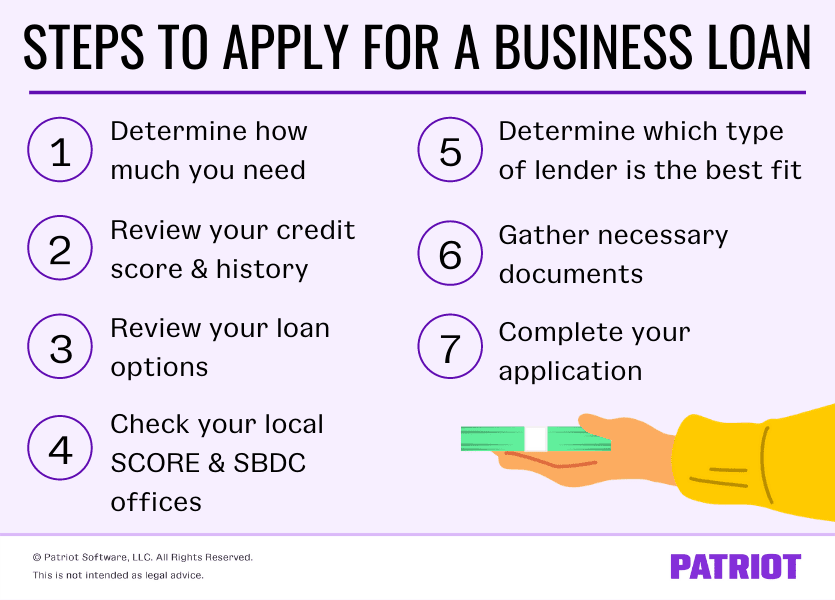
Provide recent bank statements for both your business and personal accounts (typically the last 6-12 months). These demonstrate actual cash flow, spending habits, and account balances.
Tax Returns
Submit complete business and personal tax returns for the past 2-3 years. These are verified records of your income and expenses.
Legal Documents
Gather all relevant legal documentation for your business:
- Business Licenses and Permits: Proof of legal operation.
- Articles of Incorporation or Organization: Establishes your business’s legal structure.
- EIN (Employer Identification Number): Your federal tax ID.
- Business Leases or Deeds: If you own or lease property.
- Franchise Agreements: If applicable.
Personal Financial Statement & Credit Report
For most small business loans, especially those with personal guarantees, lenders will require:
- Personal Financial Statement: A summary of your personal assets (cash, investments, real estate) and liabilities (mortgage, credit card debt, other loans).
- Personal Credit Report: Your FICO score and detailed credit history from all three major bureaus (Experian, Equifax, TransUnion).
Collateral Documentation (if applicable)
If the loan is secured by collateral, you’ll need documentation proving ownership and valuation, such as property deeds, equipment appraisals, or vehicle titles.
Navigating the Application Process and Beyond
Once your documents are in order, the application process shifts to active engagement with lenders.
Research and Compare Lenders
Don’t jump at the first offer. Shop around and compare:
- Interest Rates: Both fixed and variable.
- Fees: Origination fees, closing costs, annual fees, late payment fees.
- Repayment Terms: Loan duration, payment frequency (monthly, weekly, daily).
- Lender Reputation: Read reviews, check their responsiveness, and customer service.
- Eligibility Requirements: Ensure you meet their minimum criteria before applying.
Prepare a Strong Loan Pitch
If you have the opportunity for a direct conversation with a loan officer, be ready to articulate your business’s value proposition, how the loan will be used to generate returns, and your clear repayment strategy. Demonstrate confidence, knowledge, and a commitment to your business’s success.
Be Diligent and Responsive
The application process often involves back-and-forth communication. Respond promptly to any requests for additional information or clarification. Delays on your part can slow down or even derail the process.
Understand Loan Agreements
Before signing any documents, meticulously read and understand the entire loan agreement. Pay close attention to:
- Interest Calculation: How interest is accrued.
- Covenants: Any conditions or restrictions imposed by the lender (e.g., maintaining certain financial ratios, not taking on additional debt).
- Default Terms: What happens if you cannot make payments.
- Prepayment Penalties: Fees for paying off the loan early.
If anything is unclear, seek advice from a financial advisor or attorney.
Strategies for Increasing Your Chances of Approval
While a strong application is essential, several proactive steps can significantly boost your appeal to lenders.
Improve Your Credit Score
Both personal and business credit scores are vital. Prioritize paying bills on time, keeping credit utilization low, and correcting any errors on your credit reports. For personal credit, aim for 680+, for business credit, focus on building a positive payment history with vendors.
Reduce Debt
A high debt-to-income ratio (for personal credit) or high debt-to-equity ratio (for business) signals increased risk. Pay down existing debts where possible to demonstrate prudent financial management and free up cash flow for new loan repayments.
Maintain Accurate Records
Consistent, well-organized financial records throughout the year make the application process much smoother and demonstrate a commitment to sound financial practices. Utilize accounting software to keep everything tidy and up-to-date.
Seek Professional Advice
Don’t hesitate to consult with an accountant, financial advisor, or a Small Business Development Center (SBDC) counselor. They can help you prepare financial statements, refine your business plan, identify suitable loan options, and navigate the application process. Their expertise can be invaluable.
Start Small and Build History
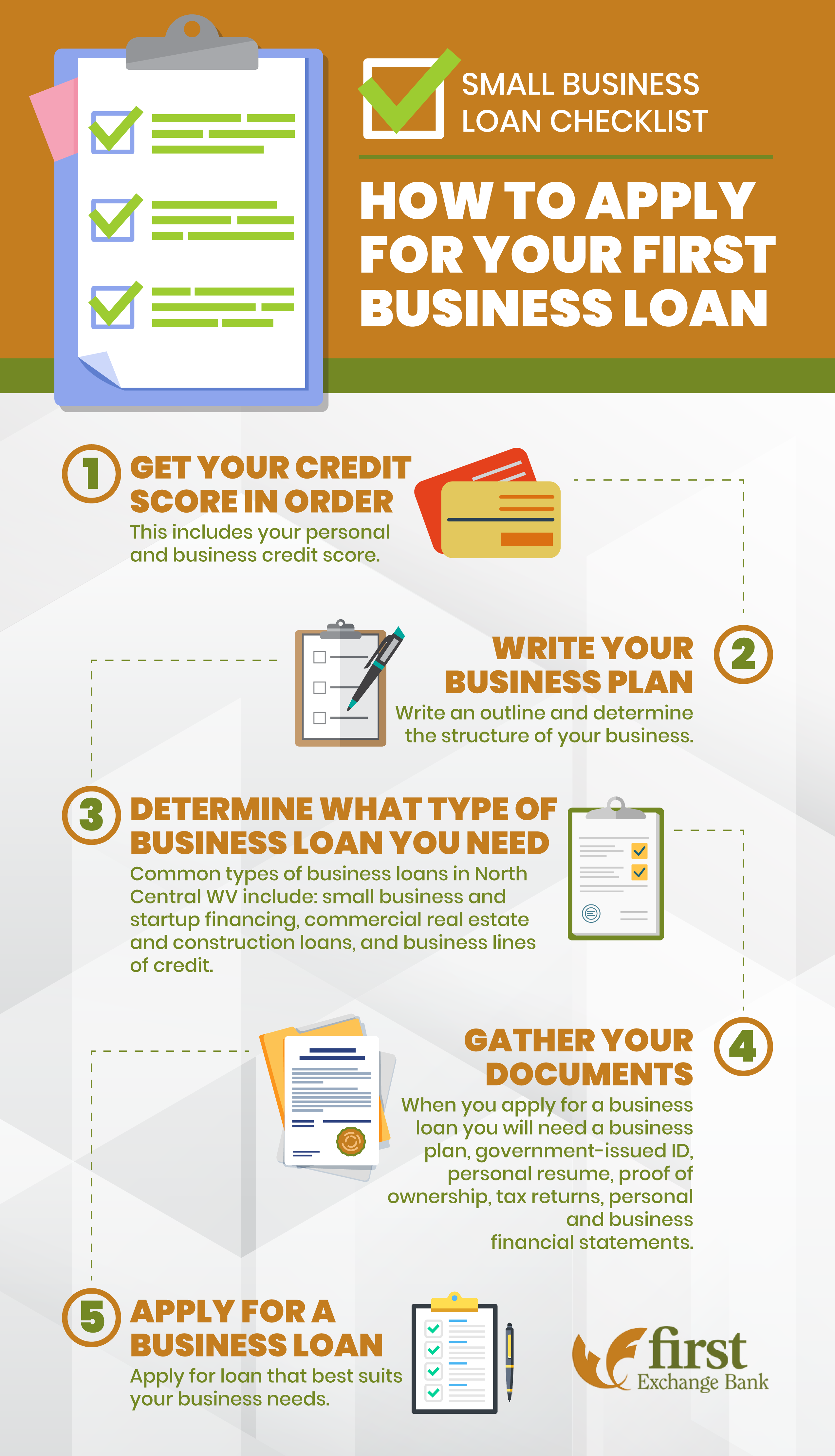
If you’re a new business or have a limited financial history, consider starting with smaller loans, such as microloans or a secured business credit card. Successfully managing and repaying these can establish a positive credit history, making it easier to qualify for larger loans in the future.
Applying for a small business loan is a strategic endeavor that requires meticulous preparation, a clear understanding of your financial position, and an informed approach to the lending market. By thoroughly assessing your needs, preparing comprehensive documentation, comparing suitable loan products, and proactively managing your financial health, you significantly enhance your chances of securing the capital vital for your business’s success and growth. Remember, funding is not just about getting money; it’s about investing wisely in your future.
aViewFromTheCave is a participant in the Amazon Services LLC Associates Program, an affiliate advertising program designed to provide a means for sites to earn advertising fees by advertising and linking to Amazon.com. Amazon, the Amazon logo, AmazonSupply, and the AmazonSupply logo are trademarks of Amazon.com, Inc. or its affiliates. As an Amazon Associate we earn affiliate commissions from qualifying purchases.