
The transition from renting to owning a home is one of the most significant financial milestones in an individual’s life. It is not merely a lifestyle choice; it is a complex financial maneuver that involves long-term debt management, asset accumulation, and strategic planning. For many, the question “how do I apply for a home loan?” is met with a mixture of excitement and trepidation. The mortgage process is notoriously rigorous, requiring a deep dive into your personal finances, credit history, and future income potential.
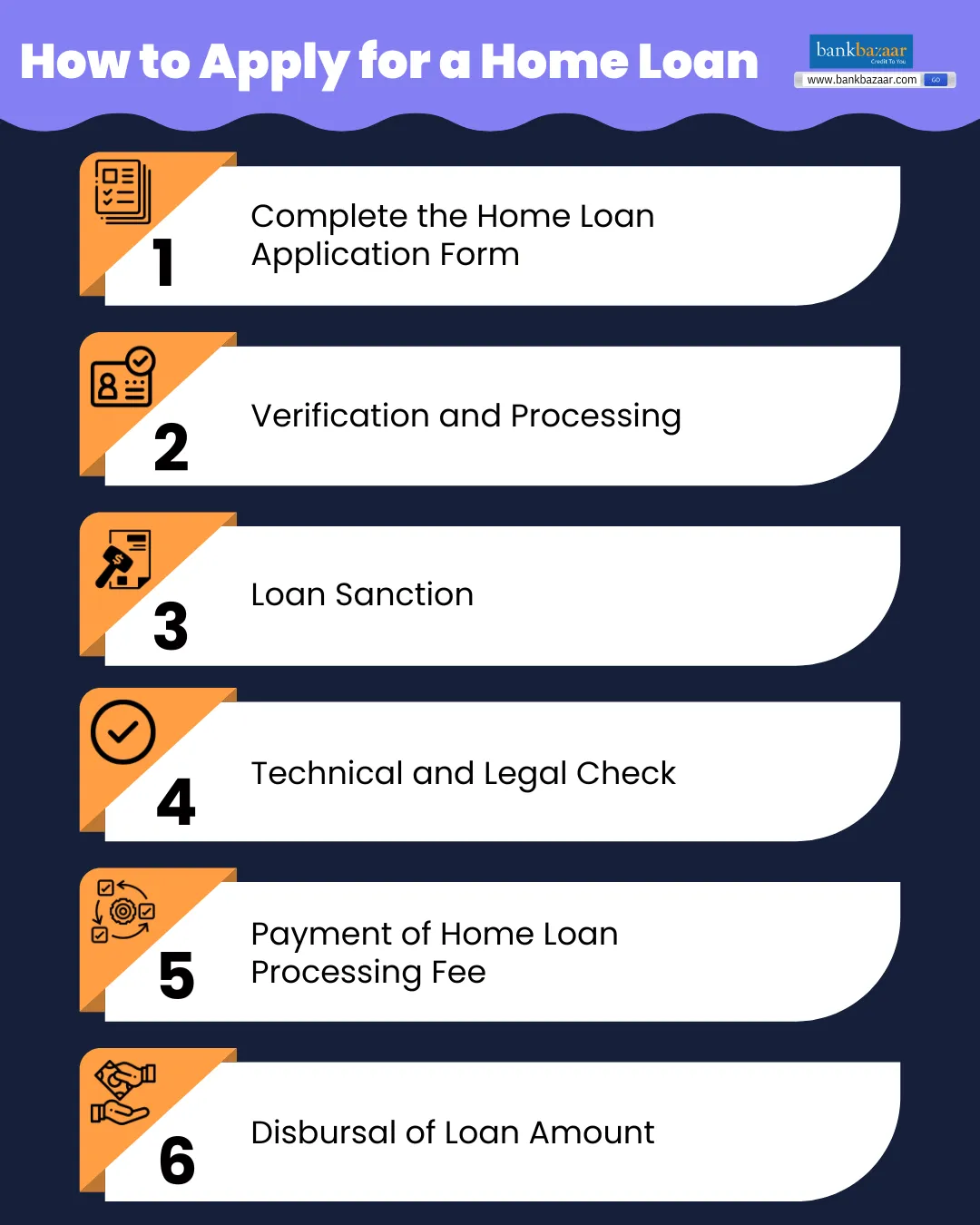
However, when approached with the right knowledge and preparation, securing a home loan becomes a structured, manageable process. This guide provides a detailed roadmap for navigating the mortgage landscape, ensuring that you are financially prepared to secure the best possible terms for your future home.
Preparing Your Financial Foundation Before the Application
Before you even step foot into a bank or contact a mortgage broker, you must ensure your financial house is in order. A home loan is a risk assessment performed by a lender; therefore, your primary goal is to present yourself as a low-risk borrower.
Assessing Your Credit Health
Your credit score is the single most important factor in determining your mortgage interest rate and loan eligibility. Lenders use this three-digit number to gauge your reliability in repaying debt. Ideally, you should aim for a score of 740 or higher to secure the most competitive rates, though many programs accept scores as low as 580 or 620.
Months before applying, pull your credit reports from the three major bureaus—Equifax, Experian, and TransUnion. Look for errors, such as incorrectly reported late payments or accounts that do not belong to you, and dispute them immediately. Additionally, avoid opening new lines of credit or making large purchases on credit cards in the months leading up to your application, as these actions can temporarily dip your score.
Determining Your Budget and Down Payment
While a lender may tell you how much you can borrow, only you can determine how much you should borrow. Use the 28/36 rule: your mortgage payment should not exceed 28% of your gross monthly income, and your total debt payments should not exceed 36%.
Equally important is your down payment. While the traditional 20% down payment is the gold standard—allowing you to avoid Private Mortgage Insurance (PMI) and start with significant equity—many modern loan programs allow for as little as 3% or 3.5% down. However, keep in mind that a smaller down payment usually results in a higher monthly payment and additional insurance costs.
Gathering Essential Documentation
The “paperwork” phase of a home loan application is exhaustive. Lenders require proof of every claim you make regarding your finances. To streamline the process, organize the following documents in advance:
- Income Verification: Your two most recent W-2 forms and at least 30 days’ worth of pay stubs.
- Tax Returns: Federal tax returns for the last two years, especially if you are self-employed or have commission-based income.
- Asset Statements: Two months of statements for checking, savings, and investment accounts.
- Identification: A government-issued photo ID and Social Security number.
Understanding Different Types of Mortgages
Not all home loans are created equal. The financial market offers various products designed to meet different borrower needs. Choosing the right one can save you tens of thousands of dollars over the life of the loan.
Conventional vs. Government-Backed Loans
Conventional loans are the most common and are backed by private lenders rather than the government. They typically require higher credit scores and may have more stringent requirements.
In contrast, government-backed loans are designed to make homeownership more accessible.
- FHA Loans: Insured by the Federal Housing Administration, these are popular with first-time buyers due to lower credit score requirements and a low down payment (3.5%).
- VA Loans: Available to veterans and active-duty service members, these often require no down payment and have no PMI.
- USDA Loans: Designed for rural and suburban homebuyers with low-to-moderate incomes, often offering 0% down payment options.
Fixed-Rate vs. Adjustable-Rate Mortgages (ARMs)
A fixed-rate mortgage offers stability; your interest rate remains the same for the entire duration of the loan (usually 15 or 30 years). This protects you from rising interest rates and makes long-term budgeting easier.
An Adjustable-Rate Mortgage (ARM) typically starts with a lower interest rate for an initial period (e.g., 5, 7, or 10 years). After that period, the rate adjusts periodically based on market indices. ARMs can be beneficial if you plan to sell the home or refinance before the initial period ends, but they carry the risk of significantly higher payments in the future.
The Step-by-Step Application Process
Once your finances are ready and you understand your loan options, it is time to engage with the lending market. This process moves from general inquiry to a binding financial commitment.
Getting Pre-Approved
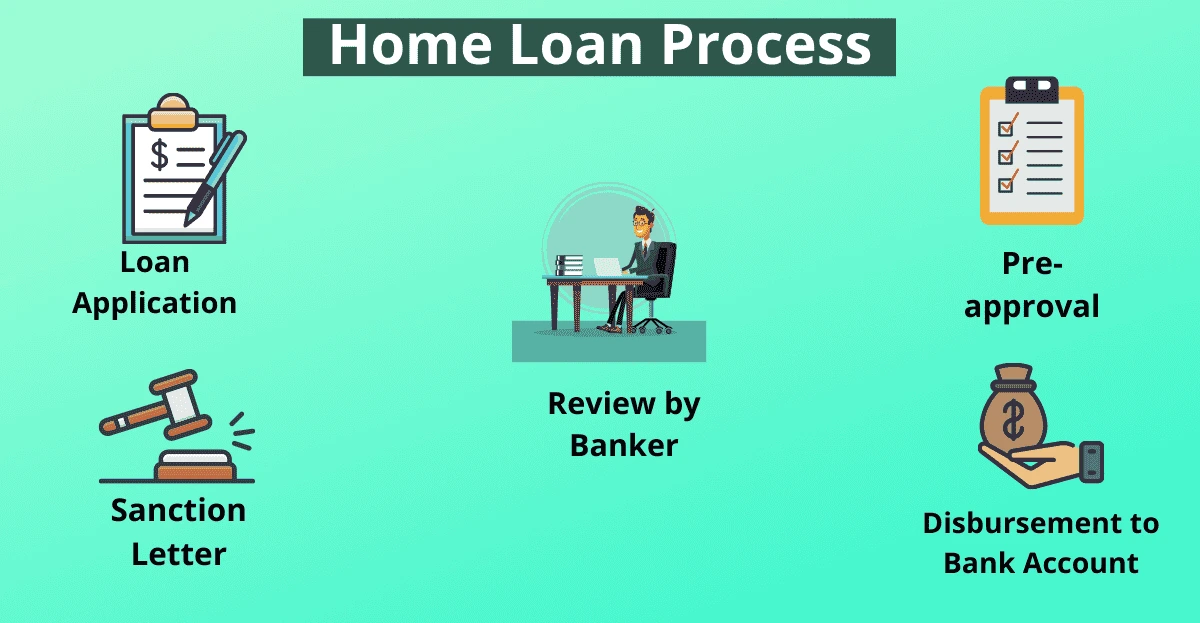
A pre-approval is a letter from a lender stating exactly how much they are willing to lend you based on a preliminary review of your credit and finances. This is different from a “pre-qualification,” which is a non-verified estimate. In a competitive real estate market, a pre-approval letter is essential; sellers will rarely consider an offer that isn’t accompanied by one. It shows you are a serious, vetted buyer.
Finding the Right Lender
Do not simply accept the first offer you receive. Even a 0.25% difference in an interest rate can equate to thousands of dollars over time. Shop around and compare offers from:
- Commercial Banks: Familiar institutions where you may already have an account.
- Credit Unions: Member-owned institutions that often offer lower rates and personalized service.
- Mortgage Brokers: Professionals who can compare loans from multiple lenders to find the best fit for your profile.
- Online Lenders: Often provide a streamlined, tech-forward experience with competitive pricing.
Submitting the Formal Application and Underwriting
After you have a signed purchase agreement on a home, you submit a formal application for a specific property. This triggers the “underwriting” phase. The underwriter is the lender’s gatekeeper; they verify every detail of your financial life and the property itself. During this time, they may ask for “letters of explanation” regarding certain bank transfers or employment gaps. It is vital to respond to these requests immediately to prevent delays.
Navigating the Closing Process and Final Approval
The final stage of the home loan application involves verifying the value of the asset and finalizing the legal transfer of funds.
The Home Appraisal and Inspection
The lender will require a professional appraisal to ensure the home is worth the amount you are borrowing. If the appraisal comes in low, you may need to cover the “appraisal gap” in cash or renegotiate the price with the seller. While not always required by the lender, a home inspection is also crucial for your own protection to identify structural or mechanical issues before you finalize the debt.
Reviewing the Closing Disclosure
At least three business days before you sign the final paperwork, the lender must provide a Closing Disclosure (CD). This document outlines the final terms of the loan, including the interest rate, monthly payment, and “cash to close” (the total amount you need to bring for the down payment and closing costs). Compare this carefully to your original Loan Estimate to ensure there are no unexpected fees.
Signing the Final Paperwork
The final step is the closing meeting, where you sign the promissory note, the deed of trust, and numerous other legal documents. Once the lender wires the funds to the seller and the deed is recorded with the county, the loan is officially active.
Applying for a home loan is a marathon, not a sprint. It requires meticulous financial discipline, a deep understanding of market products, and the patience to navigate a complex regulatory environment. By building a strong credit profile, choosing the right loan type, and working with reputable lenders, you can transform the dream of homeownership into a sustainable financial reality. Remember that the effort you put into the application process today sets the foundation for your financial security for decades to come.
aViewFromTheCave is a participant in the Amazon Services LLC Associates Program, an affiliate advertising program designed to provide a means for sites to earn advertising fees by advertising and linking to Amazon.com. Amazon, the Amazon logo, AmazonSupply, and the AmazonSupply logo are trademarks of Amazon.com, Inc. or its affiliates. As an Amazon Associate we earn affiliate commissions from qualifying purchases.