
In the modern financial landscape, the days of walking into a local bank branch and filling out stacks of paper forms to request a line of credit are largely over. The digital revolution has streamlined the credit card application process, making it possible to move from initial research to a final decision in a matter of minutes. However, the convenience of the online application hides a complex mechanism of algorithms, credit scoring models, and regulatory requirements. Understanding how to navigate this process effectively is essential for securing the best terms and ensuring your long-term financial health.
Preparing for the Digital Application Process
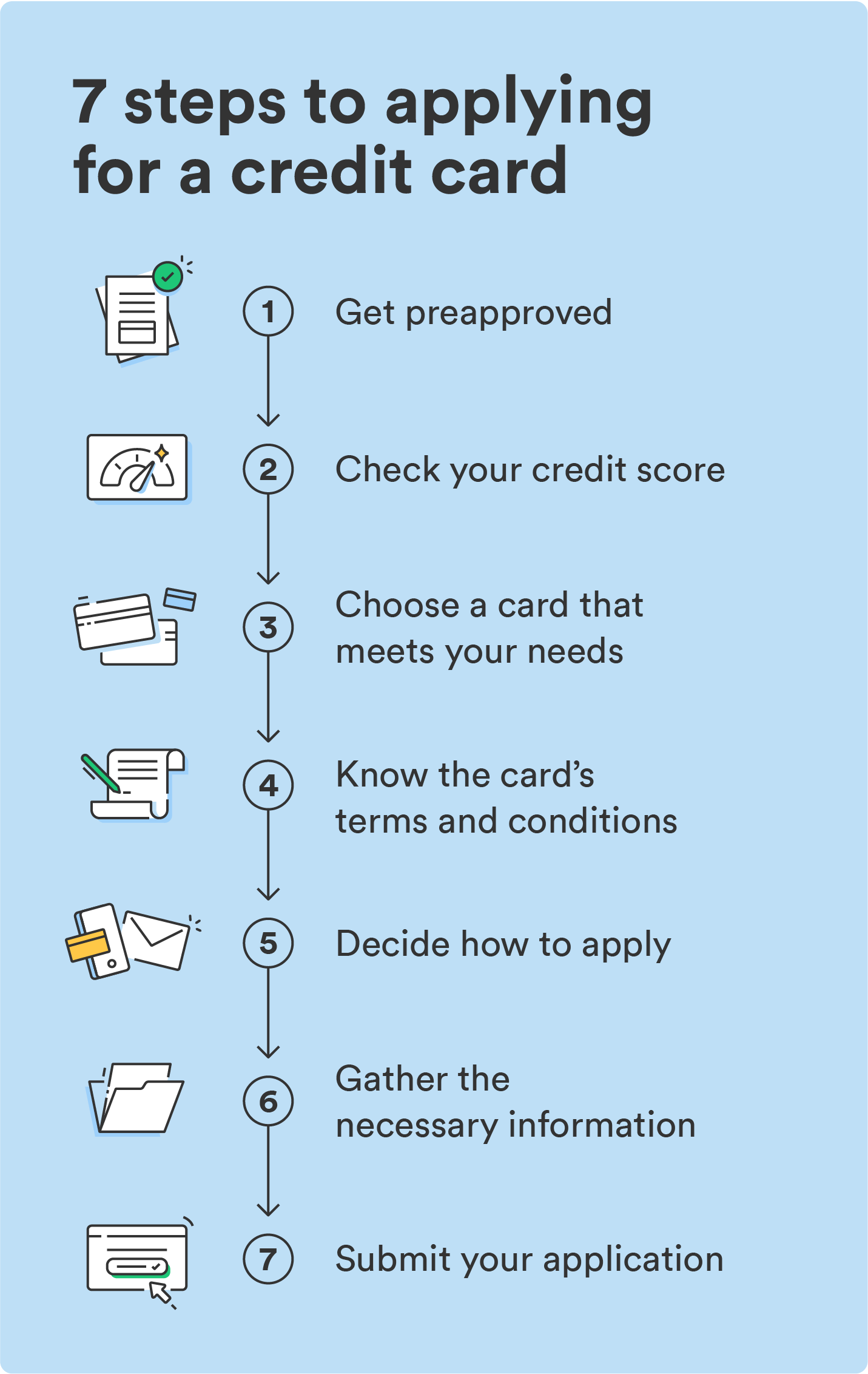
Before you navigate to a lender’s website, the most critical work happens in the preparation phase. An online application is essentially a data-entry point for a lender’s automated underwriting system. To ensure that the system views your profile favorably, you must first understand the metrics it uses to judge your creditworthiness.
Understanding Your Credit Profile
Your credit score is the single most important factor in a credit card application. Most major lenders use the FICO score model, which ranges from 300 to 850. Knowing where you stand—whether you fall into the “Fair,” “Good,” or “Excellent” category—will dictate which cards you should apply for. Applying for a high-tier travel rewards card with a “Fair” credit score is a common mistake that leads to unnecessary hard inquiries and automatic denials. You can check your score through various free services or your existing bank’s dashboard.
Beyond the score, you should review your full credit report from the three major bureaus: Equifax, Experian, and TransUnion. Look for inaccuracies such as late payments you didn’t make or accounts you didn’t open. In the digital age, a single clerical error on your report can trigger an automated rejection.
Gathering Financial Documentation
While online applications are fast, they require specific data points that you should have ready to avoid time-outs on the application page. You will need:
-
Personal Identification: Your Social Security Number (SSN) or Individual Taxpayer Identification Number (ITIN).
-
Income Verification: Lenders require your total annual gross income. This isn’t just your base salary; it can include bonuses, dividends, child support (if you choose to disclose it), and even shared household income if you are over 21 and have a reasonable expectation of access to it.
-
Housing Costs: Most applications ask for your monthly rent or mortgage payment. This is used to calculate your debt-to-income (DTI) ratio.
-
Employment Information: The name of your current employer and their contact information.
Choosing the Right Credit Card for Your Financial Goals
The variety of credit cards available online can be overwhelming. To apply effectively, you must narrow your focus to the product that aligns with your spending habits and financial objectives.
Categorizing Card Types
The first step in selection is identifying the “niche” of the card.
-
Cash Back Cards: Ideal for those who want a straightforward return on their spending. These cards usually offer 1% to 6% back on specific categories like groceries, gas, or dining.
-
Travel Rewards Cards: Designed for frequent flyers or hotel guests. These cards earn points or miles that can be transferred to airline partners, often providing a higher “value per point” than cash back if used strategically.
-
Balance Transfer Cards: These are strategic tools for debt management. They typically offer a 0% introductory APR for 12 to 21 months, allowing you to move existing high-interest debt to the new card to pay it off faster.
-
Secured Cards: If you are building credit for the first time or recovering from financial hardship, secured cards require a refundable deposit that serves as your credit limit. They are a vital stepping stone in the financial ecosystem.
Decoding the Schumer Box
Every online credit card application or landing page is required by law to provide a “Schumer Box.” This is a standardized table that breaks down the card’s costs. Before hitting “Apply,” you must scrutinize this table for:
-
Annual Percentage Rate (APR): The interest rate you will pay if you carry a balance.
-
Annual Fee: Some premium cards charge $95 to $695 per year. Ensure the benefits outweigh this cost.
-
Transaction Fees: Look for foreign transaction fees if you plan to use the card abroad.
-
Penalty Fees: Understand the cost of a late payment, which can also trigger a “Penalty APR,” significantly raising your interest rate.
Navigating the Online Application Step-by-Step
Once you have selected a card and gathered your data, the actual application process is a structured digital journey. Following these steps carefully ensures that you do not provide conflicting information that could flag your application for manual review.

Utilizing Pre-Qualification Tools
Many major issuers offer a “pre-qualify” or “check for offers” tool. This is a highly recommended first step. These tools use a “soft pull” on your credit report, which does not impact your credit score. It allows the lender to tell you which cards you are likely to be approved for before you commit to a “hard pull” application. While pre-qualification is not a guaranteed approval, it significantly reduces the risk of a wasted application.
Filling Out the Form
When you begin the formal application, the website will prompt you for your personal details. Accuracy is paramount. Ensure your name matches your legal ID exactly. For income, be honest but inclusive of all legal sources. Lenders use sophisticated models to estimate if the income you reported matches your profession and geographic location. If there is a massive discrepancy, the system may pause the application and ask for tax returns or pay stubs.
The Consent and Submission Phase
Before the final click, you will be asked to agree to the “Terms and Conditions.” While most people skip these, in the context of personal finance, this is where you confirm you understand the legal contract you are entering. When you click “Submit,” the lender’s system initiates a hard inquiry on your credit report. This may cause a temporary dip of 5 to 10 points in your credit score, which is a normal part of the process.
Maximizing Approval Odds and Handling Decisions
The moment after you submit an online application usually results in one of three outcomes: instant approval, instant denial, or a “pending” status. Understanding how to react to each is a key component of financial literacy.
Managing a Pending Status
If you receive a message saying your application is “under review” or that you will receive a decision by mail in 7–10 days, do not panic. This often means the system found a minor inconsistency—perhaps a recent change of address or a typo in your SSN—and requires a human loan officer to verify the details. In many cases, you can call the issuer’s “reconsideration line.” Speaking with a representative allows you to clarify information and often leads to an approval on the spot.
What to Do After a Denial
If your application is declined, the lender is legally required under the Equal Credit Opportunity Act (ECOA) to provide an “Adverse Action Notice.” This document will explain exactly why you were turned down (e.g., “too many recent inquiries” or “insufficient income”). Use this as a roadmap for your next financial moves. Do not immediately apply for another card, as multiple hard inquiries in a short period can further damage your credit score. Instead, wait 3 to 6 months while addressing the specific issues mentioned in the notice.
The Impact of Hard Inquiries
Every time you apply for credit online, a hard inquiry is recorded. To maintain a healthy financial profile, it is generally recommended to space out credit applications by at least six months. This demonstrates to lenders that you are not “credit hungry” or experiencing a sudden financial crisis, both of which are red flags in the automated underwriting world.
Security and Post-Approval Best Practices
In an era of increasing digital fraud, applying for a credit card online requires a commitment to digital security. Once approved, the management of your new digital account is just as important as the application itself.
Ensuring a Secure Connection
Never apply for a credit card over public Wi-Fi, such as at a coffee shop or airport. Use a secure, private connection or a reputable VPN. Ensure the URL begins with “https://” and shows a padlock icon, indicating that your sensitive data—including your SSN—is encrypted during transmission. Furthermore, be wary of “phishing” emails that offer “guaranteed credit cards”; always navigate directly to the official website of the bank or issuer.
Initial Account Setup
Upon approval, you will likely receive a digital version of your card or a temporary credit line before the physical card arrives in the mail. Take this time to download the issuer’s mobile app and set up your online portal. Enable two-factor authentication (2FA) immediately.
One of the most effective strategies for long-term financial health is setting up “Auto-Pay.” Even if you only set it to pay the minimum balance, this ensures you never miss a payment, which is the most significant factor in maintaining a high credit score. Additionally, set up “Large Purchase Alerts” and “Card Not Present” notifications to monitor for any unauthorized transactions in real-time.
Integrating the Card into Your Financial Strategy
Applying for the card is only the beginning. To truly benefit from the tool, you must manage your credit utilization—the ratio of your balance to your total limit. Keeping this under 30% is standard advice, but under 10% is ideal for those seeking to maximize their credit score. By understanding the mechanics of the online application and the responsibilities that follow, you turn a simple digital form into a powerful engine for building wealth and financial flexibility.
aViewFromTheCave is a participant in the Amazon Services LLC Associates Program, an affiliate advertising program designed to provide a means for sites to earn advertising fees by advertising and linking to Amazon.com. Amazon, the Amazon logo, AmazonSupply, and the AmazonSupply logo are trademarks of Amazon.com, Inc. or its affiliates. As an Amazon Associate we earn affiliate commissions from qualifying purchases.