
Securing a Capital One credit card can be a strategic move for managing personal finances, whether you’re aiming to build credit, earn rewards, or consolidate debt. Capital One offers a diverse portfolio of credit cards designed to cater to various financial profiles and spending habits, from those with excellent credit seeking premium rewards to individuals looking to establish or rebuild their credit history. Understanding the application process and the factors that influence approval is crucial for a successful outcome and for making an informed financial decision.
Understanding Capital One Credit Cards and Pre-qualification
Before diving into an application, it’s wise to understand the landscape of Capital One’s offerings and leverage their pre-qualification tool. This initial step can significantly streamline your journey and prevent unnecessary impacts on your credit score.

Why Capital One?
Capital One has established itself as a prominent issuer in the credit card market, known for its wide range of products that appeal to a broad consumer base. Their cards often feature competitive rewards programs, including cashback, travel miles, and sign-up bonuses, making them attractive for everyday spending. Beyond rewards, Capital One is also a leading choice for credit-building cards, such as secured and student options, which provide accessible pathways for those with limited or fair credit to establish a positive financial standing. Their robust mobile app, customer service, and digital tools further enhance the user experience, offering convenient ways to manage accounts, track spending, and monitor credit health. For many, Capital One represents a reliable partner in personal finance, offering tools and products that support a variety of financial goals.
The Pre-qualification Advantage
One of the most valuable initial steps when considering a Capital One credit card is utilizing their pre-qualification tool. This online feature allows you to see which Capital One credit cards you’re likely to be approved for without undergoing a hard credit inquiry. A hard inquiry, typically performed during a formal application, can temporarily lower your credit score by a few points and remains on your credit report for up to two years. In contrast, pre-qualification involves a “soft pull” of your credit report, which does not affect your credit score.
To pre-qualify, you typically provide basic personal information such as your name, address, date of birth, income, and Social Security Number (SSN) or Individual Taxpayer Identification Number (ITIN). Capital One then uses this information to assess your creditworthiness against their card criteria. Within moments, you’ll receive a list of cards for which you have a high probability of approval. This process not only saves your credit score from potential harm but also guides you toward cards that genuinely match your financial profile, making the subsequent formal application more likely to succeed. While pre-qualification doesn’t guarantee approval, it significantly improves your odds by narrowing down your options to those cards for which you meet the initial eligibility requirements.
Selecting the Ideal Capital One Card for Your Financial Goals
Choosing the right credit card is a pivotal personal finance decision, directly impacting your ability to save, earn rewards, or build credit effectively. Capital One offers a spectrum of cards, each designed with specific user needs in mind.
Matching Cards to Your Credit Profile
Your credit profile is the primary determinant of which Capital One cards are available to you. Capital One, like most lenders, categorizes applicants based on their credit scores and history:
- Excellent Credit (FICO Score 740-850): Individuals in this tier generally have a long history of on-time payments, low credit utilization, and a diverse credit mix. For them, Capital One offers premium rewards cards such as the Capital One Venture X Rewards Credit Card or Capital One SavorOne Cash Rewards Credit Card, which provide robust travel benefits, high cashback rates, and lucrative sign-up bonuses. These cards often come with higher credit limits and exclusive perks.
- Good Credit (FICO Score 670-739): This category includes consumers with a solid credit history, perhaps a few minor blemishes or a shorter credit history than those with excellent credit. Cards like the Capital One Quicksilver Cash Rewards Credit Card or Capital One Venture Rewards Credit Card are often suitable here, offering competitive cashback or travel miles with reasonable annual fees, if any.
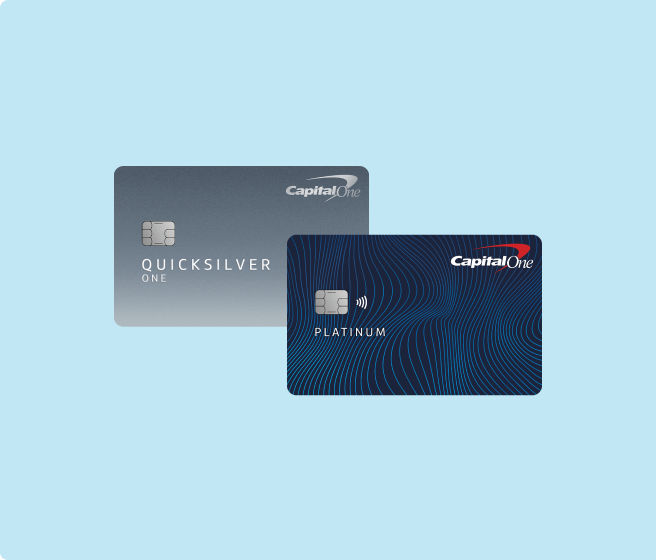
- Fair Credit (FICO Score 580-669): Applicants with fair credit might have some past payment issues or a limited credit history. Capital One provides options like the Platinum Secured Credit Card or the QuicksilverOne Cash Rewards Credit Card. Secured cards require a security deposit that acts as your credit limit, making them a safe option for the issuer while providing an opportunity for the cardholder to build a positive payment history. The QuicksilverOne, while unsecured, might come with an annual fee but offers a pathway to an improved credit score.
- Limited or No Credit History (FICO Score below 580 or no score): For students or those new to credit, options like the Capital One SavorOne Student Cash Rewards Credit Card or the Capital One Platinum Secured Credit Card are tailored to help establish credit responsibly. These cards often have lower credit limits and may require a security deposit, but they are invaluable tools for starting your credit journey.
Understanding your current credit standing through free credit reports or credit monitoring services is the first step in aligning your profile with the appropriate card.
Exploring Card Types and Benefits
Beyond credit scores, the specific features and benefits of a card should align with your spending habits and financial objectives:
- Cashback Cards: Ideal for those who prefer straightforward rewards on everyday purchases. Cards like the SavorOne and Quicksilver offer unlimited cashback on various categories, helping you save money on groceries, dining, entertainment, and more.
- Travel Rewards Cards: Designed for frequent travelers, these cards, such as the Venture X or Venture, earn miles on every purchase that can be redeemed for flights, hotels, or other travel-related expenses. They often come with travel perks like airport lounge access, travel credits, and trip insurance.
- Balance Transfer Cards: If you’re looking to consolidate high-interest debt, Capital One occasionally offers cards with introductory 0% APR periods on balance transfers. This allows you to pay down your principal without accruing additional interest for a set time, a powerful tool for debt management.
- Student Cards: Tailored for college students, these cards help establish credit while offering manageable limits and sometimes rewards on common student spending categories. They are an excellent starting point for young adults entering the financial world.
- Secured Cards: As mentioned, secured cards like the Platinum Secured are perfect for building or rebuilding credit. The security deposit mitigates risk for the issuer, making approval more accessible, while consistent on-time payments report positively to credit bureaus, improving your score over time.
By carefully evaluating your credit profile, spending patterns, and financial aspirations, you can pinpoint the Capital One card that best serves your needs and contributes positively to your overall financial strategy.
The Step-by-Step Capital One Application Process
Once you’ve identified the Capital One credit card that aligns with your financial profile and goals, the application process itself is straightforward, primarily conducted online. Preparing the necessary information beforehand will ensure a smooth and efficient submission.
Essential Information to Gather
Before you begin the online application, ensure you have the following personal and financial details readily available:
- Personal Identification: Your full legal name, date of birth, and current residential address. Capital One requires this to verify your identity.
- Contact Information: A valid phone number and email address for communication regarding your application and account.
- Social Security Number (SSN) or Individual Taxpayer Identification Number (ITIN): This is a critical piece of information for credit bureaus to identify you and for Capital One to conduct a credit check.
- Employment and Income Details: Information about your current employer (if applicable), your occupation, and your total gross annual income. This includes income from all sources, such as salaries, wages, tips, commissions, investments, and government benefits. Capital One uses this to assess your ability to repay debt.
- Housing Information: Your current housing status (rent, own, other) and monthly housing payment. This contributes to calculating your debt-to-income ratio.
- Bank Account Information (Optional): While not always required for initial application, having your bank account details can be useful for setting up automatic payments if approved.
Having these details on hand will prevent interruptions during the application and help ensure accuracy.
Navigating the Online Application
The Capital One credit card application is typically completed online through their secure website. The process generally involves several steps:
- Select Your Card: Navigate to the Capital One website and locate the specific credit card you wish to apply for. If you used the pre-qualification tool, you might be directed straight to the application for the recommended cards.
- Start Application: Click the “Apply Now” or “Get Started” button associated with your chosen card.
- Fill Out Personal Details: The form will prompt you to enter the personal identification and contact information you gathered. Double-check for typos or inaccuracies.
- Provide Financial Information: Accurately input your employment status, occupation, total annual income, and monthly housing payment. Be honest and thorough, as this information is crucial for the approval decision.
- Review Terms and Conditions: Before submitting, meticulously read the card’s terms and conditions, including the Annual Percentage Rate (APR) for purchases, balance transfers, and cash advances, any annual fees, late payment fees, and the rewards program details. Understanding these terms is vital for responsible credit card use.
- Consent to Credit Check: You will be asked to consent to Capital One performing a hard inquiry on your credit report. This is the point at which your credit score may be temporarily affected.
Submitting Your Application and Awaiting a Decision
After reviewing all the information and agreeing to the terms, you will submit your application. What happens next can vary:

- Instant Decision: Many applicants receive an immediate approval or denial message on screen. If approved, you’ll often see your initial credit limit.
- Application Under Review: In some cases, Capital One may need more time to review your application. This could be due to needing to verify information, a complex credit profile, or if the application requires manual assessment. You might receive a message indicating that a decision will be sent via email or postal mail within a specified number of business days, typically 7-10.
- Request for More Information: Occasionally, Capital One might request additional documentation or information to complete their review. Respond promptly to these requests to avoid delays.
If approved, your new Capital One credit card will typically arrive in the mail within 7-10 business days. Upon receiving it, you’ll need to activate the card, usually through the Capital One website, mobile app, or by phone, before you can start making purchases.
Key Factors Influencing Approval and Maximizing Your Chances
Successfully applying for a Capital One credit card involves more than just filling out a form; it hinges on a comprehensive assessment of your financial health. Understanding the core factors that influence approval and proactively addressing them can significantly improve your application’s outcome.
The Role of Your Credit Score and History
Your credit score is a numerical representation of your creditworthiness and is arguably the most significant factor in a credit card application. Lenders use scores like FICO and VantageScore to gauge the risk associated with lending you money. A higher score indicates a lower risk. Capital One, like other issuers, has specific score ranges for different cards:
- Payment History: This is the most critical component of your credit score, accounting for about 35% of a FICO score. Consistent on-time payments across all your credit accounts (loans, previous credit cards) demonstrate reliability. Missed or late payments are red flags that can severely damage your score.
- Credit Utilization Ratio: This measures how much of your available credit you’re using. Keeping this ratio below 30% (e.g., if you have a $10,000 credit limit, keep your balance below $3,000) is generally recommended. A lower utilization ratio indicates you’re not over-reliant on credit and can manage debt responsibly.
- Length of Credit History: The longer your credit accounts have been open and in good standing, the better. A longer history provides more data points for lenders to assess your payment behavior over time.
- Credit Mix and New Credit: Having a mix of different types of credit (e.g., a mortgage, an auto loan, and a credit card) can positively impact your score. However, applying for too much new credit in a short period can be detrimental, as each application typically results in a hard inquiry that can temporarily lower your score.
Regularly checking your credit report from the three major bureaus (Equifax, Experian, TransUnion) for inaccuracies and understanding your current score is essential before applying.
Income, Debt, and Financial Stability
Beyond your credit score, Capital One also assesses your financial capacity to handle new debt. This involves looking at your income and existing debt obligations:
- Gross Annual Income: Lenders want to ensure you have sufficient income to cover your expenses and comfortably make credit card payments. A higher, stable income can support a larger credit limit or approval for premium cards.
- Debt-to-Income (DTI) Ratio: This ratio compares your total monthly debt payments to your gross monthly income. A low DTI indicates you have more disposable income available to take on new debt. Lenders generally prefer a DTI below 36%, with some going as high as 43%. A high DTI can signal financial strain and reduce your chances of approval.
- Employment Stability: A steady job history indicates a reliable source of income, which lenders view favorably.
Providing accurate and verifiable information regarding your income and employment is crucial during the application process.
Strategic Tips for a Successful Application
To maximize your chances of approval for a Capital One credit card, consider these strategic steps:
- Improve Your Credit Health: If your credit score is not in the desired range for your target card, dedicate time to improving it. Focus on paying all bills on time, reducing existing credit card balances, and avoiding new credit applications for a few months.
- Utilize Pre-qualification: As discussed, this tool is invaluable for identifying cards for which you’re likely to be approved without impacting your credit score.
- Accuracy is Paramount: Double-check all information on your application for accuracy. Inconsistent or incorrect data can lead to delays or outright denial.
- Don’t Apply for Too Many Cards Simultaneously: Multiple hard inquiries in a short period can signal financial distress to lenders and negatively impact your credit score. Space out your applications.
- Understand Card Terms: Fully comprehending the card’s APR, fees, and rewards structure before applying ensures it’s the right financial tool for you and prevents surprises later.
- Consider a Secured Card as a Stepping Stone: If your credit is fair or limited, a Capital One secured card can be an excellent way to build credit history responsibly and potentially upgrade to an unsecured card down the line.
By meticulously preparing and understanding these influencing factors, you significantly enhance your prospects for a successful Capital One credit card application, setting a solid foundation for your personal financial management.
Responsible Credit Card Management Post-Approval
Obtaining a Capital One credit card is an exciting step, but it marks the beginning, not the end, of your credit journey. Responsible management is key to leveraging its benefits, building a strong credit profile, and avoiding potential financial pitfalls.
Activating Your Card and Understanding Your Account
Once your new Capital One credit card arrives in the mail, the first step is to activate it. This is typically a quick process that can be done online through your Capital One account, via their mobile app, or by calling the activation number provided with your card. Activation confirms receipt and secures your account.
After activation, take time to familiarize yourself with your card’s online portal or mobile app. These platforms offer a wealth of information and tools:
- Credit Limit: Understand your total available credit to help manage your utilization ratio.
- Statement Closing Date and Due Date: Mark these dates on your calendar. Paying your statement balance in full before the due date is critical for avoiding interest charges and demonstrating responsible financial behavior.
- Rewards Program Details: If your card offers rewards (cashback, miles), understand how they are earned, how to redeem them, and any expiration policies.
- Security Features: Learn about features like fraud alerts, virtual card numbers, and the ability to lock your card from the app if it’s misplaced.
Setting up email or text alerts for payment due dates and unusual activity can also provide an extra layer of financial security and organization.
Leveraging Capital One’s Features for Financial Growth
Capital One provides several tools and features designed to help cardholders manage their finances effectively and maximize their card’s value:
- CreditWise: Capital One’s free credit monitoring tool, CreditWise, allows you to access your VantageScore 3.0, monitor your TransUnion credit report for changes, and receive alerts. This insight can help you understand your credit health and identify potential issues.
- Mobile App Functionality: The Capital One mobile app offers robust features, including viewing transactions, paying bills, checking balances, setting up automatic payments, and even managing disputes. Its intuitive interface makes managing your account on the go simple and efficient.
- Rewards Redemption: Whether you have a cashback or travel rewards card, understanding the most efficient ways to redeem your earnings can significantly boost your financial growth. For instance, some travel cards offer better value when redeeming through Capital One’s travel portal or by transferring points to partner airlines.
- Credit Line Increases: After a period of responsible use (typically 6-12 months), you may be eligible for a credit line increase. A higher credit limit, if managed responsibly (i.e., not increasing spending to match), can lower your credit utilization ratio, which positively impacts your credit score.
Best Practices for Ongoing Credit Health
Maintaining a strong credit score and healthy financial standing requires consistent effort and discipline:
- Pay Your Bills on Time, Every Time: This is the golden rule of credit. Late payments are a major detriment to your credit score. Set up automatic payments or reminders to ensure you never miss a due date.
- Keep Your Credit Utilization Low: Aim to keep your total credit card balances below 30% of your total available credit. For optimal scores, below 10% is even better. Paying your statement balance in full each month achieves this naturally.
- Monitor Your Credit Report: Regularly check your credit report for errors or fraudulent activity. You can get free copies from AnnualCreditReport.com once a year from each of the three major credit bureaus.
- Avoid Closing Old Accounts: An older credit account with a good payment history contributes positively to your average age of accounts and overall credit history length, even if you no longer use it frequently.
- Budget and Spend Wisely: A credit card is a powerful financial tool, not an extension of your income. Use it strategically within your budget and only for purchases you can comfortably afford to pay off.
By adhering to these principles, you can transform your Capital One credit card into a valuable asset that supports your financial goals, builds a robust credit history, and provides significant benefits over the long term.
aViewFromTheCave is a participant in the Amazon Services LLC Associates Program, an affiliate advertising program designed to provide a means for sites to earn advertising fees by advertising and linking to Amazon.com. Amazon, the Amazon logo, AmazonSupply, and the AmazonSupply logo are trademarks of Amazon.com, Inc. or its affiliates. As an Amazon Associate we earn affiliate commissions from qualifying purchases.