
Securing a business loan can be the lifeblood of a growing enterprise, providing the capital needed to expand operations, purchase inventory, launch new products, or navigate unexpected financial challenges. For many entrepreneurs, the thought of applying for a business loan can seem daunting, a labyrinth of paperwork, financial jargon, and strict eligibility criteria. However, with a clear understanding of the process, a well-prepared application, and a strategic approach, securing the right funding can be a straightforward and empowering experience.
This comprehensive guide will demystify the business loan application process, breaking it down into manageable steps. We’ll explore everything from understanding your needs and assessing your eligibility to preparing the necessary documentation, navigating various loan types, and ultimately, increasing your chances of approval. By the end, you’ll be equipped with the knowledge and confidence to approach lenders effectively and secure the capital your business deserves.
Understanding Your Business Loan Needs and Eligibility
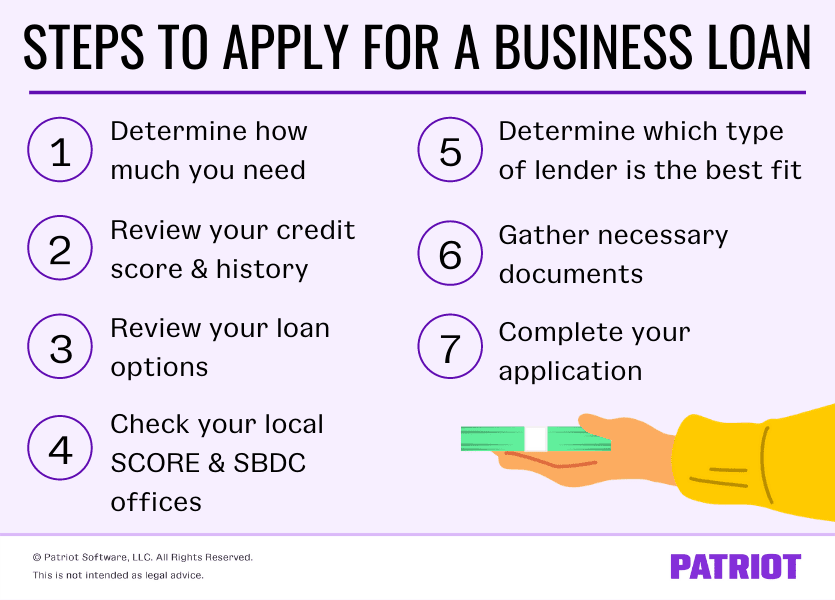
Before you even think about approaching a lender, it’s crucial to have a crystal-clear understanding of why you need a loan, how much you need, and whether your business is genuinely ready for external financing. This foundational step is not just about satisfying lender requirements; it’s about making sound financial decisions for your business’s future.
Defining Your Purpose and Amount
The first question any lender will ask is: “What do you need the money for?” Your answer must be specific and tied to a quantifiable financial need. Are you looking to buy new equipment, expand into a larger premises, hire more staff, fund a marketing campaign, or simply manage cash flow during a lean period? Each purpose might dictate a different type of loan and a different amount.
Equally important is determining the exact amount you need. Don’t guess. Create a detailed budget or financial projection that justifies the loan amount. Overestimating could lead to unnecessary debt, while underestimating might leave you short of funds, requiring another loan sooner than anticipated. For example, if you’re buying equipment, get quotes. If you’re expanding, get estimates for construction, permits, and additional operational costs. A well-defined purpose and precise amount demonstrate financial acumen and seriousness to potential lenders.
Assessing Your Business’s Financial Health
Lenders are primarily concerned with one thing: your ability to repay the loan. This ability is reflected in your business’s financial health and, often, your personal financial history. Key metrics they will scrutinize include:
- Credit Score (Personal and Business): Your personal credit score (FICO score) is often a critical factor for small businesses, especially startups, as it reflects your history of managing debt. Your business credit score (e.g., Dun & Bradstreet PAYDEX score) tracks your company’s payment history with suppliers and creditors. A strong score in both areas signifies reliability.
- Revenue and Profitability: Lenders want to see consistent revenue generation and, ideally, profitability. They will look at your profit and loss statements to understand your business’s income and expenses.
- Cash Flow: Positive cash flow indicates that your business generates more cash than it spends, which is essential for making loan payments. Lenders will review your cash flow statements meticulously.
- Debt-to-Income Ratio: This ratio compares your existing debt obligations to your income. A high ratio might signal that you’re overleveraged.
- Collateral: Many loans, especially traditional ones, require collateral – assets you pledge to secure the loan. This reduces the risk for the lender. Understanding what assets you can offer (real estate, equipment, inventory, accounts receivable) is vital.
Understanding Lender Requirements
Each lender, and indeed each loan product, will have specific eligibility criteria. These can vary significantly based on the type of loan, the amount, and the perceived risk. Common requirements often include:
- Time in Business: Many traditional lenders prefer businesses that have been operational for at least two to three years, demonstrating a track record of stability. Newer businesses might need to seek out alternative lenders or specific startup loans.
- Industry Specifics: Some industries are considered higher risk than others, which might affect loan availability or terms. Conversely, some lenders specialize in particular industries.
- Annual Revenue Thresholds: Lenders may have minimum annual revenue requirements to ensure the business can comfortably service the debt.
- Number of Employees: While less common, some loans or grants might be tied to job creation or the number of employees.
Thoroughly researching and understanding these requirements before applying can save you time and potential rejections.
Types of Business Loans: Finding the Right Fit
The business lending landscape is diverse, offering a wide array of options tailored to different business needs and profiles. Choosing the right type of loan is as crucial as meeting the eligibility criteria.
Traditional Bank Loans (Term Loans, Lines of Credit)
- Term Loans: These are perhaps the most straightforward. You receive a lump sum upfront and repay it with fixed monthly or quarterly payments over a set period (the “term”), usually with a fixed or variable interest rate. Term loans are often used for significant capital expenditures like equipment purchases, real estate, or long-term growth initiatives. They typically require strong credit, collateral, and a proven business track record.
- Lines of Credit: Unlike term loans, a line of credit provides access to a maximum amount of funds that you can draw upon as needed. You only pay interest on the amount you’ve borrowed. This is ideal for managing short-term cash flow gaps, purchasing inventory, or covering unexpected expenses. They offer flexibility but often come with variable interest rates and may require annual renewal.
Small Business Administration (SBA) Loans
The U.S. Small Business Administration (SBA) doesn’t lend money directly but guarantees a portion of loans made by traditional lenders. This guarantee reduces the risk for banks, making them more willing to lend to small businesses that might not qualify for conventional loans. SBA loans are known for their competitive interest rates, longer repayment terms, and lower down payments. Popular SBA programs include:
- SBA 7(a) Loan Program: The most common and flexible SBA program, suitable for a wide range of purposes, including working capital, equipment, real estate, and business acquisition.
- SBA 504 Loan Program: Designed for fixed asset purchases like real estate or heavy machinery, offering long-term, fixed-rate financing.
- SBA Microloan Program: Provides smaller loans (up to $50,000) for startups and small businesses, often accompanied by technical assistance.
While SBA loans offer excellent terms, they typically involve a more extensive application process and longer approval times compared to other options.
Alternative Lenders (Online Lenders, Merchant Cash Advances)
The rise of financial technology (FinTech) has brought forth a new wave of alternative lenders, primarily operating online. These lenders often have more flexible eligibility criteria, faster application processes, and quicker funding times, making them attractive to businesses that need capital quickly or don’t qualify for traditional bank loans.
- Online Lenders: These platforms offer a variety of loan products, often similar to bank term loans or lines of credit, but with streamlined digital applications. They might be more willing to lend to newer businesses or those with lower credit scores, though often at higher interest rates.
- Merchant Cash Advances (MCAs): Instead of a traditional loan, an MCA provides an upfront sum of cash in exchange for a percentage of your future debit and credit card sales. Repayment is often daily or weekly, directly from your sales. While extremely fast to obtain and requiring minimal documentation, MCAs are notoriously expensive, with high effective annual percentage rates (APRs), and should generally be considered a last resort.
Niche Funding Options
Beyond the broad categories, specialized funding options exist for specific needs:
- Equipment Financing: Loans specifically for purchasing new or used equipment. The equipment itself often serves as collateral, making these easier to secure than general business loans.
- Invoice Factoring/Financing: Selling your unpaid invoices (accounts receivable) to a third party (a factor) at a discount to get immediate cash. This is a good option for businesses with long payment cycles from customers.
- Crowdfunding: Raising small amounts of capital from a large number of individuals, often through online platforms. Can be donation-based, reward-based, equity-based, or debt-based.
- Venture Capital/Angel Investors: For high-growth startups, these investors provide significant capital in exchange for equity in the company. Not a “loan” in the traditional sense, but a form of business financing.
Preparing Your Loan Application: The Documentation Checklist
The success of your loan application hinges on thorough preparation and presenting a clear, compelling case to the lender. This means having all your ducks in a row when it comes to documentation. A disorganized application signals risk and lack of professionalism.
Business Plan
A well-crafted business plan is not just for startups; it’s a living document that outlines your company’s mission, market, management team, and, critically for lenders, its financial projections.
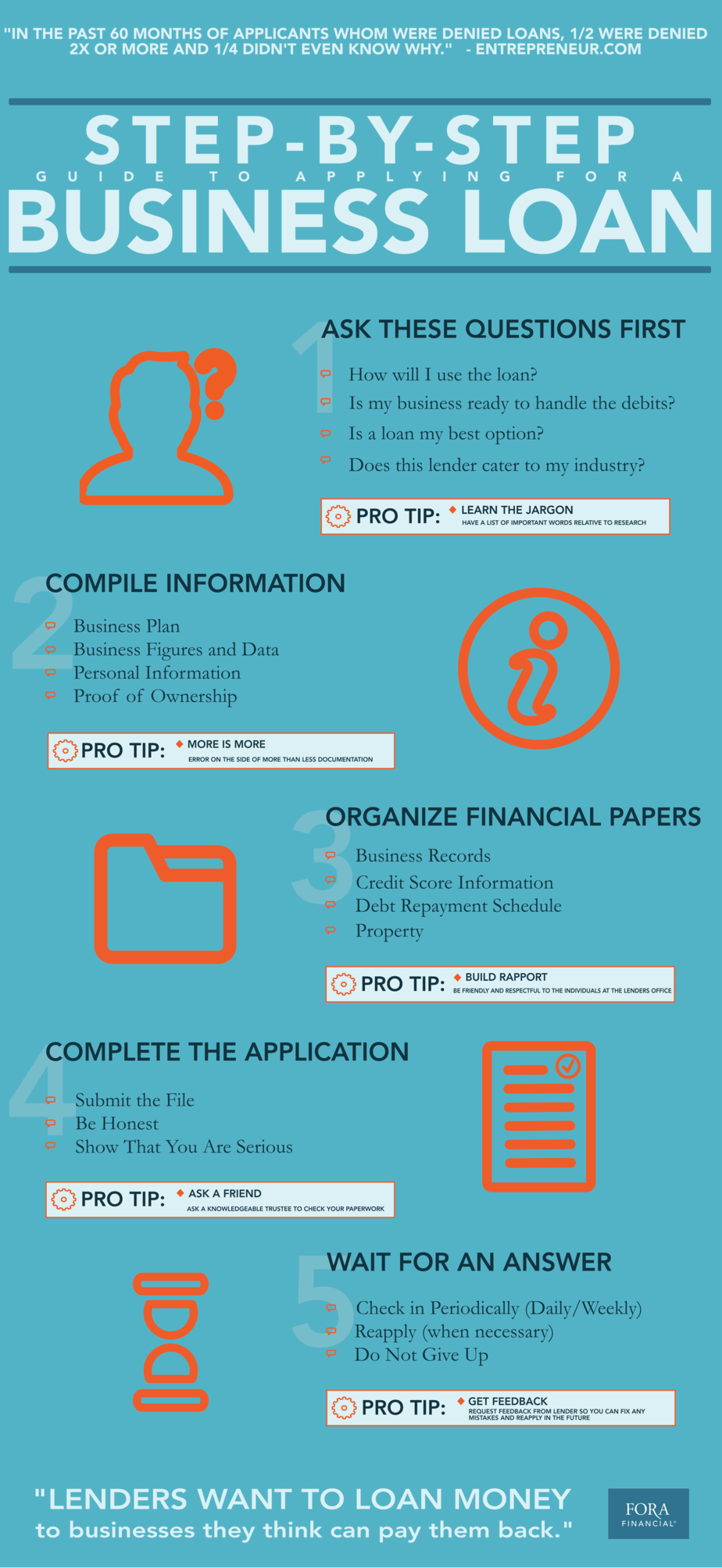
- Executive Summary: A concise overview of your entire plan, highlighting key aspects.
- Company Description: What your business does, its legal structure, and its history.
- Market Analysis: Demonstrate a clear understanding of your industry, target market, competition, and competitive advantages.
- Organization and Management: Information about your leadership team, their experience, and their roles.
- Service or Product Line: Detailed description of what you offer.
- Marketing and Sales Strategy: How you plan to reach customers and generate revenue.
- Financial Projections: This is paramount. Include projected income statements, balance sheets, and cash flow statements for at least the next 3-5 years, detailing how the loan funds will be used and how they will contribute to profitability and repayment.
Financial Statements
Lenders will pore over your historical financial performance to gauge stability and growth potential. Ensure these are accurate, up-to-date, and professionally prepared.
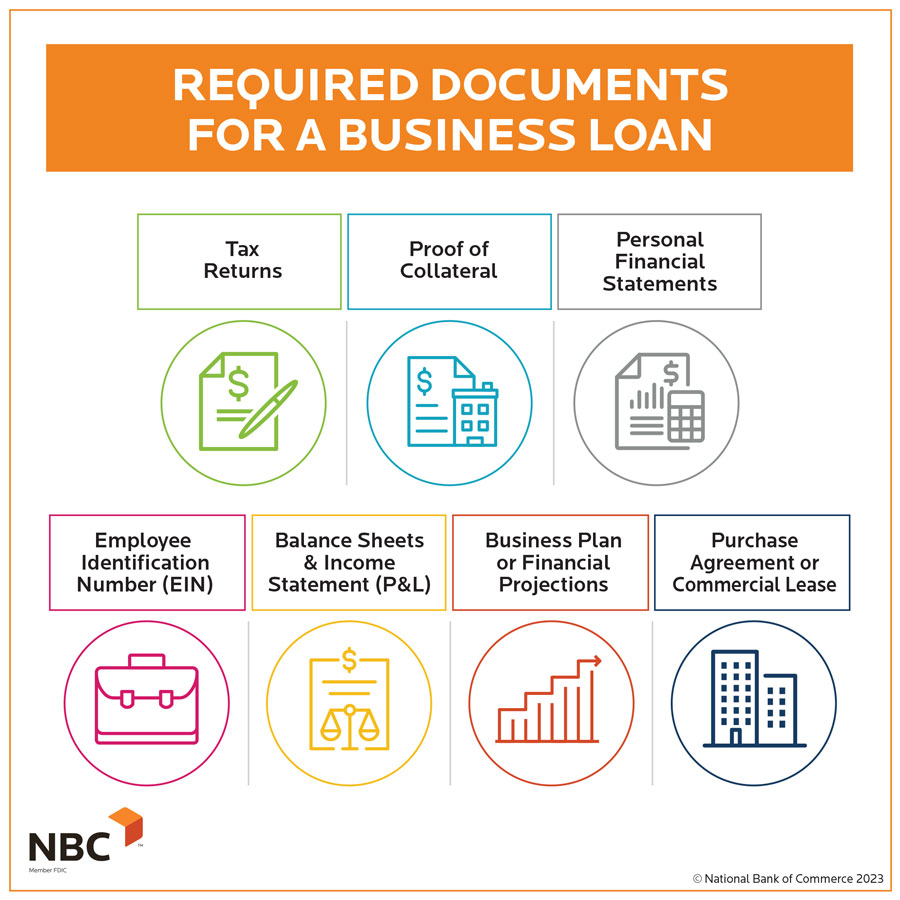
- Profit & Loss (Income) Statements: Typically for the past 2-3 years, and year-to-date. Shows revenue, costs, and profit over a period.
- Balance Sheets: For the past 2-3 years, and year-to-date. Provides a snapshot of your assets, liabilities, and owner’s equity at a specific point in time.
- Cash Flow Statements: For the past 2-3 years, and year-to-date. Tracks the movement of cash in and out of your business.
- Business Bank Statements: Usually for the past 6-12 months. Shows transaction history and cash balances.
- Business Tax Returns: For the past 2-3 years.
Legal Documents
Prove your business’s legitimacy and legal standing.
- Business Registration Documents: Articles of Incorporation, LLC operating agreement, partnership agreement, etc.
- Business Licenses and Permits: Any relevant industry-specific or local licenses.
- Employer Identification Number (EIN): Your business’s tax ID number.
Personal Financial Information
For small businesses, especially those without a long operating history, personal finances are often intertwined with business finances.
- Personal Tax Returns: For the past 2-3 years.
- Personal Bank Statements: For the past 6-12 months.
- Personal Financial Statement (PFS): A summary of your personal assets and liabilities.
- Personal Credit Report: Lenders will often pull this themselves, but it’s wise to review yours beforehand to correct any inaccuracies.
Collateral and Guarantees
If your loan requires collateral, be prepared to provide details on the assets you’re pledging, including their estimated value and any existing liens. For many small business loans, a personal guarantee from the business owner is also required, meaning you are personally liable for the debt if the business defaults.
The Application Process: From Submission to Funding
Once you’ve done your homework and gathered your documents, you’re ready to embark on the actual application journey. This typically involves several distinct stages.
Researching and Comparing Lenders
Don’t just go to the first bank you see. Research multiple lenders—banks, credit unions, online lenders, and even microfinance institutions—to compare their loan products, interest rates, terms, fees, and eligibility requirements. Look for lenders who specialize in your industry or have a strong track record with businesses of your size. Read reviews and consider their customer service reputation. A good relationship with your lender can be invaluable.
Submitting Your Application
Follow the lender’s instructions precisely. Most traditional lenders will require a formal application form, accompanied by all the documents listed above. Online lenders often have simplified digital application portals. Be thorough, accurate, and prompt in providing all requested information. Incomplete applications are a common cause of delay or rejection.
Underwriting and Due Diligence
After submission, your application enters the underwriting phase. The lender’s team will meticulously review all your financial documents, business plan, credit reports, and other information to assess the risk involved. They may reach out with additional questions, request clarifying documents, or even conduct site visits. This is where your thorough preparation pays off; the more accurate and organized your initial submission, the smoother this phase will be.
Approval, Terms, and Closing
If your application is approved, the lender will present you with a loan offer detailing the principal amount, interest rate, repayment schedule, fees, collateral requirements, and any other covenants (conditions) you must adhere to. Read this document carefully. If anything is unclear or seems unfavorable, ask questions and, if possible, negotiate. Don’t be afraid to walk away if the terms are not right for your business. Once you agree to the terms, you’ll sign the loan agreement, and the funds will be disbursed according to the agreed-upon schedule.
Strategies for a Successful Application
While diligent preparation is key, a few strategic moves can significantly bolster your application and increase your chances of securing favorable terms.
Improve Your Credit Score (Personal and Business)
Start this process well in advance. Pay bills on time, reduce existing debt, and monitor your credit reports for errors. A strong credit profile is often the single most influential factor in a lender’s decision.
Maintain Clear and Organized Financial Records
Beyond merely having the documents, ensure they are tidy, consistent, and easy to interpret. Work with an accountant or use accounting software to keep your books meticulously. Lenders appreciate clarity and transparency.
Seek Professional Advice
Don’t go it alone. Consult with an accountant to ensure your financial statements are accurate and optimize your financial health. A business advisor or mentor can help you refine your business plan and strategy. Legal counsel can review loan agreements before you sign. These professionals can identify potential issues and strengthen your application.
Be Prepared to Answer Questions and Negotiate
Lenders will have questions, sometimes challenging ones. Be confident, honest, and knowledgeable about your business and your financial projections. Understand what aspects of the loan terms might be negotiable (e.g., interest rate, repayment schedule, collateral requirements) and be ready to articulate why you deserve better terms.
Conclusion
Applying for a business loan is a significant undertaking, but it’s an achievable one that can unlock immense opportunities for your business. By thoroughly understanding your needs, carefully assessing your eligibility, selecting the right type of loan, meticulously preparing your documentation, and strategically navigating the application process, you can transform a seemingly complex challenge into a rewarding step forward. Remember, lenders are partners in your business’s growth; present them with a compelling, well-supported case, and you’ll be well on your way to securing the capital that propels your entrepreneurial vision into reality.
aViewFromTheCave is a participant in the Amazon Services LLC Associates Program, an affiliate advertising program designed to provide a means for sites to earn advertising fees by advertising and linking to Amazon.com. Amazon, the Amazon logo, AmazonSupply, and the AmazonSupply logo are trademarks of Amazon.com, Inc. or its affiliates. As an Amazon Associate we earn affiliate commissions from qualifying purchases.