
American Express Membership Rewards points are one of the most valuable and flexible currencies in the world of personal finance and credit card rewards. Unlike simple cash back or airline-specific miles, Amex points offer a diverse range of redemption options, giving cardholders significant power to tailor their rewards to their individual financial goals and lifestyle preferences. For the uninitiated, navigating the intricacies of earning, understanding the value, and strategically redeeming these points can seem daunting. This comprehensive guide aims to demystify Amex Membership Rewards, providing a professional and insightful look into how this powerful financial tool can be leveraged to maximize your spending power and achieve your desired financial outcomes, from dream vacations to offsetting everyday expenses.

At its core, the Amex Membership Rewards program operates on a points system where every dollar spent on eligible purchases with an enrolled American Express card accumulates points. However, the true genius of the system lies not just in accumulation, but in the multifaceted avenues for redemption, where savvy cardholders can unlock outsized value, far surpassing a simple 1% or 2% return on spending. Understanding these mechanisms is crucial for anyone looking to optimize their personal finance strategy and make the most of their credit card rewards.
Understanding Amex Membership Rewards: The Core Currency
Amex Membership Rewards (MR) points are more than just a loyalty incentive; they are a proprietary financial asset offered by American Express. Unlike co-branded credit card points, which are often tied to a single airline or hotel chain, MR points reside within the Amex ecosystem, granting cardholders unparalleled flexibility. This inherent versatility is what sets them apart and positions them as a cornerstone for strategic personal finance management, especially for those who travel or seek diverse avenues for value realization.
What Are Membership Rewards Points?
Membership Rewards points are a proprietary rewards currency earned on eligible purchases made with participating American Express credit cards. They are pooled into a single Membership Rewards account, regardless of how many eligible Amex cards you hold, simplifying management. These points are not directly tied to a cash value until redeemed, and their perceived value fluctuates significantly based on the chosen redemption method, making strategic redemption a key skill for financial optimization.
For instance, redeeming 10,000 points for a statement credit might yield a value of $60 (0.6 cents per point), whereas transferring those same 10,000 points to an airline partner during a promotional bonus could potentially net you a flight worth $200 or more (2+ cents per point). This disparity highlights the importance of understanding the various redemption avenues and their associated values.
How Amex Points Differ from Other Reward Currencies
The primary distinction of Amex MR points lies in their transferability and broad partner network. Many other credit card reward programs offer fixed-value points or points tied to a limited set of redemption options (e.g., cash back, proprietary travel portals). Amex, however, boasts a robust network of over 20 airline and hotel transfer partners, allowing cardholders to convert their MR points directly into airline miles or hotel loyalty points.
This transferability is the key to unlocking premium travel experiences. By converting points to partner programs, cardholders can often book business or first-class flights, luxury hotel stays, or secure travel during peak seasons, where the cash cost would be prohibitively expensive. This strategic leverage turns everyday spending into opportunities for significant financial advantage in the travel sector, positioning Amex points as a sophisticated financial tool for the discerning consumer.
The Value Proposition of Flexibility
The inherent flexibility of Amex Membership Rewards points represents a significant financial advantage. It allows cardholders to adapt their reward strategy to their evolving needs. Planning a lavish international trip? Transfer points to an airline partner for premium cabin awards. Need to cover a recent purchase? Use points for a statement credit, albeit at a lower value. Want to indulge in retail therapy? Redeem points for gift cards or merchandise.
This adaptability minimizes the risk of “dead points” – points accumulated in a program that no longer aligns with your financial or lifestyle goals. With Amex, your points remain a liquid asset within the Membership Rewards ecosystem until you decide their ultimate purpose, providing peace of mind and sustained utility. This flexibility makes them a core component of a well-rounded personal finance strategy, particularly for those who prioritize optionality and control over their assets.
Earning Amex Points: Strategies for Accumulation
Accumulating Amex Membership Rewards points is a straightforward process, but maximizing your earning potential requires a strategic approach. It’s not just about spending; it’s about spending smartly and leveraging all available opportunities to accelerate point accrual. For financially astute individuals, understanding these earning strategies is paramount to building a substantial points balance.
Earning Through Everyday Spending
The most fundamental way to earn Amex points is through eligible purchases made with your American Express card. Most Amex cards offering Membership Rewards will earn at least 1 point per dollar spent on general purchases. However, many cards offer accelerated earning rates in specific spending categories, such as dining, groceries, gas, or travel. For example, the Amex Gold Card famously offers 4x points on U.S. supermarkets (up to a spending cap) and at restaurants worldwide.
To optimize earning, it’s essential to align your spending habits with the bonus categories of your Amex cards. If you spend significantly on groceries and dining, using a card that offers elevated rewards in those categories will rapidly grow your points balance. This requires a conscious effort to select the right card for each transaction, turning mundane expenditures into lucrative point-earning opportunities.
Maximizing Welcome Bonuses
New cardmember welcome bonuses are often the single largest influx of Amex points you’ll receive. These bonuses typically require meeting a specified spending threshold within a certain timeframe after account opening (e.g., spend $4,000 in the first three months to earn 60,000 points). Strategically timing your card applications to periods of high spending (e.g., major home improvements, holiday shopping, large purchases) can make it easier to meet these requirements.
It’s important to view welcome bonuses not just as a one-off perk, but as a critical component of your annual points accumulation strategy. By judiciously applying for new cards and meeting spending requirements, individuals can significantly boost their points balance, setting the stage for substantial redemptions.
Leveraging Category Bonuses and Offers
Beyond standard earning rates, American Express frequently offers targeted promotions, Amex Offers, and limited-time category bonuses. Amex Offers are personalized discounts or bonus point opportunities available to cardmembers who enroll their card in specific promotions (e.g., spend $50 at Store X, get $10 back or 1,000 bonus points). Regularly checking and adding relevant Amex Offers to your card can lead to substantial savings or bonus points without altering your spending habits drastically.
Furthermore, Amex occasionally runs special promotions for existing cardmembers, such as increased earning rates on specific categories for a limited period. Staying informed about these opportunities, perhaps through email newsletters or the Amex app, allows for agile adjustment of spending patterns to maximize point accrual.
Referral Bonuses and Other Opportunities
Another powerful way to accumulate Amex points is through referral bonuses. If you refer a friend or family member who successfully applies for an Amex card using your unique referral link, you typically receive a significant bonus of Membership Rewards points. This is a win-win: your friend gets a new card (and likely a welcome bonus), and you get a substantial point injection.
Additionally, some Amex business cards offer bonus points for reaching specific spending milestones annually, or for paying taxes through approved services. Exploring all these ancillary earning methods ensures a holistic approach to maximizing your Amex points accumulation.
Redeeming Amex Points: Unlocking Their Full Potential
While earning Amex points is crucial, the true mastery of the Membership Rewards program lies in strategic redemption. Not all redemption options are created equal, and understanding the varying point values is key to unlocking the maximum financial benefit from your accumulated rewards.
High-Value Redemptions: Transferring to Travel Partners
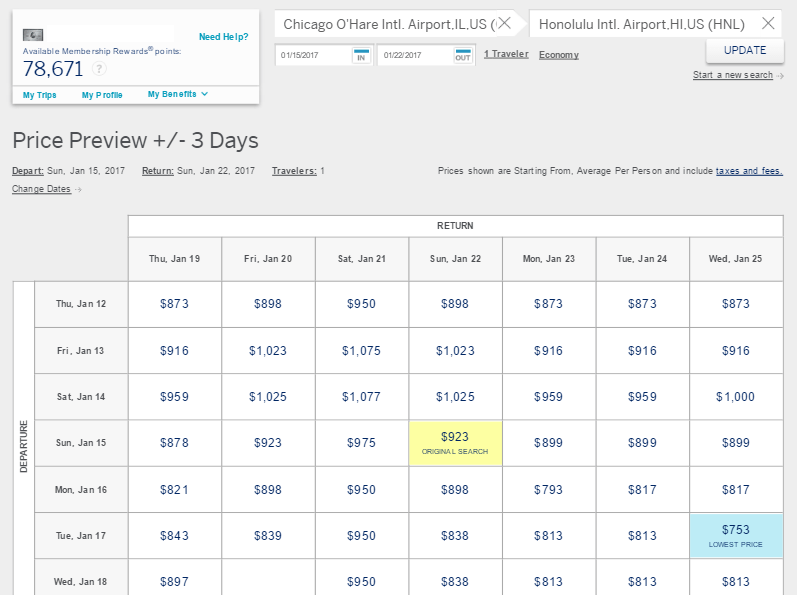
The pinnacle of Amex point redemption is undoubtedly transferring them to airline and hotel loyalty programs. This is where you can achieve redemption values often ranging from 1.5 cents to well over 5 cents per point, especially for premium cabin international flights. Amex partners with a diverse array of airlines (e.g., Delta SkyMiles, British Airways Avios, Air Canada Aeroplan, Emirates Skywards) and a few hotel chains (e.g., Marriott Bonvoy, Hilton Honors).
- Airlines: Transferring to airline partners allows you to book “award flights” directly through the airline’s loyalty program. This often yields the best value, particularly for business or first-class tickets that would cost thousands in cash. For example, transferring 100,000 Amex points to an airline partner could potentially secure a round-trip business class ticket to Europe that would cost $5,000+ if paid with cash. It requires some research and flexibility to find award availability, but the rewards are substantial.
- Hotels: While generally not as high-value as airline transfers, moving points to hotel partners like Marriott Bonvoy or Hilton Honors can be beneficial for specific high-end redemptions or when cash rates are exceptionally high. For example, a luxury hotel stay that costs $700 per night might be available for 50,000 points, potentially yielding a 1.4 cent per point value.
Crucially, Amex often runs transfer bonuses, where you get an extra percentage of points when transferring to a specific partner for a limited time (e.g., 25% bonus when transferring to Virgin Atlantic). These bonuses significantly amplify your points’ value, making strategic transfers during these promotions a savvy financial move.
Travel Bookings Through Amex Travel
Another popular redemption option is booking travel directly through the Amex Travel portal. Points redeemed this way typically yield a fixed value:
- Flights: 1 cent per point (e.g., 50,000 points for a $500 flight). If you hold The Business Platinum Card, you get a 35% points rebate on eligible flights, effectively boosting the value to approximately 1.54 cents per point.
- Hotels (pre-paid): 0.7 cents per point.
- Rental Cars/Cruises: 0.7 cents per point.
While convenient, redeeming through the Amex Travel portal usually offers a lower value than strategic transfers to airline partners (with the exception of Business Platinum’s flight rebate). It’s a good option for straightforward bookings where you can’t find suitable award space with partners, or for budget airlines not partnered with Amex.
Other Redemption Options: Gift Cards, Merchandise, Statement Credits
American Express offers various other redemption avenues, though these generally provide the lowest value for your points and should typically be avoided if maximizing financial return is your goal.
- Gift Cards: Value typically ranges from 0.7 to 1 cent per point, depending on the retailer and current promotions.
- Merchandise: Redeeming points for products directly through Amex or partners (like Amazon Shop with Points) often yields a value of 0.5 to 0.7 cents per point. This is usually the least efficient use of your points.
- Statement Credits: Redeeming points for a statement credit typically yields 0.6 cents per point. While offering direct financial relief, this is a relatively low-value redemption compared to travel transfers.
These lower-value options can be useful in specific situations, such as needing to quickly offset a small expense or when you have a surplus of points and no immediate travel plans. However, for those focused on maximizing the financial impact of their rewards, these options should be considered as a last resort.
Understanding Point Value Across Different Redemption Methods
The key takeaway for redemption is the varying “cents per point” (CPP) value.
- Airline Transfers: 1.5 – 5+ CPP (often 2+ CPP for premium travel)
- Amex Travel Flights (without Business Platinum rebate): 1 CPP
- Amex Travel Flights (with Business Platinum rebate): ~1.54 CPP
- Gift Cards: 0.7 – 1 CPP
- Statement Credits: 0.6 CPP
- Merchandise: 0.5 – 0.7 CPP
By understanding these values, cardholders can make informed decisions that align with their personal finance objectives, ensuring they get the most bang for their points. Strategic redemption transforms your points from a simple reward into a powerful financial instrument.
Maximizing the Value of Your Amex Points
Truly mastering Amex Membership Rewards means not just earning and redeeming, but maximizing the value of every point. This involves a proactive, informed, and strategic approach to your rewards program, treating your points as a valuable financial asset.
Strategic Planning for Travel Redemptions
To get the highest value from Amex points, particularly for travel, meticulous planning is essential.
- Flexibility is Key: Be flexible with your travel dates and destinations. Award availability for premium cabins is often limited and requires advance booking or searching for off-peak travel times.
- Research Before Transferring: Never transfer points speculatively. Always confirm award availability with your desired airline or hotel partner before initiating the transfer, as transfers are irreversible.
- Leverage Transfer Bonuses: Keep an eye on Amex’s occasional transfer bonuses. A 25% or 30% bonus can dramatically increase the value of your points, making it worth waiting for these promotions if you have a specific redemption in mind.
- Understand Airline Alliances: Familiarize yourself with airline alliances (e.g., Star Alliance, Oneworld, SkyTeam). You can often book flights on partner airlines using the miles of a different airline within the same alliance, expanding your redemption options significantly. For example, you might use Avianca LifeMiles (a Star Alliance member and Amex transfer partner) to book a flight on Lufthansa.
Avoiding Low-Value Redemptions
A critical aspect of maximizing value is consciously avoiding redemption options that yield poor returns. While statement credits or merchandise might offer immediate gratification, they significantly diminish the potential financial benefit of your points. Unless you have a specific, pressing need for cash or a low points balance that doesn’t allow for travel, resist the urge to use points at 0.6 or 0.7 cents per point. Think of your points as a premium currency that deserves to be used for its highest and best purpose.
Keeping an Eye on Transfer Bonuses
As mentioned, transfer bonuses are a game-changer. These limited-time offers can boost your point value by 15-50%, effectively allowing you to book the same travel for fewer points, or more luxurious travel for the same amount of points. Subscribe to Amex emails or follow points and miles blogs to stay informed about these promotions. Strategically saving points for an anticipated transfer bonus can be a highly rewarding tactic.
Key Considerations and Management Tips
Effective management of your Amex Membership Rewards points extends beyond earning and redeeming. It involves understanding the nuances of the program, considering the financial implications of annual fees, and integrating your points strategy into your broader personal finance goals.
Point Expiration and Account Management
Fortunately, Amex Membership Rewards points generally do not expire as long as you maintain an active Amex card enrolled in the program. If you cancel a card, ensure you either transfer your points out or maintain another Amex card linked to the same Membership Rewards account to prevent forfeiture. This flexibility contrasts with some other loyalty programs where points have a hard expiration date, offering a distinct advantage for long-term financial planning. Regularly review your Membership Rewards account to track your balance and monitor any activity.
The Impact of Annual Fees
Many Amex cards that earn Membership Rewards points come with annual fees, especially those offering premium benefits and high earning rates. When evaluating the overall value of your points strategy, it’s crucial to factor in these annual fees.
- Justify the Cost: Does the value you derive from points redemptions, along with other card benefits (e.g., lounge access, travel credits, insurance), outweigh the annual fee?
- Product Changes: If your spending habits change or you no longer find the value proposition compelling, consider a product change to a different Amex card with a lower or no annual fee, if available, to retain your points without incurring unnecessary costs.
A financially prudent approach considers the net benefit of the card, not just the gross points earned.

Connecting Points to Your Financial Goals
Ultimately, how Amex points work for you should be directly linked to your personal financial goals.
- Travel Budget Supplement: Are you looking to reduce your travel expenses, allowing more room in your budget for savings or investments? Amex points can be a powerful tool for this.
- Luxury Experiences: Do you aspire to enjoy luxury travel experiences (first-class flights, five-star hotels) that would otherwise be out of reach financially? Points make these attainable.
- Emergency Fund Diversion: In a pinch, using points for a statement credit, though lower value, can free up cash that might otherwise be allocated to discretionary spending, indirectly contributing to savings or debt repayment.
By consciously integrating your Amex points strategy into your overall financial plan, you transform them from a mere perk into a strategic asset that supports your broader financial aspirations.
In conclusion, Amex Membership Rewards points are a sophisticated financial tool that, when understood and utilized strategically, can unlock significant value. From their flexible earning mechanisms to their diverse and often high-value redemption options, especially for travel, Amex points empower cardholders to enhance their personal finances. By prioritizing high-value redemptions, actively seeking earning opportunities, and managing your points with foresight, you can harness the full power of the Membership Rewards program to achieve your financial and lifestyle goals, turning everyday spending into extraordinary experiences.
aViewFromTheCave is a participant in the Amazon Services LLC Associates Program, an affiliate advertising program designed to provide a means for sites to earn advertising fees by advertising and linking to Amazon.com. Amazon, the Amazon logo, AmazonSupply, and the AmazonSupply logo are trademarks of Amazon.com, Inc. or its affiliates. As an Amazon Associate we earn affiliate commissions from qualifying purchases.