
The question “how did the dow close today” is more than just a search query for many; it is a daily ritual for investors, economists, and casual observers of the global financial landscape. The Dow Jones Industrial Average (DJIA), often referred to simply as “the Dow,” serves as a vital pulse check for the American economy. When the closing bell rings at 4:00 PM Eastern Time on the New York Stock Exchange, the final number of the Dow provides a snapshot of the collective performance of 30 of the most significant blue-chip companies in the United States.

Understanding how the Dow closed—and more importantly, why it closed that way—requires a deep dive into market mechanics, economic indicators, and investor psychology. In this article, we will explore the significance of the daily close, the factors that drive these fluctuations, and how you can use this information to bolster your personal finance and investment strategy.
Understanding the Mechanism of the Daily Close
To answer how the Dow closed, one must first understand what the index represents. Unlike the S&P 500, which is market-capitalization-weighted, the Dow is a price-weighted index. This means that companies with higher stock prices have a greater influence on the index’s daily movement than those with lower prices.
What the Closing Number Represents
The closing price is the final price at which a stock is traded during a regular trading session. For the Dow, the closing value is calculated using a mathematical formula known as the Dow Divisor. This divisor accounts for stock splits, dividends, and other structural changes, ensuring that the index remains a consistent benchmark over time. When you see that the Dow closed “up 200 points,” it indicates the aggregate movement of its 30 component stocks, adjusted by that divisor.
The Significance of the Closing Bell
The final minutes of the trading day, often called the “closing cross,” are some of the most volatile and high-volume periods in the market. Institutional investors, mutual funds, and algorithmic traders often execute large orders at the close to ensure they receive the official closing price for their portfolios. Consequently, how the Dow closes often sets the tone for the following day’s market sentiment and influences international markets that open shortly after the U.S. close.
Key Catalysts Behind Daily Market Performance
When the Dow closes significantly higher or lower, it is rarely a random occurrence. Several recurring factors act as catalysts for these movements. By identifying these drivers, you can move beyond simply knowing the “number” and start understanding the narrative of the market.
Monetary Policy and Federal Reserve Signals
Perhaps the most influential factor in today’s financial environment is the Federal Reserve. Investors hang on every word from the Fed Chair regarding interest rates. If the Dow closes lower following a Fed meeting, it is often because investors fear that higher interest rates will increase borrowing costs and slow down corporate growth. Conversely, a “dovish” stance—suggesting lower rates—often sends the Dow soaring as liquidity becomes cheaper.
Corporate Earnings Reports
The Dow consists of 30 massive corporations, including Apple, Microsoft, Goldman Sachs, and UnitedHealth. During “earnings season,” these companies release their quarterly financial results. If a heavyweight component like Apple reports record-breaking profits and optimistic guidance, it can single-handedly lift the entire index. On the flip side, a disappointing earnings report from a major retailer or industrial giant can drag the Dow into the red, regardless of the broader economic outlook.
Macroeconomic Data Points
Daily market shifts are frequently triggered by the release of economic data. Key reports include the Consumer Price Index (CPI), which measures inflation, and the Non-Farm Payrolls report, which tracks employment. If the Dow closes sharply down after a high CPI print, it suggests that inflation is stickier than expected, leading to market anxiety. Understanding these correlations is essential for anyone looking to master their personal finance and investment timing.
The Psychological Impact of Market Volatility
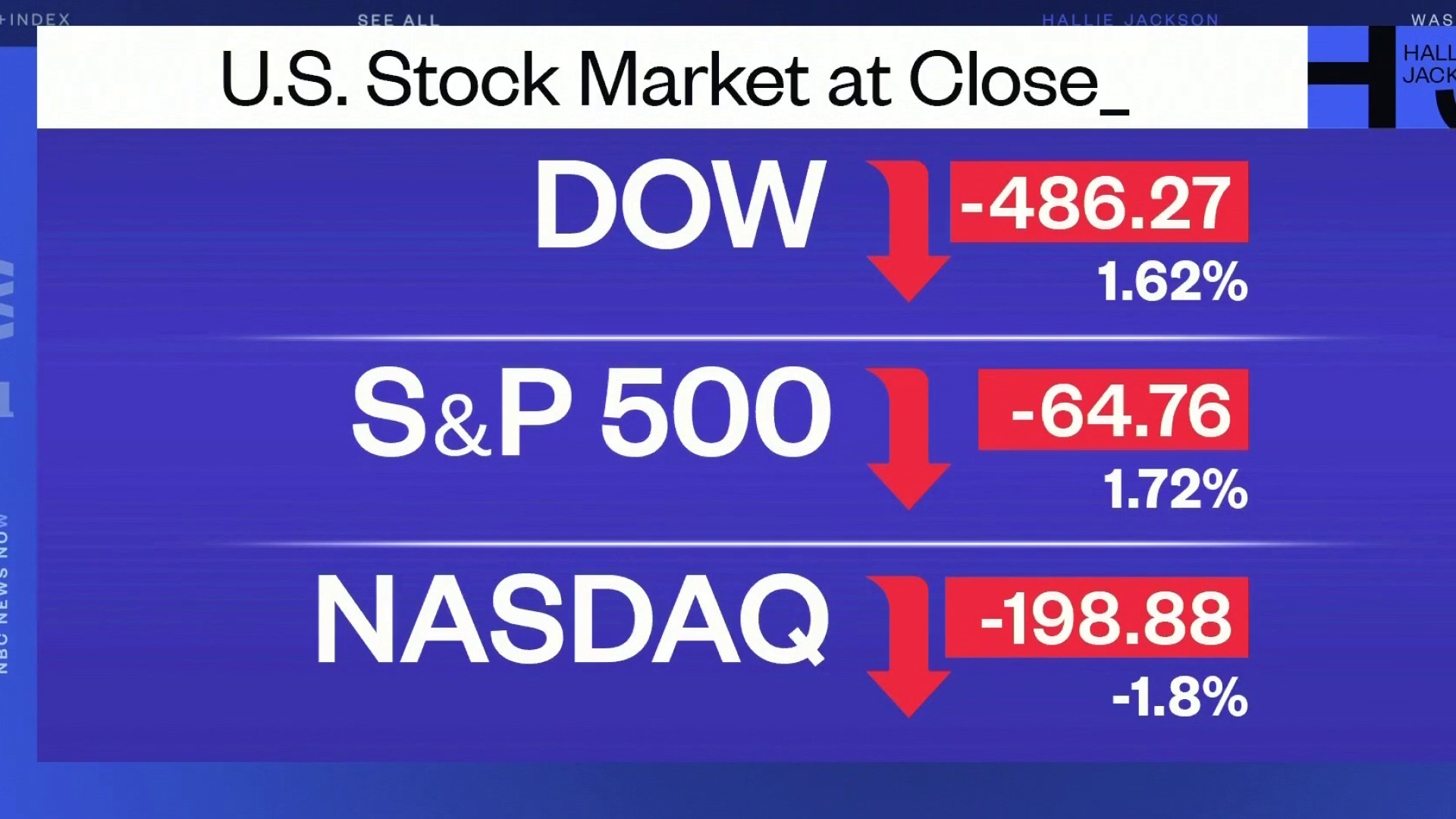
How the Dow closes today often influences how investors feel tomorrow. The stock market is as much a study in human psychology as it is in mathematics. The daily close can trigger a feedback loop of either confidence or fear.
The Fear and Greed Index
The closing price of the Dow contributes to the “Fear and Greed Index,” a tool used by many to gauge market sentiment. A series of “red” closes (downward movements) can lead to “capitulation,” where investors sell off assets out of fear, often at the bottom of a cycle. Professional investors, however, look at these daily closes differently. They understand that volatility is the price of admission for long-term gains.
Avoiding the “Daily Noise” Trap
For the individual investor, obsessing over how the Dow closed every single day can be counterproductive. While the daily close provides immediate feedback, it often contains a significant amount of “noise”—short-term fluctuations that do not reflect the underlying value of the economy. Successful money management involves distinguishing between a temporary market dip and a fundamental shift in the economic landscape.
Strategic Moves: Using Market Data for Personal Finance
Once you have the answer to “how did the Dow close today,” the next step is determining what action, if any, you should take. Your response should depend on your financial goals, time horizon, and risk tolerance.
Dollar-Cost Averaging (DCA)
One of the most effective ways to handle the daily fluctuations of the Dow is through Dollar-Cost Averaging. Instead of trying to time the market based on today’s close, you invest a fixed amount of money at regular intervals. When the Dow closes lower, your fixed investment buys more shares; when it closes higher, it buys fewer. Over time, this strategy reduces the impact of volatility and removes the emotional stress of daily tracking.
Rebalancing Your Portfolio
A significant move in the Dow might shift your asset allocation. For example, if a massive rally in the Dow’s industrial and tech components causes your stock holdings to exceed your target percentage (e.g., moving from 60% to 70% of your total wealth), it might be time to sell some gains and reinvest in bonds or other assets. This disciplined approach ensures you “buy low and sell high” automatically.
The Role of Dividends
Many of the 30 companies in the Dow are legendary for their dividend payments. Even on days when the Dow closes lower, these companies continue to generate cash flow for their shareholders. Focusing on dividend yield and dividend growth can provide a psychological cushion during market downturns, as your income stream remains intact even if the “closing number” is disappointing.
The Future Outlook: What the Closing Numbers Signal
As we look toward the future, the way the Dow closes will continue to be a primary indicator of American economic health. However, the context of these closes is evolving with the rise of technology and shifts in global trade.
The Influence of Mega-Cap Tech
While the Dow is traditionally seen as an “industrial” index, its recent additions have made it more tech-heavy. The performance of the Dow is now increasingly tied to digital transformation and AI (Artificial Intelligence) advancements. When analyzing the close, it is worth looking at which specific sectors led the way—was it the old-guard industrials or the new-age tech giants?
Global Interconnectedness
The Dow does not exist in a vacuum. How it closes today is often a reaction to what happened overnight in the Asian markets or during the morning session in Europe. As an investor, viewing the Dow’s close as part of a global financial ecosystem allows for a more nuanced understanding of your portfolio’s performance.

Conclusion: Beyond the Number
In summary, asking “how did the Dow close today” is the beginning of a larger financial conversation. While the raw number gives you the result, the underlying data tells the story of inflation, corporate health, and investor sentiment.
For the savvy individual focused on wealth creation and money management, the daily close is a tool, not a command. By staying informed on the catalysts of market movement, managing the psychological urges to react to volatility, and maintaining a disciplined investment strategy like dollar-cost averaging, you can turn daily market data into long-term financial success. Whether the Dow closes up or down today, your focus should remain on the horizon, using each day’s data to refine your path toward financial independence.
aViewFromTheCave is a participant in the Amazon Services LLC Associates Program, an affiliate advertising program designed to provide a means for sites to earn advertising fees by advertising and linking to Amazon.com. Amazon, the Amazon logo, AmazonSupply, and the AmazonSupply logo are trademarks of Amazon.com, Inc. or its affiliates. As an Amazon Associate we earn affiliate commissions from qualifying purchases.