
The story of how Tesla became “Tesla” is one of the most significant case studies in modern corporate identity. While the world now associates the name with high-performance electric vehicles, renewable energy, and one of the most valuable market caps in history, the name was not a foregone conclusion. It was the result of a deliberate search for a brand identity that could bridge the gap between engineering excellence and visionary disruption. To understand how Tesla got its name is to understand the foundational principles of brand strategy: association, differentiation, and the power of a compelling narrative.

The Origins of a Corporate Identity
In the early 2000s, the automotive industry was a landscape dominated by century-old legacies. For a startup to break into this space, it needed more than just a functional prototype; it needed a name that could signal a paradigm shift. The task of naming what would become Tesla Motors fell to its original founders, Martin Eberhard and Marc Tarpenning.
The Search for a Meaningful Moniker
Martin Eberhard, the company’s first CEO, was acutely aware that the brand’s name would dictate its public perception. In various interviews, Eberhard recounted how he spent months cycling through potential names. He wanted something that didn’t sound like a typical automotive company—most of which were named after their founders (Ford, Chrysler, Honda)—nor did he want something that sounded overly “green” or “eco-friendly” in a way that suggested compromise.
The goal was to find a name that sounded fast, powerful, and technologically advanced. The “eureka” moment reportedly happened during a dinner at Disneyland with his then-girlfriend. After weeks of brainstorming, he suggested “Tesla.” The name immediately resonated because it was short, punchy, and carried a profound historical weight that aligned perfectly with the company’s mission to reinvent the electric motor.
The Legal Acquisition of the Brand Name
Naming a company is only the first step; securing the legal rights to that name is a critical component of brand strategy. The founders discovered that the name “Tesla Motors” was already trademarked by a man named Brad Siewert in Sacramento, California. Siewert had registered the name in 1994, long before Eberhard and Tarpenning’s venture was a reality.
In 2004, the founders had to negotiate the purchase of the trademark. They eventually secured the rights for $75,000—a sum that, in hindsight, represents one of the most profitable investments in branding history. This acquisition highlights a vital lesson in corporate identity: a brand name is a tangible asset. Without securing the trademark early, the company would have faced massive rebranding costs as it scaled globally. Years later, Elon Musk would follow a similar path by spending millions to acquire the “Tesla.com” domain name and the “Model 3” trademark, demonstrating a consistent commitment to brand purity.
Nikola Tesla: The Brand Archetype
The decision to name the company after Nikola Tesla was a masterstroke of brand positioning. By choosing a historical figure rather than a generic descriptive name like “Electric Car Co.,” the founders tapped into an existing narrative of genius, innovation, and underdog resilience.
Aligning with the “Genius Inventor” Persona
Nikola Tesla was a Serbian-American inventor best known for his contributions to the design of the modern alternating current (AC) electricity supply system. In the early 20th century, Tesla was often overshadowed by the more business-savvy Thomas Edison. However, in the 21st century, Nikola Tesla has undergone a cultural renaissance, becoming a folk hero for engineers and futurists.
By adopting his name, the brand inherited Tesla’s “mad scientist” aura and his reputation for being ahead of his time. This association helped the brand appeal to early adopters—tech-savvy individuals who valued innovation over traditional luxury. The brand identity wasn’t just about a car; it was about honoring a legacy of misunderstood genius. This is a classic example of “borrowed equity” in branding, where a new entity uses the established reputation of a historical figure to build its own credibility.
The Symbolism of Alternating Current
There was also a deep technical logic behind the name. The original Tesla Roadster utilized an AC induction motor, a direct evolution of the technology Nikola Tesla patented in 1888. Most electric vehicles of the era were experimenting with different configurations, but by naming the company Tesla, the founders were signaling their technical methodology.
In terms of brand strategy, this provided a layer of authenticity. The name wasn’t just a marketing gimmick; it was rooted in the actual physics of the product. This alignment between the brand name and the product’s core technology created a cohesive identity that was difficult for competitors to replicate. It told a story of a company that was continuing the unfinished work of a historical titan.
Branding Strategy: Why “Tesla” Trumps the Competition
In the world of marketing and design, the phonetic and visual qualities of a name are just as important as its meaning. The word “Tesla” possesses several characteristics that make it an ideal global brand.
Short, Punchy, and Distinctive
From a design perspective, “Tesla” is a near-perfect word. It is two syllables, five letters, and easy to pronounce in almost every language. In a globalized market, brand names must be linguistically portable. Compared to competitors or other potential names considered at the time—such as “Faraday” or “Edison”—Tesla feels more modern and agile.
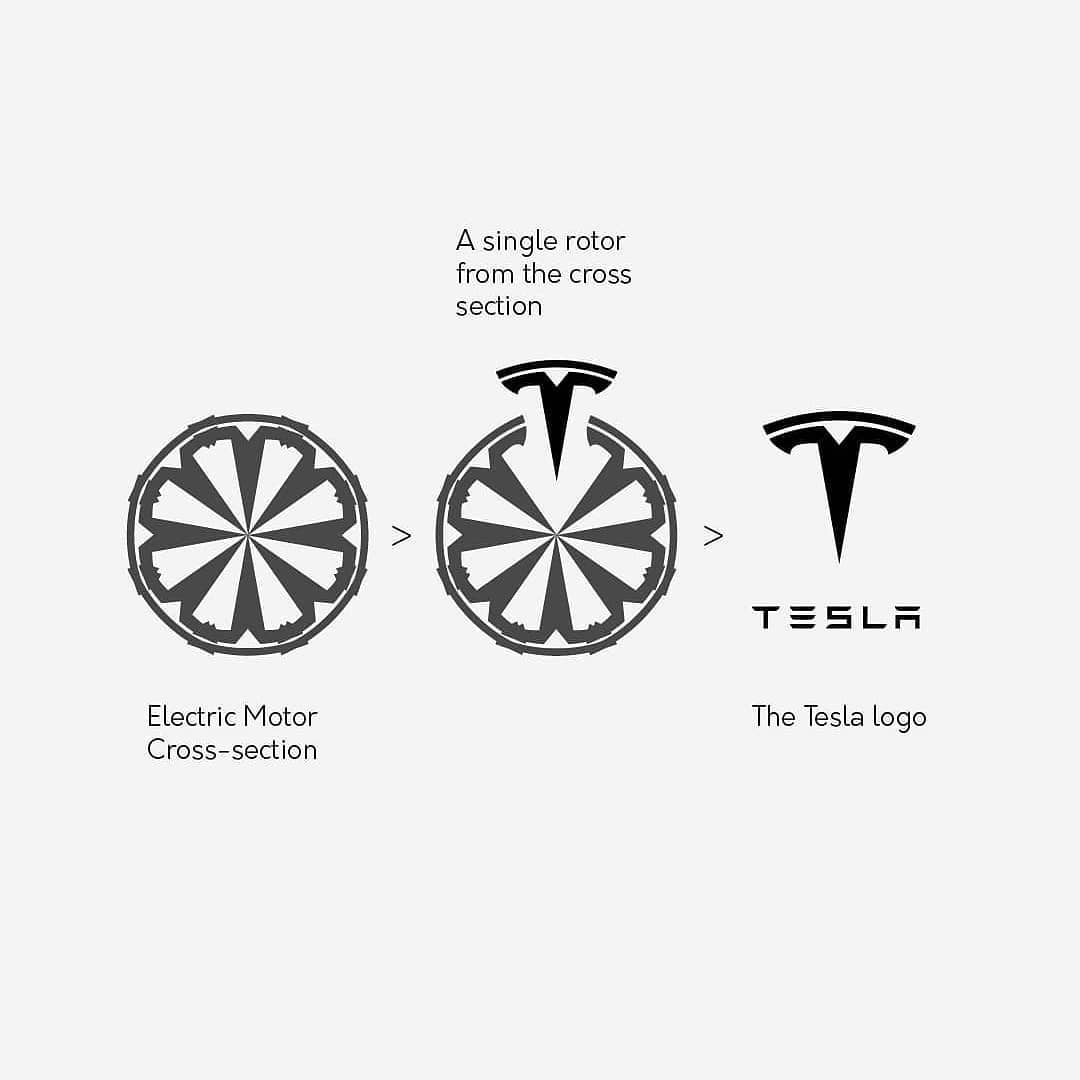
The “T” at the beginning and the “a” at the end give the word a balanced, symmetrical feel. This symmetry was later utilized in the brand’s visual identity. The Tesla logo, a stylized “T,” represents a cross-section of an electric motor, but it also serves as a sharp, aggressive emblem that fits perfectly on the hood of a luxury vehicle. The branding strategy focused on minimalism, ensuring that the name and the logo could stand alone as symbols of status and technology.
Leveraging Scientific Prestige in Marketing
Choosing a scientist’s name allowed the company to bypass the “uncool” stigma that electric vehicles faced in the early 2000s. Before Tesla, electric cars were often seen as slow, boxy, and utilitarian. By associating with Nikola Tesla—a man who dreamed of wireless energy and high-frequency currents—the brand positioned itself as “high-tech luxury” rather than “environmental compromise.”
This shift in marketing changed the target audience from “environmentalists” to “innovators.” It’s a crucial distinction in brand strategy: people buy products that reflect their identity. By driving a Tesla, consumers weren’t just saying they cared about the planet; they were saying they were part of the technological vanguard. The name provided a sense of intellectual prestige that helped the company command premium pricing for its early models.
The Evolution of the Tesla Brand Image
As the company grew under the leadership of Elon Musk, the name “Tesla” began to evolve beyond its initial association with cars. The brand strategy shifted toward a “master plan” involving energy storage and solar power.
Moving Beyond the Roadster
Initially, “Tesla Motors” was the full name of the company. However, as the brand expanded its corporate identity to include Powerwalls and solar roofs, the word “Motors” became a limitation. In 2017, the company officially dropped “Motors” from its name, becoming simply “Tesla, Inc.”
This rebranding was a strategic move to signal that Tesla was an energy company, not just an automaker. In branding, a name must be flexible enough to allow for future growth. By streamlining the name to “Tesla,” the company ensured its identity remained relevant even as it diversified its product line. The name became a catch-all for a lifestyle centered around sustainable energy and futuristic technology.
Consistency in Brand Messaging
One of the hallmarks of successful brand strategy is consistency. Tesla has maintained a remarkably consistent brand voice, largely centered on the persona of its CEO and the revolutionary nature of its tech. The name “Tesla” serves as the anchor for this entire ecosystem. Whether it is the Model S, the Cybertruck, or the Megapack, the “Tesla” brand name lends a sense of cohesion to a wide array of products. It has become a “halo brand,” where the success and prestige of one product (like the Model 3) automatically elevate the perceived value of others.
Lessons in Brand Naming for Modern Enterprises
The story of Tesla’s naming offers several vital lessons for startups and established corporations alike. It demonstrates that a name is not just a label; it is a strategic tool that can define a company’s trajectory.
Future-Proofing through Association
When choosing a name, brands should look for associations that are timeless. Nikola Tesla’s reputation as a visionary is unlikely to fade, providing the company with a permanent well of inspiration. Brands that choose names based on fleeting trends or overly specific descriptions often find themselves needing to rebrand within a decade. Tesla’s choice was “future-proof” because it was built on a foundation of scientific history and human curiosity.
The Importance of Domain and Trademark Strategy
Tesla’s journey also highlights the tactical side of branding. The acquisition of trademarks and domain names is a non-negotiable part of modern business. A brand name is only as good as its availability. The persistence shown by the founders and later by Musk in securing the “Tesla” assets underscores the fact that in the digital age, your brand name is your most valuable piece of real estate.
Ultimately, Tesla got its name by looking backward at a forgotten genius to look forward at the future of humanity. It is a name that signifies a bridge between the industrial age and the digital age, proving that a well-chosen identity can do more than sell a product—it can define an era.
aViewFromTheCave is a participant in the Amazon Services LLC Associates Program, an affiliate advertising program designed to provide a means for sites to earn advertising fees by advertising and linking to Amazon.com. Amazon, the Amazon logo, AmazonSupply, and the AmazonSupply logo are trademarks of Amazon.com, Inc. or its affiliates. As an Amazon Associate we earn affiliate commissions from qualifying purchases.