
The sudden, seismic shock of a stock market crash reverberates far beyond the trading floors, sending ripples of panic, uncertainty, and often, immediate financial distress through societies. When the seemingly impregnable edifice of wealth creation begins to crumble, human reactions are visceral and multifaceted, immediately reshaping personal financial strategies, business operations, and even the fabric of economic trust. Understanding these initial responses is crucial for grasping the broader societal and economic fallout of such an event, as they often lay the groundwork for subsequent policy interventions and long-term behavioral shifts.

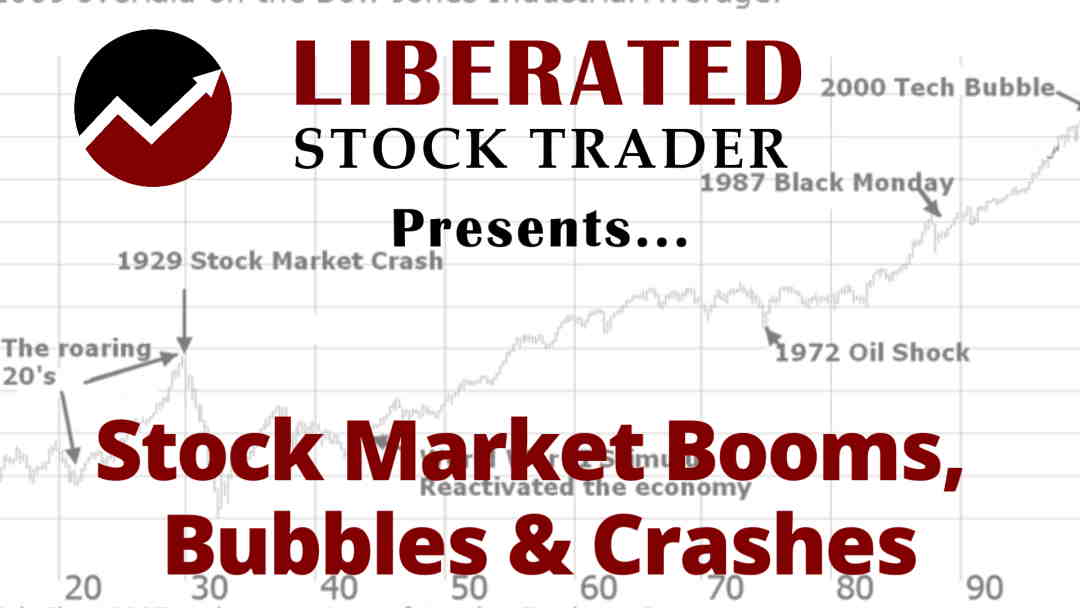
Historically, market crashes are not mere statistical anomalies; they are moments of profound psychological and economic rupture. Whether it’s the Black Tuesday of 1929, the Black Monday of 1987, the Dot-com bubble burst of 2000, or the Global Financial Crisis of 2008, the initial human reaction is a complex interplay of fear, confusion, and an urgent scramble for safety and understanding. This article delves into how individuals, households, and businesses first react to such a catastrophic financial event, strictly through the lens of personal finance, investing, and broader business finance.
The Immediate Onset of Panic and Uncertainty
The very first moments following a significant stock market downturn are almost universally characterized by a surge of panic. News spreads rapidly, often exaggerated by media headlines and word-of-mouth, transforming abstract market movements into tangible threats to personal solvency. This initial emotional wave triggers a cascade of reactive behaviors, often driven by fear rather than rational calculation.
Personal Financial Freeze
For many individuals, the immediate reaction is a form of paralysis. Those with investments in stocks, mutual funds, or retirement accounts like 401(k)s or IRAs witness their net worth plummeting on screens. The instinct might be to do something, anything, to stop the bleeding. However, a significant number of people find themselves frozen, unsure whether to sell everything, hold on, or even buy more (a strategy often preached but rarely practiced in moments of crisis). This paralysis stems from a lack of clear information, an overwhelming sense of loss, and a deep-seated fear of making the “wrong” move that could exacerbate their financial woes. People might check their account balances obsessively, postpone any planned major purchases, or even put off essential financial decisions, hoping the situation will magically improve. This “wait and see” approach, born of fear, can often be as damaging as impulsive selling, especially if it delays necessary adjustments to spending or debt management.
Investor Herd Mentality
While some individuals freeze, others succumb to the powerful influence of “herd mentality.” As prices tumble, the collective fear of further losses drives a mass exodus from the market. Investors, seeing others sell, feel compelled to do the same, believing that liquidating their holdings will protect them from deeper depreciation. This rapid, widespread selling only accelerates the market’s decline, creating a vicious cycle where panic feeds panic. This phenomenon is not limited to individual retail investors; institutional investors, managing vast sums, can also contribute to this downward spiral through algorithmic trading and risk management protocols that trigger automatic sell-offs under certain conditions. The psychological pressure to conform to the prevailing market sentiment—to “cut your losses”—overrides rational long-term investment strategies, leading to significant capital destruction in a very short period. The immediate effect is a massive transfer of wealth and a significant loss for those who bought into the market at higher valuations.
Erosion of Trust in Financial Institutions
A stock market crash, especially if it’s sudden and severe, instantly erodes public trust in the financial system. Banks, brokerage firms, and even the regulatory bodies meant to safeguard the economy come under intense scrutiny. People begin to question the safety of their deposits, the integrity of investment advice, and the stability of the entire financial infrastructure. This erosion of trust manifests in various ways: individuals might withdraw cash from their bank accounts, preferring physical currency over digital balances; they might lose confidence in financial advisors, blaming them for investment losses; or they might simply become deeply cynical about the capitalist system itself. This breakdown of trust is particularly damaging because a stable financial system relies heavily on confidence. Once shaken, it can take years, if not decades, for that trust to be fully rebuilt, impacting future investment behavior and the willingness of individuals to engage with formal financial channels.
Tangible Shifts in Household Spending and Savings
Beyond the immediate emotional impact, a stock market crash triggers rapid and concrete changes in how households manage their money. These shifts are driven by a sudden awareness of reduced wealth, job insecurity, and a general pessimistic outlook on the future.
The Scramble for Liquidity
In the immediate aftermath of a crash, there’s a palpable scramble for liquidity. Individuals and businesses alike want access to cash. For households, this means perhaps cashing out what assets they can (even at a loss), deferring new investments, or even aggressively paying down revolving credit card debt to free up cash flow. There’s a strong preference for “safe haven” assets, typically government bonds or, more simply, cash. This drive for liquidity can lead to runs on banks in extreme cases, as people physically withdraw their money. For those with mortgages or other large loans, the fear of default intensifies, leading to desperate measures to secure their payments. The immediate focus shifts from wealth accumulation to wealth preservation and the maintenance of essential living expenses, transforming spending habits overnight.
Drastic Reduction in Discretionary Spending
One of the most immediate and visible reactions to a stock market crash is a sharp reduction in discretionary spending. Faced with uncertainty about their jobs, retirement savings, and the overall economic outlook, consumers tighten their belts dramatically. Luxury goods, dining out, entertainment, travel, and non-essential retail purchases plummet. Businesses reliant on consumer spending, such as restaurants, retail chains, and tourism operators, feel the pinch almost instantly. This rapid contraction in demand further exacerbates the economic downturn, leading to reduced business revenues, inventory gluts, and ultimately, job losses. The focus shifts to necessities: food, housing, utilities, and essential healthcare. This change isn’t just a temporary blip; it can become ingrained behavior, with consumers becoming more frugal and value-conscious for an extended period, even after markets begin to recover.
Re-evaluation of Debt and Credit
A market crash profoundly impacts how individuals perceive and manage debt. On one hand, there’s a fear of taking on new debt, given the uncertain future. Mortgages, car loans, and personal loans become less appealing. On the other hand, for those with existing debt, the urgency to pay it down intensifies. High-interest credit card debt, in particular, becomes a source of extreme anxiety, as households try to free up cash flow and reduce financial vulnerabilities. Access to new credit also tightens considerably. Banks and lenders, reeling from their own financial losses and concerns about borrowers’ ability to repay, become far more cautious, raising lending standards and reducing credit availability. This “credit crunch” impacts both individuals seeking loans and small businesses needing working capital, further stifling economic activity.
Business Sector’s First Line of Defense
Businesses, from small startups to multinational corporations, are not immune to the immediate shockwaves of a stock market crash. Their reactions are critical in determining the depth and duration of the economic downturn.
Operational Contraction and Cost-Cutting

The first and most immediate reaction for most businesses is a rapid operational contraction. Faced with plummeting consumer demand, tightened credit markets, and an uncertain future, companies quickly move to reduce costs. This often includes freezing hiring, postponing capital expenditures, scaling back marketing and advertising budgets, and renegotiating contracts with suppliers. Businesses may also look to optimize inventory, streamline production processes, and reduce overheads wherever possible. This immediate belt-tightening is a survival instinct, aiming to preserve cash flow and maintain solvency amidst deteriorating market conditions. While necessary for individual firms, collective cost-cutting across the economy can lead to a deeper recession.
Liquidity Crunch for Enterprises
Just like individuals, businesses experience an immediate liquidity crunch. Access to financing, which is the lifeblood of business operations, dries up. Banks become unwilling to lend, or they demand higher interest rates and stricter collateral. Companies reliant on short-term credit to manage daily operations, pay suppliers, and meet payroll suddenly find themselves in a precarious position. Small and medium-sized enterprises (SMEs), which often have less diversified funding sources, are particularly vulnerable. This lack of available capital can lead to delayed payments to suppliers, inability to invest in necessary equipment, and in severe cases, bankruptcies. The immediate inability to secure financing creates a domino effect across supply chains and industries.
Impact on Employment and Income
Perhaps the most devastating immediate consequence of a market crash for the broader economy is its impact on employment and income. As businesses contract and face liquidity challenges, layoffs become an inevitable, painful reality. Companies reduce their workforce to cut costs, leading to a sudden surge in unemployment. Those who retain their jobs may face pay cuts, reduced hours, or frozen wages and benefits. This immediate hit to household incomes further dampens consumer spending, creating a negative feedback loop that deepens the recession. The fear of job loss, even for those still employed, becomes a pervasive anxiety, influencing personal finance decisions and contributing to overall economic malaise.
Government and Regulatory Body’s Rapid Response
While often criticized for not preventing crashes, governments and central banks usually react with speed and urgency once a crisis hits, attempting to mitigate the damage and restore confidence.
Emergency Market Stabilisation Measures
Central banks and financial regulators typically launch immediate emergency measures to stabilize markets. This can include injecting massive amounts of liquidity into the banking system to prevent a credit freeze, lowering interest rates (or holding them at historic lows) to encourage borrowing and investment, and in extreme cases, temporarily suspending trading to prevent further panic selling. These actions are designed to ensure that the financial system does not seize up entirely and to provide a backstop against total collapse. While these measures might not instantly restore investor confidence, they are crucial in preventing a bad situation from becoming an economic catastrophe.
Communication and Reassurance Efforts
Alongside practical measures, government leaders, central bank governors, and financial authorities immediately engage in communication efforts. Their goal is to reassure the public and investors that the situation is being managed, that the financial system is sound, and that policies are being enacted to restore stability. This often involves carefully worded speeches, press conferences, and coordinated statements aimed at calming fears and preventing further irrational behavior. The credibility and perceived competence of these leaders in the immediate aftermath can significantly influence whether panic subsides or escalates.
Initial Policy Debates and Future Reforms
In the immediate wake of a crash, there’s also a rapid, intense debate among policymakers about the root causes and what long-term reforms might be necessary. While the focus is on immediate stabilization, the seeds of future regulatory changes and economic policies are sown in these initial discussions. Policymakers begin to analyze what went wrong, identifying systemic weaknesses, regulatory gaps, and market failures that contributed to the crisis. This intellectual reckoning, though not immediately impacting financial markets, sets the stage for future legislative and regulatory frameworks aimed at preventing similar events.
Emerging Mindsets and Financial Behavioral Shifts
The initial shock of a market crash often leaves an indelible mark on individual and collective financial psychology, leading to lasting behavioral changes.
The Quest for Financial Resilience
One of the most profound and immediate shifts is a renewed focus on financial resilience. Individuals and families who experienced the pain of lost savings or job insecurity recognize the critical importance of emergency funds. The idea of having 3-6 months’ worth of living expenses saved in an easily accessible account, once a theoretical financial best practice, becomes a tangible necessity. There’s also a greater emphasis on diversification not just in investments, but across income sources and asset types, to mitigate future risks. This quest for resilience often involves more disciplined budgeting and a more conservative approach to personal finance.
Skepticism Towards “Get Rich Quick” Schemes
Market crashes tend to deflate speculative bubbles and expose the fragility of “get rich quick” schemes. In the immediate aftermath, there’s a strong shift away from high-risk, high-reward investments and towards more conservative, value-oriented strategies. The allure of chasing rapid returns diminishes, replaced by a preference for stable growth, dividend-paying stocks, and less volatile asset classes. People become more wary of financial products they don’t fully understand and are less likely to fall victim to speculative frenzies, at least for a period. This increased skepticism often leads to a more cautious and diligent approach to investment research and decision-making.
Renewed Interest in Financial Literacy
Finally, a stock market crash often sparks a surge in public interest in financial literacy. Having personally experienced the devastating consequences of economic upheaval, people become eager to understand how the economy works, how financial markets operate, and how they can better protect their own assets. There’s a greater demand for unbiased financial education, advice on budgeting, debt management, and sound investment principles. This drive for knowledge reflects a desire to regain control over their financial lives and to be better prepared for future economic uncertainties, moving away from passive reliance on external factors or expert advice towards active, informed participation in their own financial well-being.
In conclusion, the immediate reactions to a stock market crash are a potent blend of primal human fear and pragmatic financial adjustments. From the widespread panic and loss of trust to the drastic cuts in household and business spending, these initial responses are not merely transient emotions; they are the fundamental building blocks of a new economic reality. They force individuals to re-evaluate their personal financial resilience, businesses to redefine their operational strategies, and governments to reconsider their regulatory frameworks. Understanding these first reactions is paramount, as they shape the recovery path and instill lessons that often resonate for generations, fundamentally altering our relationship with money and the markets.
aViewFromTheCave is a participant in the Amazon Services LLC Associates Program, an affiliate advertising program designed to provide a means for sites to earn advertising fees by advertising and linking to Amazon.com. Amazon, the Amazon logo, AmazonSupply, and the AmazonSupply logo are trademarks of Amazon.com, Inc. or its affiliates. As an Amazon Associate we earn affiliate commissions from qualifying purchases.