
The Genesis of a Global Brand: Vision and Founding
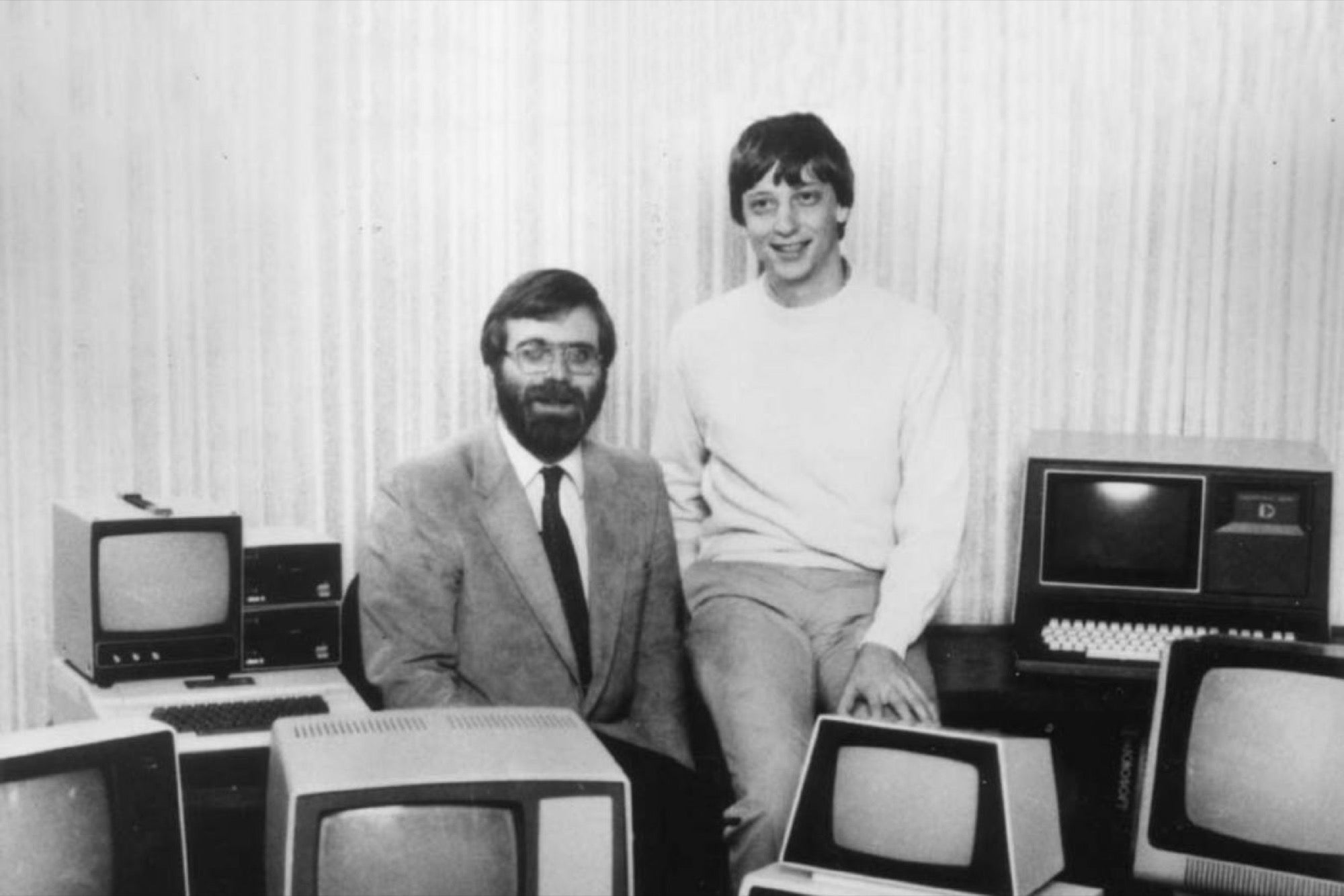
The origin of Microsoft, one of the world’s most recognizable corporate identities, is a testament to the power of shared vision, entrepreneurial audacity, and a relentless pursuit of a clear market opportunity. Before it became a household name synonymous with software, Microsoft was born from the ambitious minds of two childhood friends, Bill Gates and Paul Allen, who saw the future of computing not in mainframes, but in personal devices accessible to everyone. This early, almost prophetic, insight laid the groundwork for an enduring brand strategy centered on ubiquity and accessibility.
A Shared Vision in Albuquerque
The pivotal moment arrived in 1975 when Paul Allen, while browsing a newsstand, spotted the January issue of Popular Electronics featuring the Altair 8800, one of the first microcomputers. He immediately recognized its potential and, more importantly, a critical void: the absence of user-friendly software. Allen rushed to Gates, then a student at Harvard, with the idea that they could create a BASIC interpreter for this new machine. This wasn’t merely a technical challenge; it was a branding opportunity. To provide the foundational language for personal computing meant positioning their nascent venture at the very heart of a developing industry. Their pitch to MITS (Micro Instrumentation and Telemetry Systems), the Altair’s manufacturer, was audacious: they claimed to have a working BASIC interpreter, even though they hadn’t written a single line of code for the Altair yet. The success of this initial bluff, followed by weeks of intense coding, not only secured their first contract but also defined an early aspect of their corporate identity: innovative, driven, and unafraid to tackle ambitious challenges.
The Birth of a Corporate Identity
Having successfully delivered Altair BASIC, Gates and Allen decided to formalize their partnership. On April 4, 1975, in Albuquerque, New Mexico, they officially founded “Micro-Soft” (the hyphen would later be dropped). The name itself was a blend of “microcomputer” and “software,” succinctly communicating their core business and laying the semantic foundation for their future brand. This initial corporate identity was simple yet powerful: they were the specialists in software for microcomputers, a niche that was rapidly expanding. Their first office, a modest affair, belied the grand vision they harbored: to put “a computer on every desk and in every home.” This mission statement, though not formally articulated in the earliest days, implicitly guided their product development and market positioning, becoming an embedded part of the company’s brand ethos. They weren’t just selling code; they were selling the future of personal computing, accessible through their software.
Establishing the Brand’s Early Identity: From BASIC to OS
The early years of Microsoft were characterized by strategic decisions that quickly solidified its brand identity as a reliable and innovative software developer. Licensing became a cornerstone of their brand strategy, allowing their products to reach a broader market than if they had solely focused on hardware or proprietary systems.
The Altair BASIC Breakthrough
The development of Altair BASIC was more than just a coding achievement; it was Microsoft’s first foray into brand building through product excellence. Prior to their interpreter, programming the Altair was a complex, tedious process. Microsoft BASIC simplified this, making the machine accessible to a wider audience of hobbyists and developers. This ease of use became an immediate brand differentiator. By licensing their BASIC interpreter to various computer manufacturers, Microsoft ensured that their name, albeit often in small print, was associated with the functionality and utility of numerous early personal computers. This established their brand as an essential, behind-the-scenes enabler of the personal computer revolution, a corporate identity built on providing fundamental, high-quality software tools. They became known as the go-to provider for essential programming languages, a reputation that lent significant credibility to their fledgling brand.
Strategic Partnerships and Market Expansion
A critical turning point in Microsoft’s brand trajectory occurred in 1980 when IBM, a corporate titan, approached them. IBM was developing its Personal Computer (PC) and needed an operating system. This was a monumental opportunity for Microsoft to establish its brand not just as a language provider, but as the foundational software provider for the most significant computing platform of its era. Gates, with characteristic foresight, secured a non-exclusive licensing deal for PC DOS (an operating system Microsoft purchased from Seattle Computer Products and rebranded as MS-DOS for broader licensing). This deal was a masterstroke in brand strategy. It positioned Microsoft’s software at the core of the burgeoning PC market. Critically, the non-exclusive nature of the deal allowed Microsoft to license MS-DOS to other hardware manufacturers producing IBM PC compatibles. This move diversified their brand’s reach exponentially, transforming them from a niche player into a ubiquitous software provider whose operating system would power a vast ecosystem of machines. Moving from Albuquerque to Bellevue (and later Redmond), Washington, symbolized this expansion and their growing corporate ambition.
The “Operating System” Brand Association
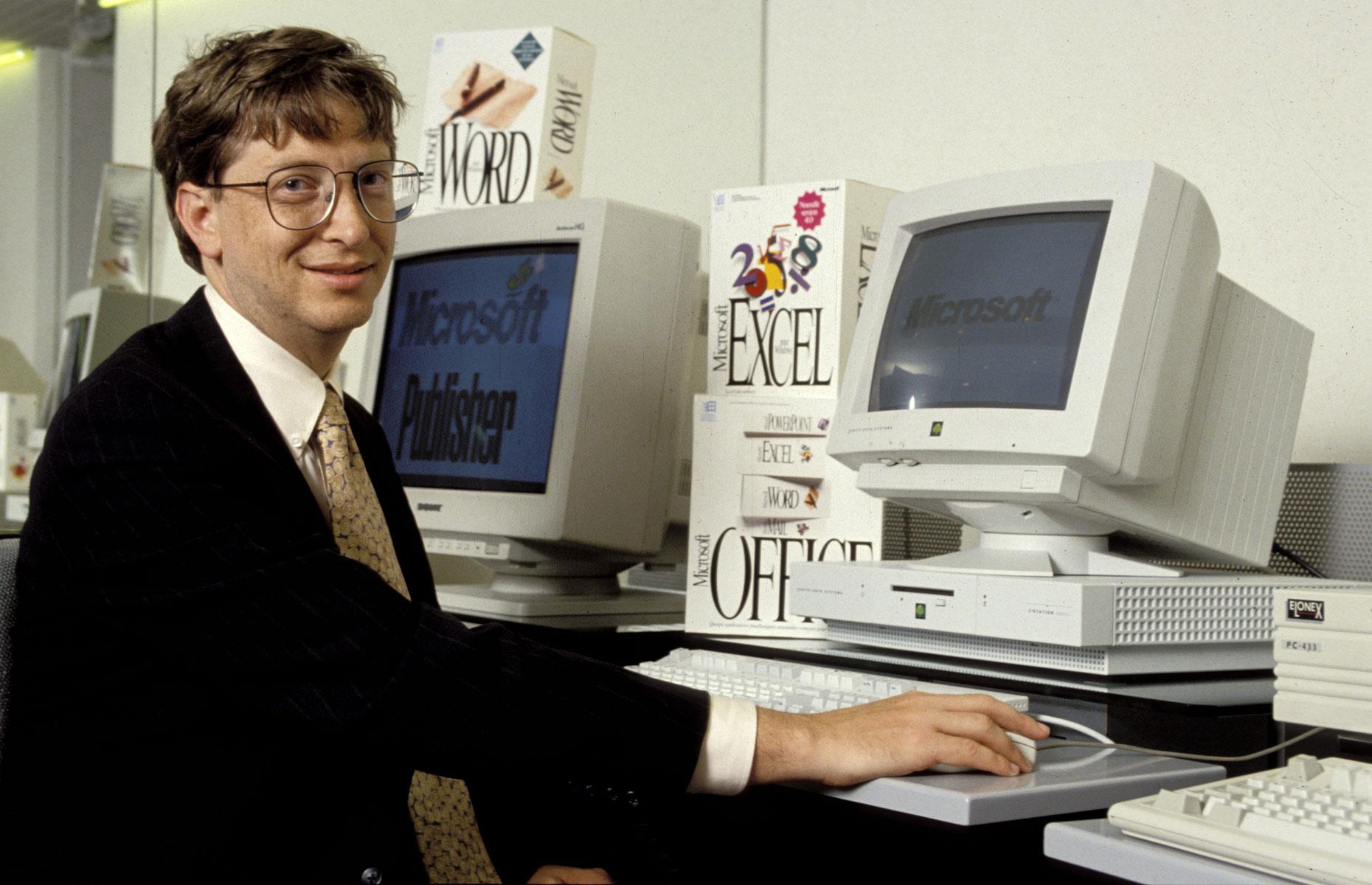
The success of the IBM PC and the subsequent proliferation of PC compatibles meant that MS-DOS became the de facto standard operating system. This had a profound effect on Microsoft’s brand identity. For millions of users and manufacturers, Microsoft became synonymous with the “operating system”—the fundamental software layer that made computers work. This association was incredibly powerful, cementing Microsoft’s brand in the minds of early computer users as the indispensable provider of core computing functionality. Their corporate identity was no longer just about programming languages; it was about the very foundation of how personal computers operated. This dominant market positioning, secured through strategic licensing and timely product delivery, became an almost unshakeable part of Microsoft’s brand recognition and laid the groundwork for future product expansions and brand extensions.
Branding Through Innovation and Market Dominance
While MS-DOS established Microsoft’s brand as the operating system provider, the company’s true brand transformation and global dominance came with its relentless pursuit of more intuitive user interfaces and a broader software ecosystem. This era marked a shift from merely functional software to an emphasis on user experience and comprehensive productivity tools, further solidifying Microsoft’s corporate identity.
Windows: Redefining User Experience and Brand Perception
Recognizing the limitations of the command-line interface, Microsoft embarked on its most ambitious brand-defining project: a graphical user interface (GUI) called Windows. First released in 1985, early versions of Windows were met with skepticism, but Bill Gates’s unwavering vision for a GUI-driven future persisted. Windows wasn’t just a new product; it was a rebranding of personal computing itself, aiming to make computers accessible and user-friendly for the non-technical consumer. The eventual success of Windows 3.0 (1990) and especially Windows 95 (1995) dramatically reshaped Microsoft’s brand perception. The iconic Windows logo, the start button, and the intuitive desktop environment became universally recognized symbols of computing. This transition cemented Microsoft’s brand as an innovator that brought complex technology to the masses in an approachable format. It positioned the company as the leader in user experience, moving beyond just providing the “guts” of the computer to delivering its most visible and interactive layer. Windows became the face of personal computing for a generation, making Microsoft’s brand a ubiquitous presence in homes and offices worldwide.
The Application Ecosystem and Brand Extension
Concurrent with the rise of Windows, Microsoft strategically developed and acquired a suite of application software that would become equally iconic: Microsoft Office. Word, Excel, and PowerPoint, originally standalone products, were bundled together to form a comprehensive productivity suite. This was a crucial brand extension strategy. Instead of being solely an operating system company, Microsoft transformed into the provider of an entire ecosystem of essential tools. Microsoft Office products became the industry standard for business and personal productivity, further embedding the Microsoft brand into daily professional and academic life. The consistency of the user interface across Office applications, and their seamless integration with the Windows operating system, reinforced a sense of reliability and completeness. This ecosystem approach fostered immense brand loyalty and created significant switching costs for users, locking them into the Microsoft brand. It wasn’t just about individual products; it was about a unified, indispensable brand experience that covered virtually all aspects of digital work.
Cultivating Corporate Identity and Market Positioning
The early decisions and cultural ethos at Microsoft were instrumental in shaping its long-term corporate identity and market positioning. From its demanding work environment to its strategic responses to competition, Microsoft consistently reinforced its brand as a powerhouse of innovation and market dominance.
The Early Culture and Its Brand Reflection
Bill Gates fostered a notoriously demanding and competitive work culture at Microsoft. Long hours, intense debates, and a relentless focus on technical excellence were hallmarks of the early days. This internal drive, while sometimes controversial, translated into an external brand perception of innovation, technical superiority, and an unwavering commitment to product development. Microsoft’s brand became associated with a “can-do” attitude and a capacity for rapid iteration and improvement. This cultural identity was not just internal; it was projected outwards through their products and marketing, reinforcing the idea that Microsoft software was engineered by the brightest minds and subjected to rigorous standards. This brand messaging, driven by the company’s internal ethos, helped attract top talent and maintain its competitive edge, further strengthening its corporate identity as a leader.
Navigating Early Competitive Landscapes
Microsoft’s journey was not without significant competition. In the early days, they faced rivals in the operating system space (like CP/M) and numerous application software companies. Microsoft’s brand strategy to overcome these challenges was multi-faceted. They focused on broad compatibility, ensuring their software ran on as many different hardware configurations as possible, a stark contrast to some competitors who preferred proprietary systems. This open licensing model for MS-DOS, and later the broad availability of Windows, became a key brand differentiator – positioning Microsoft as the enabler of choice and flexibility within the PC ecosystem. They also learned to bundle products strategically, as seen with Office, making their offerings more compelling and harder to displace. This aggressive market positioning and strategic bundling reinforced the brand image of Microsoft as a dominant, all-encompassing force in software.
The “Microsoft Way”: A Brand Legacy in the Making
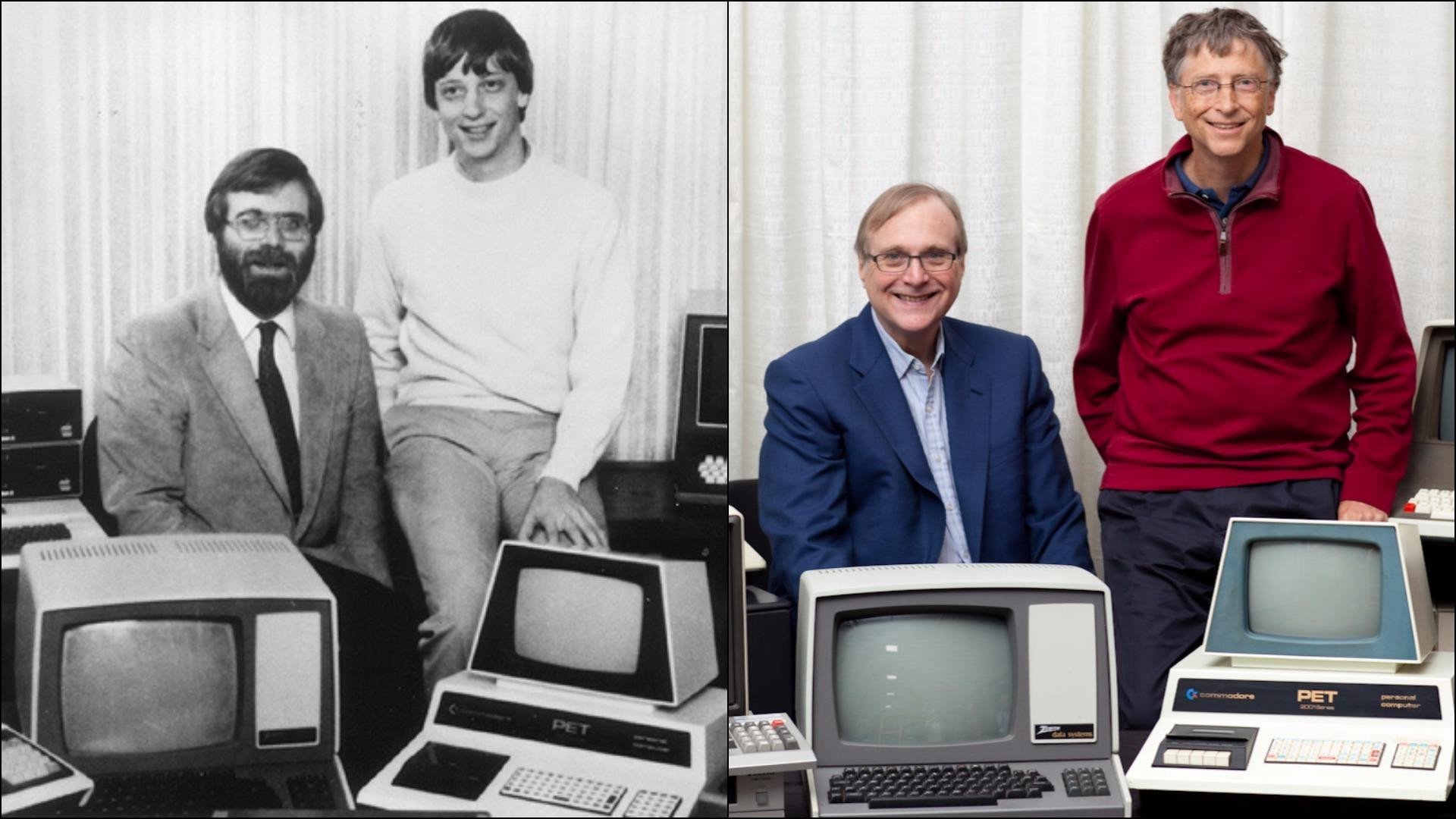
The sum of these early decisions—the visionary founding, the strategic shift from programming languages to operating systems, the embrace of graphical interfaces, the creation of a powerful application ecosystem, and the cultivation of a demanding but innovative culture—collectively forged the “Microsoft Way.” This unique approach to brand building emphasized ubiquitous licensing, aggressive product development, strategic partnerships, and a relentless focus on market leadership. These foundational elements didn’t just kickstart Microsoft; they cemented its corporate identity and established its brand legacy as a software titan. From a small startup in Albuquerque to a global technology leader, the story of Microsoft’s genesis is a quintessential case study in how a clear vision, strategic brand management, and continuous innovation can create an enduring and transformative corporate identity.
aViewFromTheCave is a participant in the Amazon Services LLC Associates Program, an affiliate advertising program designed to provide a means for sites to earn advertising fees by advertising and linking to Amazon.com. Amazon, the Amazon logo, AmazonSupply, and the AmazonSupply logo are trademarks of Amazon.com, Inc. or its affiliates. As an Amazon Associate we earn affiliate commissions from qualifying purchases.