
The narrative of Tesla, Inc. is often framed as a tale of technological disruption and environmental mission. However, from a business finance perspective, the acquisition of Tesla by Elon Musk is a complex case study in venture capital, equity management, and the aggressive consolidation of corporate control. While popular culture often credits Musk as the founder of the electric vehicle giant, the reality is a calculated financial maneuver that began with a Series A investment and ended with Musk as the dominant shareholder and Chief Executive Officer.
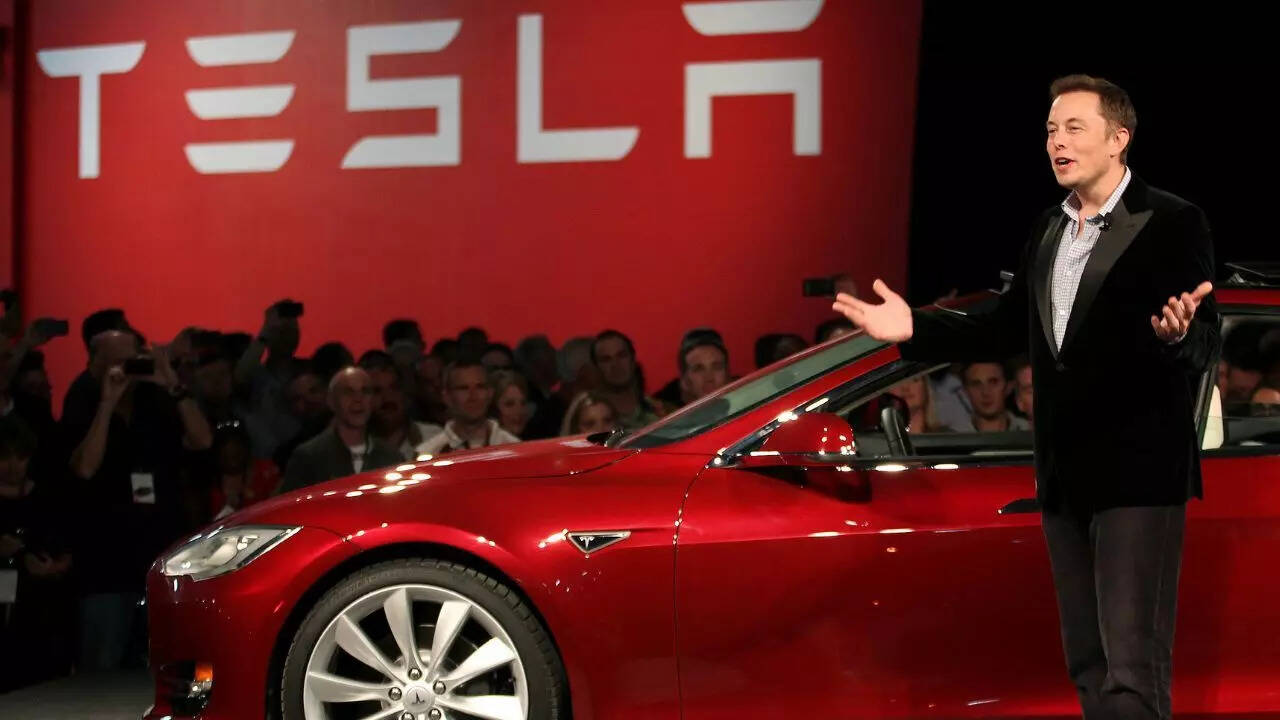
To understand how Musk acquired Tesla, one must look past the engineering and focus on the capital structure. It was not a traditional acquisition where one company buys another; rather, it was a multi-year process of financial positioning, strategic dilution of original founders, and a high-stakes gamble during the 2008 financial crisis.
The Seed Stage: Founding and the Search for Capital
Tesla Motors was incorporated in July 2003 by Martin Eberhard and Marc Tarpenning. The duo had recently sold their e-book company, NuvoMedia, and were looking to solve the problem of oil dependency through high-performance electric vehicles. At its inception, Tesla was a “lean startup” in the truest sense, possessing a vision but lacking the massive capital required for automotive manufacturing.
The Original Financial Vision
Eberhard and Tarpenning funded the company’s initial operations through early 2004, but the development of the “Roadster” prototype required millions in venture capital. Unlike software startups, which require minimal overhead, hardware companies—particularly in the automotive sector—face a “Valley of Death” where high R&D costs must be sustained for years before a single unit is sold.
The Entry of the Angel Investor
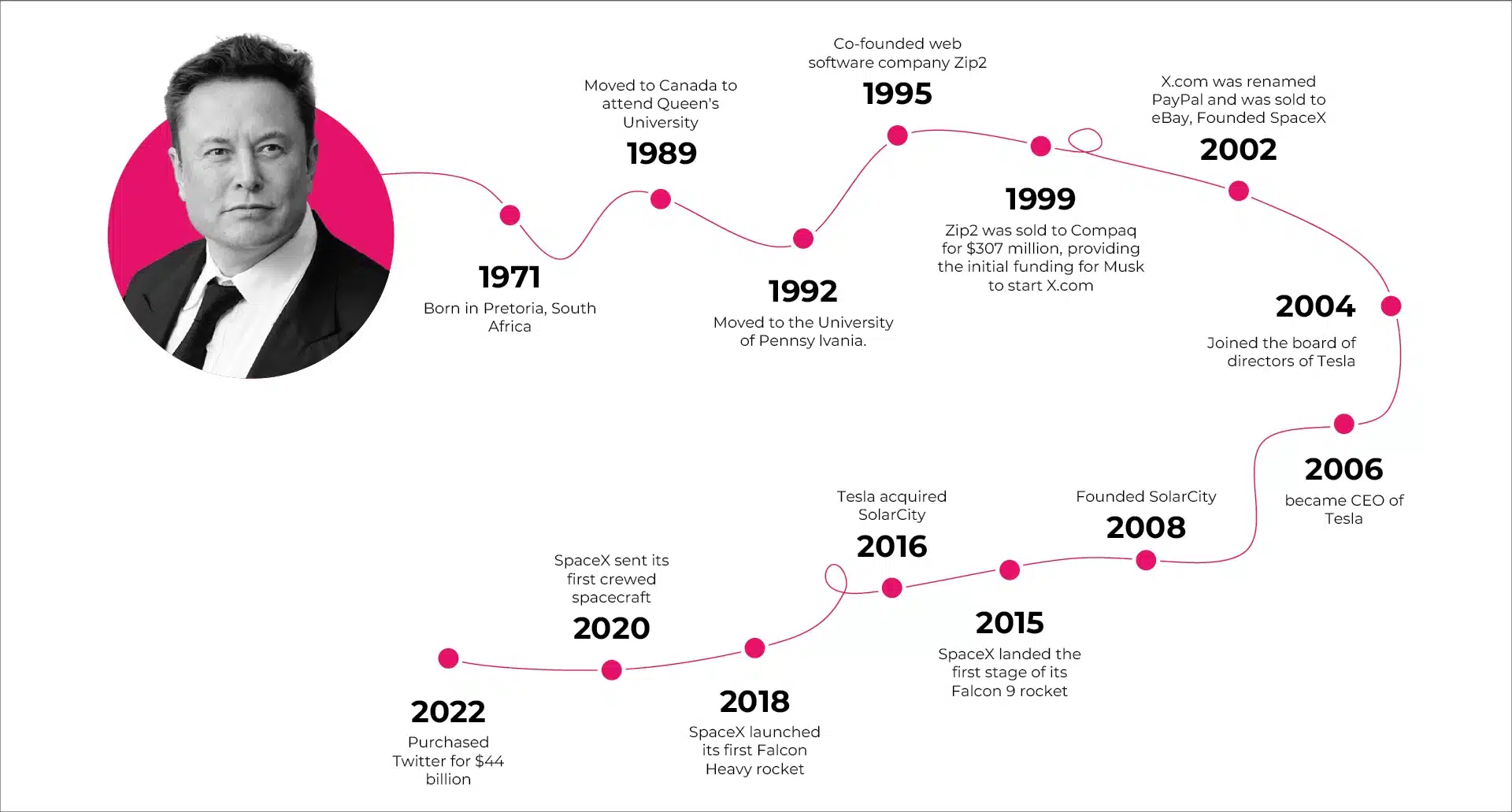
Elon Musk entered the frame in 2004. Having recently exited PayPal with a fortune of approximately $180 million after its sale to eBay, Musk was looking to deploy his capital into “frontier” industries: space and sustainable energy. When Eberhard and Tarpenning pitched Musk, they weren’t just looking for a passive investor; they were looking for a lead for their Series A round.
In February 2004, Musk led the Series A investment round, contributing $6.35 million of the $6.5 million raised. This financial move was the definitive moment of the acquisition. By providing the lion’s share of the capital, Musk didn’t just buy shares; he secured the position of Chairman of the Board. This gave him significant oversight over the company’s strategic direction and, more importantly, its future funding rounds.
The Mechanics of Equity Dilution and Series B-D Funding
The transition from a majority investor to the face of the company involved the sophisticated use of equity rounds. Between 2004 and 2008, Tesla required constant infusions of cash to keep the Roadster program alive. Each of these funding rounds provided Musk with an opportunity to increase his stake or exert more influence over the corporate governance structure.
Increasing the Stake via Series B and C
In 2005, Musk led the Series B round, which added another $13 million to the company’s coffers. Investors like Valor Equity Partners joined the fray, but Musk remained the primary financial engine. By 2006, Musk led the $40 million Series C round alongside prominent venture firms like VantagePoint Capital Partners and Draper Fisher Jurvetson.
From a business finance perspective, this period was characterized by “dilution.” Every time Tesla issued new shares to raise capital, the percentage of the company owned by the original founders, Eberhard and Tarpenning, decreased. Because Musk had the liquid capital to continue participating in (and leading) these rounds, he was able to maintain or even increase his ownership percentage while the founders saw their influence wane.
Strategic Board Realignment
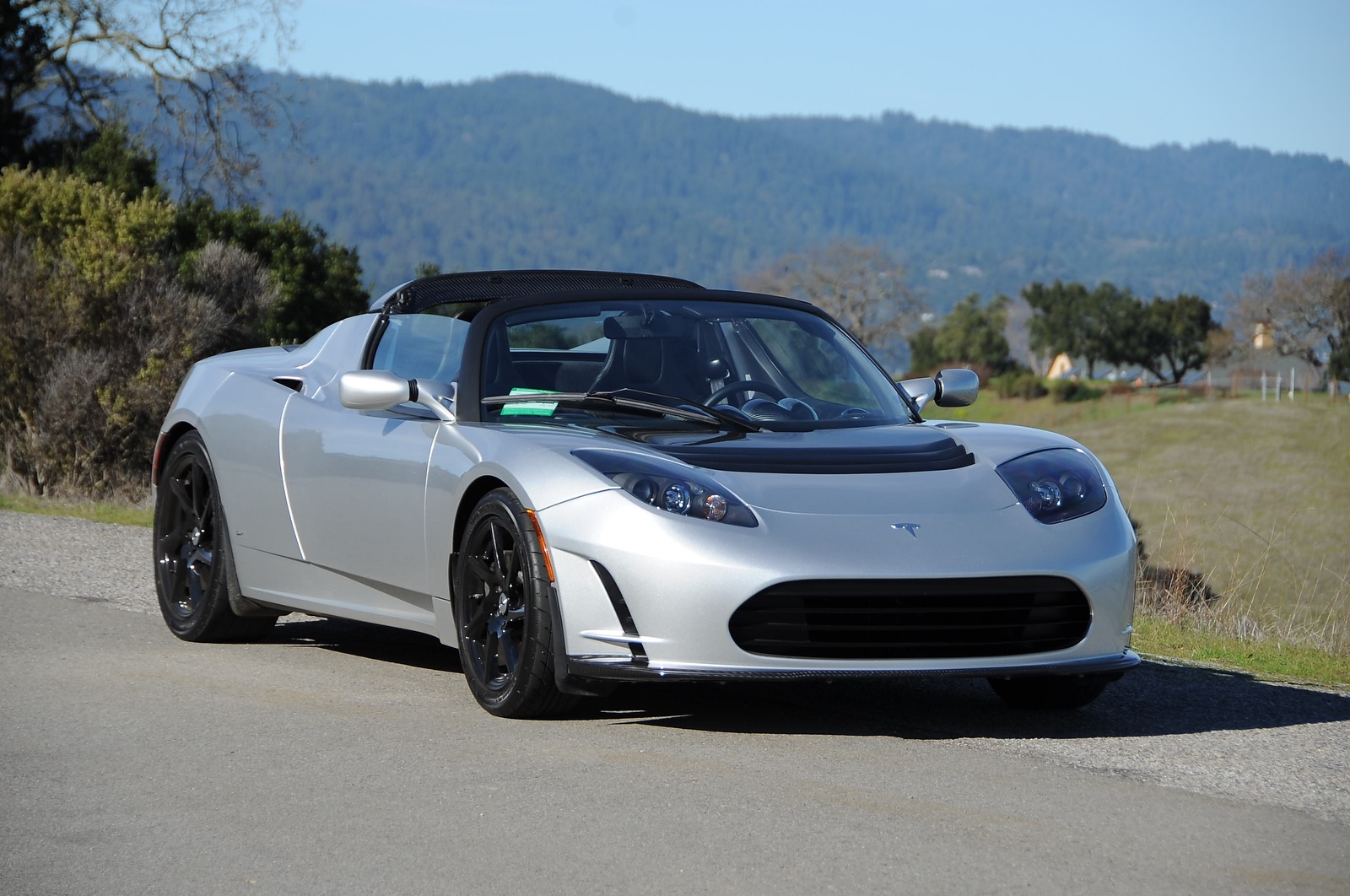
As Chairman, Musk’s role was technically oversight, but as the primary financier, his influence was absolute. The relationship between the founders and Musk began to fray as the Roadster faced significant production delays and cost overruns. The original projected cost of the Roadster was significantly lower than the actual manufacturing cost, a discrepancy that Musk blamed on Eberhard’s management.
In the world of corporate finance, when a company misses its financial milestones, the lead investors often exercise their rights to change management. In 2007, the board—led by Musk—voted to remove Eberhard as CEO. This was a pivotal moment in the “acquisition” of the company’s identity and operational control.
The 2008 Financial Crisis: The “All-In” Moment
If the Series A investment was the entry point, the 2008 financial crisis was the moment Musk fully consolidated his power. By late 2008, Tesla was on the verge of bankruptcy. The Roadster was expensive to build, the global economy was collapsing, and venture capital had dried up.
The $40 Million Bridge Loan
Tesla needed a desperate infusion of cash to survive until the end of the year. Musk proposed a $40 million internal funding round, which was essentially a debt-to-equity play. This was a “cram-down” round in many ways—it required existing investors to contribute more or face massive dilution.
Musk himself contributed his last remaining cash—roughly $20 million—and took a personal loan from SpaceX to cover the rest of his portion. This was a high-risk financial maneuver that essentially bet his entire personal net worth on the company’s survival. When the round closed on Christmas Eve 2008, Tesla was saved, but the cap table had been transformed. Musk was now the CEO, the largest shareholder, and the primary creditor.
The Role of Government Financing
While Musk’s personal capital was the catalyst, the “acquisition” of Tesla’s long-term viability was bolstered by the Department of Energy’s Advanced Technology Vehicles Manufacturing (ATVM) loan program. In 2009, Tesla secured a $465 million loan from the U.S. government. From a business finance standpoint, this was non-dilutive capital—it allowed the company to scale production of the Model S without selling more equity. This loan, which Tesla repaid in full with interest in 2013, solidified Musk’s control by preventing the need for further massive equity raises that might have challenged his majority influence.
The IPO and the Finalization of Control
The final step in Musk’s acquisition of Tesla wasn’t a private transaction, but the transition to the public markets. On June 29, 2010, Tesla Motors went public on the NASDAQ, offering 13.3 million shares at $17.00 per share.
Corporate Identity and Personal Branding
The IPO served two financial purposes. First, it provided the capital necessary for the development of the Model S. Second, it codified Musk’s position as the “Founder” in the eyes of the public and the financial markets. Although a legal settlement in 2009 allowed Eberhard, Tarpenning, and two others to also call themselves founders, the market viewed Musk as the primary architect of the company’s future.
Institutional Support and Market Cap Growth
Following the IPO, the “acquisition” moved into a phase of market capitalization expansion. Musk’s compensation packages were structured not with traditional salaries, but with massive, performance-based stock options. These packages, particularly the 2018 CEO Performance Award, were designed to give Musk even greater ownership of the company if he hit aggressive market cap and operational milestones.
By tying his personal wealth to the company’s valuation, Musk ensured that his control would only grow as the company succeeded. As Tesla’s valuation soared past $100 billion, then $500 billion, and eventually $1 trillion, Musk’s “acquisition” via equity grants made him not just the leader of the company, but one of the wealthiest individuals in history.
Lessons in Business Finance: The Musk Model
Elon Musk’s acquisition of Tesla is a masterclass in how capital can be used to pivot from a lead investor to a majority stakeholder and eventually to a dominant CEO. It highlights several key principles of business finance:
-
The Power of the Lead Investor: By leading the Series A, Musk secured the Chairman role, which gave him the legal and structural power to influence management changes.
-
Equity as a Weapon: Using successive funding rounds to dilute original founders is a common, albeit aggressive, tactic in venture capital. Musk’s ability to “follow his money” allowed him to stay atop the cap table while others were washed out.
-
Risk Management and Personal Liquidity: Musk’s decision to go “all-in” during 2008 shows that acquisition often requires more than just strategy; it requires a willingness to risk total insolvency for the sake of control.
-
Non-Dilutive Scaling: Leveraging government loans and public markets allowed the company to grow its valuation without Musk losing his grip on the voting rights.
Ultimately, Musk did not “buy” Tesla in the way a conglomerate buys a subsidiary. He invested his way into the company, funded its most difficult hours, and structured its growth to ensure that his equity stake remained the dominant force in the boardroom. It was an acquisition via capital infusion, executed over a decade of strategic financing.
aViewFromTheCave is a participant in the Amazon Services LLC Associates Program, an affiliate advertising program designed to provide a means for sites to earn advertising fees by advertising and linking to Amazon.com. Amazon, the Amazon logo, AmazonSupply, and the AmazonSupply logo are trademarks of Amazon.com, Inc. or its affiliates. As an Amazon Associate we earn affiliate commissions from qualifying purchases.