
In the pantheon of global enterprises, Amazon stands as an undeniable titan, an omnipresent force that has redefined commerce, technology, and even daily life. From its humble beginnings as an online bookstore to its sprawling empire encompassing cloud computing, streaming entertainment, artificial intelligence, and physical retail, Amazon’s growth has been nothing short of phenomenal. Yet, for many, a simple question lingers: how did this behemoth acquire its seemingly natural, yet profoundly impactful, name? The story of Amazon’s naming isn’t just a historical footnote; it’s a meticulously crafted narrative, a foundational exercise in brand strategy that profoundly influenced its trajectory and cemented its corporate identity. It’s a testament to the power of thoughtful naming as a cornerstone for building an enduring brand.
The Genesis of a Global Brand: Early Naming Explorations
Before Amazon became “Amazon,” its founder, Jeff Bezos, embarked on a deliberate and iterative process to christen his nascent online venture. This wasn’t a whimsical decision but a strategic endeavor to find a name that would not only represent his vision but also resonate with customers, stand out in a nascent digital landscape, and possess the longevity required for a truly transformative company.
The Initial Vision: From Books to Everything
Bezos’s initial concept was to create “Earth’s biggest bookstore,” a seemingly focused niche that masked a far grander ambition. He envisioned an online store that could offer an unparalleled selection, overcoming the physical limitations of traditional retail. The name, therefore, needed to convey scale, scope, and an almost boundless potential. Early brainstorming sessions explored a plethora of possibilities, each reflecting different facets of this burgeoning vision. Bezos understood that the name would be the first point of contact, a mnemonic device that would encapsulate his company’s essence before a single product was sold.
Rejected Names: A Glimpse into Early Brand Strategy
The path to “Amazon” was paved with several discarded names, each offering a fascinating insight into Bezos’s thought process and the prevailing brand considerations of the mid-1990s. One prominent early contender was “Cadabra,” a shortened version of “abracadabra,” intended to evoke magic, ease, and the wondrous experience of having books appear at one’s doorstep. While charming in its intent, the name faced a significant hurdle: when spoken quickly, “Cadabra” could easily be misheard as “cadaver,” a grim association that no burgeoning brand would want. This incident underscored the critical importance of phonetic clarity and avoiding unintended negative connotations – a fundamental principle in brand naming.
Another notable name considered was “Relentless.” This choice perfectly encapsulated Bezos’s aggressive, customer-obsessed, and unyielding drive to build the largest online retailer. In fact, if you type “relentless.com” into your browser today, you will still be redirected to Amazon.com. While “Relentless” captured the spirit of the founder and the company’s future operational ethos, it lacked the broader appeal and perhaps the aspirational quality that Bezos ultimately sought. It might have felt too confrontational or aggressive for a consumer-facing brand aiming for universal appeal, illustrating the balance between internal corporate culture and external brand perception.
Legal and Phonetic Considerations in Early Branding
Beyond thematic relevance, practical considerations heavily influenced the naming process. In the nascent days of the internet, securing a memorable and available domain name was paramount. The “.com” era was just beginning, and good, short, easily spellable domains were a hot commodity. Bezos and his team systematically scoured dictionary entries and conducted trademark searches, a painstaking process to ensure distinctiveness and legal viability. This period also highlighted the importance of phonetics – how a name sounds when spoken, its ease of pronunciation, and its potential for misinterpretation across different accents or languages. The goal was a name that rolled off the tongue, was easy to remember, and had universal resonance, free from regional specificities or accidental negative associations.
The “Amazon” Revelation: A Deliberate Brand Choice
The breakthrough came when Bezos, while flipping through a dictionary, stumbled upon the word “Amazon.” It was an epiphany, immediately recognized as the perfect embodiment of his company’s vast ambitions. This selection was not arbitrary; it was a carefully calculated branding move that leveraged symbolism, practicality, and future-proofing.
The Allure of the Amazon River: Symbolism of Scale and Diversity
The Amazon River, the largest river in the world by discharge volume and, depending on the definition, the longest, presented an incredibly potent metaphor for Bezos’s vision. Its immense size, unparalleled biodiversity, and the sheer volume of water it carries directly mirrored his aspiration to create “Earth’s biggest store” with the largest selection of products. The name instantly conveyed notions of magnitude, depth, and an almost inexhaustible supply. This symbolism was not merely descriptive; it was aspirational, planting the seed in consumers’ minds that this new online venture would offer an unparalleled and ever-expanding universe of goods, far beyond the confines of any physical bookstore. It suggested a flow, a constant movement, and an ever-growing ecosystem, mirroring the dynamic nature of e-commerce itself.
Alphabetical Advantage: A Strategic SEO Move Before SEO Existed
Another shrewd, albeit perhaps initially understated, benefit of the name “Amazon” was its alphabetical placement. In the early days of the internet, before sophisticated search engines dominated, many online directories and listings were ordered alphabetically. Being near the top of such lists (A for Amazon) provided a tangible competitive advantage in terms of visibility and discoverability. While not explicitly “Search Engine Optimization” as we understand it today, it was an early form of digital real estate strategy, ensuring that Amazon would appear prominently in any alphabetical compilation of online businesses. This demonstrated an astute understanding of nascent digital marketing and user behavior, giving the brand an edge in an emerging landscape where discovery was key.

Phonetics and Memorability: The Sound of Success
“Amazon” also satisfied the crucial criteria of being easy to pronounce, spell, and remember. It’s a word familiar to many, globally recognized for its geographical significance, and possesses a pleasing phonetic quality. It doesn’t contain awkward consonant clusters or unusual spellings that might confuse users. This simplicity and universality were vital for a brand aiming for global reach. A complex or unusual name might create barriers to entry, whereas “Amazon” felt approachable and familiar, instantly lending a sense of credibility and ease of use to a novel concept like online shopping. The name allowed for immediate brand recall and facilitated word-of-mouth marketing, making it easier for early adopters to share their experiences.
From Name to Narrative: Building the Amazon Brand Identity
The selection of “Amazon” was just the beginning. The subsequent years saw the company meticulously build out its brand identity, ensuring that every element, from its visual representation to its core messaging, reinforced the foundational promise embedded in its name.
The Logo’s Evolution: Reinforcing the “A to Z” Promise
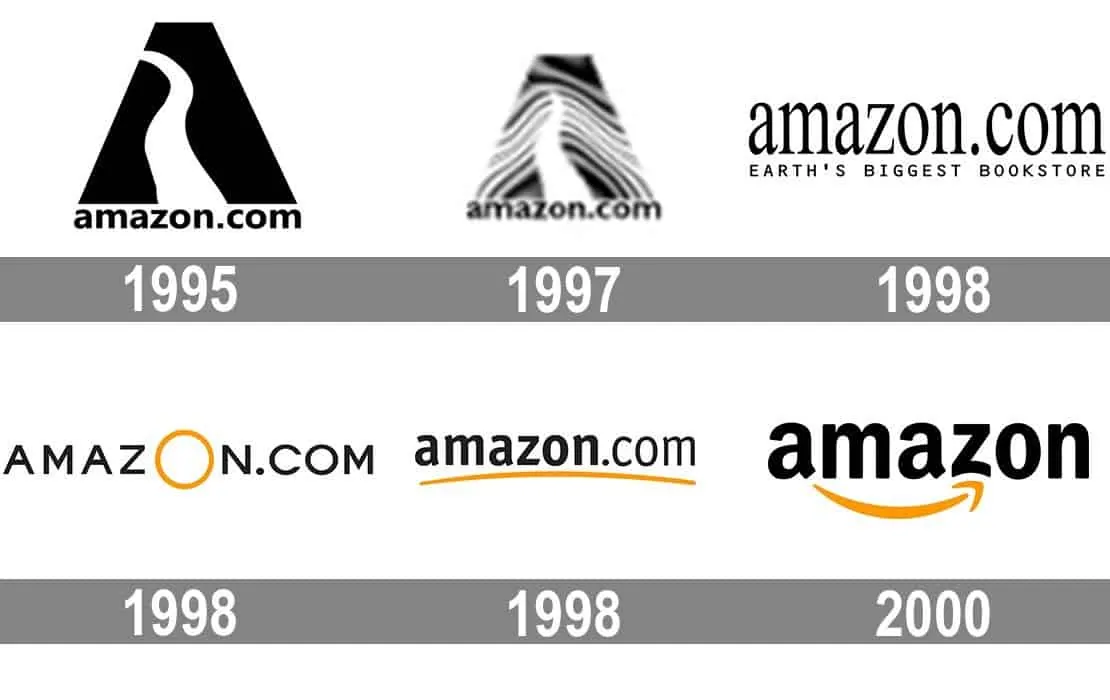
Amazon’s logo has evolved over time, but its most iconic iteration, featuring the orange arrow curving from the “A” to the “Z,” brilliantly reinforces the brand’s core promise. This simple yet powerful design element communicates two critical messages: firstly, that Amazon offers everything “from A to Z” – an unparalleled selection of products. Secondly, the arrow doubles as a smile, subtly conveying customer satisfaction and a positive shopping experience. This visual synergy between the name, the promise of vast selection, and the customer-centric approach is a masterclass in cohesive brand identity. The logo doesn’t just display the name; it illustrates its meaning and reinforces its value proposition, making it instantly recognizable and deeply impactful.
Brand Messaging and Values: “Work Hard, Have Fun, Make History”
Beyond the name and logo, Amazon’s brand identity is deeply interwoven with its corporate culture and messaging. Bezos famously articulated Amazon’s core values and operating principles early on, emphasizing customer obsession, long-term thinking, and innovation. The internal mantra to “Work Hard, Have Fun, Make History” speaks to a culture of relentless pursuit and groundbreaking achievement. This internal branding, focused on clarity of purpose and a shared vision, directly translates into the external brand perception. Amazon’s brand narrative is one of constant evolution, disruption, and an unwavering commitment to serving the customer, all stemming from the initial, expansive vision embodied by its name. This consistent alignment between internal values and external communication is a hallmark of strong brand management.
Expanding the Brand: From E-commerce to Cloud to Entertainment
The brilliance of the name “Amazon” lies in its inherent adaptability. While it initially anchored the concept of “Earth’s biggest bookstore,” its broader symbolic meaning of vastness and diversity allowed the brand to seamlessly expand into entirely new categories without feeling forced or disjointed. From Amazon Web Services (AWS), the global leader in cloud computing, to Amazon Prime Video, Audible, Kindle, and even grocery stores, the “Amazon” name has proven incredibly resilient. It doesn’t restrict the company to a single product or service; instead, it provides an overarching umbrella that suggests limitless possibilities. This ability to transcend its origins and embrace diverse ventures under a single, strong brand name is a testament to the foresight involved in its initial selection. The name itself became a platform for innovation, capable of carrying the weight of multiple industries.
The Enduring Power of a Well-Chosen Name
The story of how Amazon got its name serves as a compelling case study in the foundational importance of brand strategy. It underscores that a name is far more than a label; it’s a promise, a vision, and a strategic asset that can significantly contribute to a company’s long-term success.
Adaptability and Future-Proofing
One of the most profound lessons from Amazon’s naming journey is the value of choosing a name that is not overly literal or restrictive. Had Bezos chosen a name like “OnlineBooks.com” or “BookMarket,” the brand would have struggled immensely when it diversified into electronics, clothing, cloud services, and beyond. “Amazon,” with its abstract yet evocative symbolism of vastness, proved incredibly adaptable, future-proofing the brand against an ever-changing market landscape. This flexibility allowed the company to pivot and expand without undergoing costly rebrands, maintaining brand equity across diverse offerings.

A Legacy of Innovation and Brand Recognition
Today, Amazon is one of the most recognized and valuable brands globally. Its name is synonymous with convenience, selection, and innovation. This pervasive brand recognition and positive association are direct results of a consistent and deliberate branding effort, which began with the careful selection of its name. The power of “Amazon” lies not just in its meaning but in the collective experience it has come to represent for billions of people worldwide. It’s a name that signifies more than a company; it signifies a revolution in how we live, shop, and interact with technology. The name itself has become a shorthand for ambition, scale, and a relentless pursuit of customer satisfaction.
In conclusion, the journey to name Amazon was a strategic masterclass in brand identity. It involved vision, discernment, an understanding of market dynamics, and a keen eye for symbolism. By choosing “Amazon,” Jeff Bezos didn’t just pick a word; he laid the groundwork for a global phenomenon, crafting a brand identity that was expansive, adaptable, and ultimately, enduring. It is a powerful reminder for any entrepreneur or marketing professional that a well-chosen name is not merely an afterthought but a critical, strategic asset that can define a company’s legacy.
aViewFromTheCave is a participant in the Amazon Services LLC Associates Program, an affiliate advertising program designed to provide a means for sites to earn advertising fees by advertising and linking to Amazon.com. Amazon, the Amazon logo, AmazonSupply, and the AmazonSupply logo are trademarks of Amazon.com, Inc. or its affiliates. As an Amazon Associate we earn affiliate commissions from qualifying purchases.