
Embarking on the journey of entrepreneurship is a thrilling prospect, but its success hinges critically on a sound financial understanding and strategic planning. Creating a business isn’t merely about having a great idea; it’s about meticulously constructing a financially viable entity that can generate revenue, manage expenses, and ultimately, thrive. In a world brimming with opportunities and pitfalls, a robust financial blueprint is your most valuable asset. This guide delves into the essential financial considerations and steps involved in transforming a nascent idea into a flourishing enterprise, strictly through the lens of personal and business finance.
I. Laying the Foundation: Idea Validation and Financial Foresight
The genesis of any successful business lies in a compelling idea, but its viability is determined by its financial potential and market fit. Before investing time, energy, and capital, a thorough financial foresight is paramount.
Identifying a Market Need with Profit Potential
Every great business solves a problem or fulfills a need, but not all problems offer equal profit potential. The first financial step in creating a business is to identify a market gap that is both significant enough to attract customers and one for which customers are willing to pay. This involves rigorous market research focused on demand elasticity, competitive pricing, and potential revenue streams. Ask yourself:
- Who is your target customer, and what is their purchasing power? Understanding their demographic and financial capacity will inform your pricing strategy.
- What is the size of the total addressable market (TAM), and what share can you realistically capture? This directly translates into potential revenue projections.
- What are competitors charging, and what value proposition allows you to differentiate and justify your own pricing? Competitive analysis isn’t just about services; it’s about financial positioning.
- Can your proposed solution be delivered profitably? This is where you begin to assess the cost of goods sold (COGS) or the cost of service delivery relative to potential selling prices.
Failure to validate an idea’s financial viability at this stage can lead to significant capital misallocation down the line. A strong profit potential underpins every other financial decision.
Crafting a Robust Business Plan: The Financial Roadmap
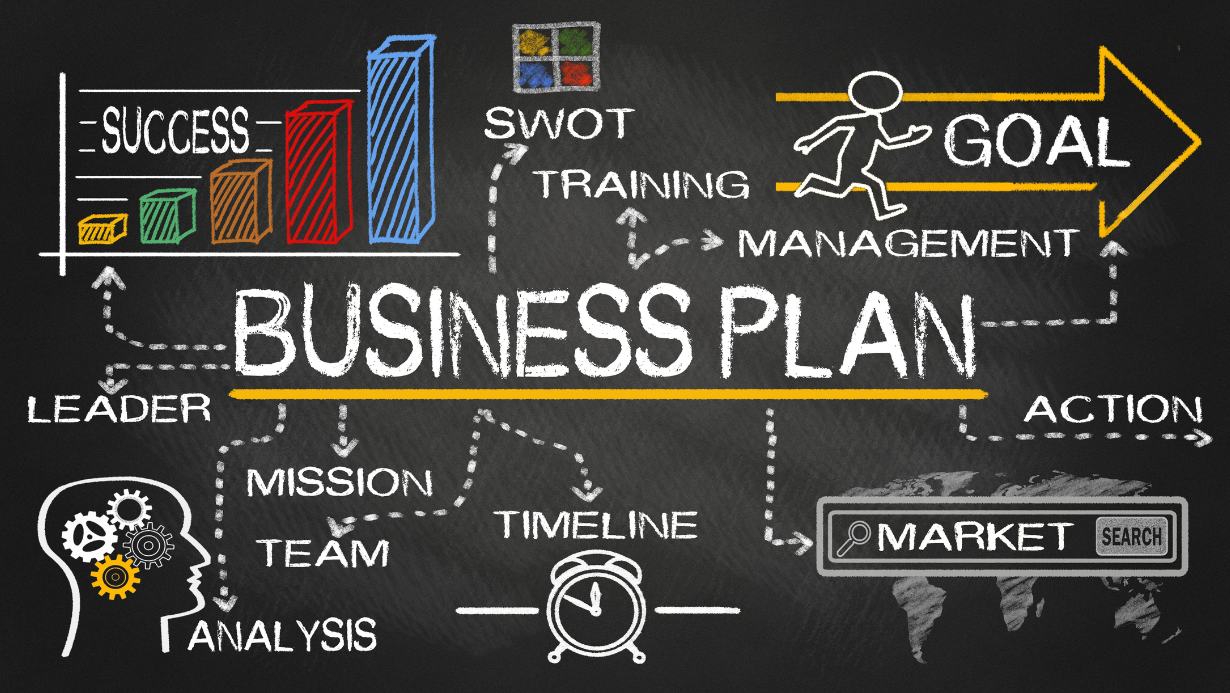
A business plan is more than a mere document; it’s a living financial roadmap that guides your venture from conception to growth. While it covers various aspects, its core purpose is to outline the financial trajectory and requirements of the business.
- Executive Summary: A concise overview that highlights the financial opportunity.
- Market Analysis: Detailed breakdown of market size, target audience, and competitive financial positioning.
- Products/Services: Description of what you offer, including pricing models, cost structures, and potential profit margins for each offering.
- Marketing and Sales Strategy: How you will reach customers and convert them, with clear financial projections for marketing spend (Customer Acquisition Cost – CAC) and expected revenue generation.
- Management Team: An outline of the expertise brought to the table, often tied to salary expectations and equity structures.
- Financial Projections: This is the most critical section. It includes:
- Startup Costs: A detailed list of every initial expense, from legal fees and permits to equipment and initial inventory.
- Revenue Projections: Conservative, realistic, and optimistic forecasts for sales over 1-3 years.
- Operating Expenses: Monthly fixed and variable costs (rent, utilities, salaries, marketing, insurance, etc.).
- Cash Flow Statement: Projecting how much money comes in and goes out, critical for managing liquidity.
- Profit and Loss (P&L) Statement: Forecasting revenue, costs, and ultimately, net profit.
- Balance Sheet: Projecting assets, liabilities, and owner’s equity.
- Break-Even Analysis: Determining the point at which your business will cover all its costs and begin to make a profit.
A well-researched financial section in your business plan not only provides clarity for you but is also indispensable when seeking external funding. It demonstrates foresight and a clear understanding of the financial mechanics of your business.
Choosing the Right Legal Structure for Financial and Tax Efficiency
The legal structure of your business has profound implications for personal liability, taxation, administrative burden, and ability to raise capital. This choice is fundamentally a financial one.
- Sole Proprietorship: Simple, low cost to set up, but offers no personal liability protection. All business income is personal income, subject to self-employment taxes.
- Partnership: Similar to sole proprietorship but with multiple owners. Shared profits and losses, but also shared liability.
- Limited Liability Company (LLC): Offers personal liability protection (separates personal and business assets) while providing flexible tax treatment (can be taxed as a pass-through entity like a sole proprietorship/partnership, or even as an S-corp or C-corp). This is a popular choice for many small businesses due to its balance of protection and flexibility.
- Corporation (S-Corp or C-Corp): Provides the strongest personal liability protection, making it attractive for businesses seeking significant investment. C-corps are subject to “double taxation” (corporate profits taxed, then dividends taxed to shareholders), while S-corps avoid this by passing profits/losses directly to owners’ personal income. Corporations involve more complex setup and ongoing compliance costs but facilitate raising capital through equity.
Selecting the appropriate structure from the outset can save significant money in taxes and legal fees, while also protecting your personal assets from business liabilities. It’s advisable to consult with an accountant or legal professional to make an informed decision tailored to your specific financial goals and risk tolerance.
II. Fueling Your Venture: Securing Capital and Managing Early Finances
Once your financial blueprint is established, the next critical step is securing the necessary capital to bring your vision to life and manage these funds effectively during the crucial early stages.
Exploring Funding Avenues: From Bootstrapping to Investors
Few businesses can launch without some form of initial capital. The source of this funding significantly impacts financial control, repayment obligations, and future growth potential.
- Bootstrapping/Self-Funding: Utilizing personal savings, credit cards, or generating revenue from initial sales to fund operations. This method provides maximum financial control and avoids debt or equity dilution but can be limiting in scale and stressful on personal finances. It forces financial discipline and lean operations from day one.
- Friends and Family: Often a more accessible source of capital than traditional lenders, but it’s crucial to formalize these arrangements with clear loan agreements or equity stakes to avoid personal financial strain.
- Small Business Loans/Lines of Credit: Offered by banks and credit unions, these require a solid business plan, good personal credit, and often collateral. Government-backed loans (e.g., SBA loans in the US) can offer more favorable terms. This is a debt obligation with regular repayment schedules and interest.
- Grants: Non-repayable funds often available from government agencies or non-profits for businesses meeting specific criteria (e.g., innovation, social impact). Highly competitive and project-specific.
- Angel Investors: High-net-worth individuals who provide capital for start-ups, usually in exchange for ownership equity. They often bring valuable mentorship and connections.
- Venture Capital (VC): Firms that invest in high-growth potential companies in exchange for significant equity. Typically sought after by tech start-ups aiming for rapid scale. VCs demand high returns and often exert influence on strategic direction.
Each funding source comes with its own financial implications—cost of capital, control over the business, and expectations for returns. Choose wisely based on your business’s needs and long-term financial strategy.
Budgeting and Initial Financial Projections
With funding secured, meticulous budgeting is essential to ensure every dollar is spent wisely. Initial financial projections, once theoretical, now become actionable targets.
- Startup Budget: A detailed breakdown of how the initial capital will be allocated across all one-time setup costs (equipment, inventory, legal, marketing, initial salaries). This must be strictly adhered to to avoid running out of cash before launch.
- Operating Budget: A monthly or quarterly projection of ongoing revenues and expenses. This helps anticipate cash flow shortages and highlights areas for cost reduction.
- Emergency Fund: Always allocate a portion of your initial capital as an emergency fund, typically 3-6 months of operating expenses. Unexpected costs are common, and this buffer can be the difference between survival and failure.
- Key Performance Indicators (KPIs): Beyond just revenue and profit, track critical financial metrics from the beginning, such as customer acquisition cost (CAC), customer lifetime value (CLTV), churn rate, gross margin, and burn rate. These metrics provide early insights into financial health and operational efficiency.
Regularly review your actual spending against your budget and adjust as necessary. This iterative process is crucial for maintaining financial control in the volatile early stages.
Setting Up Essential Financial Systems
Establishing robust financial systems from the outset simplifies operations, ensures compliance, and provides accurate data for decision-making.
- Business Bank Account: Absolutely essential to separate personal and business finances. This simplifies accounting, tax preparation, and provides a clear financial history for your business.
- Accounting Software: Implement user-friendly accounting software (e.g., QuickBooks, Xero, FreshBooks). This helps track income and expenses, manage invoices, reconcile bank accounts, and generate financial reports. Proper bookkeeping is not just for taxes; it’s for understanding your business’s financial performance.
- Payment Processing: Set up reliable and secure payment gateways for accepting customer payments (e.g., Square, Stripe, PayPal). Understand their fees and how they impact your revenue.
- Payroll System (if applicable): If hiring employees, choose a payroll service that handles salaries, taxes, and compliance (e.g., Gusto, ADP). This is a complex area with significant financial penalties for errors.
- Tax Compliance: Understand your federal, state, and local tax obligations (income tax, sales tax, payroll tax, self-employment tax). Engage with a qualified accountant or tax advisor early on to ensure compliance and identify potential deductions.

These systems form the backbone of your financial operations, providing the data needed to make informed decisions and ensuring legal and tax compliance.
III. Operationalizing for Profitability: Pricing, Sales, and Cash Flow Management
With your business launched and initial finances in order, the focus shifts to day-to-day operations aimed at generating revenue and maximizing profitability. This involves strategic pricing, effective sales, and rigorous cash flow management.
Strategic Pricing Models for Sustainable Revenue
Pricing is one of the most powerful financial levers a business has. It directly impacts revenue, profit margins, and market perception.
- Cost-Plus Pricing: Adding a markup percentage to the cost of production. Simple but may not reflect market value or competitive landscape.
- Value-Based Pricing: Setting prices based on the perceived value to the customer, rather than just cost. Requires a deep understanding of customer needs and willingness to pay. This often leads to higher profit margins.
- Competitive Pricing: Setting prices relative to competitors. Requires careful monitoring of the market to avoid price wars that erode margins.
- Freemium/Subscription Models: Offering a basic service for free to attract users, then charging for premium features (freemium), or charging recurring fees for access (subscription). Popular in software and services, focused on Customer Lifetime Value (CLTV).
- Dynamic Pricing: Adjusting prices based on real-time demand, supply, and other market factors. Used by airlines, ride-sharing, and e-commerce.
Your pricing strategy should not only cover your costs and generate profit but also align with your brand’s value proposition and market positioning. Regularly review and adjust your pricing as market conditions, costs, and customer perceived value evolve.
Driving Sales and Understanding Customer Acquisition Costs (CAC)
Sales are the engine of your business’s revenue. While marketing strategies drive awareness, the financial focus here is on efficient customer acquisition and conversion.
- Sales Funnel Optimization: Understand the conversion rates at each stage of your sales process (leads to prospects to customers). Identify bottlenecks and optimize for financial efficiency.
- Return on Marketing Investment (ROMI): Track the financial return on every marketing dollar spent. Which channels are most cost-effective in acquiring customers?
- Customer Acquisition Cost (CAC): Calculate the average cost to acquire a new customer. This is a critical metric for profitability. A high CAC relative to your profit margin per customer indicates an unsustainable business model.
- Upselling and Cross-selling: Maximizing the revenue generated from existing customers is often far more cost-effective than acquiring new ones. Focus on strategies to increase the average order value (AOV) and customer lifetime value (CLTV).
- Sales Performance Metrics: Monitor sales volume, revenue per customer, sales cycle length, and gross profit per sale to gauge the financial health of your sales efforts.
Every sale contributes to revenue, but understanding the underlying costs of that sale and the efficiency of your sales channels is paramount for long-term financial success.
Mastering Cash Flow: The Lifeblood of Your Business
Cash flow is the movement of money into and out of your business. Profitability is important, but a lack of cash (even for profitable businesses) can lead to insolvency.
- Cash Flow Projections: Continuously update your 12-month cash flow forecast. This helps anticipate periods of surplus and deficit, allowing you to plan for investments or secure short-term financing.
- Accounts Receivable Management: Implement clear invoicing procedures and timely follow-ups to ensure customers pay on time. Slow-paying customers tie up your cash.
- Accounts Payable Management: Strategically manage when you pay your suppliers. Negotiate favorable payment terms, but always pay bills on time to maintain good relationships and credit.
- Inventory Management: For product-based businesses, efficient inventory management minimizes carrying costs (storage, insurance, obsolescence) and prevents capital from being tied up in unsold goods.
- Working Capital Management: Optimize your current assets (cash, receivables, inventory) and current liabilities (payables) to ensure you have enough liquid assets to meet short-term obligations.
A positive cash flow ensures liquidity, allowing you to pay employees, suppliers, and invest in growth. It’s the single most critical financial indicator for day-to-day operations and survival.
IV. Growth and Long-Term Financial Health
Once your business is generating consistent revenue and managing its cash flow, the focus shifts to sustainable growth and securing long-term financial health. This involves strategic reinvestment, continuous monitoring, and proactive risk management.
Reinvesting Profits for Scalable Expansion
Growth requires capital, and the most sustainable form of capital for a mature business often comes from its own profits. Strategic reinvestment is key to scaling without excessive debt or equity dilution.
- Growth Opportunities: Identify profitable avenues for expansion – new markets, product lines, technology upgrades, increased production capacity, or marketing campaigns with a proven ROMI.
- Capital Expenditure (CapEx) Planning: Budget for significant investments in assets (e.g., new machinery, property) that will generate future revenue or efficiency. Evaluate the return on investment (ROI) for each CapEx project.
- Working Capital Needs for Growth: As you scale, you’ll need more working capital to finance increased inventory, accounts receivable, and operational expenses. Plan for these increased demands on your cash flow.
- Dividend vs. Reinvestment Decisions: For profitable businesses, a critical financial decision is how much profit to retain for reinvestment versus distributing to owners (dividends or draws). Reinvestment fuels future growth, while distributions reward owners. This balance impacts the company’s financial strength and growth trajectory.
Thoughtful reinvestment transforms short-term profits into long-term assets and expanded capabilities, fostering sustainable growth and increasing overall business value.
Monitoring Key Financial Performance Indicators (KPIs)
Consistent monitoring of financial KPIs is non-negotiable for long-term health. These metrics act as an early warning system and guide strategic adjustments.
- Profit Margins (Gross, Operating, Net): Track these over time to ensure your core operations remain profitable and efficient. Declining margins signal potential issues with pricing, costs, or efficiency.
- Return on Investment (ROI): For specific projects or investments, calculate the financial return to assess their effectiveness and guide future capital allocation decisions.
- Debt-to-Equity Ratio: If you have taken on debt, monitor this ratio to ensure your business remains financially stable and can comfortably service its obligations.
- Customer Lifetime Value (CLTV): Understand the total revenue a customer is expected to generate over their relationship with your business. This, alongside CAC, informs marketing spend and retention strategies.
- Burn Rate (for startups): How quickly your business is spending its cash reserves. Essential for managing runway and planning for future funding rounds.
Regularly reviewing a dashboard of these and other relevant KPIs allows you to proactively address financial issues, seize opportunities, and ensure the business stays on track towards its financial goals.

Navigating Financial Challenges and Risk Management
No business journey is without financial hurdles. Proactive risk management and a prepared response to challenges are vital for long-term resilience.
- Contingency Planning: Develop financial contingency plans for adverse scenarios like economic downturns, supply chain disruptions, or unexpected competitive threats. How will your cash flow and profitability be impacted, and what measures can you take?
- Insurance: Adequate business insurance (liability, property, interruption, key-person) is a financial safeguard against unforeseen events that could otherwise cripple your business.
- Diversification: Diversifying revenue streams, customer bases, and even supplier relationships can reduce financial risk by minimizing reliance on a single source.
- Economic Awareness: Stay informed about broader economic trends, interest rate changes, and regulatory shifts that could impact your business’s financial landscape.
- Succession Planning: For owner-operated businesses, planning for a smooth transition (sale, family transfer, or management buy-out) is a critical long-term financial strategy to maximize the value of your life’s work.
By anticipating potential financial risks and developing strategies to mitigate them, you build a more robust and resilient business capable of weathering storms and achieving enduring financial success.
Creating a business is a dynamic process, inherently tied to financial decision-making at every turn. From the initial spark of an idea to sustainable growth, a deep understanding and proactive management of financial principles are not just beneficial—they are indispensable for building an enterprise that endures, generates wealth, and truly thrives.
aViewFromTheCave is a participant in the Amazon Services LLC Associates Program, an affiliate advertising program designed to provide a means for sites to earn advertising fees by advertising and linking to Amazon.com. Amazon, the Amazon logo, AmazonSupply, and the AmazonSupply logo are trademarks of Amazon.com, Inc. or its affiliates. As an Amazon Associate we earn affiliate commissions from qualifying purchases.