
In the world of personal branding and professional image consulting, the details often determine the difference between a look that feels “off” and one that appears effortless and polished. While many individuals focus on the surface color of their skin—whether it is fair, tan, or deep—the secret to selecting the most flattering wardrobe, makeup, and accessory palette lies in understanding skin undertones. In the context of brand strategy and visual identity, mastering this color theory is essential for projecting confidence and authenticity.
The Foundation of Visual Identity: Defining Undertones
At its core, your skin’s undertone is the subtle hue that sits beneath the surface of your skin. Unlike surface skin tone, which can change due to sun exposure, aging, or hormonal shifts, your undertone remains constant throughout your life. In personal branding, these undertones dictate which colors make your skin appear vibrant and healthy versus colors that may make you look washed out or tired.
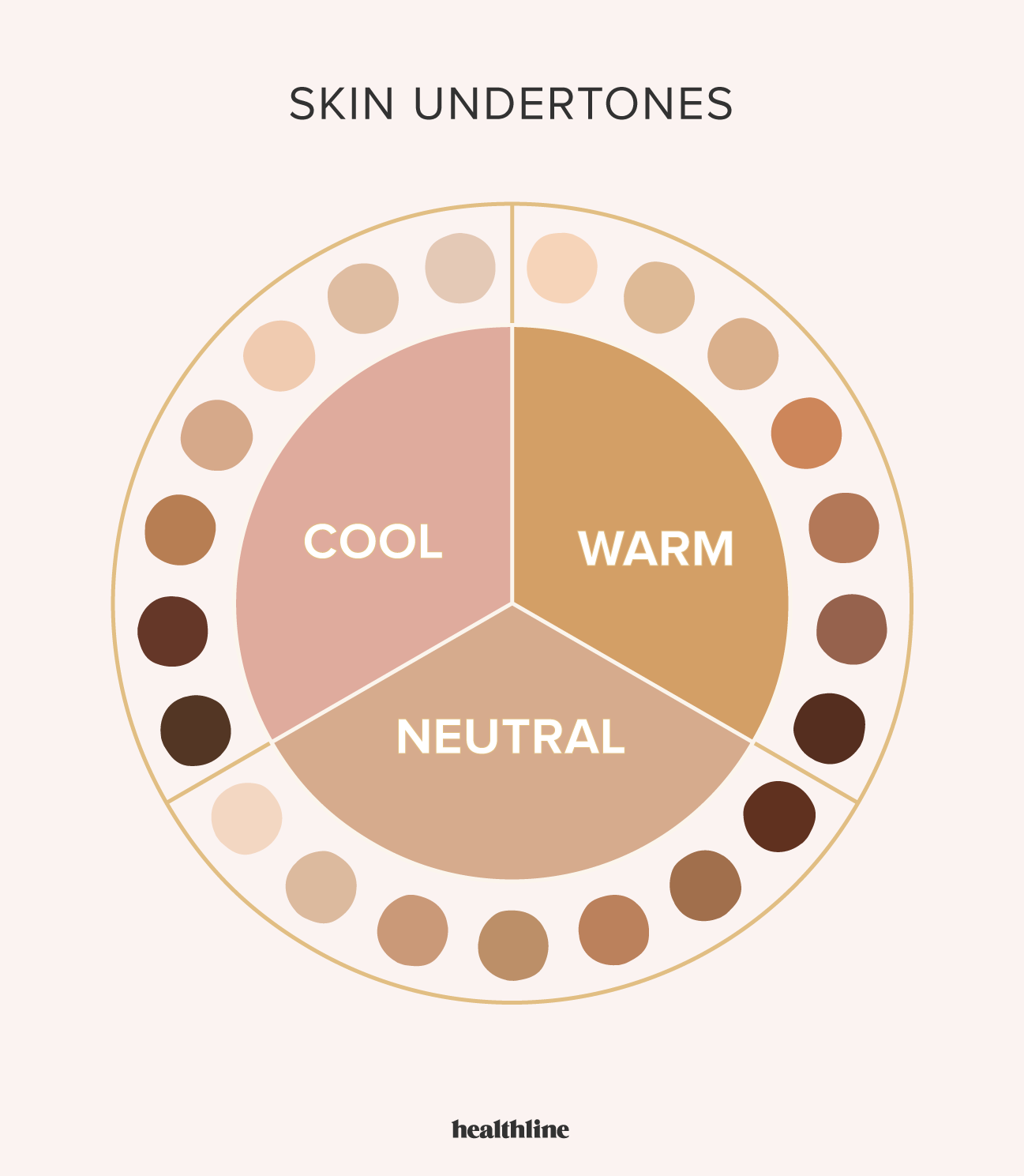
Categorizing the Spectrum
Professionals generally categorize skin undertones into three distinct groups: Cool, Warm, and Neutral. Understanding which category you fall into is a fundamental step in personal color analysis.
- Cool Undertones: These individuals possess hints of blue, pink, or red beneath their skin. If you have cool undertones, you likely resonate with jewel tones and cool-based colors.
- Warm Undertones: These individuals lean toward yellow, peachy, or golden undertones. Earth tones and golden hues typically complement this category.
- Neutral Undertones: Those in this category have a balance of both warm and cool shades. Often, the undertone matches the surface color of the skin, making these individuals the most versatile when selecting a color palette.
Analytical Methods for Identifying Your Undertone
Determining your undertone requires a systematic, objective approach. Much like performing a brand audit, you must remove external biases and look at the raw data of your features.
The Vein Test
One of the most common and effective ways to gauge your undertone is to examine the veins on the inside of your wrist. Because the skin is thinnest in this area, the color of your veins is a strong indicator of the underlying pigment.
- Cool Undertones: If your veins appear blue or purple, it is a clear indicator that you lean toward the cool end of the spectrum.
- Warm Undertones: If your veins appear green or olive, you likely possess warm undertones. Note that your veins are not actually green; rather, the blue of the veins showing through your yellow-toned skin creates the optical illusion of green.
- Neutral Undertones: If you struggle to distinguish between blue and green, or if your veins appear to be a color close to your skin tone, you likely have neutral undertones.
The Jewelry Preference Test
Your subconscious preference for jewelry often aligns with your skin’s undertone because the metal acts as a reflector, casting its color onto your skin.
- Silver and Platinum: If silver jewelry makes your skin appear bright and clear, you are likely cool-toned. Cool undertones are harmonized by the crisp, icy reflection of silver metals.
- Gold and Brass: If yellow gold makes your complexion appear glowing and radiant, you are likely warm-toned. The warmth of the metal complements the golden or yellow baseline of your skin.
- Mixed Metals: If you find that you look equally striking in both silver and gold, you are almost certainly neutral. This provides you with the luxury of a broader range of accessories in your professional wardrobe.
The White Paper Test
To remove the confusion caused by artificial lighting, use the white paper test to isolate your skin tone. Hold a pure white sheet of paper up to your clean, makeup-free face.

- Pink/Rose/Blue: If your skin appears pink or rosy next to the white paper, you are cool.
- Yellow/Gold/Peach: If your skin appears yellowish or golden against the paper, you are warm.
- Grey/Ash: If your skin appears grey or seems to change color depending on the environment, you likely have an olive or neutral undertone.
Applying Color Theory to Professional Branding
Once you have identified your undertones, this knowledge becomes a powerful tool in your personal branding arsenal. Your clothing choices and aesthetic presentation serve as a silent communication tool. When your color palette aligns with your natural undertones, you create a sense of visual harmony that signals competence and self-awareness to others.
Wardrobe Selection and Personal Branding
Your professional attire is an extension of your brand identity. For individuals with cool undertones, incorporating deep navy, emerald green, royal purple, and crisp whites into their professional wardrobe will enhance their natural coloring. These colors project stability and professionalism.
Conversely, those with warm undertones should lean into rich, earthy palettes. Colors such as mustard yellow, olive green, cream, taupe, and terracotta create a cohesive look that suggests approachability and warmth.
For the neutral-toned individual, the strategy is one of balance. You can experiment with both palettes but should gravitate toward muted tones or soft versions of both cool and warm colors. Avoiding overly vibrant neon shades—unless they are strategic accents—will help maintain a grounded, sophisticated image.
Makeup and Grooming for the Professional
In professional settings, grooming is a critical component of corporate identity. For those who wear makeup, selecting a foundation with the correct undertone is paramount. A common mistake is selecting a foundation based solely on surface lightness. If a cool-toned person uses a warm-toned foundation, the face will appear muddy or orange.
When presenting yourself for headshots, public speaking, or client meetings, ensure your cosmetic choices—lipsticks, eyeshadows, and bronzers—align with your undertone. A cool-toned red lipstick, for example, will have a blue base, while a warm-toned red will have an orange base. Using the correct shade enhances the vibrancy of your eyes and the evenness of your skin, which is vital for building trust and projecting a high-caliber image.
Sustaining Your Visual Brand Strategy
Developing a keen awareness of your undertones is not merely about fashion; it is about consistency. In personal branding, consistency is the bedrock of recognition. By curating a color palette that consistently highlights your undertones, you streamline your morning routine, reduce decision fatigue, and ensure that every interaction—from a Zoom call to an in-person conference—reflects a high level of intentionality.
The Impact of Consistency
When you consistently dress in colors that honor your undertones, you cultivate a “signature look.” People will begin to associate your brand with a certain level of polish and aesthetic clarity. This level of detail demonstrates to your peers, clients, or employers that you pay attention to the fine points—a trait highly valued in any leadership or creative role.

Evolving with Your Brand
While your undertones stay the same, your professional style may evolve. As you climb the corporate ladder or pivot your personal brand, remember that the “rules” of color theory are meant to be a framework, not a cage. Use your understanding of your undertones as the anchor for your choices. If you want to experiment with a new brand color or a different style of clothing, check it against your undertone first. If the color makes you feel empowered and looks harmonious with your features, it is a viable addition to your brand image.
In conclusion, understanding your skin undertones is a foundational element of effective personal branding. It allows you to move away from guesswork and toward an intentional, data-driven approach to your visual identity. By mastering this nuance, you ensure that every aspect of your professional presentation is in alignment, ultimately helping you project the most confident, authentic version of yourself.
aViewFromTheCave is a participant in the Amazon Services LLC Associates Program, an affiliate advertising program designed to provide a means for sites to earn advertising fees by advertising and linking to Amazon.com. Amazon, the Amazon logo, AmazonSupply, and the AmazonSupply logo are trademarks of Amazon.com, Inc. or its affiliates. As an Amazon Associate we earn affiliate commissions from qualifying purchases.