
The television landscape has undergone a dramatic transformation over the past decade, shifting profoundly from the traditional, rigid bundles offered by cable and satellite providers to a more flexible, personalized, and often more affordable model: live TV streaming. For many, the idea of “streaming” once conjured images of on-demand movies and TV shows, but today, it encompasses the ability to watch your favorite broadcast networks, sports, news, and special events in real-time, just as you would with conventional television, but delivered over the internet. This cord-cutting revolution has empowered viewers with unprecedented choice, control, and convenience, fundamentally reshaping how we consume media. Navigating this new frontier, however, can be complex, with a multitude of services, devices, and considerations to weigh. This guide will demystify the world of live TV streaming, offering a comprehensive overview of how you can access your favorite live content, the essential technology required, and key insights to help you make informed decisions tailored to your viewing habits and budget.
Understanding the Landscape of Live TV Streaming
The move towards live TV streaming is more than just a technological shift; it’s a cultural phenomenon driven by a desire for greater flexibility and value. Historically, access to a broad range of live channels meant subscribing to expensive cable or satellite packages, often laden with channels you never watched and long-term contracts. The internet changed everything, enabling a new paradigm where content delivery is decoupled from proprietary infrastructure.
The Cord-Cutting Revolution
The term “cord-cutting” refers to the act of canceling traditional cable or satellite television subscriptions in favor of internet-based alternatives. This trend gained momentum as broadband internet became ubiquitous and streaming services matured. The primary drivers behind this revolution include:
- Cost Savings: Traditional TV packages often come with high monthly fees, equipment rental charges, and hidden surcharges. Streaming services typically offer more competitive pricing and transparent billing.
- Flexibility and Customization: Rather than being locked into large bundles, streamers can often pick and choose services, subscribe month-to-month, and cancel anytime without penalty.
- On-Demand Integration: Many live TV streaming services seamlessly integrate a vast library of on-demand content with their live offerings, providing the best of both worlds.
- Portability: Live TV can be streamed on a wide array of devices—smartphones, tablets, laptops, and streaming boxes—meaning you can watch your content virtually anywhere with an internet connection, not just on a TV connected to a cable box.
Key Components of a Streaming Setup
To embark on your live TV streaming journey, a few fundamental components are essential:
- Reliable Internet Connection: This is the absolute cornerstone. Live streaming, especially in high definition (HD) or 4K, demands significant bandwidth. A stable, high-speed connection prevents buffering and ensures a smooth viewing experience.
- Streaming Device: While some smart TVs have built-in apps, dedicated streaming devices (like Roku, Amazon Fire TV, Apple TV, or Google Chromecast) offer a consistent, user-friendly interface and access to virtually all major streaming services.
- Live TV Streaming Service Subscription: This is where you choose your virtual cable provider, selecting from a growing list of services that bundle live channels.
Popular Live TV Streaming Services
The market for live TV streaming services is robust and competitive, offering a diverse array of options designed to cater to different preferences and budgets. These services essentially replace your cable provider, delivering live broadcasts over the internet.
Subscription-Based Platforms
These are the direct replacements for traditional cable, offering a bundle of popular live channels for a monthly fee. Each has its unique strengths, channel lineups, pricing structures, and features.
- YouTube TV: Known for its excellent user interface, unlimited cloud DVR storage, and strong channel lineup covering a wide range of sports, news, and entertainment. It offers a comprehensive package ideal for families.
- Hulu + Live TV: Combines Hulu’s extensive on-demand library with a robust selection of live channels, making it a compelling option for those who want both live and on-demand content in one place. It also includes Disney+ and ESPN+ in its base plan.
- Sling TV: Often touted as a more budget-friendly option, Sling TV offers smaller, more customizable channel bundles (Orange and Blue packages) that can be combined or subscribed to individually. It’s a good choice for those who want specific channels without paying for a full suite.
- FuboTV: Originally focused heavily on sports, FuboTV has expanded its offerings to include a broad range of entertainment and news channels, making it a strong contender for sports enthusiasts who also want general entertainment. It boasts a large number of channels and often includes 4K streaming for certain events.
- DirecTV Stream: Offers multiple tiers with varying channel counts, including regional sports networks, which can be a differentiator for some viewers. It aims to replicate the traditional cable experience, complete with an optional proprietary streaming box.
Each of these services offers free trial periods, allowing prospective subscribers to test their channel lineups, user experience, and features before committing.
Free Live TV Streaming Options
For those looking to supplement their paid subscriptions or seeking entirely free alternatives, a growing number of ad-supported services provide access to live channels without a monthly fee. While their content might not include major broadcast networks or premium cable channels, they offer a surprising amount of quality programming.
- Pluto TV: Offers hundreds of channels covering movies, TV shows, news, sports, and niche genres, all ad-supported. It mimics the channel-surfing experience of traditional TV.
- Tubi: Primarily known for its vast library of free on-demand movies and TV shows, Tubi also includes a selection of live linear channels.
- Peacock (Free Tier): NBCUniversal’s streaming service offers a free tier with access to a limited selection of live news (e.g., NBC News NOW), sports replays, and rotating movies and shows, alongside its premium subscription tiers.
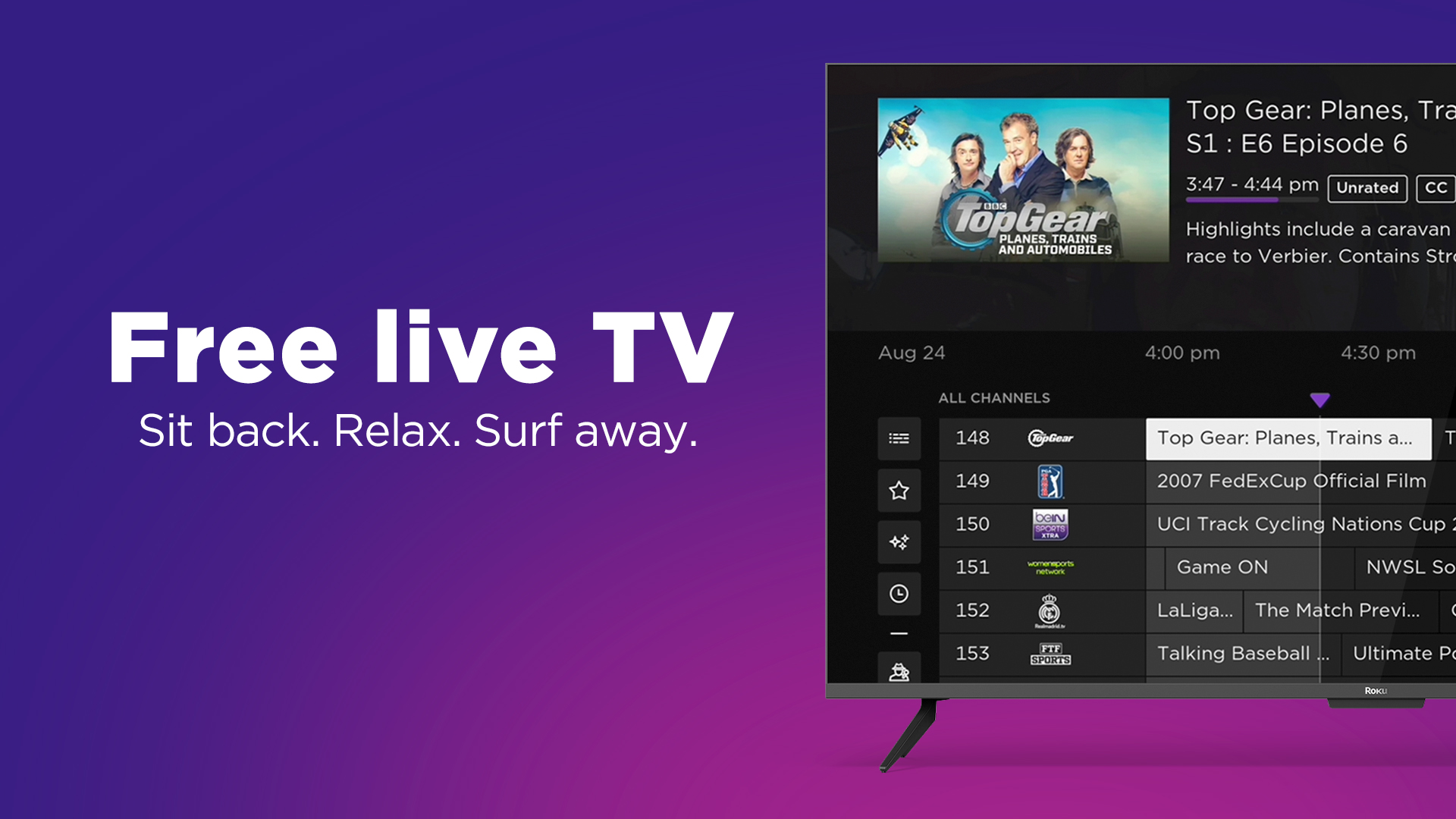
- The Roku Channel: Available on Roku devices and other platforms, this service provides a mix of live channels (including news, reality TV, and movie channels) and a large library of free on-demand content.
- Local Over-the-Air (OTA) Broadcasts: While not strictly “streaming” in the internet sense, using an inexpensive HDTV antenna allows you to receive free, crystal-clear high-definition broadcasts of local network affiliates (ABC, CBS, FOX, NBC, PBS) directly to your TV. Some streaming devices and DVRs (like Tablo or HDHomeRun) can even integrate these OTA channels into your streaming ecosystem.
Niche and Specialty Services
Beyond the major players, several services cater to specific interests, such as international content, particular sports leagues, or specific genres. Examples include dedicated sports league passes (e.g., NBA League Pass, MLS Season Pass via Apple TV), international news channels, or services focused on documentaries.
Essential Gear for an Optimal Streaming Experience
While the content is king, the hardware and internet infrastructure form the kingdom. To truly enjoy live TV streaming, having the right equipment and a robust home network is paramount.
Streaming Devices: Your Gateway to Content
The device you use to stream content significantly impacts your user experience, app availability, and overall performance.
- Smart TVs: Many modern smart TVs come with built-in operating systems (like Roku TV, Google TV, webOS, Tizen) that allow direct access to streaming apps. While convenient, their processors can sometimes be slower than dedicated devices, and software updates may cease after a few years.
- Dedicated Streaming Sticks/Boxes: These are the workhorses of the streaming world.
- Roku Devices (e.g., Roku Express, Roku Streaming Stick, Roku Ultra): Known for their user-friendly interface, vast app selection, and affordability.
- Amazon Fire TV Devices (e.g., Fire TV Stick, Fire TV Cube): Integrate deeply with Amazon’s ecosystem, feature Alexa voice control, and offer a wide range of devices.
- Apple TV (HD, 4K): Offers a premium user experience, tight integration with Apple’s services, and excellent performance, albeit at a higher price point.
- Chromecast with Google TV: Combines the casting functionality of traditional Chromecast with a full user interface and remote, powered by Google TV.
- Gaming Consoles (PlayStation, Xbox): These powerful machines can double as excellent streaming hubs, supporting most major streaming apps.
- Laptops, Tablets, and Smartphones: Ideal for portable viewing, these devices run streaming apps or allow access through web browsers, providing flexibility for watching on the go.
When choosing a device, consider factors like ease of use, remote control design, voice control capabilities, resolution support (HD, 4K, HDR), and the range of apps available.
Internet Connection: The Unsung Hero
Your internet service provider (ISP) and the quality of your home network are critical. A fast, stable connection is non-negotiable for seamless live TV streaming.
- Recommended Speeds:
- Standard Definition (SD): 3-5 Mbps
- High Definition (HD) 1080p: 5-8 Mbps per stream
- 4K/Ultra HD: 25 Mbps or more per stream
- If multiple devices are streaming simultaneously or engaging in other bandwidth-intensive activities (gaming, video calls), you’ll need significantly higher speeds (e.g., 100+ Mbps).
- Latency and Reliability: Beyond raw speed, low latency (ping) and a reliable connection with minimal dropouts are crucial for live streaming.
- Wi-Fi vs. Ethernet: While Wi-Fi offers convenience, a wired Ethernet connection to your primary streaming device can provide superior speed and stability, especially for 4K streaming. If using Wi-Fi, ensure you have a modern router (Wi-Fi 5 or Wi-Fi 6) strategically placed to minimize interference and maximize signal strength.
Audio-Visual Enhancements
For those looking to elevate their viewing experience, investing in complementary audio and visual equipment can make a significant difference.
- Soundbars or Home Theater Systems: Can drastically improve audio clarity and immersion compared to built-in TV speakers.
- High-Quality Displays: A 4K HDR (High Dynamic Range) television can unlock the full visual potential of modern streaming content, offering vibrant colors and enhanced contrast.
Navigating the User Experience and Advanced Features
Beyond simply delivering channels, top-tier live TV streaming services differentiate themselves through their user experience, advanced features, and customization options. These elements contribute significantly to satisfaction and value.
User Interface and Navigation
An intuitive and responsive user interface (UI) is vital. Look for services with:
- Clean Layouts: Easy to understand menus and channel guides that mimic traditional TV guides.
- Efficient Search Functions: The ability to quickly find specific shows, movies, or channels.
- Personalized Recommendations: Algorithms that suggest content based on your viewing history.
- Favorites and Customization: Options to mark favorite channels or create personalized channel lists.
DVR Capabilities and On-Demand Libraries
One of the most appealing features of live TV streaming services is the integration of robust DVR (Digital Video Recorder) functionality and extensive on-demand content.
- Cloud DVRs: Unlike physical DVRs, these record content to the cloud, accessible from any compatible device. Services vary widely in terms of storage limits (e.g., 20 hours, 500 hours, unlimited), recording retention periods, and the ability to skip commercials.
- On-Demand Content: Most services include a vast library of previously aired shows, movies, and exclusive content, often accessible minutes after live broadcast. This blends the flexibility of traditional streaming services with live TV.
Multi-Device and Multi-User Support
Modern households often have diverse viewing preferences and multiple screens. Streaming services accommodate this with:
- Simultaneous Streams: The number of devices that can watch content at the same time from a single account. This typically ranges from 2 to 6, with some services offering add-ons for more.
- User Profiles: Allowing different family members to have their own personalized profiles, complete with separate watch histories, recommendations, and favorite lists.
- Parental Controls: Tools to restrict access to age-inappropriate content, essential for families.
Customization and Add-Ons
To further tailor your streaming experience, many services offer:
- Premium Channel Bundles: Add-ons for channels like HBO Max, Showtime, STARZ, or EPIX.
- Sports Packages: Specific sports tiers or league passes for enhanced coverage.
- Genre-Specific Add-Ons: Bundles for specific types of content, like international channels, documentary channels, or family-friendly programming.
These options allow users to build a package that truly reflects their interests, avoiding the wasted spending on unwanted channels that plagued traditional cable.
Tips for Choosing the Right Live TV Streaming Solution
With so many options, selecting the ideal live TV streaming service can feel overwhelming. A structured approach, focusing on your personal needs and preferences, will lead you to the best choice.
Assess Your Viewing Habits
Start by critically evaluating what you watch.
- Essential Channels: Which specific channels are non-negotiable for you? Make a list of your must-haves. Use channel comparison tools available online to see which services carry them.
- Content Categories: Are you primarily a sports fan, a news junky, a movie buff, or a general entertainment viewer? Some services excel in certain areas (e.g., FuboTV for sports, YouTube TV for general coverage and news).
- Local Channels: Do you need live access to your local ABC, CBS, FOX, and NBC affiliates? Verify that your desired service offers them in your geographical area, as coverage can vary.
Budget Considerations
Cost is often a primary driver for cord-cutting.
- Compare Base Prices: Look beyond the initial monthly fee and consider any potential taxes or surcharges.
- Hidden Costs/Add-Ons: Factor in the cost of any premium channels, extra DVR storage, or additional simultaneous streams you might need.
- Promotional Offers: Take advantage of introductory pricing, but be aware of what the price will be after the promotion ends.
- Long-Term Value: Sometimes paying a little more for a service that truly meets all your needs is better than constantly switching to save a few dollars.
Device Compatibility Check
Ensure your chosen service will work seamlessly with your existing hardware.
- Verify Support: Before subscribing, check the service’s website for a list of supported devices. Most major services support popular streaming sticks, smart TVs, and mobile devices, but specific models or older generations might not be compatible.
- App Performance: Read reviews about the app’s performance on your preferred device. A service might be great, but a buggy app on your particular gadget can ruin the experience.
Trial Periods and Flexibility
One of the greatest advantages of live TV streaming is the lack of long-term contracts.
- Take Advantage of Free Trials: Almost all major services offer a 5-day, 7-day, or even 14-day free trial. Use these opportunities to thoroughly test the service’s channel lineup, user interface, DVR, and overall performance.
- Switching is Easy: If a service doesn’t meet your expectations after a few months, you can easily cancel and try another without penalty. This flexibility allows you to adapt as your viewing habits or the services themselves evolve.
The world of live TV streaming is dynamic and constantly evolving, offering an exciting alternative to traditional television. By understanding the options, evaluating your needs, and leveraging the available tools, you can successfully navigate this new landscape and build a personalized, cost-effective, and enjoyable television experience that truly puts you in control of your entertainment.
aViewFromTheCave is a participant in the Amazon Services LLC Associates Program, an affiliate advertising program designed to provide a means for sites to earn advertising fees by advertising and linking to Amazon.com. Amazon, the Amazon logo, AmazonSupply, and the AmazonSupply logo are trademarks of Amazon.com, Inc. or its affiliates. As an Amazon Associate we earn affiliate commissions from qualifying purchases.