
In an increasingly interconnected and digital world, the simple act of “paying” has transformed from a straightforward exchange of currency into a complex tapestry of options. From the tactile familiarity of cash to the lightning speed of digital wallets and the intriguing promise of cryptocurrencies, how we conduct financial transactions directly impacts our personal finance management, business operations, and overall financial security. Understanding the diverse array of payment methods available today is not merely a matter of convenience; it is a fundamental aspect of informed financial literacy and strategic decision-making in the 21st century. This article delves into the various ways you can pay, offering insights into their mechanisms, advantages, disadvantages, and the financial implications associated with each.
The Evolving Tapestry of Traditional Payment Methods
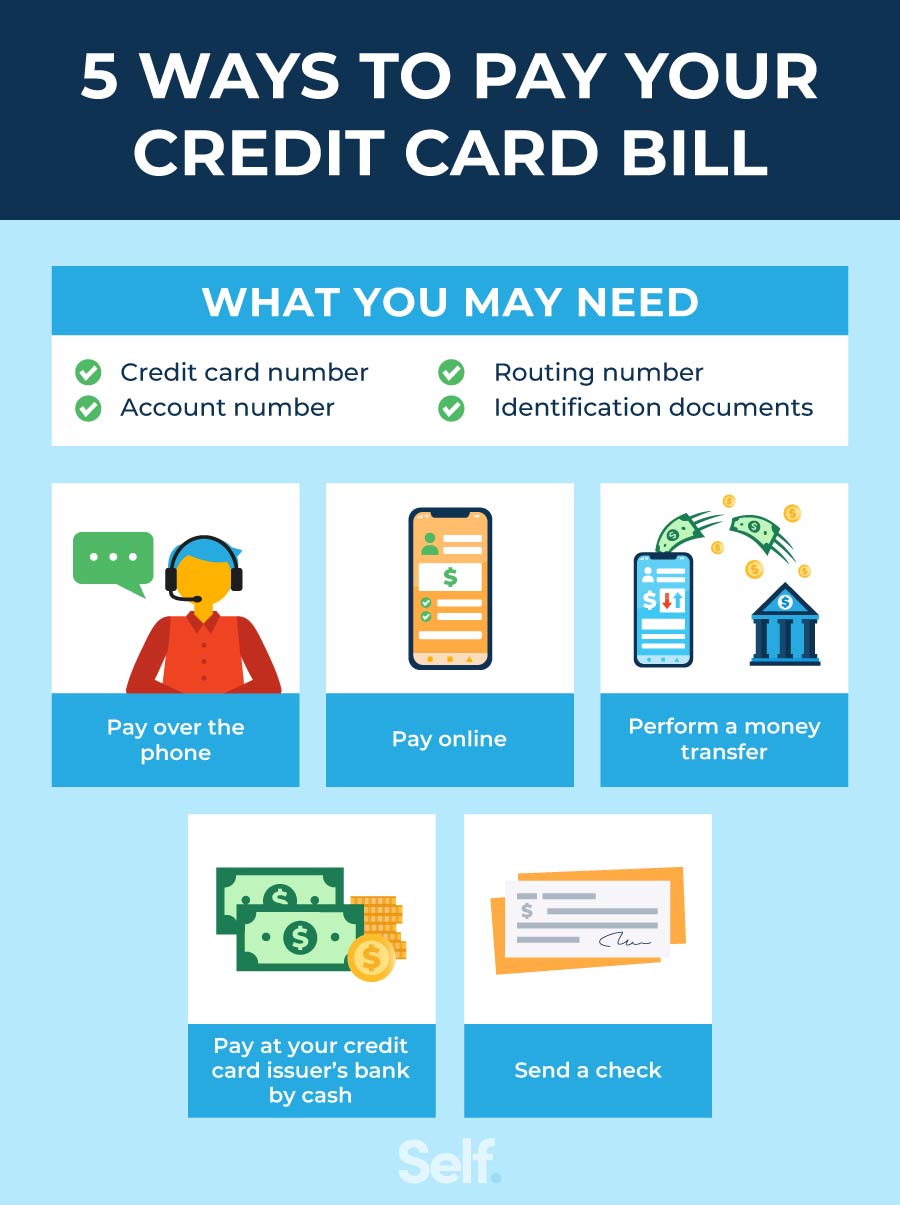
While the digital revolution has undeniably reshaped financial transactions, the bedrock of payment methods still holds relevance, albeit with evolving roles. Understanding these foundational options provides crucial context for appreciating their modern counterparts.
Cash: The Enduring Tangible
Cash, in the form of physical banknotes and coins, remains the oldest and most universally accepted payment method. It offers instant finality of payment, complete privacy, and unparalleled accessibility, requiring no technology or bank account. For budgeting, particularly for those who prefer a tangible representation of their spending limits, cash can be a powerful tool to prevent overspending. However, its drawbacks are significant: it’s susceptible to loss or theft, inconvenient for large transactions, lacks traceability for record-keeping, and is entirely impractical for online purchases. Its utility is progressively diminishing in a world moving towards digital convenience and security.
Checks: A Legacy of Paper Trails
Checks represent a written instruction to a bank to pay a specified amount to the bearer or named party. Historically, checks were crucial for larger transactions, bill payments, and providing a verifiable paper trail. They offered a degree of security over cash by being linked to a specific account and requiring a signature. Yet, their use has significantly declined due to several inherent inefficiencies: slow processing times, susceptibility to fraud (e.g., bounced checks), and the emergence of instant digital alternatives. Today, checks are primarily confined to niche uses, such as some rent payments, legal settlements, or situations where a physical record is explicitly preferred.
Credit and Debit Cards: The Plastic Revolution
The advent of credit and debit cards revolutionized everyday transactions, ushering in an era of unparalleled convenience and widespread acceptance. These plastic cards, now often integrated into digital wallets, form the backbone of modern consumer spending.
Debit Cards: Linked directly to a checking or savings account, debit cards allow users to spend only the money they possess. This makes them an excellent tool for budgeting and avoiding debt, as funds are deducted immediately. They offer the convenience of electronic payments without the risk of accumulating interest. However, they typically offer fewer consumer protections against fraud compared to credit cards, and an overdraft can incur fees if not managed carefully.
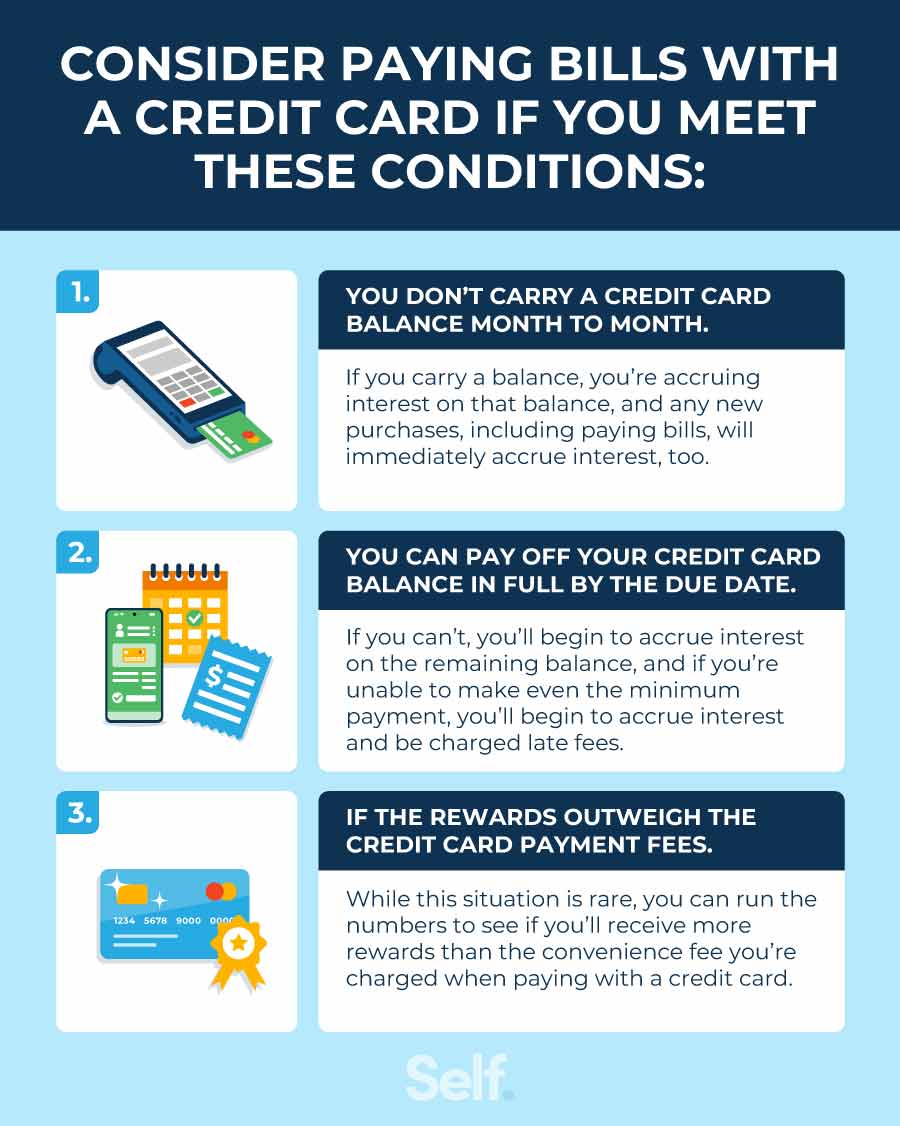
Credit Cards: Credit cards offer a line of credit from a financial institution, allowing users to make purchases up to a pre-set limit and pay later. This flexibility comes with significant advantages: the ability to build a credit history crucial for loans and mortgages, robust fraud protection, and often attractive rewards programs (cash back, travel points, discounts). The primary caveat is the potential for accumulating high-interest debt if balances are not paid in full by the due date. Responsible credit card use involves paying off balances monthly and understanding interest rates and fees. Both credit and debit cards have evolved with enhanced security features like EMV chips and tokenization to protect against fraud during transactions.
Embracing Digital Frontiers: Electronic and Online Payments
The internet and mobile technology have propelled payment systems into a new era, offering speed, efficiency, and global reach that traditional methods simply cannot match.
Bank Transfers (ACH & Wire Transfers): Moving Money Digitally
Bank transfers represent direct electronic movements of funds between bank accounts, serving as a critical infrastructure for both personal and business finance.
ACH (Automated Clearing House) Transfers: These are electronic networks for processing batch transactions, primarily used for direct deposits (paychecks), recurring bill payments, and business-to-business transactions within the U.S. ACH transfers are typically low-cost or free but can take 1-3 business days to clear, making them suitable for non-urgent payments.
Wire Transfers: Wire transfers are fast, direct, and secure electronic fund transfers between banks, often used for large, time-sensitive, or international payments. Funds can often be available within hours, making them ideal for real estate transactions, urgent international remittances, or high-value business deals. However, they come with higher transaction fees and, once initiated, are generally irreversible, requiring extreme caution to avoid fraud.
Online Payment Platforms and Digital Wallets: Seamless Transactions
The rise of e-commerce necessitated robust and secure online payment solutions, leading to the proliferation of dedicated platforms and digital wallets.
Online Payment Platforms (e.g., PayPal, Stripe, Square): These services act as intermediaries, securely processing transactions between buyers and sellers, often for a fee. They have democratized online commerce, enabling small businesses to accept payments and individuals to send money globally. Many offer dispute resolution services and enhanced security layers, reducing the need to share sensitive financial information directly with multiple vendors.

Digital Wallets (e.g., Apple Pay, Google Pay, Samsung Pay): These mobile-based applications store encrypted payment information (credit, debit, and loyalty cards) allowing users to make contactless payments in stores or complete online purchases with a single tap or authentication. Digital wallets enhance security by using tokenization, where a unique, single-use code (token) replaces actual card numbers during a transaction, making it incredibly difficult for fraudsters to intercept sensitive data.
Mobile Payment Apps: P2P and Beyond
Mobile payment apps have popularized peer-to-peer (P2P) transactions, making it effortless to split bills, send money to friends and family, or pay small merchants. Services like Venmo, Zelle, and Cash App allow users to link their bank accounts or debit cards and transfer funds instantly or near-instantly using just a phone number or email address. While incredibly convenient, users must exercise caution to verify recipients, as transactions can be difficult to reverse once sent. These apps have also started expanding into merchant services, offering QR code payments and business accounts.
Emerging Payment Technologies and Their Financial Implications
Innovation continues to redefine the payment landscape, with new technologies offering fresh conveniences and challenges for consumers and businesses alike.
Contactless Payments (NFC): Tap and Go Convenience
Contactless payment technology, primarily based on Near Field Communication (NFC), allows users to simply tap a card or a mobile device against a compatible payment terminal to complete a transaction. This method offers unparalleled speed and convenience, eliminating the need to insert a card or swipe. Beyond speed, contactless payments enhance security by encrypting data and often requiring device authentication (PIN, fingerprint, face ID) for mobile transactions. Its adoption has accelerated due to hygiene concerns, particularly in a post-pandemic world, and its seamless integration with digital wallets and wearables.
Cryptocurrencies: The Decentralized Alternative
Cryptocurrencies like Bitcoin, Ethereum, and stablecoins represent a fundamentally different approach to payments. Operating on decentralized blockchain technology, they aim to offer secure, transparent, and potentially lower-cost transactions without the need for traditional financial intermediaries like banks. For some, cryptocurrencies promise greater financial freedom, privacy (though not anonymity), and protection against inflation. However, their widespread adoption as an everyday payment method is still limited due to extreme price volatility (for non-stablecoins), regulatory uncertainty, complexity of use, and significant energy consumption concerns for proof-of-work currencies. While a growing number of merchants and online platforms accept crypto, it remains a niche option for most consumer payments, often regarded more as an investment asset than a transactional currency.
Buy Now, Pay Later (BNPL): A New Form of Credit
Buy Now, Pay Later (BNPL) services, offered by companies like Afterpay, Klarna, and Affirm, have rapidly gained popularity, particularly among younger demographics. BNPL allows consumers to make purchases and pay for them in interest-free installments over a set period (typically four payments over six weeks). This model offers increased purchasing power and accessibility to credit without the need for traditional credit checks for smaller amounts. From a financial perspective, BNPL can be a useful budgeting tool if managed responsibly, allowing consumers to spread out costs without incurring interest. However, it carries significant risks: ease of access can encourage overspending, late payment fees can be steep, and missed payments can negatively impact credit scores, potentially leading to debt accumulation. It’s crucial for consumers to understand the terms and conditions and integrate BNPL payments into their budget carefully.
Strategic Considerations for Choosing Your Payment Methods
With such a vast array of options, making informed choices about how to pay requires a strategic approach that balances security, cost, convenience, and personal financial goals.
Security and Fraud Prevention
Regardless of the method, security should be a paramount concern. For digital payments, this means using strong, unique passwords, enabling two-factor authentication, being vigilant against phishing scams, and regularly monitoring bank and credit card statements for unauthorized activity. Understanding the fraud protection policies associated with each payment method is also vital. Credit cards typically offer robust consumer protections, limiting liability for fraudulent charges, while debit cards may offer less. Cash provides no recourse if lost or stolen. Wire transfers are largely irreversible, making them high-risk if sent to an unknown party.
Cost-Effectiveness and Fees
The true cost of a payment method extends beyond the face value of the transaction. For businesses, payment processing fees (e.g., credit card merchant fees, platform commissions) can significantly impact profitability. For individuals, costs can include credit card interest, late payment fees on BNPL services, international transaction fees, and ATM withdrawal fees. Evaluating these hidden costs is essential. For instance, while credit card rewards can be enticing, the interest incurred from carrying a balance often outweighs any benefits. Similarly, choosing a low-fee or free bank transfer method over a more expensive wire transfer can save money for non-urgent payments.
Convenience and Accessibility
The ideal payment method often depends on the context of the transaction. Online purchases necessitate digital options. In-person transactions might favor contactless payments for speed. International payments might require wire transfers or specialized remittance services. Factors like the speed of funds availability, ease of use, and whether a method is universally accepted or geographically limited all play a role. For example, while cash is universally accepted offline, it’s useless for online shopping. Digital wallets offer unparalleled convenience for rapid in-store and online checkouts.
Financial Planning and Budgeting
The chosen payment methods can significantly influence personal and business financial planning. Debit cards and cash naturally enforce budgeting by limiting spending to available funds. Credit cards, while offering flexibility, require discipline to avoid debt. Many budgeting apps and financial tools integrate with bank accounts and credit cards, providing granular insights into spending patterns. Using separate payment methods for personal versus business expenses can simplify accounting and tax preparation. A conscious choice of payment methods, aligned with financial goals, can be a powerful tool for achieving financial wellness.
In conclusion, the question “How can you pay?” has no single answer, but rather a spectrum of possibilities, each with its own set of advantages and challenges. From the age-old reliability of cash to the cutting-edge innovation of cryptocurrencies, the modern financial landscape demands an informed approach. By carefully considering the security, cost, convenience, and financial implications of each option, individuals and businesses can navigate this complex environment with confidence, making choices that best serve their unique needs and contribute to their overall financial health and success. Adapting to new technologies while maintaining financial prudence is key to thriving in this dynamic era of payments.
aViewFromTheCave is a participant in the Amazon Services LLC Associates Program, an affiliate advertising program designed to provide a means for sites to earn advertising fees by advertising and linking to Amazon.com. Amazon, the Amazon logo, AmazonSupply, and the AmazonSupply logo are trademarks of Amazon.com, Inc. or its affiliates. As an Amazon Associate we earn affiliate commissions from qualifying purchases.