
Paying taxes is an unavoidable aspect of life for individuals and businesses alike. While often perceived as a complex and daunting task, understanding the various methods available for fulfilling your tax obligations is crucial for financial well-being and legal compliance. Far from being a monolithic process, tax payment encompasses a diverse range of approaches, from traditional paper-based submissions to cutting-edge digital transactions, each with its own advantages and considerations. Navigating this landscape effectively not only ensures you meet your responsibilities but can also offer opportunities for better financial management. This guide delves into the essential categories and mechanisms for tax payment, providing an insightful overview for anyone seeking to demystify this critical financial process.
Understanding Your Tax Payment Landscape
Before exploring the “how,” it’s vital to grasp the “what” and “when” of tax payments. A foundational understanding of your tax liability and the associated deadlines forms the bedrock of responsible financial stewardship. Without this clarity, even the most convenient payment method can lead to costly errors or missed opportunities.
The Fundamentals of Tax Liability
Tax liability refers to the total amount of tax an individual or company owes to a taxing authority. This isn’t just a single number; it’s a culmination of various tax types levied at federal, state, and sometimes local levels. Common types include income tax (on wages, salaries, investments), property tax (on real estate), sales tax (on goods and services), capital gains tax (on profits from asset sales), and self-employment tax (for those who work for themselves). For employees, income tax and other payroll taxes (like Social Security and Medicare) are typically withheld from each paycheck by their employer. However, individuals with other income sources—such as freelancers, gig workers, investors, or small business owners—often have direct responsibility for calculating and remitting these taxes themselves. Understanding which taxes apply to your specific financial situation is the first step toward effective payment.
Key Deadlines and Penalties
Perhaps no aspect of tax payment is as critical as adhering to deadlines. The most famous is often April 15th for federal income tax returns in the United States, but this is just one of many. Quarterly estimated taxes for the self-employed, for instance, have deadlines throughout the year (typically April 15, June 15, September 15, and January 15 of the following year). State income and property tax deadlines also vary significantly by jurisdiction. Missing a deadline can trigger penalties, which often include a failure-to-file penalty, a failure-to-pay penalty, and interest charges on the underpayment. These penalties can compound rapidly, transforming a manageable tax bill into a substantial financial burden. Proactive calendar management and timely filing and payment are indispensable to avoid these additional costs and maintain good standing with tax authorities.
Identifying Your Specific Tax Obligations
The method you use to pay taxes often depends on the type of tax and your employment status. Employees generally have a straightforward process where taxes are deducted from their paychecks, and any remaining balance or refund is settled after filing their annual tax return. However, if you are self-employed, an independent contractor, or have significant income from investments or rental properties, you are typically required to make estimated tax payments throughout the year. Corporations also have specific schedules and methods for paying corporate income tax. Understanding your particular tax obligations—whether through payroll withholding, estimated payments, or other means—will guide you toward the most appropriate and efficient payment strategies, ensuring you fulfill your responsibilities without unnecessary stress or financial surprises.
Traditional and Modern Methods for Tax Payment
Over the years, the ways taxpayers can remit their dues have evolved significantly. While some traditional methods persist, modern digital solutions now dominate, offering enhanced convenience and efficiency. A comprehensive understanding of these options empowers individuals and businesses to choose the method that best suits their financial habits and circumstances.
Direct Payment to Tax Authorities
The most direct way to pay your taxes is to send funds directly to the relevant tax authority.
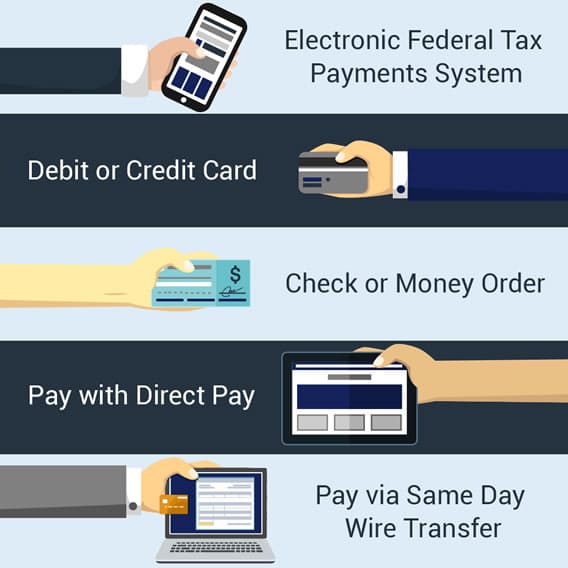
- Mail (Check/Money Order): This is the oldest and perhaps most familiar method. Taxpayers can send a personal check or money order along with the appropriate payment voucher (e.g., Form 1040-V for federal income tax) directly to the IRS or state tax department. While straightforward, this method is slower, less secure (due to reliance on postal services), and lacks immediate confirmation of receipt, making it increasingly less popular compared to digital alternatives. It’s often recommended for those without internet access or who prefer tangible proof of payment in the mail.
- Electronic Funds Withdrawal (EFW): When filing your tax return electronically (e-filing), many tax software programs and professional tax preparers offer the option to authorize an electronic funds withdrawal. This allows the tax authority (like the IRS) to directly debit your specified bank account for the amount owed on a designated date, up to the filing deadline. EFW is convenient, secure, and provides a clear record of the transaction, making it a preferred choice for many e-filers.
- Credit/Debit Card: For those who prioritize convenience or wish to earn reward points, paying taxes with a credit or debit card is an option. The IRS and most state tax departments partner with third-party payment processors to facilitate these transactions. However, it’s crucial to note that these processors typically charge a convenience fee, which can range from 1.87% to 2.5% for credit cards and a flat fee for debit cards. While the ability to defer payment or earn rewards can be appealing, taxpayers must weigh these benefits against the additional cost.
Estimated Tax Payments
For individuals who do not have taxes withheld from their income (e.g., self-employed individuals, freelancers, partners in a partnership, those with significant investment or rental income), estimated tax payments are mandatory. These are typically paid in four installments throughout the year to cover income tax, self-employment tax, and any other taxes.
- IRS Direct Pay: The IRS offers a free, secure online service called IRS Direct Pay, which allows individuals to pay federal taxes directly from their checking or savings account. This service can be used for estimated taxes, balance due on tax returns, and other types of federal tax payments.
- Electronic Federal Tax Payment System (EFTPS): This is another free service provided by the U.S. Department of the Treasury. EFTPS allows individuals and businesses to make all types of federal tax payments online or by phone, providing a history of payments and scheduled payment options. It’s particularly useful for businesses and those who make recurring estimated payments.
Payroll Withholding Adjustments
For employees, one of the most effective ways to manage annual tax payments is through accurate payroll withholding. By adjusting the Form W-4 submitted to your employer, you can control the amount of federal income tax withheld from each paycheck. Tools like the IRS Tax Withholding Estimator can help you determine the correct withholding amount to avoid underpaying (and facing penalties) or overpaying (and receiving a large refund, which essentially means giving the government an interest-free loan). Regularly reviewing and adjusting your W-4, especially after significant life changes like marriage, childbirth, or a new job, is a proactive way to ensure your tax obligations are met consistently throughout the year.
Payment Plans and Installment Agreements
If, despite your best efforts, you find yourself unable to pay your full tax bill by the due date, don’t despair or ignore the problem. The IRS and state tax authorities offer various options for taxpayers facing financial hardship.
- Installment Agreement: This allows you to make monthly payments for up to 72 months. While penalties and interest still apply, entering into an agreement can prevent further enforcement actions.
- Offer in Compromise (OIC): An OIC allows certain taxpayers to resolve their tax liability with the IRS for a lower amount than what they originally owed. This option is generally available only when a taxpayer is in significant financial distress and has no reasonable means to pay the full debt.
- Temporary Delay in Collection: In situations of extreme financial hardship, the IRS may temporarily delay collection until your financial condition improves.
These options require communication with the tax authority and adherence to specific terms, but they provide a crucial safety net for those genuinely struggling to meet their tax obligations.
Leveraging Digital Tools and Financial Strategies for Tax Management
In an increasingly digital world, a multitude of tools and strategic financial practices have emerged to simplify and optimize tax payment processes. Embracing these innovations can transform tax season from a stressful scramble into a manageable, even routine, part of your financial year.
Tax Software and Online Platforms
Modern tax preparation software and online platforms have revolutionized how individuals and businesses file and pay their taxes. Services like TurboTax, H&R Block Online, and FreeTaxUSA not only guide you through the return preparation process but also integrate seamlessly with payment options. When you complete your return using these platforms, you’re typically offered choices such as:
- Electronic Funds Withdrawal (EFW): As mentioned earlier, this is a standard option when e-filing.
- Credit/Debit Card: Integrated directly into the software, though third-party processor fees still apply.
- Printing Payment Vouchers: If you prefer to mail a check, the software will generate the necessary voucher.
Many of these platforms also offer features for estimated tax payments, automatically calculating and reminding you of your quarterly obligations. Beyond convenience, these tools often check for errors and ensure compliance, reducing the likelihood of issues with tax authorities.
Bank Online Bill Pay
Your personal bank’s online bill pay service can be another valuable tool for managing tax payments. Most banks allow you to set up one-time or recurring payments to the IRS and state tax departments as if they were any other utility bill. While not directly linked to your tax return filing, this method is useful for:
- Estimated Tax Payments: Scheduling recurring quarterly payments directly from your bank account.
- Making Payments when Mailing a Check: Some individuals prefer to use their bank’s bill pay to send a check rather than writing one themselves, as the bank handles the mailing and provides a robust transaction record.
It’s crucial to ensure you use the correct payment address and account information provided by the tax authority to avoid delays or misdirected payments.
TreasuryDirect and Government Portals
Beyond general tax software, the U.S. government offers specific portals designed for tax payments and financial management.
- IRS Direct Pay: This free service allows you to pay your taxes directly from your checking or savings account. It’s ideal for federal income tax due, estimated taxes, and even certain amended return balances. It’s secure, fast, and provides immediate confirmation.
- Electronic Federal Tax Payment System (EFTPS): As highlighted earlier, EFTPS is a robust system for all federal tax payments, particularly popular among businesses and individuals making frequent or large payments. It offers greater control over payment dates and detailed payment history.
- State-Specific Portals: Most states have their own dedicated online payment portals. These vary in functionality but generally allow for electronic payments of state income tax, sales tax, and other state-level levies. Always check your state’s Department of Revenue website for the most accurate and up-to-date information.
Financial Planning for Tax Season
Effective tax payment isn’t just about choosing a method; it’s about strategic financial planning throughout the year.
- Budgeting and Saving: Proactively setting aside funds for tax obligations, especially if you’re self-employed, is paramount. Creating a dedicated savings account for taxes can prevent scrambling when payment deadlines approach.
- Using Tax-Advantaged Accounts: Maximizing contributions to tax-advantaged retirement accounts (like 401(k)s, IRAs) and health savings accounts (HSAs) can reduce your taxable income, thereby lowering your overall tax liability.
- Record Keeping: Maintaining meticulous records of income, expenses, and deductible items throughout the year simplifies tax preparation and ensures you’re claiming all eligible deductions and credits, which directly impacts your final tax bill.
- Professional Consultation: Engaging with a certified public accountant (CPA) or tax advisor can provide personalized strategies for optimizing tax payments, identifying potential savings, and navigating complex financial situations.
By integrating these digital tools and financial strategies, individuals and businesses can approach tax season with confidence, ensuring timely and accurate payments while potentially minimizing their tax burden.
Navigating Challenges and Seeking Assistance
Even with the best intentions and diligent planning, unforeseen circumstances can arise, making tax payment a challenge. It’s crucial to know how to navigate these difficulties and where to seek professional assistance rather than ignoring the problem.
What to Do If You Can’t Pay
The worst thing you can do if you’re unable to pay your taxes is to do nothing. Ignoring tax obligations can lead to escalating penalties, interest, and potentially more severe enforcement actions from tax authorities. If you find yourself in this situation, immediate action and communication are key:
- File on Time, Pay What You Can: Always file your tax return by the deadline, even if you can’t pay the full amount due. This avoids the failure-to-file penalty, which is often much steeper than the failure-to-pay penalty. Pay as much as you can afford.
- Request an Installment Agreement: As mentioned, the IRS and many states offer installment agreements, allowing you to pay your tax debt in monthly installments over an extended period (up to 72 months for federal taxes). You’ll still incur interest and penalties, but this prevents further collection actions.
- Explore an Offer in Compromise (OIC): If you are in severe financial hardship and believe you won’t be able to pay your full tax debt even over time, an OIC allows you to settle your tax liability for a lower amount. This is a complex process and typically requires demonstrating that paying the full amount would cause significant financial distress.
- Request a Temporary Delay in Collection: In cases of extreme and immediate financial hardship, the IRS might temporarily delay collection actions. This means they postpone active collection until your financial situation improves, though interest and penalties continue to accrue.
- Consider a Short-Term Payment Plan: If you can pay your tax liability within 180 days, you might be eligible for a short-term payment plan, which involves fewer setup requirements than a full installment agreement.
In all these scenarios, honesty and proactive communication with the tax authority are paramount. They are generally more willing to work with taxpayers who acknowledge their debt and are making efforts to resolve it.
Avoiding Common Payment Pitfalls
Preventative measures can save a lot of headaches during tax season. Be aware of these common pitfalls:
- Incorrect Information: Double-check all account numbers, routing numbers, and payment amounts before submitting an electronic payment or writing a check. A single digit error can lead to a rejected payment or funds being sent to the wrong place.
- Missing Deadlines: Calendar tax deadlines for federal, state, and local taxes, especially for estimated payments. Utilize reminders, financial software, or professional assistance to stay on track.
- Using Unauthorized Payment Processors: Only use payment processors authorized by the IRS or your state tax department. Scammers often create fake websites or services to steal financial information. Always verify legitimacy through official government websites.
- Underestimating Income (for Self-Employed): Forgetting to account for all income sources or not adequately setting aside funds for quarterly estimated taxes is a frequent mistake for self-employed individuals, leading to a large, unexpected bill at year-end.
- Ignoring Notices: Do not ignore letters or notices from tax authorities. They often contain critical information about your tax account, payment due dates, or potential issues that need to be addressed promptly.
Professional Tax Assistance
While many individuals can manage their tax payments independently, certain situations warrant the expertise of a tax professional:
- Complex Financial Situations: If you have multiple income streams, investments, a small business, or significant deductions, a CPA (Certified Public Accountant) or Enrolled Agent (EA) can help optimize your tax strategy and ensure compliance.
- Difficulty Understanding Tax Laws: Tax laws are constantly changing and can be incredibly intricate. A professional can provide clarity and interpret the rules applicable to your specific circumstances.
- Facing an Audit or Tax Debt: If you receive an audit notice, owe back taxes, or are struggling to resolve a tax dispute, a tax attorney, CPA, or EA specializing in tax resolution can advocate on your behalf and negotiate with tax authorities.
- Time Constraints: If you lack the time or confidence to prepare and manage your taxes accurately, delegating this task to a professional can provide peace of mind and free up your valuable time.
Investing in professional tax assistance can often pay for itself through identified savings, avoided penalties, and the assurance that your financial obligations are handled correctly.

Conclusion
Paying taxes is an integral part of our financial ecosystem, demanding attention and understanding. While the array of tax types and payment methods might seem overwhelming at first, a clear grasp of your obligations, coupled with the strategic utilization of available tools and resources, can transform this annual necessity into a streamlined and manageable process. Whether you opt for the traditional route of mailing a check, leverage the convenience of electronic funds withdrawal, or rely on sophisticated tax software, the key lies in proactive planning, diligent record-keeping, and timely action. Should challenges arise, remember that communication with tax authorities and seeking professional guidance are vital steps towards resolution. By embracing these principles, individuals and businesses can fulfill their tax responsibilities with confidence, ensuring financial compliance and contributing to the broader economic framework.
aViewFromTheCave is a participant in the Amazon Services LLC Associates Program, an affiliate advertising program designed to provide a means for sites to earn advertising fees by advertising and linking to Amazon.com. Amazon, the Amazon logo, AmazonSupply, and the AmazonSupply logo are trademarks of Amazon.com, Inc. or its affiliates. As an Amazon Associate we earn affiliate commissions from qualifying purchases.