
In an increasingly digital world, the concept of money has evolved beyond physical currency, with cryptocurrencies like Bitcoin emerging as a revolutionary force. For many, Bitcoin represents not just a technological innovation but a compelling new avenue for investment, transaction, and wealth accumulation. The question, “how can you make bitcoins?” goes beyond merely understanding its technical underpinnings; it delves into the practical strategies and financial considerations involved in acquiring, earning, and growing this pioneering digital asset. This guide will explore various methods for accumulating Bitcoin, framed within the context of personal finance, investment strategies, and online income opportunities, offering insights for both the curious novice and the seasoned investor.
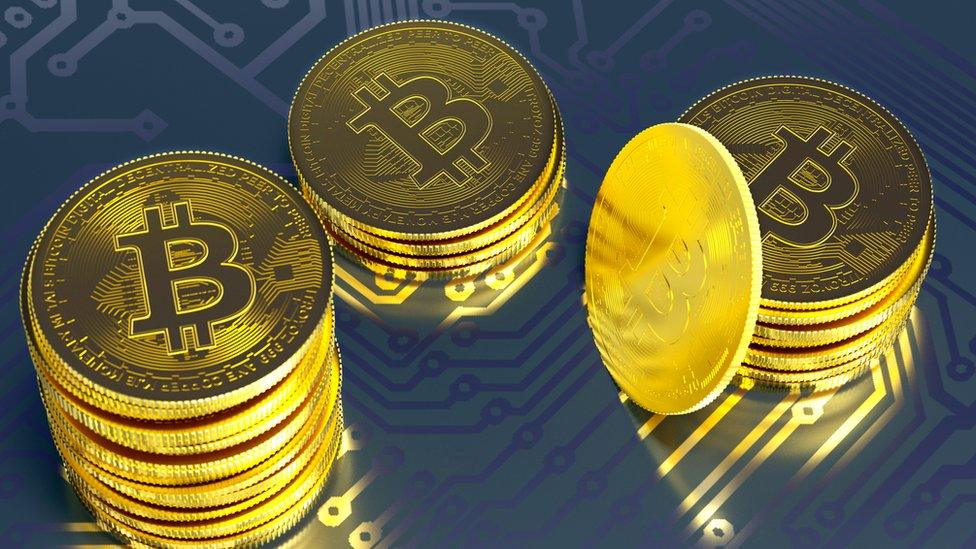
Understanding Bitcoin as a Digital Asset
Before diving into the “how,” it’s crucial to grasp what Bitcoin represents in the broader financial landscape. Conceived in 2008 by an anonymous entity known as Satoshi Nakamoto and launched in 2009, Bitcoin was designed as a decentralized digital currency, operating on a peer-to-peer network without the need for intermediaries like banks or governments. Its foundational technology, the blockchain, ensures transparency, security, and immutability of transactions, making it a unique asset class.
Bitcoin’s Role in the Modern Financial Landscape
Bitcoin has transitioned from an obscure digital experiment to a significant player in global finance. It’s often viewed as “digital gold” due to its limited supply (capped at 21 million coins), its resistance to inflation (unlike fiat currencies that can be printed endlessly), and its role as a potential hedge against economic instability. Major financial institutions, corporations, and even some nations have begun to recognize and integrate Bitcoin, underscoring its growing legitimacy and long-term potential. Its accessibility, borderless nature, and low transaction fees (compared to traditional cross-border transfers) make it an attractive alternative for various financial activities.
Why Acquire Bitcoin? (Investment, Transactions, Store of Value)
The motivations for acquiring Bitcoin are diverse. For many, it’s primarily an investment vehicle, with the hope that its value will appreciate significantly over time. Early adopters have seen exponential returns, fueling the narrative of Bitcoin as a high-growth asset. Beyond speculation, Bitcoin also functions as a medium of exchange, allowing for direct peer-to-peer transactions without bank fees or delays, particularly beneficial for international transfers. Furthermore, its inherent scarcity and robust security protocols position it as a digital store of value, akin to precious metals, offering a potential refuge during times of economic uncertainty or currency devaluation.
The Volatility and Risk Profile
It’s imperative to acknowledge Bitcoin’s significant price volatility. Its value can fluctuate dramatically within short periods, driven by market sentiment, regulatory news, macroeconomic events, and technological developments. While this volatility presents opportunities for skilled traders, it also carries substantial risk. Investors must be prepared for the possibility of significant drawdowns and should never invest more than they can afford to lose. Understanding this risk profile is fundamental to developing a responsible Bitcoin acquisition strategy.
Direct Methods of Acquiring Bitcoin
The most straightforward and common approach to “making” Bitcoin today is through direct purchase or earning it for services. These methods offer immediate access to the asset and are suitable for most individuals and businesses.
Purchasing Bitcoin from Exchanges (Spot Buying)
The primary method for acquiring Bitcoin is by buying it from cryptocurrency exchanges. These platforms act as intermediaries, connecting buyers and sellers and facilitating transactions. Reputable exchanges like Coinbase, Binance, Kraken, and Gemini offer user-friendly interfaces, robust security features, and various payment options (bank transfers, debit/credit cards, wire transfers). The process typically involves creating an account, undergoing identity verification (KYC – Know Your Customer), linking a payment method, and then placing an order to buy Bitcoin at its current market price. This is often referred to as “spot buying.” When choosing an exchange, consider factors such as fees, security measures (e.g., two-factor authentication, cold storage), available cryptocurrencies, and customer support.
Peer-to-Peer (P2P) Transactions
For those who prefer a more direct approach or require greater privacy, peer-to-peer (P2P) platforms enable individuals to buy and sell Bitcoin directly with each other. Platforms like LocalBitcoins or Paxful connect buyers and sellers, allowing them to agree on a price and payment method (e.g., bank transfer, cash, PayPal, gift cards). The platform often provides an escrow service to secure the Bitcoin until the payment is confirmed, mitigating the risk of fraud. P2P transactions can offer more flexibility in payment methods and potentially lower fees, but they require careful due diligence on both parties to ensure a safe transaction.
Earning Bitcoin for Goods and Services
Beyond purchasing, a growing number of individuals and businesses are opting to “make” Bitcoin by accepting it as payment for goods and services. If you’re a freelancer, a small business owner, or provide a service, integrating Bitcoin as a payment option can open you up to a global customer base and demonstrate a forward-thinking approach. Payment processors like BitPay or CoinPayments facilitate this by converting Bitcoin payments into your local currency, or you can choose to hold the Bitcoin directly. This method not only diversifies your income streams but also contributes to the broader adoption and utility of the cryptocurrency.
Indirect and Earning-Based Strategies
While direct purchase is common, several other strategies allow individuals to earn or accumulate Bitcoin, ranging from technical participation to passive income generation.
Bitcoin Mining (Overview of Historical and Current Viability for Individuals)
Historically, “making” Bitcoin literally referred to mining. Bitcoin mining involves using powerful computers to solve complex cryptographic puzzles to verify and add new blocks of transactions to the blockchain. Miners who successfully solve a block are rewarded with newly minted Bitcoin and transaction fees. In Bitcoin’s early days, individuals could mine using standard computer CPUs or GPUs. However, as the network grew and difficulty increased, mining became highly specialized and capital-intensive, requiring expensive Application-Specific Integrated Circuits (ASICs) and access to cheap electricity. For the average individual, solo Bitcoin mining is no longer a profitable or viable way to “make” Bitcoin due to the immense computational power and energy costs involved. Cloud mining services exist, but they often carry significant risks, including scams and low profitability. For most, direct purchase is a far more efficient and less risky way to acquire Bitcoin.

Bitcoin Faucets and Rewards Programs
Bitcoin faucets are websites or apps that distribute small amounts of Bitcoin (satoshi, the smallest unit of Bitcoin) to users in exchange for completing simple tasks, such as solving captchas, watching ads, or playing games. While the amounts earned are typically minuscule, faucets can be a way for beginners to acquire their first fractions of Bitcoin without any financial investment. Similarly, various rewards programs, surveys, or cashback platforms might offer Bitcoin as an incentive for participation or purchases. These methods are generally not designed for significant wealth accumulation but can serve as an educational entry point.
Lending and Staking Bitcoin (Yield Generation)
For those already holding Bitcoin, lending platforms offer an opportunity to earn interest on their holdings. By depositing Bitcoin into a lending protocol (either centralized like BlockFi or Celsius, or decentralized like Aave or Compound), users can lend their assets to borrowers and receive a yield. Similarly, while Bitcoin itself cannot be “staked” in the same way some other proof-of-stake cryptocurrencies can, some platforms offer synthetic staking or yield farming opportunities that use wrapped Bitcoin (WBTC) on other blockchains to generate returns. These methods involve locking up your assets for a period and carry their own set of risks, including platform hacks, smart contract vulnerabilities, and impermanent loss in decentralized finance (DeFi). Thorough research into the platform’s security and reputation is essential.
Affiliate Marketing and Referrals in Crypto
Many cryptocurrency exchanges, platforms, and services offer affiliate and referral programs. By signing up for these programs, you can earn a commission (often paid in Bitcoin or other cryptocurrencies) for referring new users who sign up and trade or use the platform’s services. If you have a significant online presence, a blog, or a social media following, this can be an effective way to generate passive income in Bitcoin by promoting reputable crypto products and services.
Investment Strategies for Accumulating Bitcoin
Beyond direct acquisition or earning, strategic investment approaches are crucial for effectively accumulating and growing your Bitcoin holdings over time.
Dollar-Cost Averaging (DCA)
One of the most recommended investment strategies for accumulating Bitcoin, especially given its volatility, is Dollar-Cost Averaging (DCA). This involves investing a fixed amount of money at regular intervals (e.g., weekly or monthly), regardless of the asset’s price. When the price is high, your fixed investment buys fewer Bitcoins; when the price is low, it buys more. Over time, DCA helps to smooth out the impact of price fluctuations, reducing the risk of making a large investment at an unfavorable peak and averaging down your purchase price. This disciplined approach aligns well with long-term wealth accumulation.
Trading Bitcoin (Short-term vs. Long-term)
Active trading involves buying and selling Bitcoin frequently to profit from short-term price movements. This can range from day trading (executing multiple trades within a single day) to swing trading (holding positions for a few days or weeks). While potentially lucrative, active trading requires significant market knowledge, technical analysis skills, emotional discipline, and a substantial time commitment. It also comes with higher transaction fees and tax implications. For most investors, a long-term holding strategy is often more suitable and less stressful than attempting to time the market.
Holding (HODL) as a Long-Term Strategy
“HODL” (often stemming from a misspelling of “hold”) is a popular crypto maxim that encourages investors to buy Bitcoin and hold onto it for the long term, regardless of short-term price fluctuations. This strategy is based on the belief that Bitcoin’s fundamental value will increase significantly over many years, making current volatility less relevant. HODLing typically involves storing Bitcoin securely in a personal wallet (preferably cold storage) and resisting the urge to sell during market downturns. It is a passive yet powerful strategy for accumulating wealth in Bitcoin for those with a strong conviction in its future.
Key Considerations for Bitcoin Acquisition
Regardless of the method chosen, several crucial factors must be addressed to ensure a secure and financially sound approach to acquiring Bitcoin.
Security and Wallet Management
Security is paramount in the crypto space. Once you acquire Bitcoin, you need a secure place to store it. Cryptocurrency wallets are software or hardware devices that store the private keys necessary to access and spend your Bitcoin.
- Hot Wallets: Connected to the internet (e.g., exchange wallets, mobile apps, desktop software). Convenient but more susceptible to online threats.
- Cold Wallets: Not connected to the internet (e.g., hardware wallets like Ledger or Trezor, paper wallets). Offer the highest level of security, ideal for storing significant amounts of Bitcoin.
It is highly recommended to use a hardware wallet for any substantial Bitcoin holdings. Always enable two-factor authentication (2FA) on exchanges and wallets, use strong, unique passwords, and be wary of phishing attempts. Remember the adage: “Not your keys, not your coins” – if you don’t control your private keys, you don’t fully own your Bitcoin.
Regulatory and Tax Implications
The regulatory landscape for Bitcoin and other cryptocurrencies is constantly evolving. Different countries have varying rules regarding ownership, trading, and taxation. In many jurisdictions, Bitcoin is treated as property for tax purposes, meaning capital gains taxes may apply when you sell, trade, or use Bitcoin to purchase goods and services. It is crucial to understand the tax implications in your region and maintain accurate records of your Bitcoin transactions. Consulting with a tax professional specializing in cryptocurrencies is highly advisable to ensure compliance.

Due Diligence and Risk Management
Before engaging in any method of “making” Bitcoin, thorough due diligence is essential. Research exchanges, platforms, and services carefully, reading reviews and checking their security track record. Be skeptical of promises of guaranteed high returns, as these are often characteristic of scams. Implement robust risk management practices, such as diversifying your portfolio (not putting all your money into Bitcoin alone), setting stop-loss orders if actively trading, and only investing funds you can afford to lose. The cryptocurrency market is dynamic and inherently risky; informed decision-making is your best defense.
In conclusion, “making” Bitcoin today encompasses a spectrum of activities, from direct purchases on exchanges to strategic investment and earning opportunities. While the early days of individual mining are largely behind us, new avenues for accumulation have emerged, aligning with modern financial strategies. By understanding Bitcoin’s unique characteristics, choosing appropriate acquisition methods, and prioritizing security and sound financial planning, individuals can navigate this exciting digital asset class and potentially integrate it into their broader financial goals.
aViewFromTheCave is a participant in the Amazon Services LLC Associates Program, an affiliate advertising program designed to provide a means for sites to earn advertising fees by advertising and linking to Amazon.com. Amazon, the Amazon logo, AmazonSupply, and the AmazonSupply logo are trademarks of Amazon.com, Inc. or its affiliates. As an Amazon Associate we earn affiliate commissions from qualifying purchases.